Author: Animesh Pathak
-

Playwright Alternative for API Testing
If you’re an SDET who’s been using Playwright for API testing, you might be all too familiar with the frustrations of dealing with database dependencies, data management, and the endless need for cleanup. Let’s face it – Playwright, while fantastic for UI testing, can be cumbersome when it comes to API testing. But what if…
-

Mastering Stress Testing: Breaking Systems to Build Better Ones
When it comes to building resilient software, stress testing is like a rigorous obstacle course for your system, pushing it to its absolute limits. Think of it as bootcamp training where your app must endure and thrive under extreme conditions. For Developers, SDETs, and QAs, mastering stress testing is not just a skill—it’s a necessity.…
-

Staging vs. Production: Key Differences Explained
In software development, the staging vs production environments debate is key to understanding how apps move from testing to live use. Both serve important but very different purposes. What is a Staging Environment? A staging environment is a testing space that closely replicates the production environment (the live version of your application or website). It…
-

How to Use Assertions in Python Selenium for Testing
When writing test automation scripts in Selenium Python, verifying that the actual outcomes match the expected results is crucial. This is where assertions come into play. Assertions help ensure that your application is working as intended by checking specific conditions and halting execution if they fail. In this blog, we’ll break down the concept of…
-
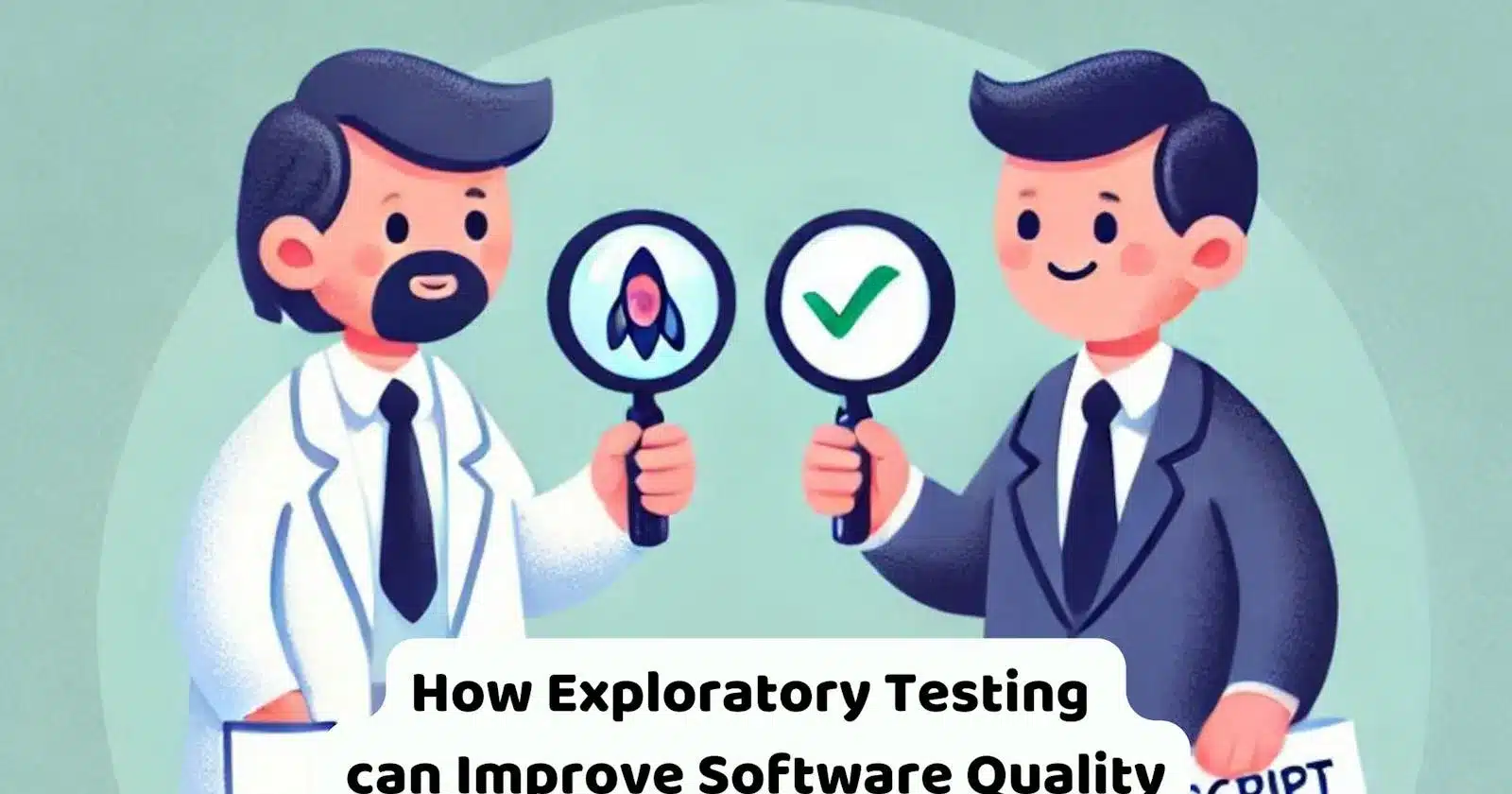
How Exploratory Testing Can Improve Software Quality
In the fast-paced world of software development, ensuring top-notch quality is a must. One approach that has gained significant traction over the years is Exploratory Testing. Unlike scripted testing, exploratory testing focuses on real-time discovery, creativity, and problem-solving. In this article, we will understand exploratory testing, its benefits, techniques, and how tools like Keploy can…
-

Playwright vs Cypress: Choosing the Best E2E Testing Framework
In the world of web application testing, end-to-end (E2E) testing frameworks play a critical role. They allow teams to automate tests that simulate real user interactions, ensuring that applications behave as expected from start to finish. Two of the most popular tools in this arena are Playwright and Cypress. Both tools are designed for modern…
-

How to Create a Grafana Dashboard for Keploy: Easy Step-by-Step Guide
In today’s fast-paced development environment, efficient monitoring and visualization of test results are essential for ensuring the quality of your application. Keploy, a zero-code testing tool, simplifies test generation and integration, but how do you effectively monitor and analyze the test data Keploy generates? This is where Grafana, a powerful open-source analytics and monitoring platform,…
-
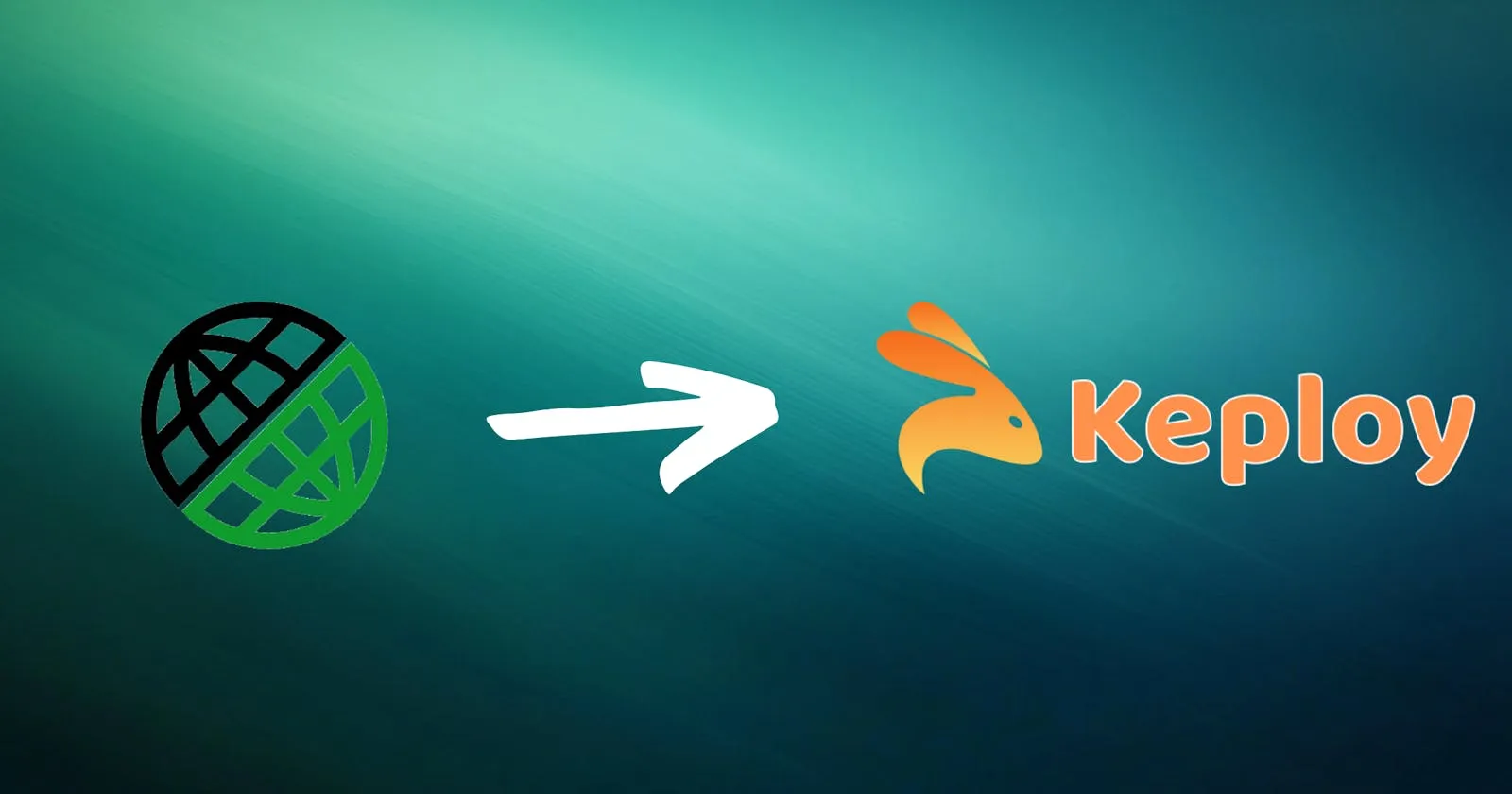
Migration Guide: From RestAssured to Keploy
If you’re tired of writing endless lines of repetitive code in RestAssured just to test your APIs, you’re not alone. API testing shouldn’t feel like pulling teeth, but let’s face it—REST Assured can make the process boring and unnecessarily time-consuming. But what if you could leave that grind behind? In this guide, we’ll show you…
-

Introducing the Keploy OSS Fund
Keploy launches the OSS Fund to support open-source contributors building testing tools. Learn how to apply, what projects qualify, and the funding structure.
-

All About Load Testing: A Detailed Guide
As businesses continue to digitize, the importance of load testing has surged, with the market witnessing a significant rise in the adoption of load testing tools. According to a recent report, the global load testing market is expected to grow at a CAGR of 12.5% from 2021 to 2026, reflecting the increasing demand for reliable…