Author: Sancharini Panda
-
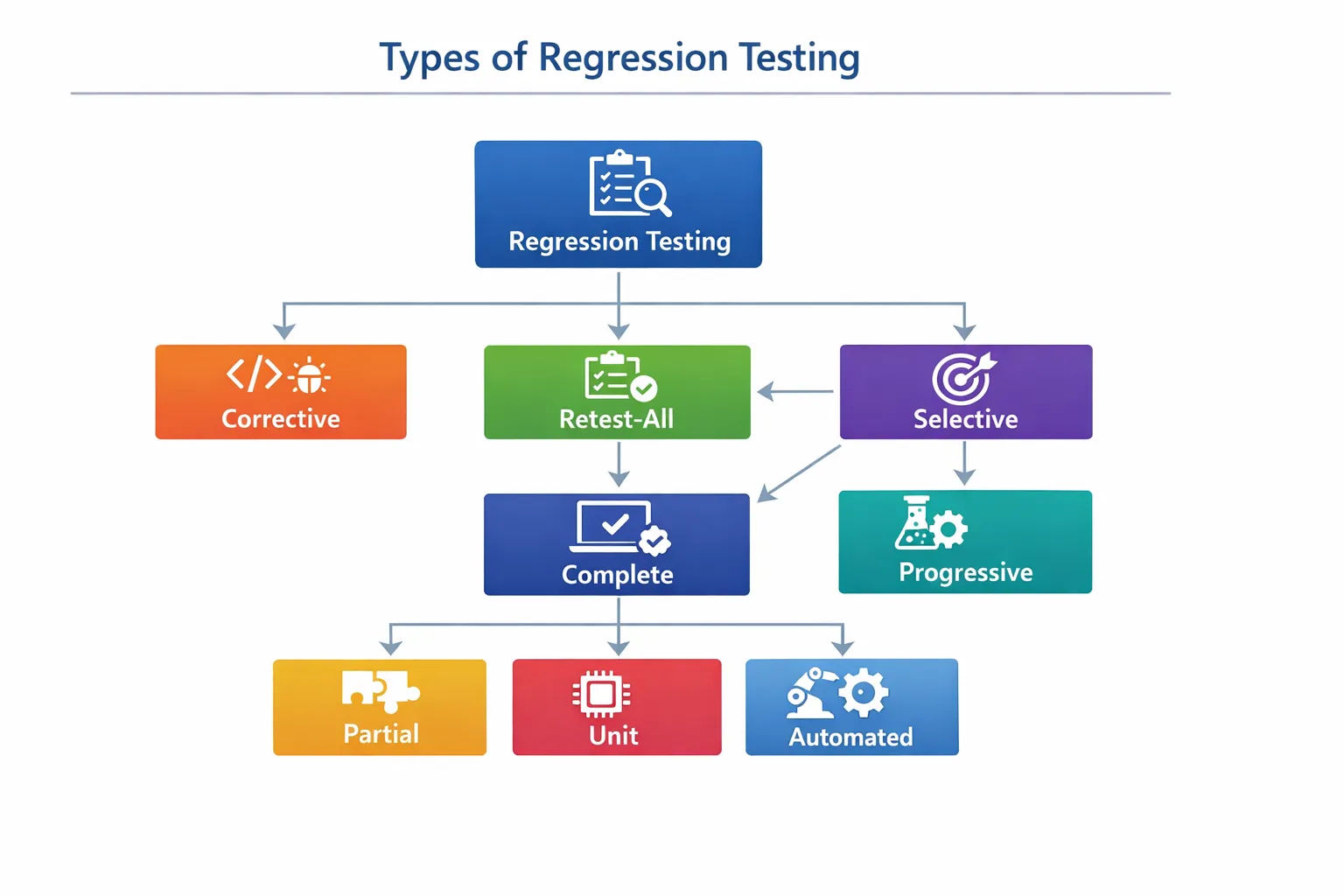
Types of Regression Testing in Software Testing Explained (Updated)
Regression testing covers eight distinct approaches, each suited to different scenarios – corrective for minor changes, selective for targeted impact, progressive when new features alter existing flows, complete after major architectural changes, and automated for continuous CI/CD validation. The right choice depends on change scope, release timeline, and risk tolerance. Even small software changes can…
-
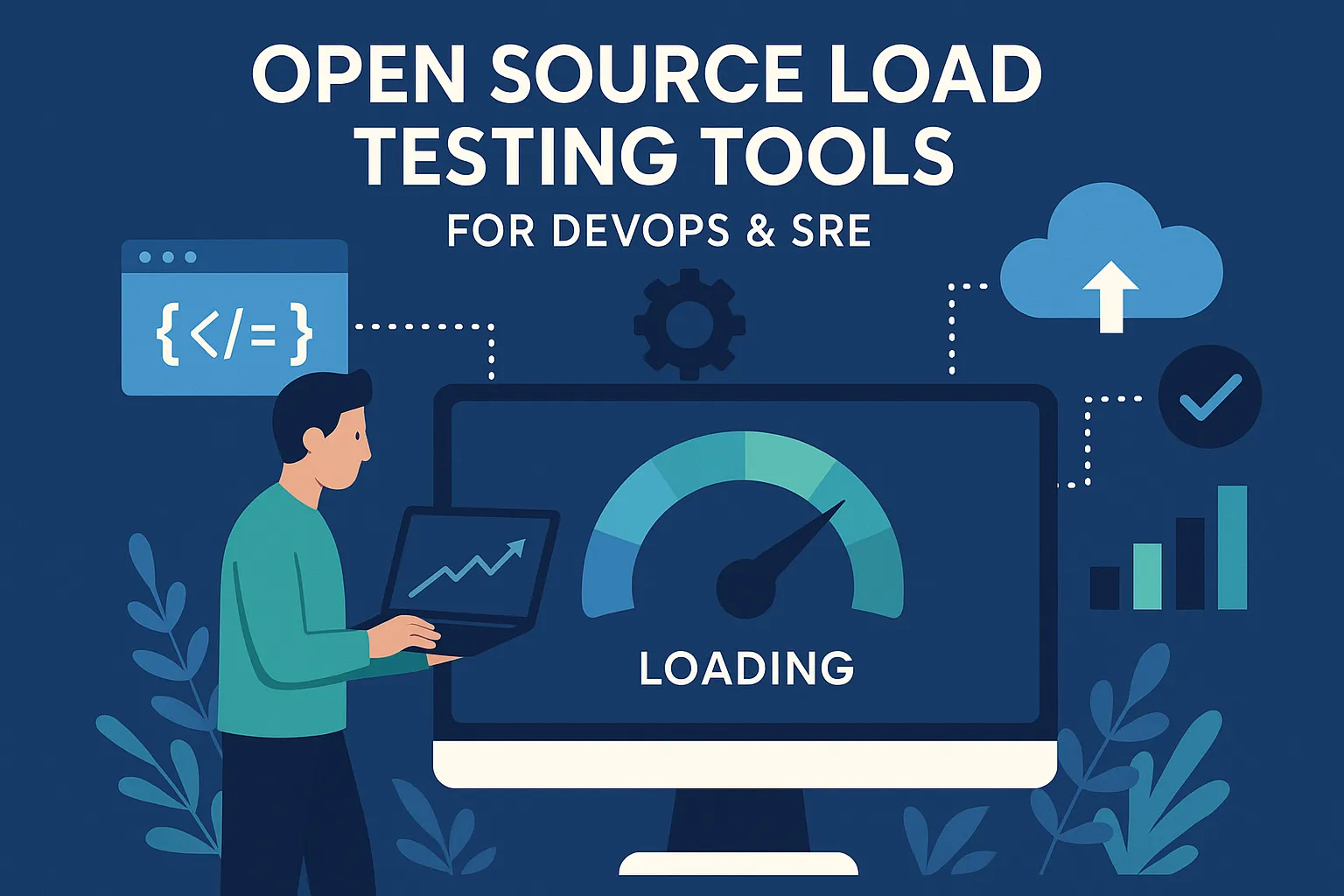
5 Best Load Testing Tools (Open Source) for DevOps in 2026
Choosing the right load testing tool is essential for ensuring your application performs reliably under heavy traffic. Whether you’re testing REST APIs, microservices, or full-stack applications, the right tool can uncover bottlenecks before they impact users. In this guide, we’ll compare the five best open source load testing tools — Keploy, Apache JMeter, Gatling, The…
-

What is a Test Script in Software Testing?
A test script is a detailed set of step-by-step instructions that guides testers or automation tools through executing a specific scenario. Unlike a test case, a test script defines how to run it. Weak scripts are the root cause of flaky tests and missed defects. Keploy removes the scripting burden entirely by generating them automatically…
-

How to Use Coverlet Coverage for Improved Code Quality in Testing?
Have you ever considered how well-tested your .NET code simply is? Many teams feel their test suite is complete until a bug makes its way into production. The hard part is not just writing tests, but determining if tests cover critical paths. When using standard coverage tools, coverage can seem convoluted and unrelated to how…
-

How to Build an Automation Framework for API First Testing
An automation framework for API-first testing is a structured set of guidelines, reusable components, and tools that standardizes how API tests are written, run, and maintained across a team. A strong one combines test data management, configuration management, a test execution engine, reporting, error handling, and CI/CD integration. To build it, define your scope, pick…
-
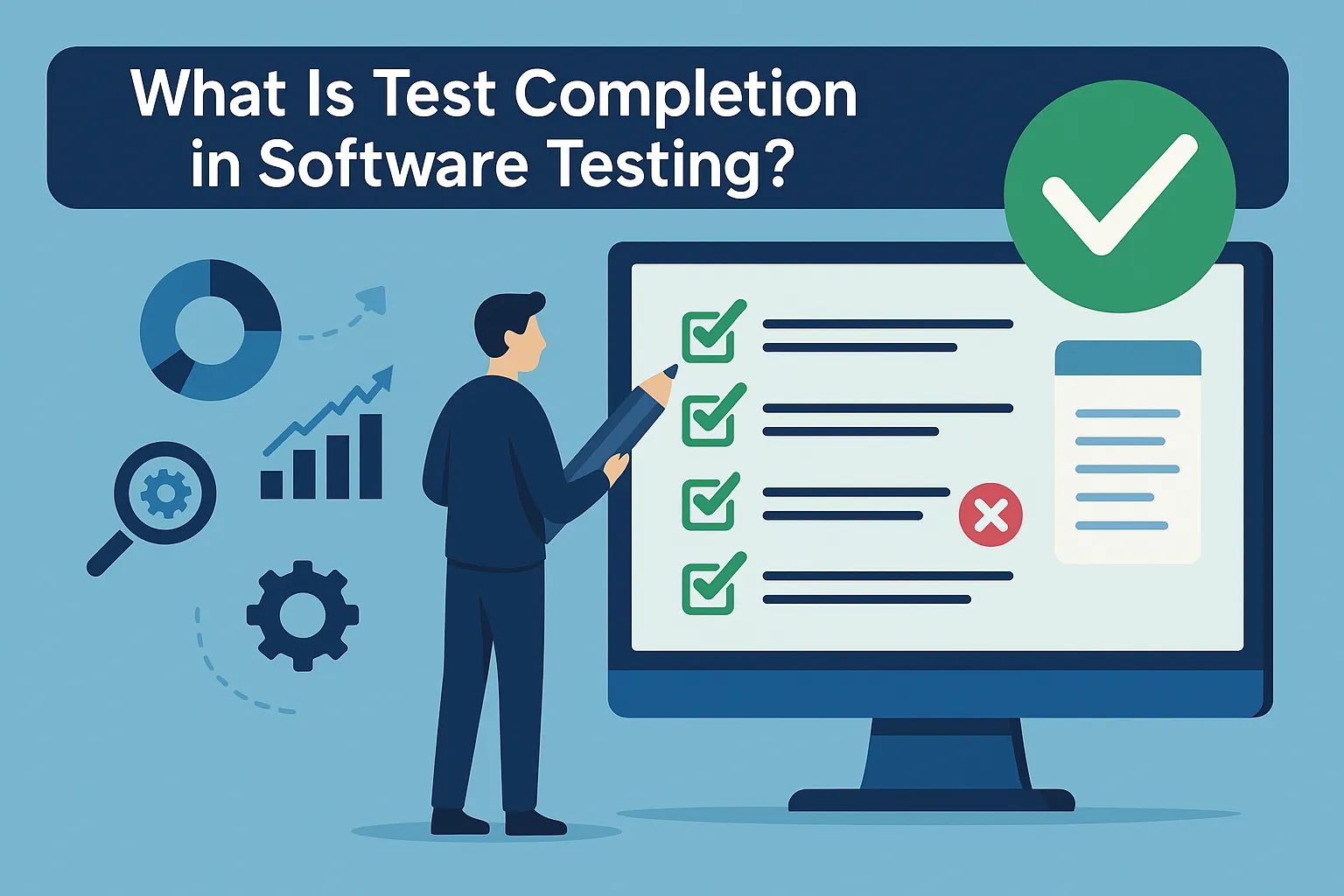
What Is Test Completion in Software Testing?
Test completion is the formal point at which testing objectives for a defined scope- release, sprint, or feature – have been met against pre-agreed exit criteria. It’s a decision based on artifacts, not opinions: test execution rate, defect thresholds, coverage metrics, and a sign-off report. Critically, completion criteria differ by test level – what “done”…
-
How to Use Software Testing Metrics to Drive Better QA Decisions
Why do some QA teams consistently deliver reliable and high-quality software, while others toil to identify bugs and experience unstable releases? The real difference often is related to how easily the team is able to use software testing metrics to make measurable decisions. Often, the testing process turns out to be a routine checklist activity…
-
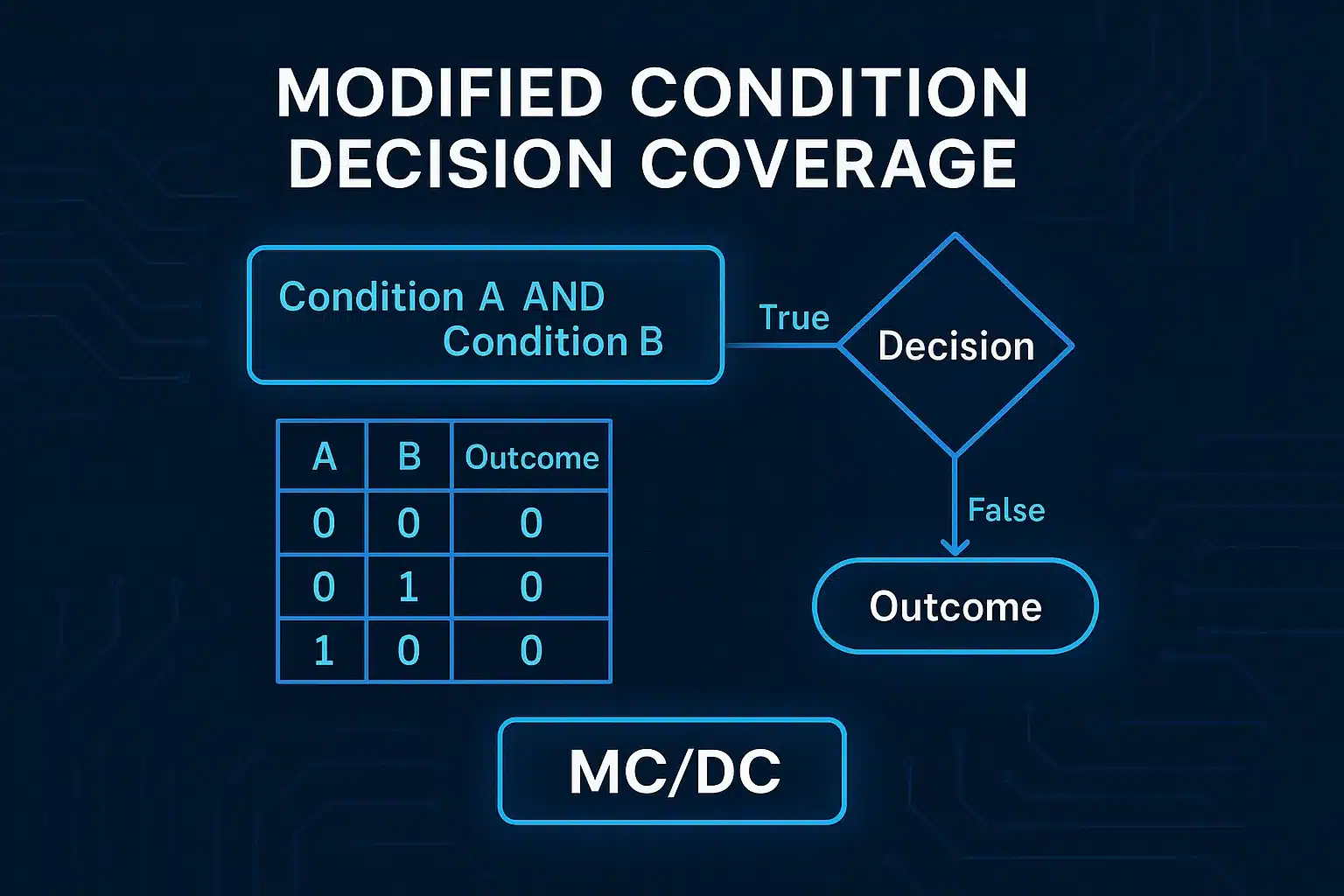
Modified Condition Decision Coverage (MC/DC) Explained
Modified Condition/Decision Coverage (MC/DC) is a rigorous testing standard that checks whether each condition in a complex logical decision can independently change the outcome – not just whether the code ran. It’s the required coverage level for aviation and automotive safety software because it catches logic bugs that simpler metrics like statement or decision coverage…
-
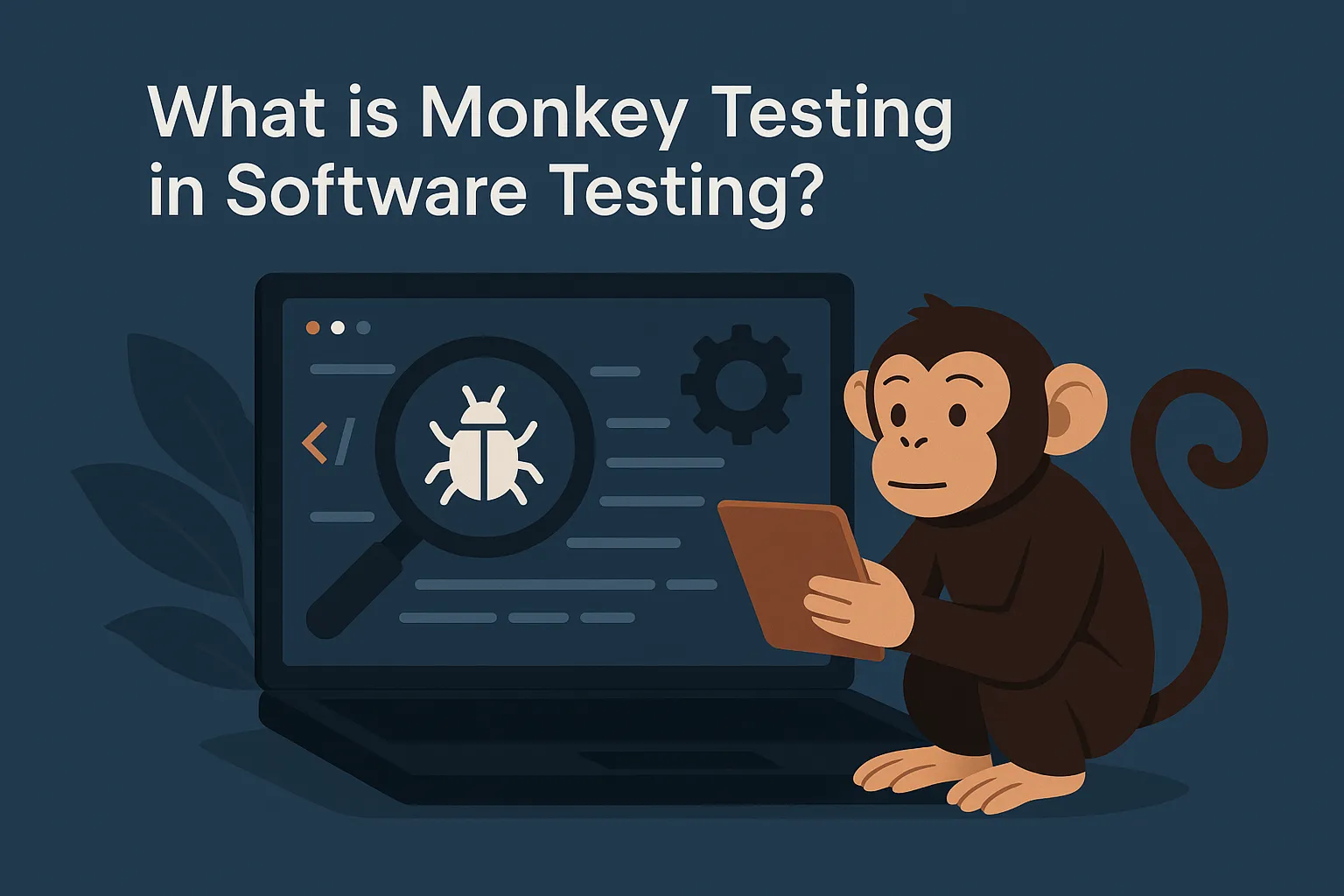
What is Monkey Testing in Software Testing? Types, Tools & More
Monkey testing feeds random, unscripted inputs into an application to uncover crashes, memory leaks, and unhandled exceptions that structured test cases miss. It runs in three modes: ignorant (fully random), intelligent (randomised within known areas), and smart (plausible user journeys randomised). The hardest part is reproducing a crash once it occurs, which is why logging…
-
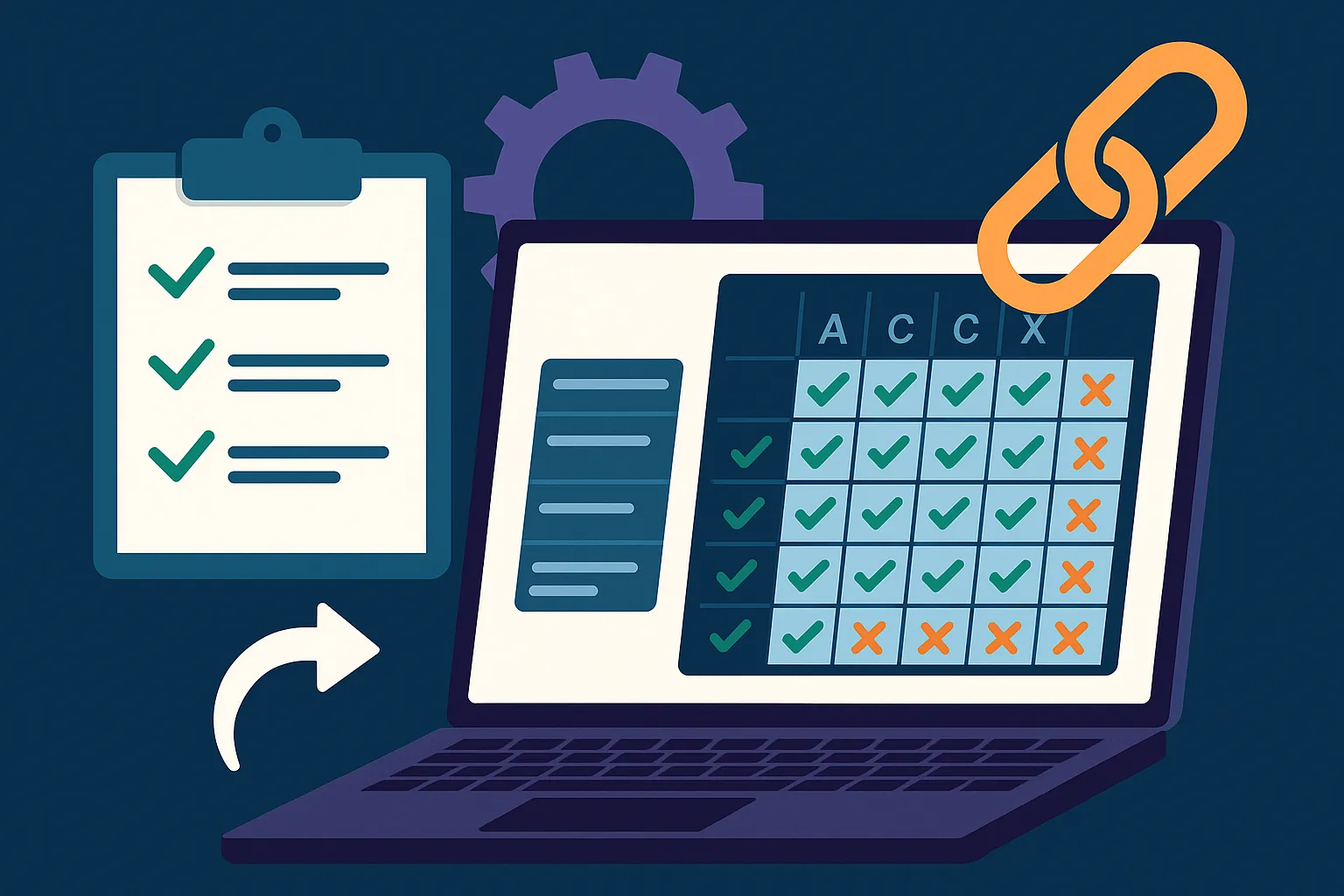
What Is a Traceability Matrix and How to Use It Effectively?
A traceability matrix maps every project requirement to its corresponding test cases, ensuring nothing gets missed before release. It tracks coverage in both directions – from requirements to tests & back- flags gaps or untested functionality. In Agile environments, keeping it updated manually is the hard part; tools like Keploy reduce that burden by auto-generating…