Category: community
-
Test Recorder: The Fast-Track to Codeless UI Test Automation
Introduction Software teams today are routinely under pressure to release features more quickly, while keeping quality in check, in today’s fast-paced digital ecosystem. Automation testing enables teams to develop this balance; however, most teams find that writing and maintaining test scripts becomes a heavy burden with technical complexity, and takes time away from building features.…
-
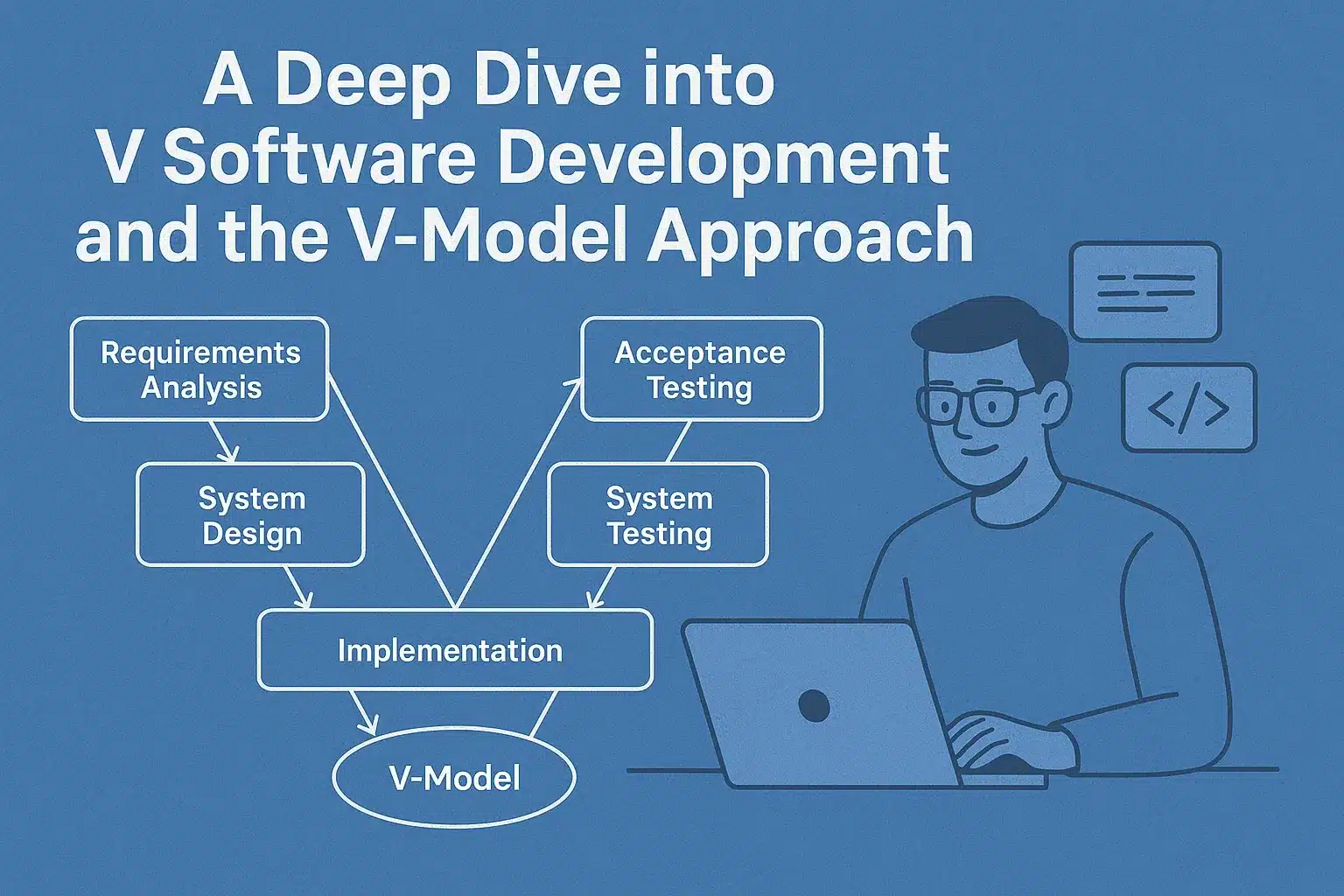
A Deep Dive into V Software Development and the V-Model Approach
The V-model is a software development approach that pairs each development phase with a corresponding testing phase, arranged in a V shape. As requirements, design, and coding descend one side, matching acceptance, system, integration, and unit tests rise on the other. It emphasizes early test planning and verification at every stage. In the high-speed world…
-
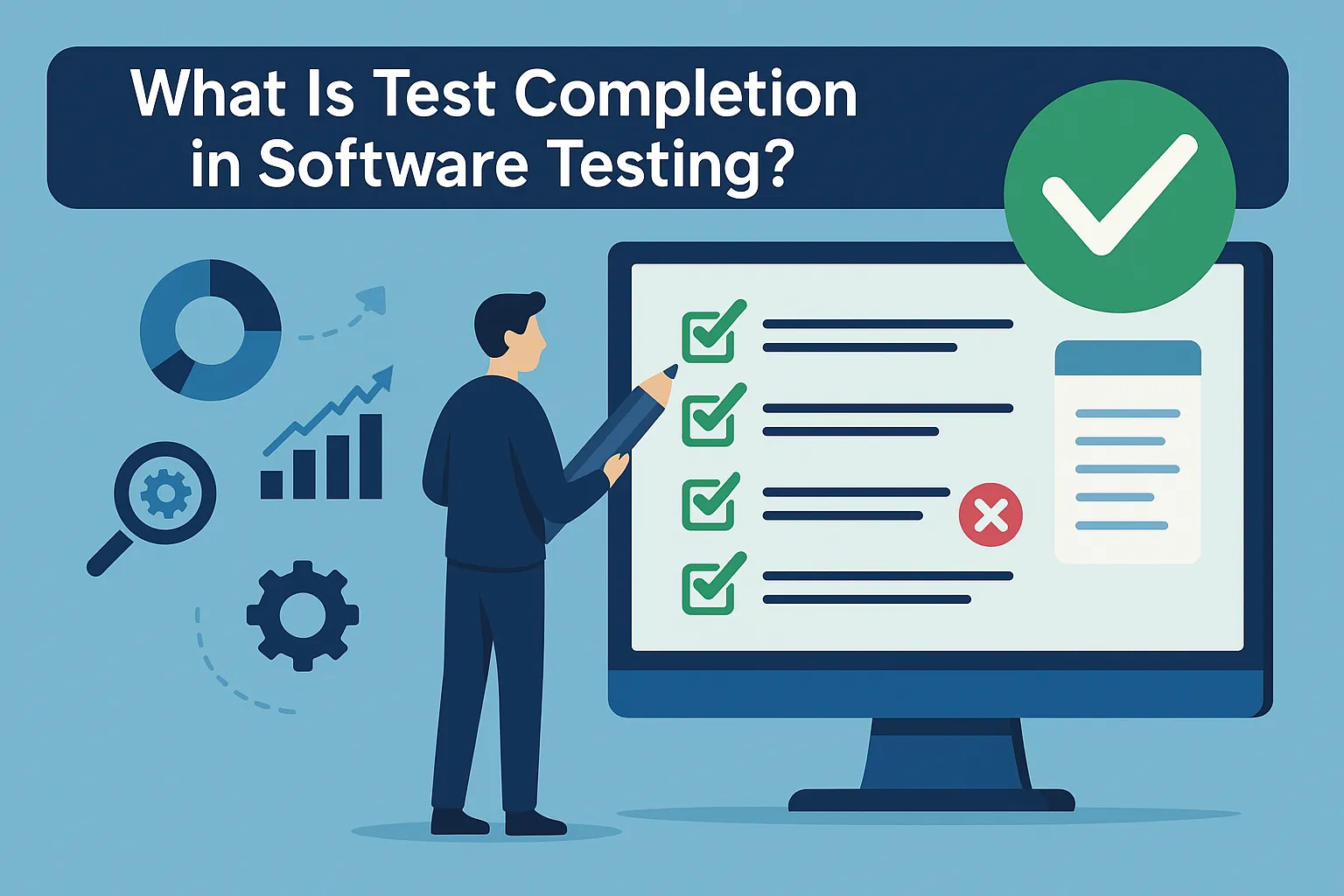
What Is Test Completion in Software Testing?
Test completion is the formal point at which testing objectives for a defined scope- release, sprint, or feature – have been met against pre-agreed exit criteria. It’s a decision based on artifacts, not opinions: test execution rate, defect thresholds, coverage metrics, and a sign-off report. Critically, completion criteria differ by test level – what “done”…
-
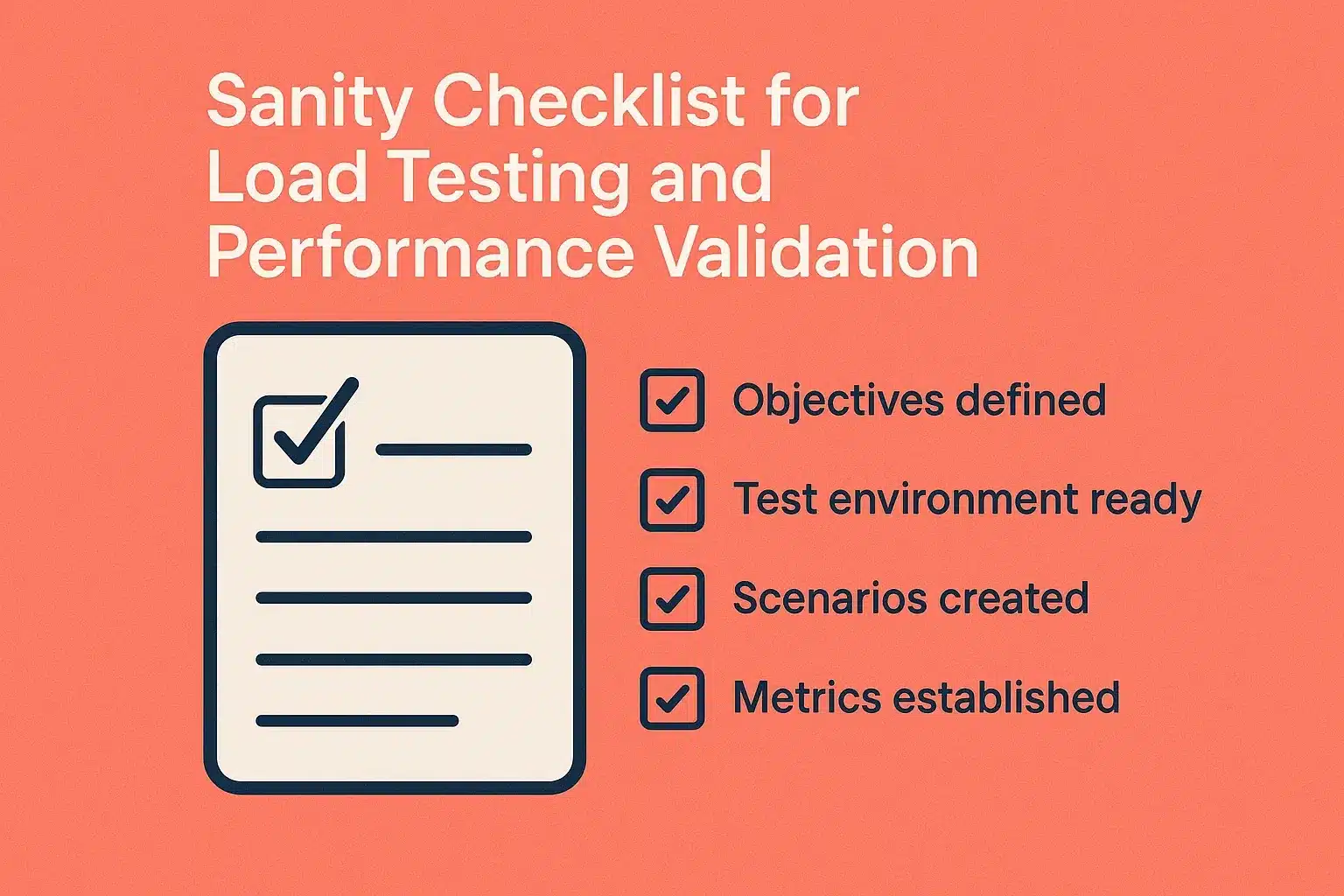
Sanity Checklist for Load Testing and Performance Validation
Did you know that almost 80% of failures in performance testing are related to missing basic pre-validation steps before performance testing is done? In the race to meet release dates, many development teams jump into performance testing without knowing that the system is ready for performance testing. The consequences of performance test preparation include inaccurate…
-

How to Use Software Testing Metrics to Drive Better QA Decisions
Why do some QA teams consistently deliver reliable and high-quality software, while others toil to identify bugs and experience unstable releases? The real difference often is related to how easily the team is able to use software testing metrics to make measurable decisions. Often, the testing process turns out to be a routine checklist activity…
-
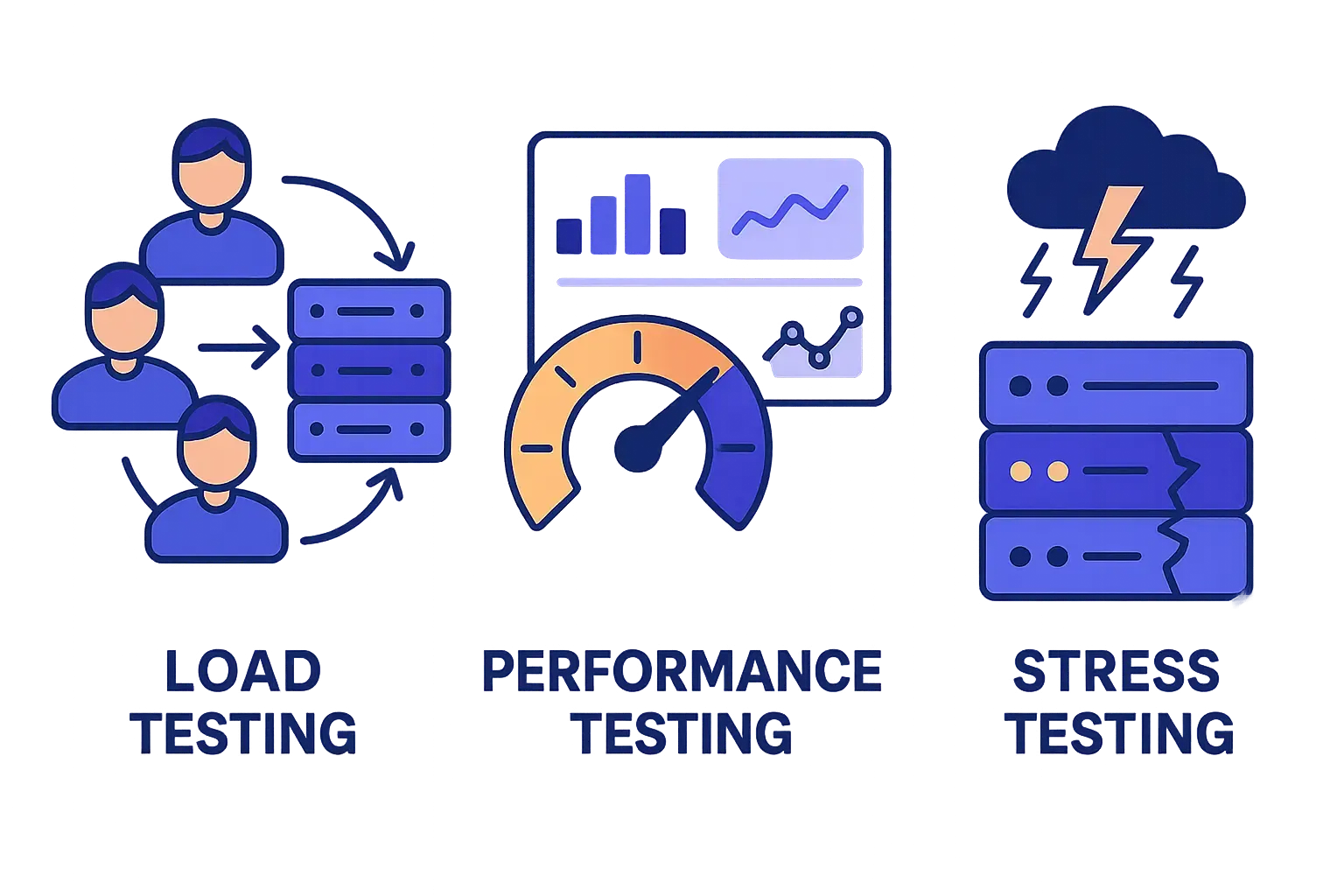
Load vs Performance vs Stress Testing: Differences & Examples
Load testing, performance testing and stress testing are often mixed up, but in today’s CI/CD pipelines and production-grade engineering, they are solving completely different purposed. If you want to: Decrease downtime for peak traffic Identify bottlenecks before users do Avoid crashing the system with sudden traffic spikes Build APIs and applications that are FASTER +…
-
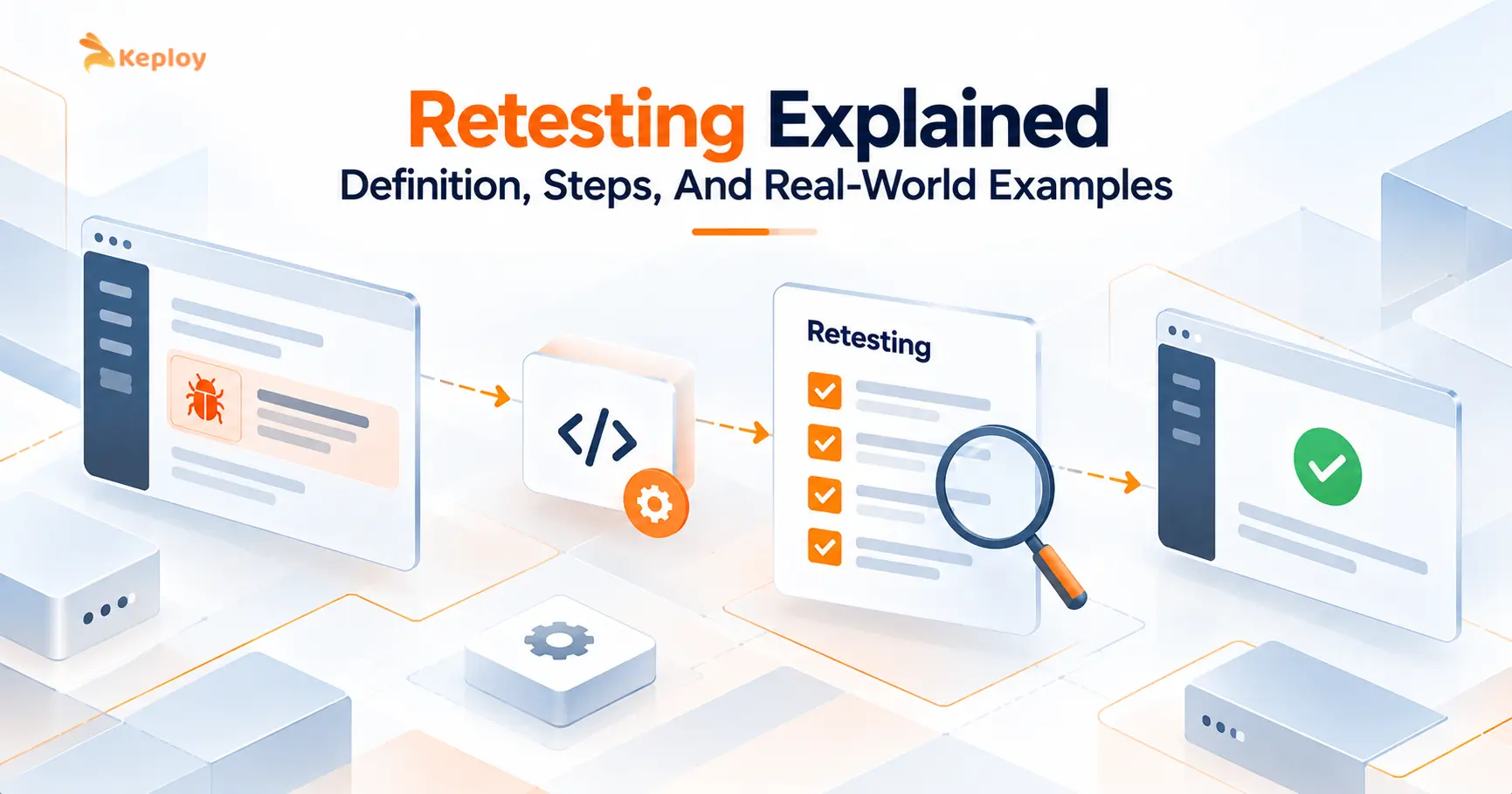
Retesting Explained: Definition, Steps, and Real-World Examples
After some testing and bug fixes, one common question always remains: how do teams make sure that those defects are truly resolved, and no new regressions creep in? That’s where retesting testing becomes vital. Retest testing forms a very important aspect of any QA cycle, ensuring that the reported defects are fixed and working correctly…
-
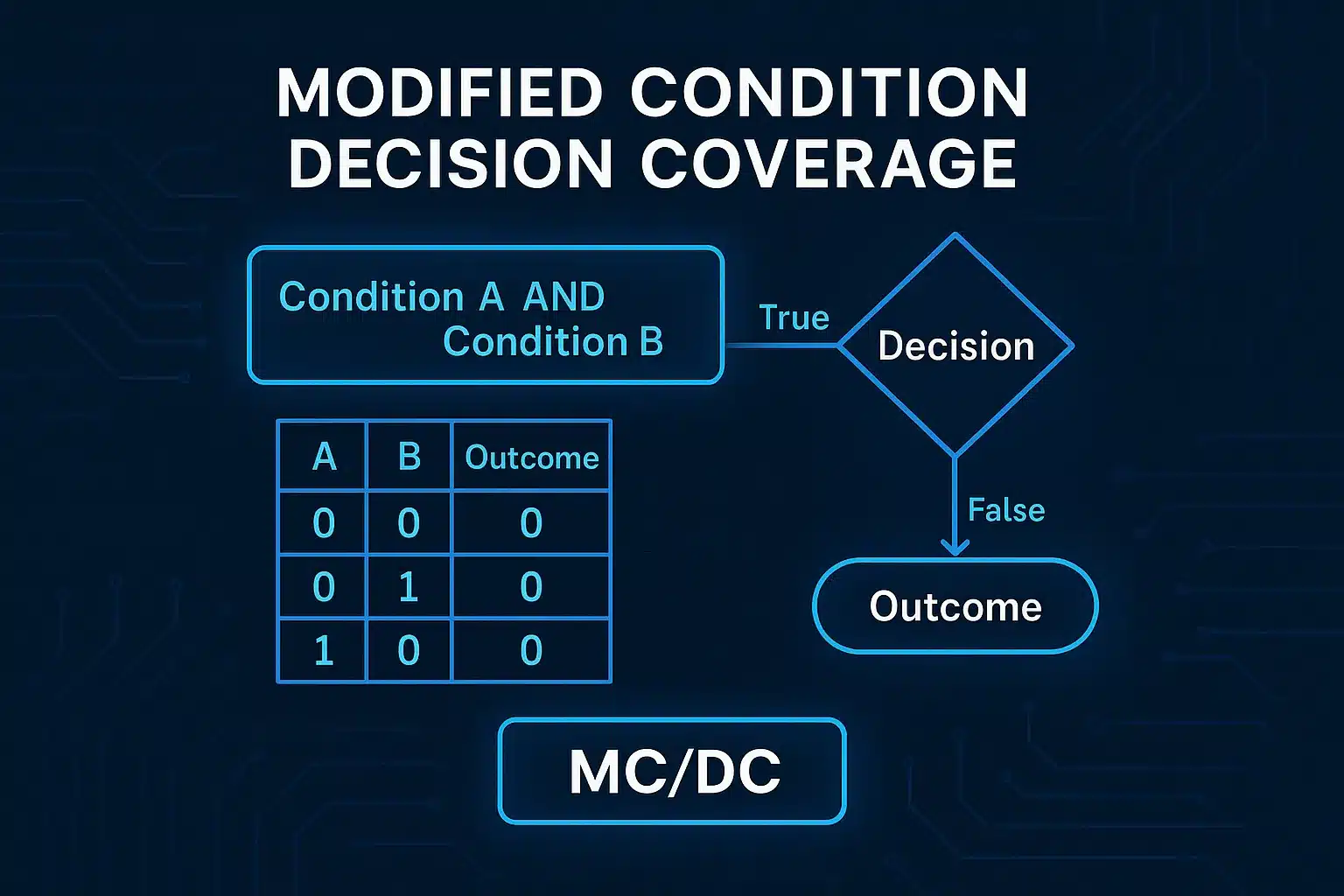
Modified Condition Decision Coverage (MC/DC) Explained
Modified Condition/Decision Coverage (MC/DC) is a rigorous testing standard that checks whether each condition in a complex logical decision can independently change the outcome – not just whether the code ran. It’s the required coverage level for aviation and automotive safety software because it catches logic bugs that simpler metrics like statement or decision coverage…
-
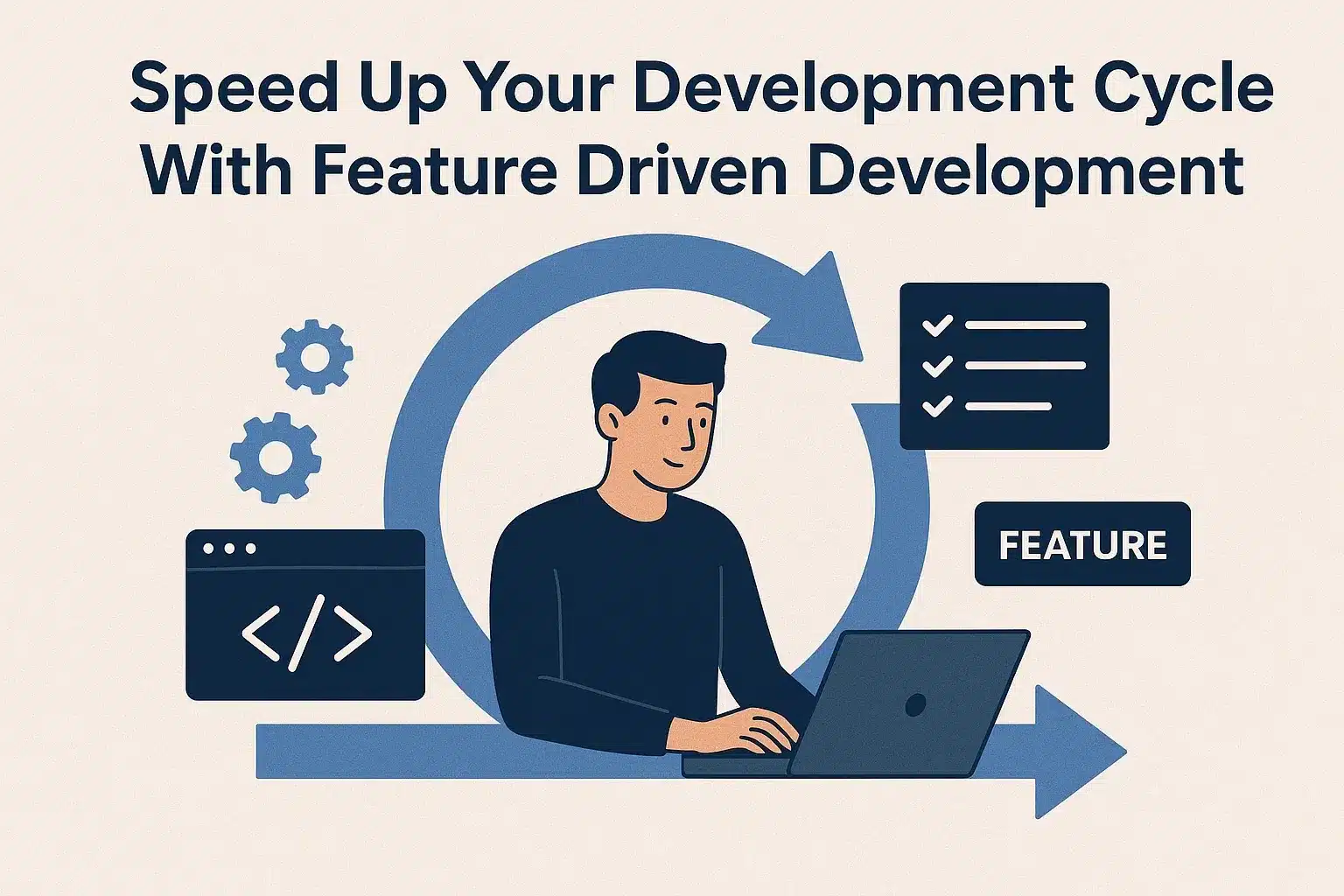
Speed Up Your Development Cycle With Feature Driven Development
In today’s fast-paced software industry, delivering high-quality applications quickly is a top priority. Development teams are constantly seeking methods to streamline their processes without sacrificing quality. One approach that has gained considerable attention is Feature Driven Development (FDD). This methodology focuses on developing software by building features in a structured, incremental manner, resulting in more…
-
What Is an API Endpoint? (Complete Guide for Developers & QA Testers)
An API endpoint is a defined URL or path where an API accepts a request from the client, such as a web app, mobile app, automation script, or AI agent, and sends back a response. It serves as the official communication point between the frontend and backend. In other words, if an API is a…