Category: community
-
Reliability Testing – A Complete Guide
Reliability testing measures whether software performs consistently and without failure over a sustained period under expected conditions. It evaluates metrics like mean time between failures (MTBF), failure rate, and recovery behavior. The aim is to confirm the system holds up over time, rather than just passing a single functional check. Reliability Testing is the measure…
-

Master JavaScript filter() Method: Guide with Examples
The filter method on a JavaScript array is one of the most powerful and widely used of all the array methods available for data manipulation. Whether it be filtering out unwanted elements, working your way through a number of datasets, or performing cleanup on an array, the filter method will give you a very elegant…
-
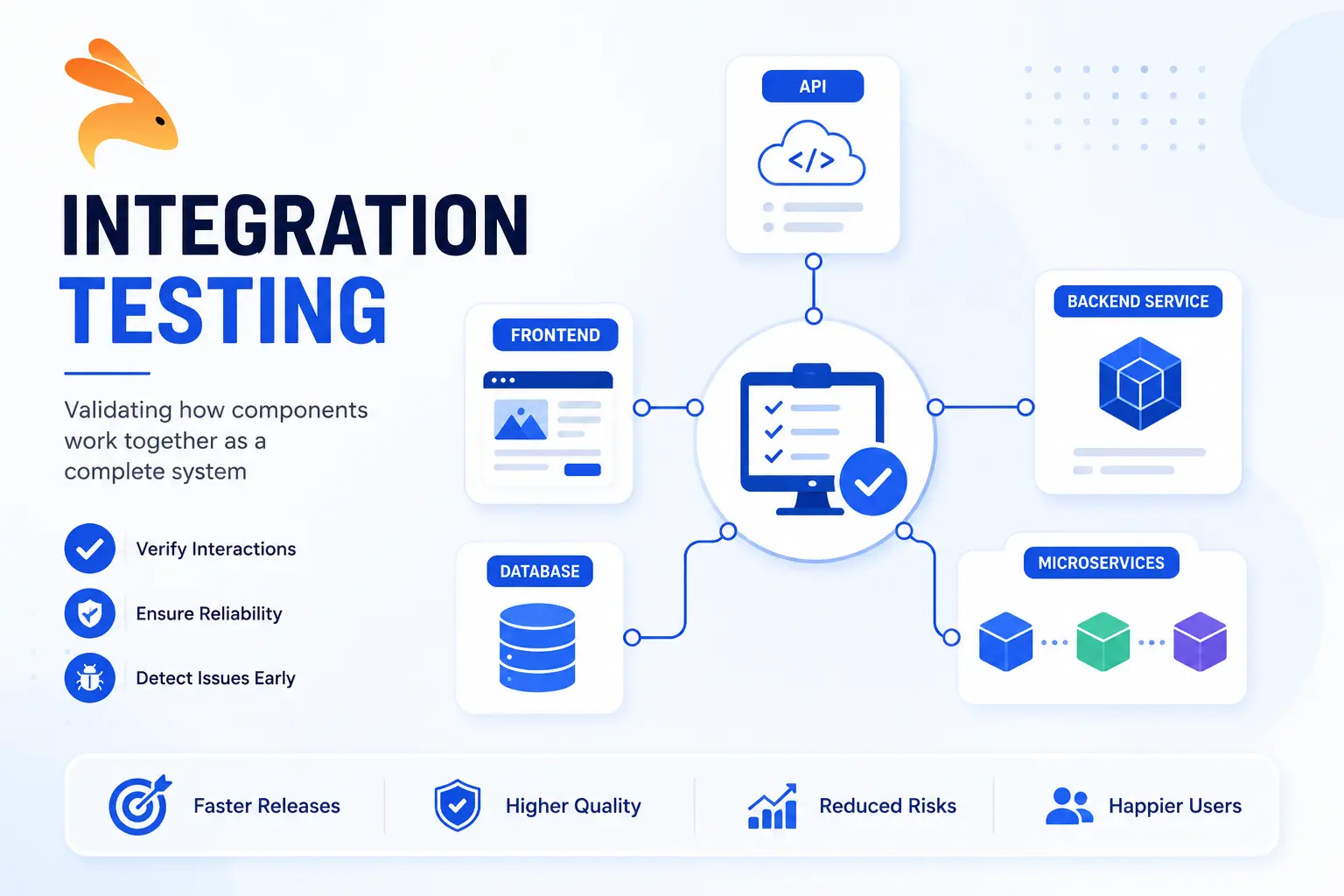
Integration Testing: Complete Guide (Types, Tools & Examples) 2026
Integration testing verifies that independently built modules or services work correctly when combined, focusing on the interfaces and data passed between them. It catches mismatched contracts and communication errors that unit tests miss. Keploy speeds this up with an automation-first approach, recording real service traffic and generating integration tests and mocks from it. In the…
-

What is a Python Bytestring?
In the programming language, Python, binary data and text are often used when working with files, APIs, data encoding and decoding, and networking. In this article, we are going to answer some of the common questions that arise in this process. Some of which include what bytestrings are, how to convert strings to bytes and…
-

Latency Testing Guide for Faster Apps
Hey, so you have been wondering why your favourite app sometimes feels like it sometimes stuck in slow motion, right? Well, keep your coffee aside because we are about to learn something that affects literally every digital experience you have, i.e. latency testing. In this blog, we are going to explore about latency testing and…
-
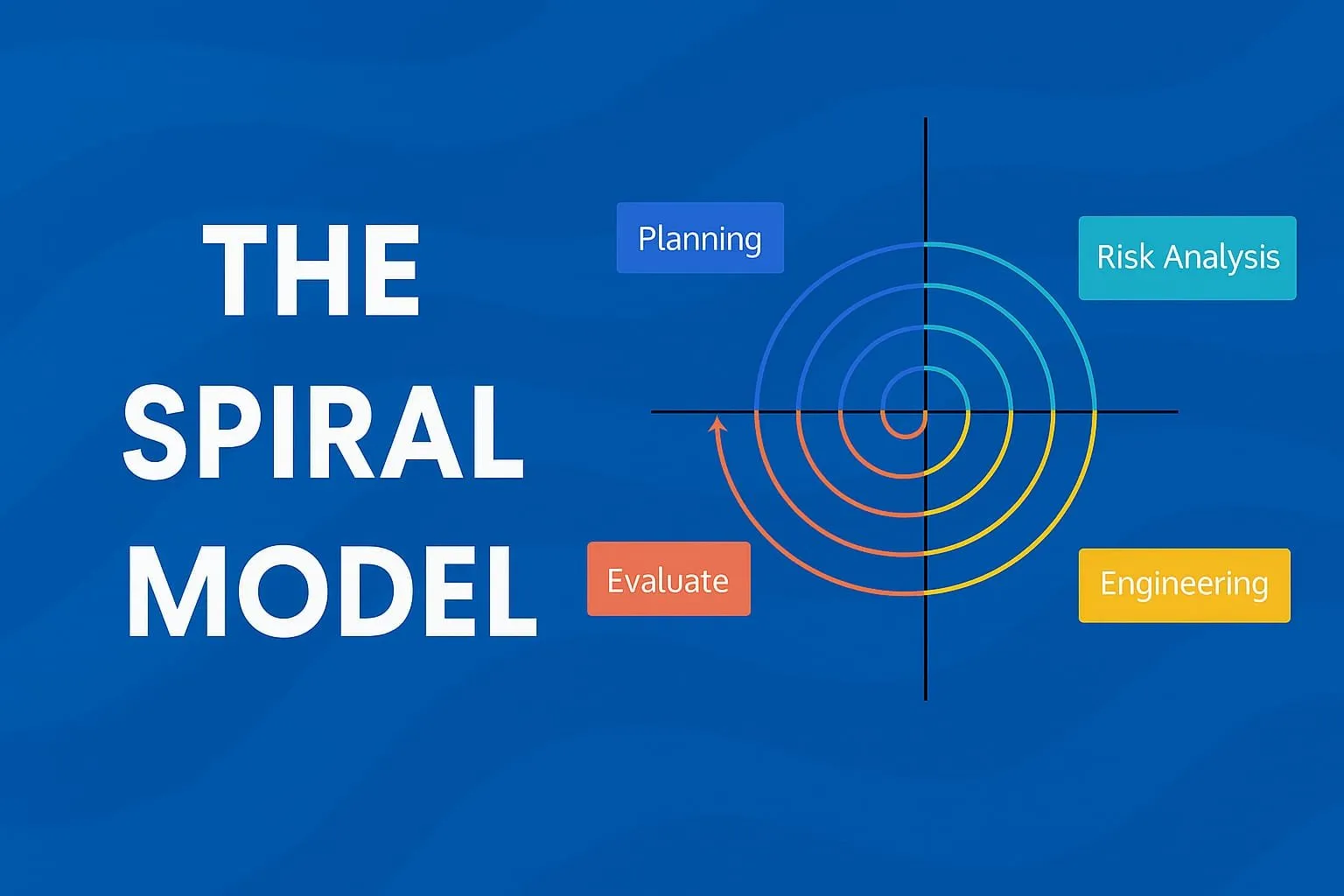
What Is the Spiral Model in Software Engineering?
The spiral model is a risk-driven software development approach that combines iterative prototyping with the structured phases of the waterfall model. Work progresses through repeating loops of planning, risk analysis, engineering, and evaluation, with each cycle producing a more refined version of the product. It suits large, high-risk projects where requirements evolve over time. Would…
-
Defect Management in Software Testing: Process, Tools, and Best Practices
Defect management is the systematic process of detecting, documenting, prioritizing, fixing, and verifying software defects throughout the development lifecycle – from the moment a bug is reported through assignment, resolution, retesting, and closure. The most effective defect management reduces what needs managing in the first place: catching issues earlier in CI, before they reach production,…
-
Flaky Test Guide (2026): Causes, Examples, and Fixes
In modern software development, fast and reliable automated testing is essential for maintaining high-quality applications and efficient CI/CD pipelines. However, one of the biggest challenges teams face is dealing with flaky tests —tests that pass or fail inconsistently even when the application code hasn’t changed. These unpredictable failures create confusion, slow down deployments, waste engineering…
-

Cline vs Cursor: Which AI Coding Tool to Choose in 2025?
Choosing the appropriate development tool can either improve or inhibit your coding efficiency. Two tools that can confuse developers are Cline and Cursor because they are intended for different use cases in the software development lifecycle. Developer’s must understand the difference between Cline vs Cursor so that they can improve their workflow and select the…
-

Ad Hoc Testing: A Quick Guide to Finding Hidden Bugs
Most software testing tends to follow a defined plan, with test cases listed in written form. However, sometimes the quickest way to find bugs is to use the application without any scripts in front of you, basically like a real user would do. This is the essence of Ad Hoc Testing. Ad Hoc Testing is…