Category: community
-
Branch Coverage in Software Testing
Branch coverage is a white-box metric measuring the percentage of decision branches, the true and false outcomes of every conditional, exercised by your tests. Unlike statement coverage, it requires each branch of an if/else or loop to run, making it a stronger indicator that tests reach the code’s decision logic. When testing software, it’s not…
-

Creating the Balance Between End-to-End and Unit Testing
In the dynamic landscape of software development, the approach to testing has evolved significantly. One of the debates that often surfaces is the choice between end-to-end (E2E) testing and unit testing, particularly when it comes to testing in a live production environment. In this blog, we’ll explore the rationale behind Testing in Production and why…
-
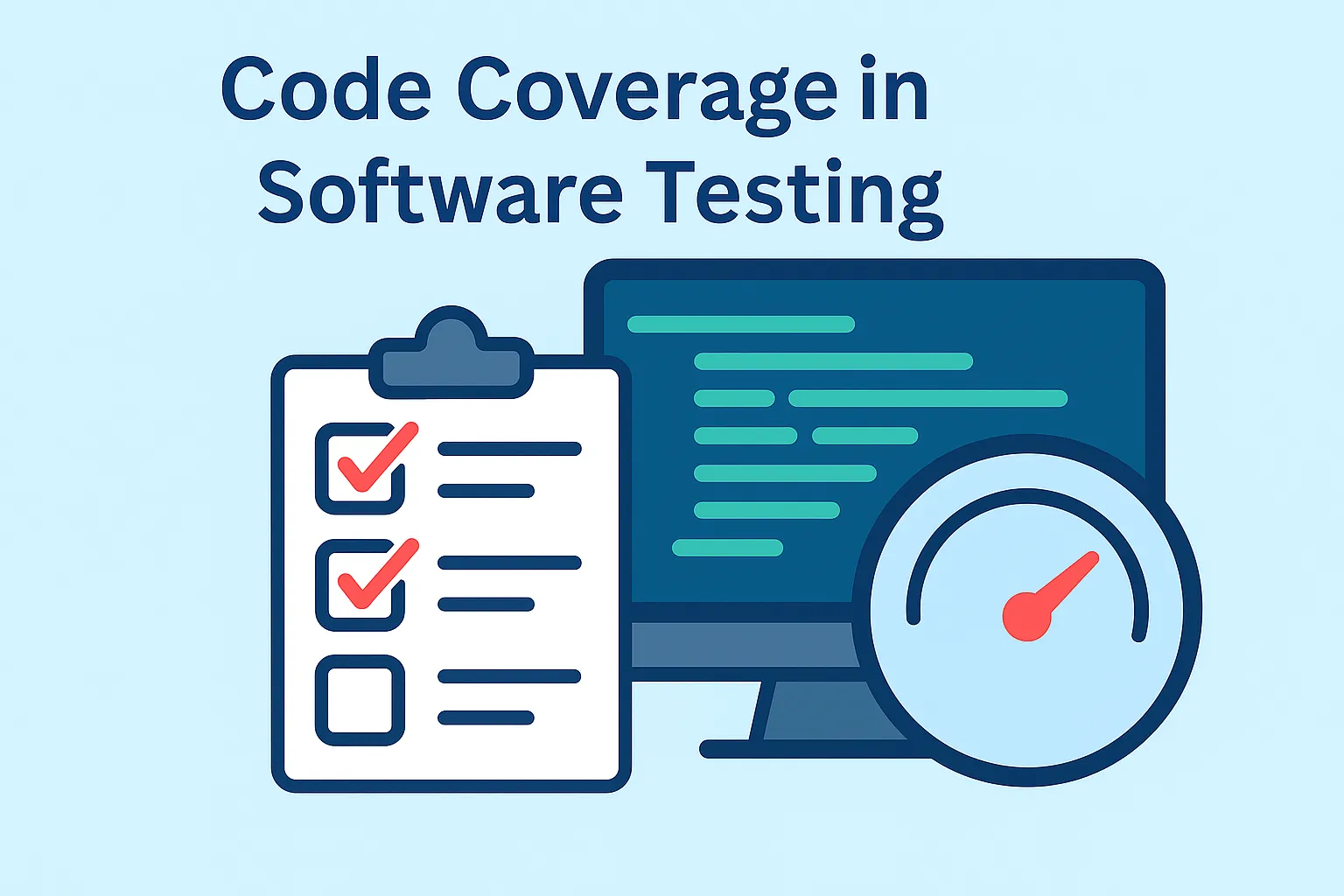
What Is Code Coverage? Metrics, Tools & Coverage Goals
Code Coverage is a very important part of the Software Development life cycle, especially when working with code coverage in Go for backend systems. It helps to ensure that tests are covering the most critical parts of our application, and is an important measure to determine the reliability of the code! In this article, we’ll…
-
Decoding HTTP/2 Traffic is Hard, but eBPF can help
I’ve come across a particular challenge that many of us face: decoding HTTP/2 traffic becomes easier when you understand concepts from a protocol parsing guide, especially when dealing with complex binary protocols like HTTP/2. In this blog, I’ll share insights on why decoding HTTP/2 headers can be tricky, how HPACK adds a layer of complexity,…
-
TestNG vs JUnit: Performance, Ease of Use, and Flexibility Compared
It’d be ideal if the software worked perfectly right from the start, but in reality, achieving such perfection demands thorough testing. This is where frameworks like TestNG and JUnit play a crucial, yet often underappreciated, role. They are among the most popular tools in the Java ecosystem, each with its unique approach to tackling the…
-
Exploring the Effectiveness of E2E Testing: In Comparison with Integration Testing
In the diverse domain of software development, testing methodologies play a pivotal role in ensuring the robustness and reliability of applications. These methodologies serve as systematic approaches to identify and rectify potential flaws in code, ultimately contributing to the delivery of high-quality software products. One cannot overstate the significance of testing in the software development…
-
Understanding Statement Coverage in Software Testing
Statement coverage is a white-box metric that measures the percentage of executable statements in your code exercised by a test suite. Full statement coverage means every line ran at least once during testing. It is a basic coverage measure, useful for spotting untested code, though it does not guarantee every branch or condition was checked.…
-

Why I Love End-to-End (E2E) Testing
I want to talk about something that has become near and dear to my heart in the software development world: End-to-End testing. Trust me; it’s more exciting than it sounds. So, grab a coffee, relax, and let’s dive into why E2E testing is often all we need to ensure our software shines, especially when we…
-

How to Generate Test Cases with Automation Tools
In the rapidly evolving domain of software development, relying solely on manual testing is insufficient to meet industry requirements. This is where test automation plays a pivotal role, enabling software testers to improve efficiency, expand test coverage, and assure the confident delivery of high-quality products. In this article, we will delve into the realm of…
-

Decoding BRD: A Dev’s Guide to Functional and Non-Functional Requirements in Testing
Hey, devs! Today, we’ll dive into the world of BRD – the Business Requirements Document. You might be thinking: "BRD, the acronym that sounds like it’s hiding some pretty cool secrets, right?" But, without any complications, we’ll demystify the meaning behind those three letters. Imagine the BRD as the GPS of your application development journey,…
