Keploy Blog Website
-
Top Software Quality Assurance Tools for Modern Teams
Shipping fast without bugs requires specialised tools at every layer – UI automation, API validation, performance, security, and test management each demand different solutions. Keploy anchors the API layer by generating tests automatically from real production traffic, eliminating manual scripting. This guide covers 10 tools across every QA category to help teams build the right…
-
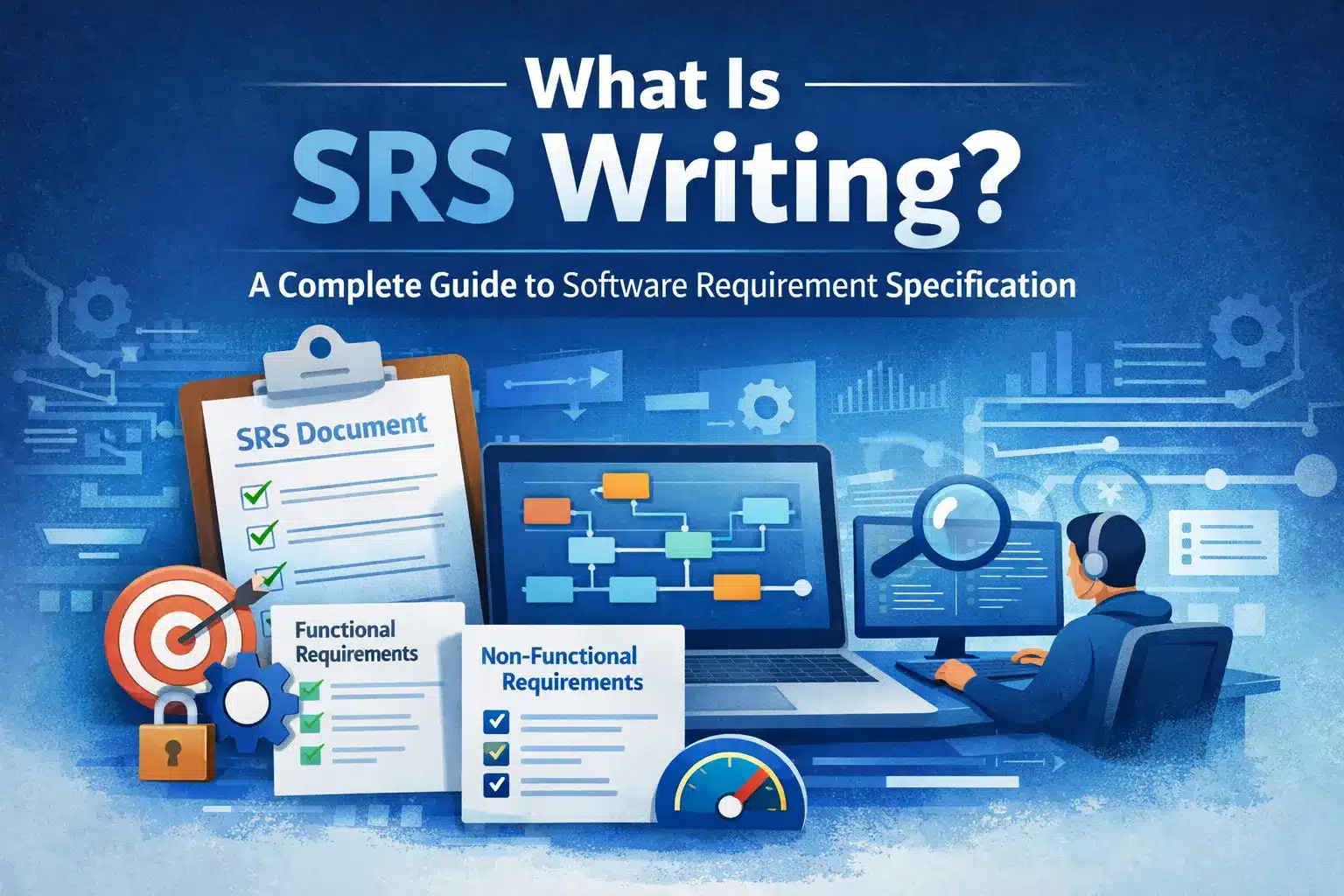
What Is SRS Writing: A Complete Guide to Software Requirement Specification
SRS (Software Requirements Specification) writing is the process of documenting what a software system must do and the constraints it operates under. A good SRS captures functional and non-functional requirements, interfaces, and acceptance criteria in a clear, testable form, giving developers, testers, and stakeholders a shared, unambiguous reference. A Software Requirements Specification (SRS) is a…
-
Why I Switched from Rest Assured to Keploy for Microservices Testing
If you’ve been using Rest Assured for API testing, you know how powerful it is. The syntax looks simple and easier to understand, but things get interesting when you have to write test cases and mocks for a microservices application that has more than 2 services. Key Takeaway: Keploy replaces REST Assured’s manual Java test…
-
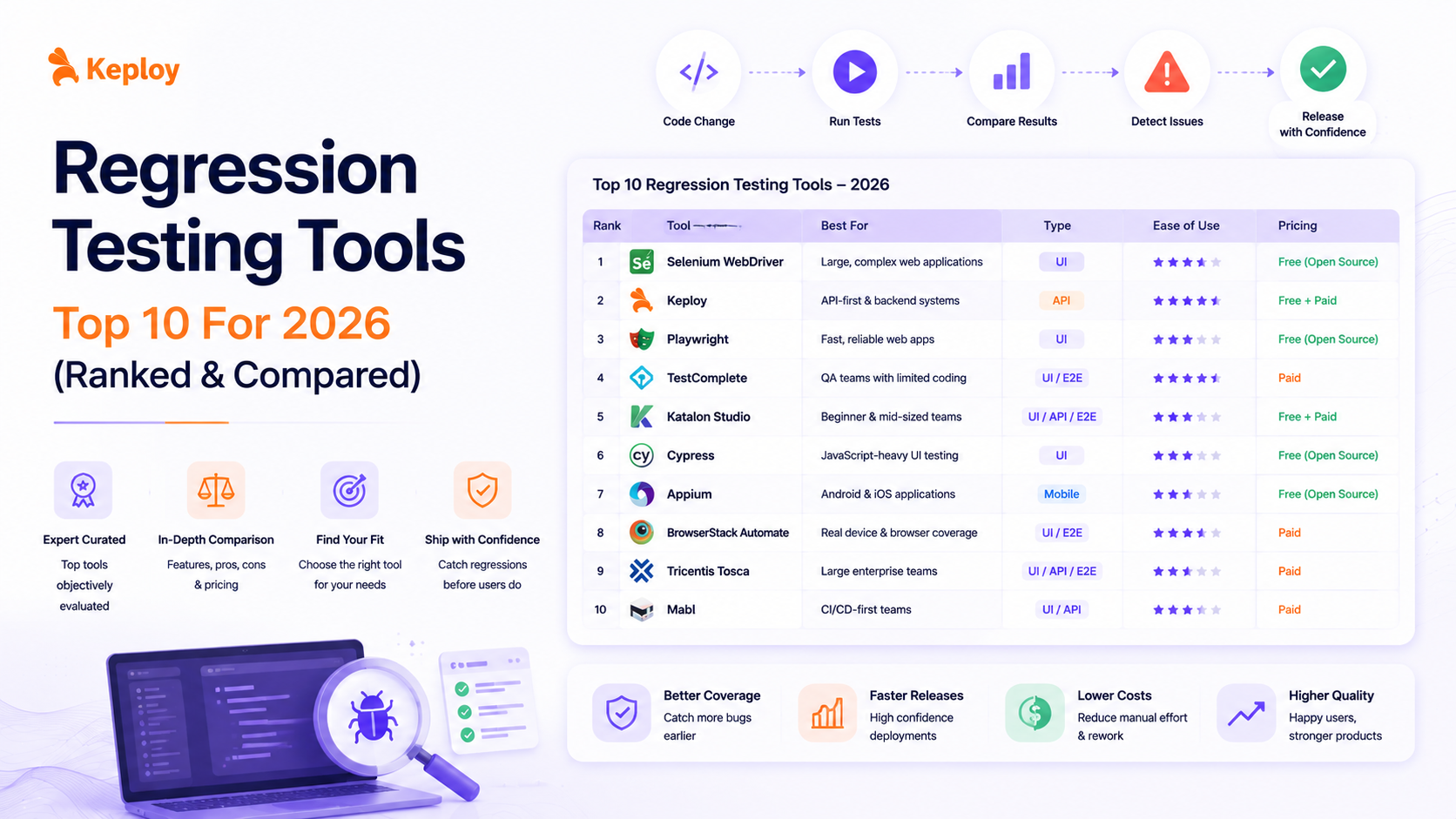
Regression Testing Tools: Top 11 for 2026 (Ranked & Compared)
Regression testing tools are the safety net your software can’t afford to skip. As teams deliver features more quickly than ever before, it is critical to ensure that previously developed features continue to function correctly. That’s where regression testing tools come in. These tools automate repetitive tests, catch bugs introduced by code changes, and integrate…
-
Penetration Testing Services to Strengthen Your Security and Reliability
Modern technology (APIs, Microservices, Cloud Platforms, Mobile Apps) is rapidly changing and becoming a target for attackers as they continue to advance and become more sophisticated. Organizations use penetration testing (a form of ethical hacking) to identify weaknesses in their systems and address them before they can be taken advantage of. Keploy supports organizations’ application…
-
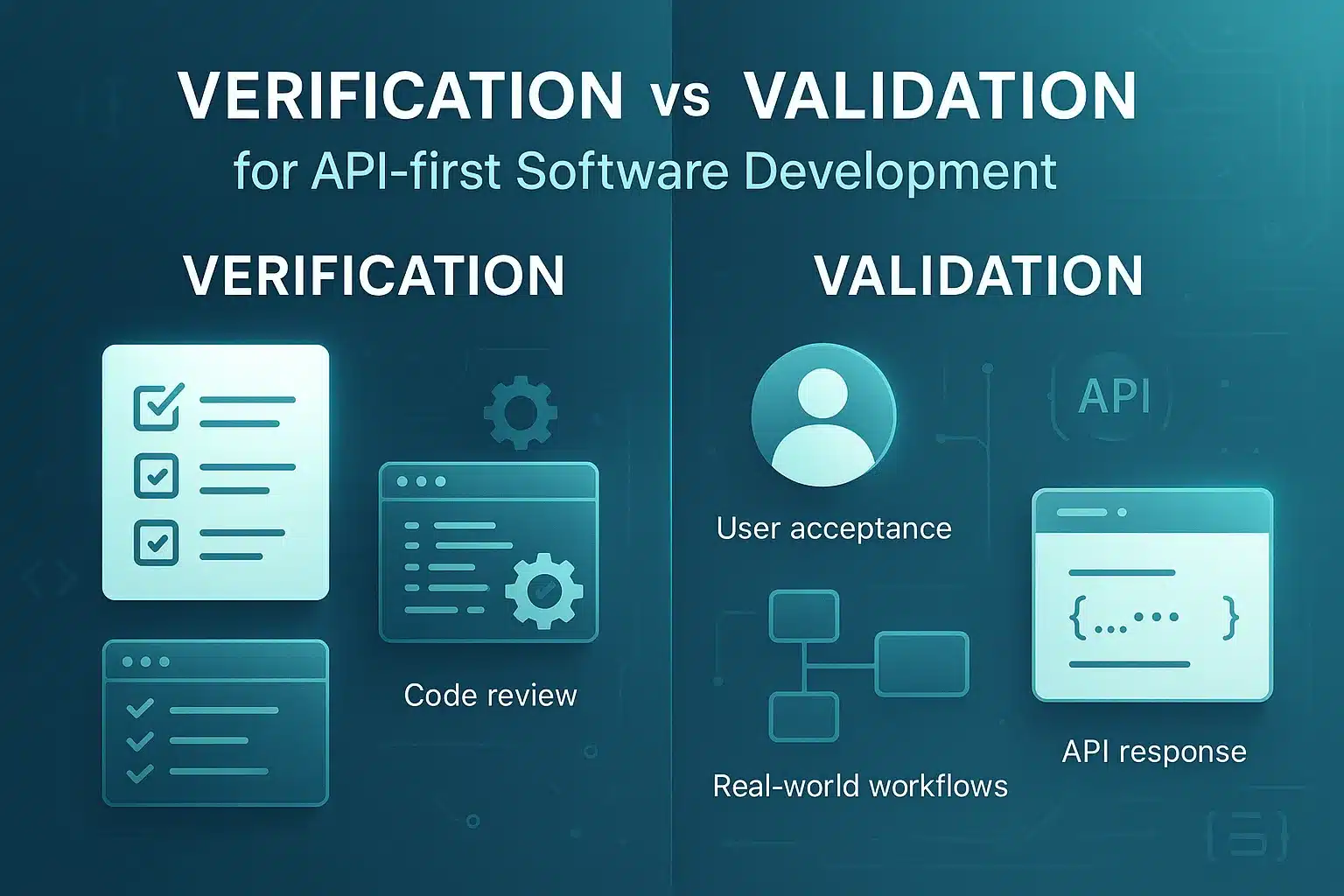
Verification vs Validation in API-first Software Development
It’s easy to create APIs very quickly. However, creating APIs that are reliable when used in challenging distributed systems is much harder. Many development teams are moving quickly to ship features to the market, which has led to the verification vs validation distinction becoming the middle ground between a successful launch and an incident that…
-

What Is Beta Testing? Process, Types, Benefits, and Best Practices
Beta testing is a pre-release phase where a near-final product is given to real users outside the organization to uncover issues in real-world conditions. Following alpha testing, it gathers feedback on usability, bugs, and performance across diverse environments, helping teams validate readiness before a public launch. Today’s software ecosystem consists of various devices, integrations, and…
-
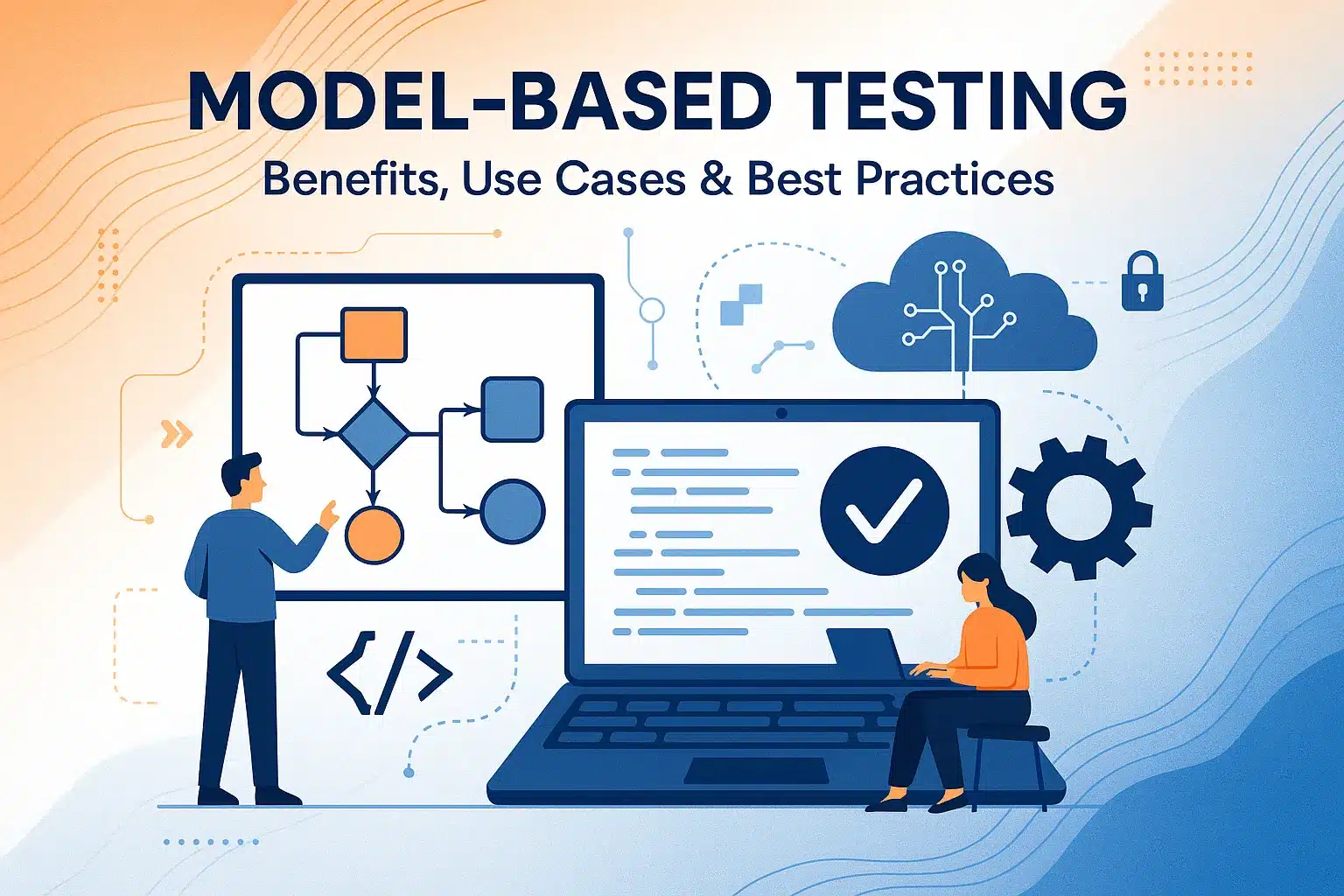
Model Based Testing: Benefits, Use Cases & Best Practices
Model-based testing (MBT) uses visual or mathematical representations of expected system behavior to automatically generate test cases – rather than writing scripts manually. Update the model when requirements change; the tests regenerate automatically. It’s most valuable for systems with complex state transitions and frequently evolving requirements. The limitation: if requirements aren’t stable yet or the…
-
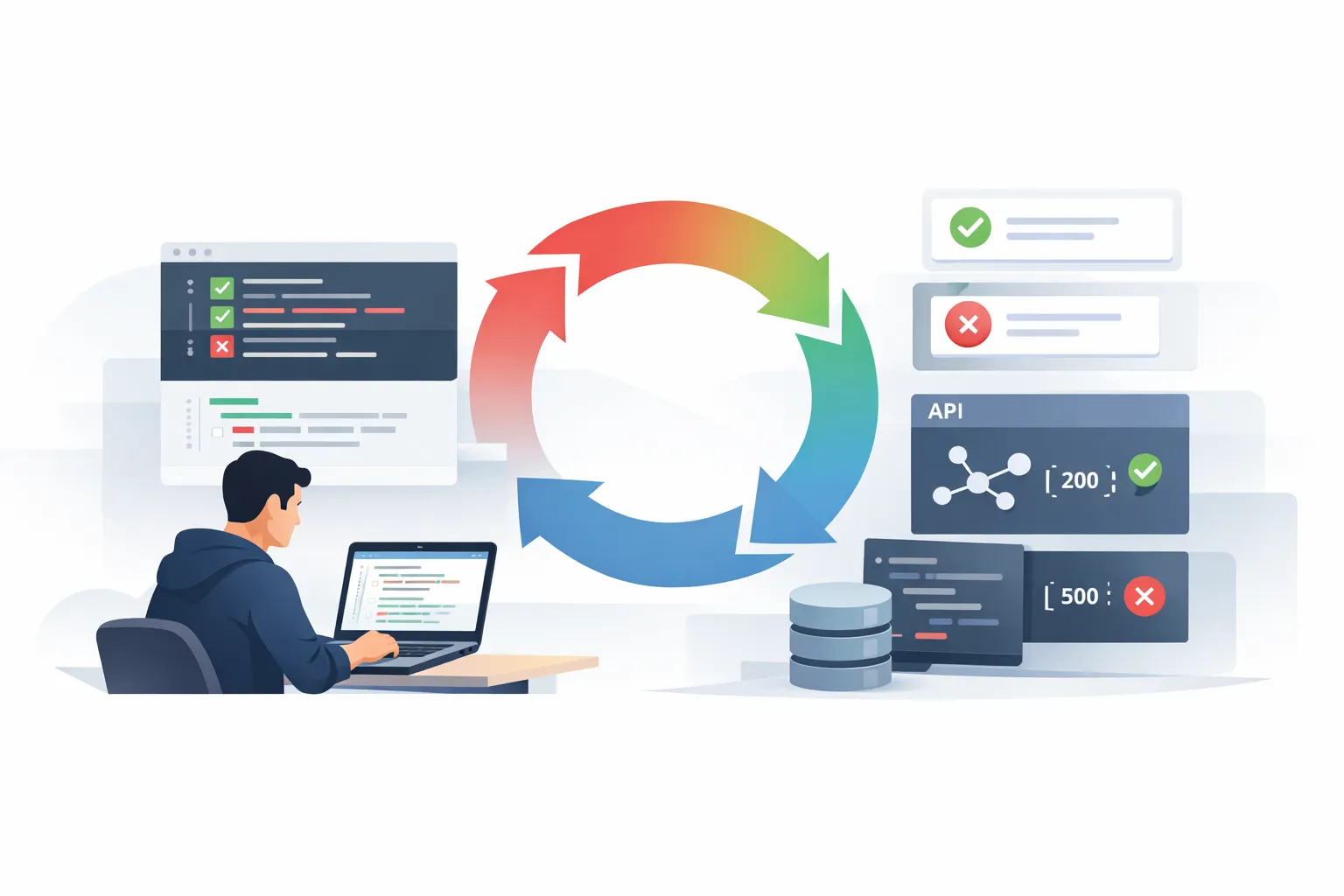
What Is TDD? A Complete Guide to Test Driven Development
Modern software development moves fast. Delivering bug free code is no longer just a goal. It is a requirement. But how do you ensure your code works before you even finish writing it? The answer is TDD, or Test Driven Development. In this guide, we will answer what is TDD, explore how it transforms the…
-
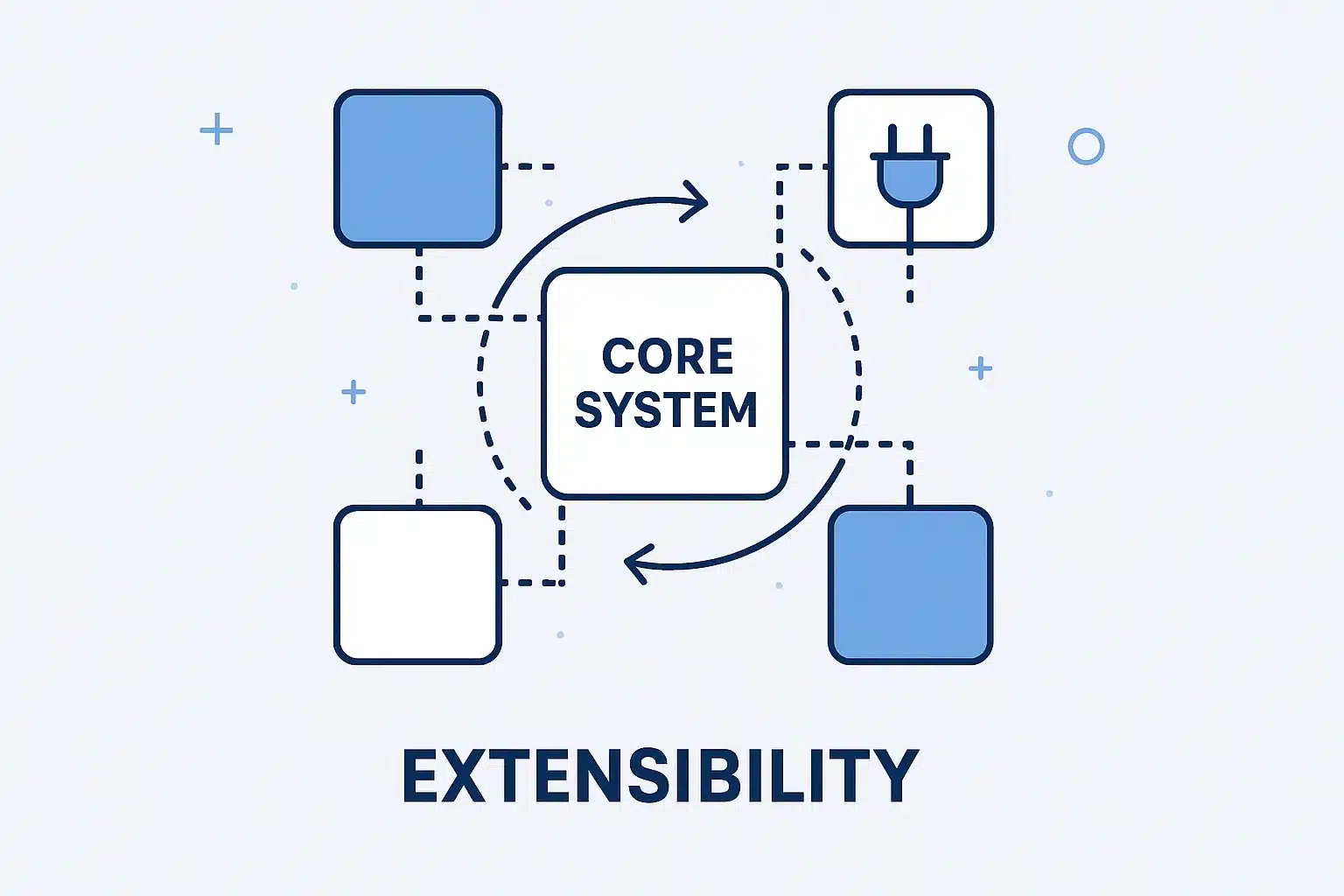
What Does Extensible Mean? A Complete Guide with Examples and Use Cases
Extensibility is conceptually found in the areas of technology (such as Software Development) and System Design. The term extensibility may seem abstract to someone with no previous background in the field; in particular, when you hear phrases like: “Extensible Software”, “Extensible Architecture”, “Extensible API” or “Extensible Testing Tools”, it could be difficult to understand exactly…