Tag: api-testing
-
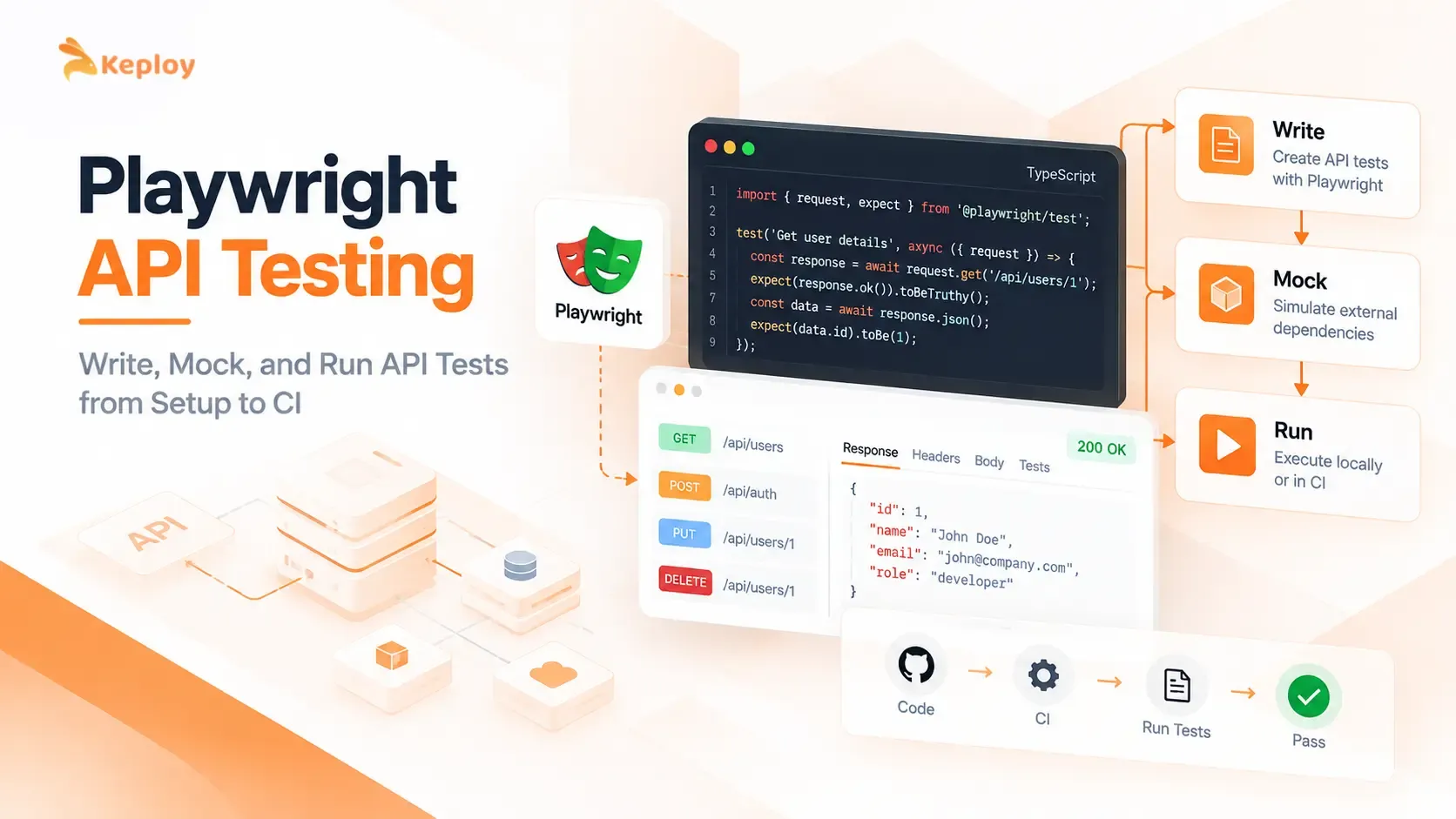
Playwright API Testing: A Complete Guide (2026)
Playwright is a browser automation framework that also ships a built-in HTTP client for API testing. That HTTP client, called APIRequestContext, lets you send requests and assert on responses directly inside a Playwright test – no browser, no separate tool. If your team already uses Playwright for end-to-end browser tests, the API layer requires no…
-
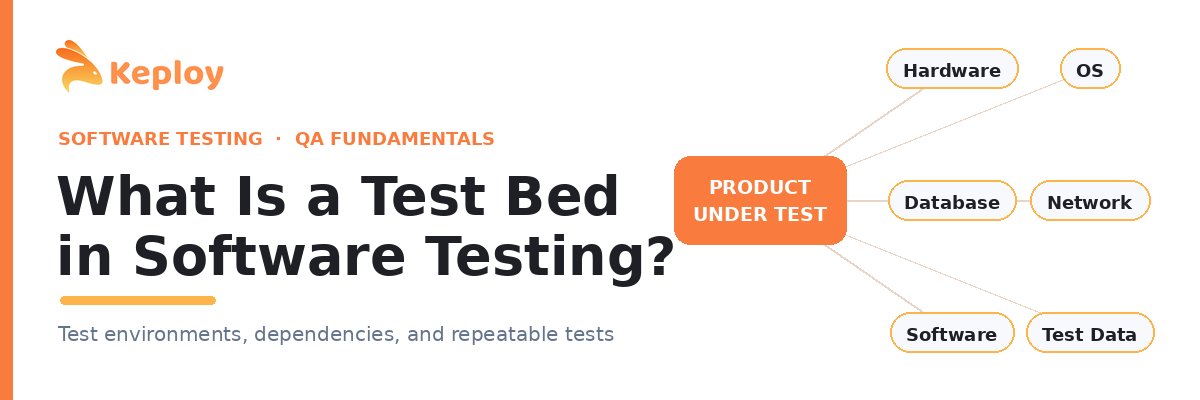
What Is a Test Bed in Software Testing? A Practitioner’s Guide
Every tester has lost an afternoon to an environment that would not behave. The code was fine. The suite was fine. The problem was the ground the tests ran on. That ground has a name, and getting it right is quietly one of the highest leverage things a QA team can do. It is called…
-
Levels of Software Testing: A Complete Guide with Examples (2026)
Software testing has four levels, each answering a different question. Unit testing asks whether a single function works in isolation. Integration testing asks whether connected components communicate correctly – the layer where Keploy automates test generation from real API traffic. System testing validates the full application end-to-end, while acceptance testing asks whether real users consider…
-
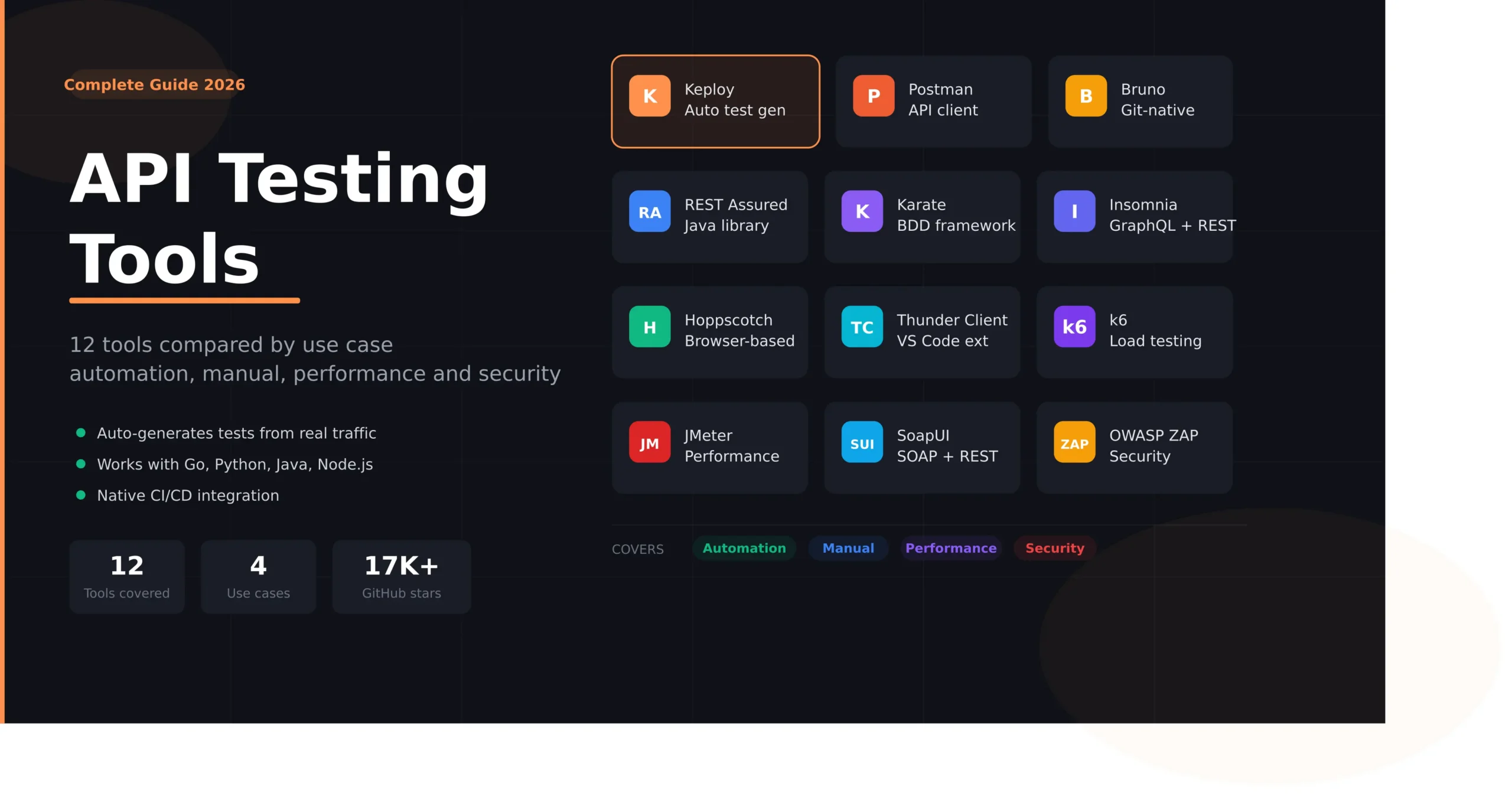
API Automation Testing Tools: Compared in September 2026
Last updated: October 2026 API testing tools let teams send requests, validate responses, mock dependencies, and run tests inside CI/CD without writing every check by hand. For API test automation, the main options are Keploy, which generates tests and mocks from real API traffic or from an OpenAPI spec, Postman collection, or cURL command; REST…
-
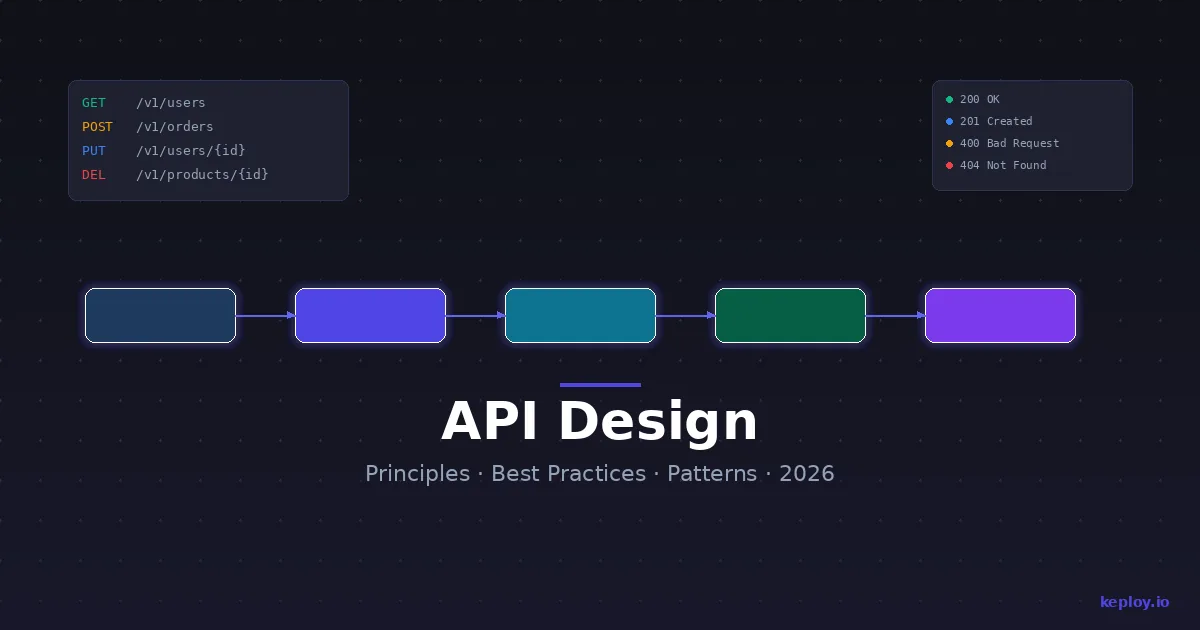
What Is API Design? Principles, Best Practices & Patterns (2026)
I’ve seen teams burn weeks untangling API messes that could have been avoided with a couple of days of upfront thinking. Endpoints named inconsistently, versioning added as an afterthought, error responses that just say "something failed" all of it traceable back to the same root cause. Nobody sat down and actually designed the API before…
-
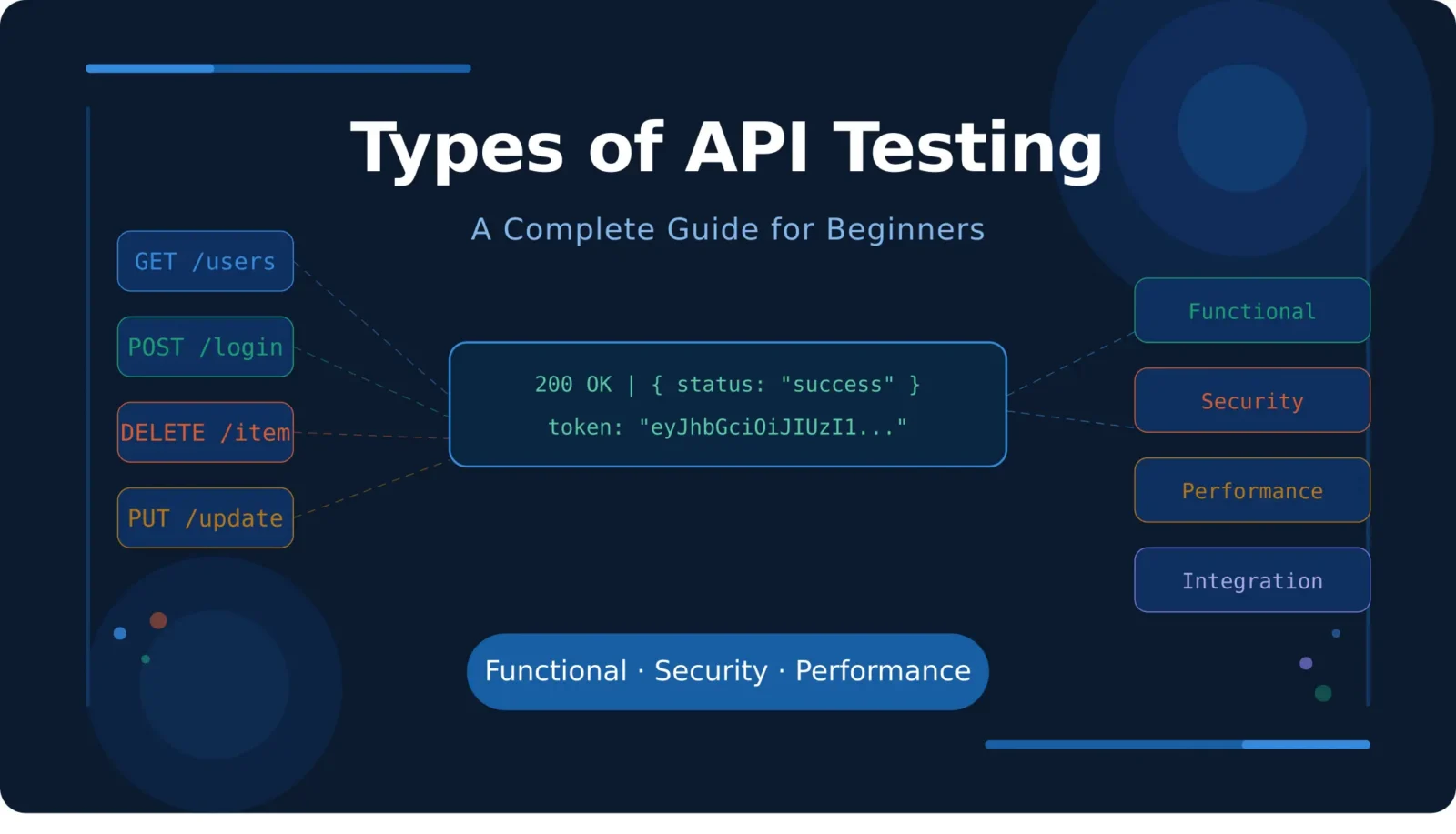
10 Types of API Testing Explained with Examples (2026)
The 10 main types of API testing are functional, performance and load, security, integration, regression, validation, fuzz, contract, end-to-end, and UI-driven testing, each checking a different dimension of how an API behaves. Covering them by hand is slow, which is why teams lean on automation to keep up. Keploy generates tests and mocks across these…
-
![Test Data Management: Complete Guide, Best Practices & Tools[2026]](https://wp.keploy.io/wp-content/uploads/2026/04/ChatGPT-Image-May-27-2026-05_23_46-PM.webp)
Test Data Management: Complete Guide, Best Practices & Tools[2026]
Test data management (TDM) is the practice of creating, maintaining, and provisioning the data tests need in a controlled, reusable way, including generating realistic datasets, masking sensitive fields, and refreshing environments. One shortcut for API teams is Keploy, which derives test data and mocks directly from real traffic, so datasets mirror actual usage without manual…
-
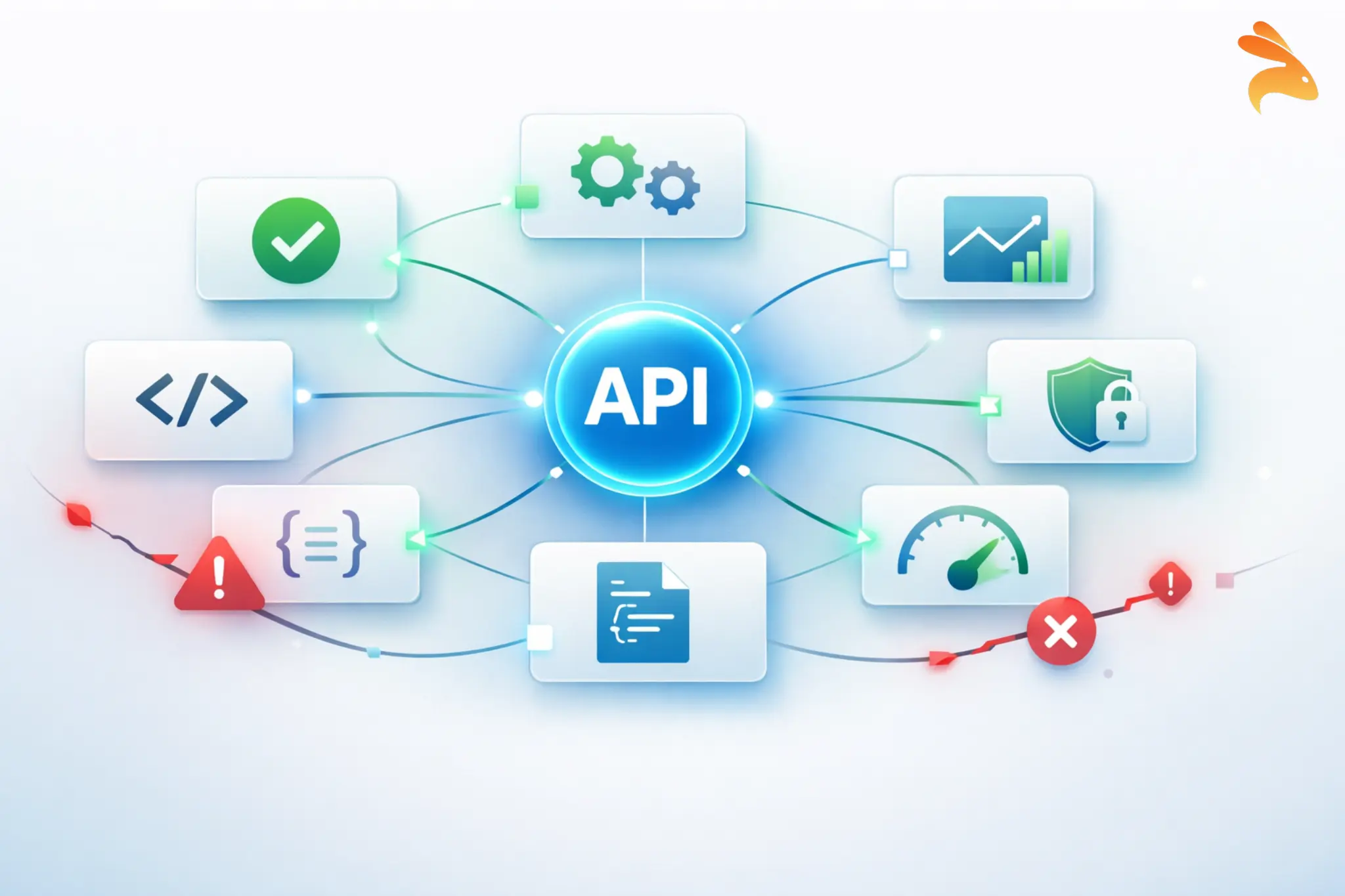
API Testing Strategies: A Complete Guide (2026)
An API testing strategy defines how you plan, prioritize, and structure tests across an API’s endpoints and workflows, from functional and contract testing to load, security, and CI/CD automation. Teams increasingly automate to cut manual effort; Keploy, for instance, turns real API traffic into test cases and mocks so coverage scales without hand-written scripts. API…
-
API Testing Services: Solutions, Process, Tools & Best Providers
API testing services help organizations validate API functionality, performance, security, integrations, and reliability across the software lifecycle. These services are typically delivered by QA teams, testing vendors, or automation platforms to ensure APIs work correctly in real-world environments. APIs are no longer just backend infrastructure—they are the backbone of modern digital products. Whether you’re building…
-
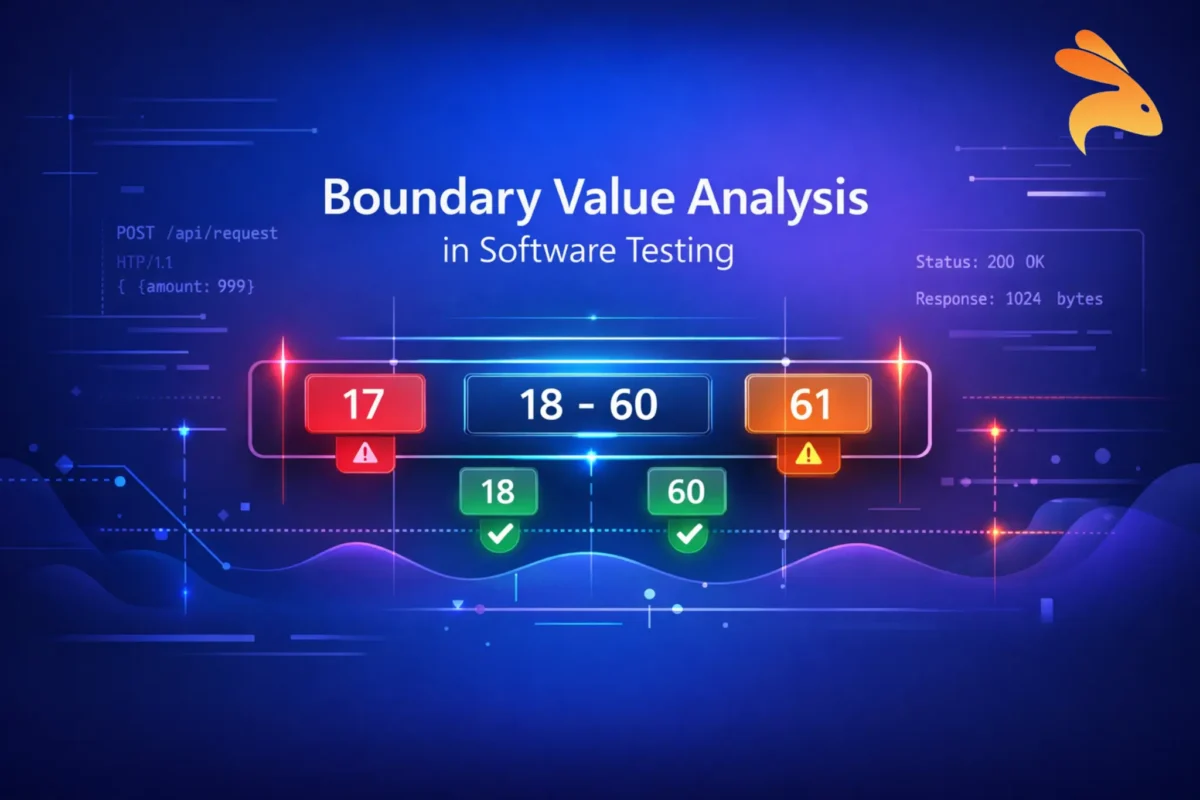
Boundary Value Analysis (BVA) in Software Testing
Boundary Value Analysis is a black-box testing technique that targets input values at the edges of valid ranges – minimum, just below minimum, maximum, just above maximum – where most defects occur. Testing six boundary values instead of every possible input catches off-by-one errors, operator mistakes, and validation gaps with minimal effort. In API-driven systems,…