Tag: quality-assurance
-
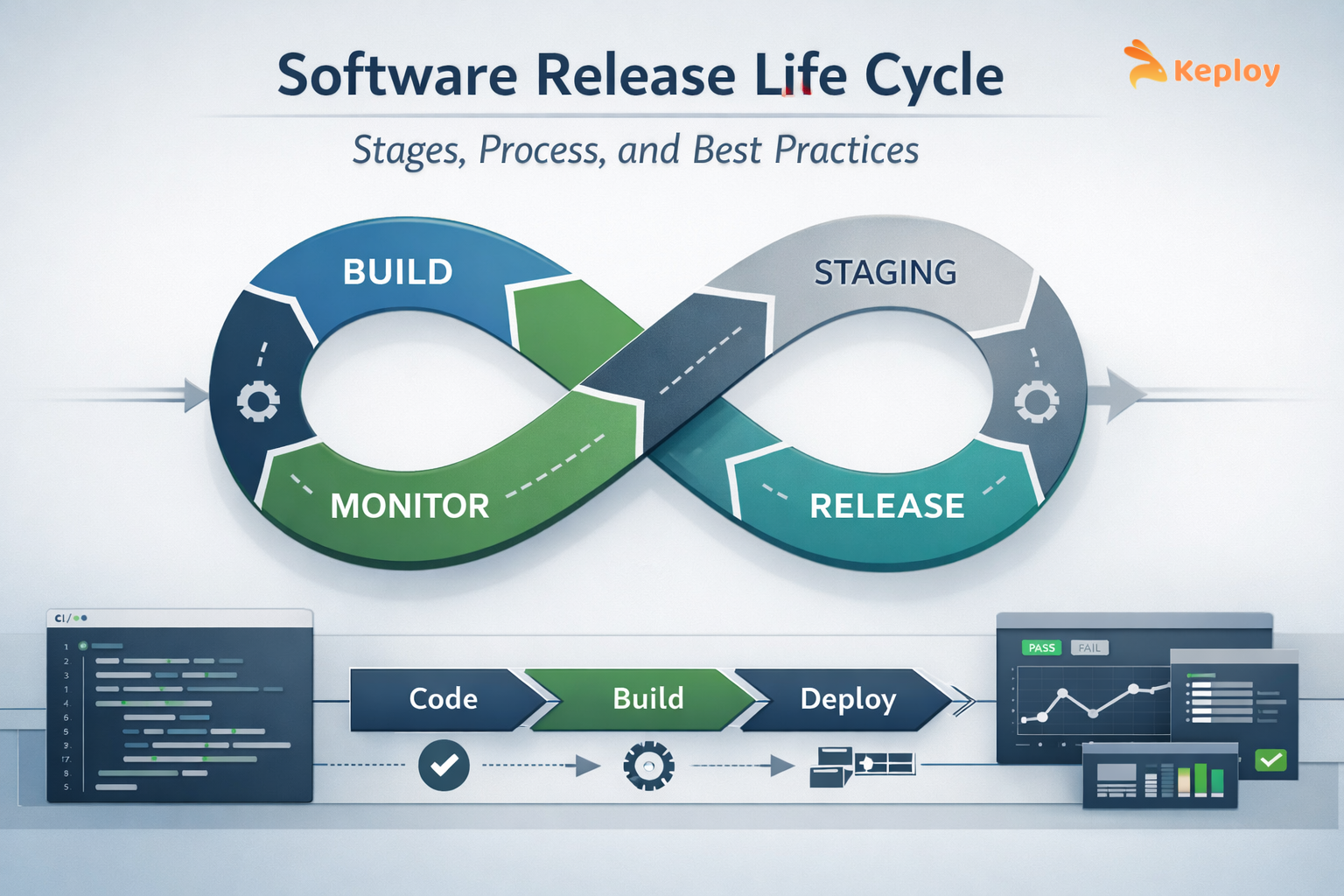
Software Release Life Cycle: Stages, Process, and Best Practices
The software release life cycle (SRLC) is where most engineering failures begin. Not because of bad code, but because of a broken release process. In modern environments, applications run across APIs, microservices, and cloud infrastructure, where even small changes can ripple far. A well-defined release cycle – with clear stages, automated validation checkpoints, and rollback…
-
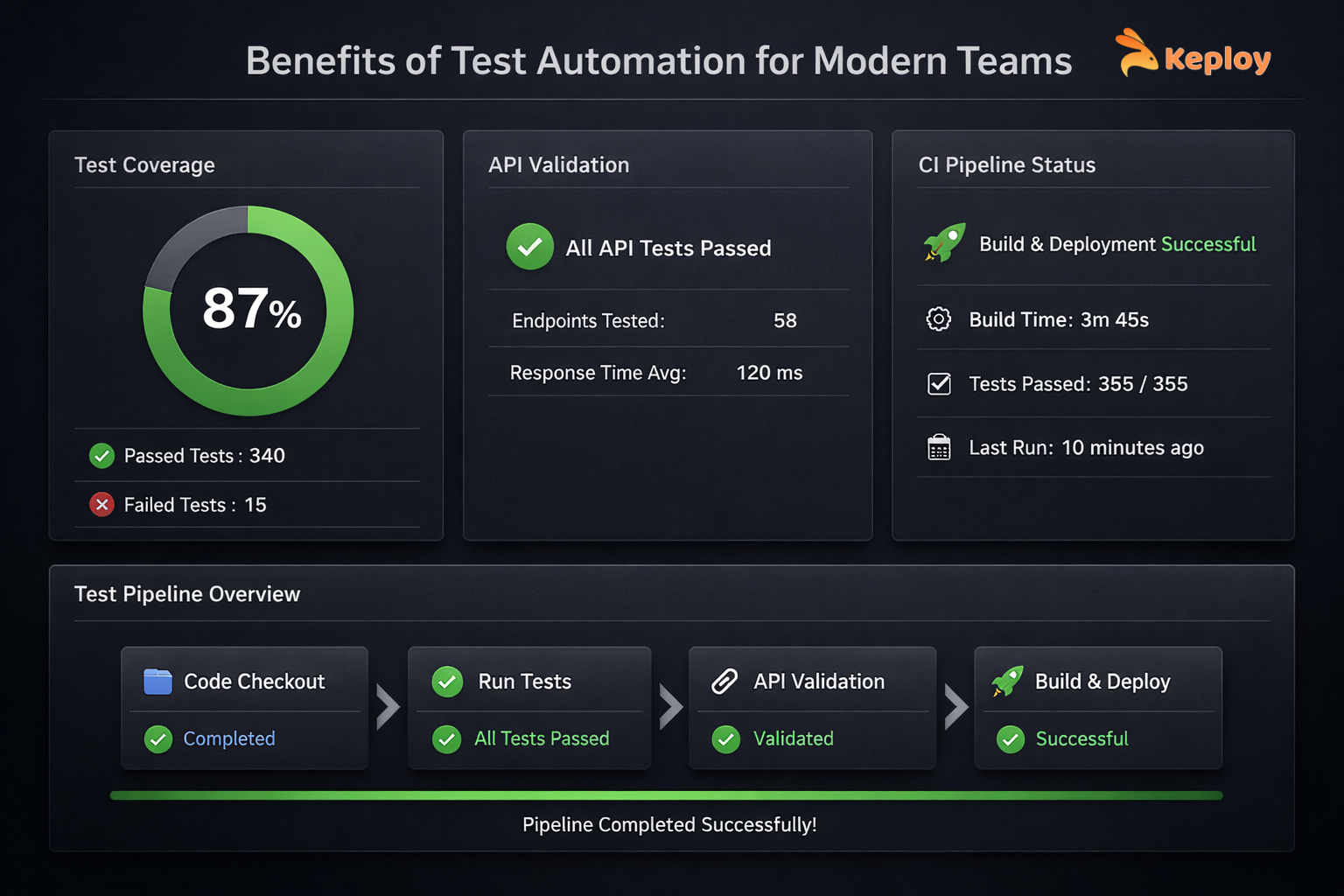
Benefits of Test Automation That Improve Release Confidence
The benefits of test automation become clear when software teams start releasing faster than they can manually test. Many engineering teams today face the same challenge: delivery speed is increasing, but validating every change manually takes too long. Test automation helps solve this by running tests quickly, catching bugs earlier, and reducing repetitive manual work…
-
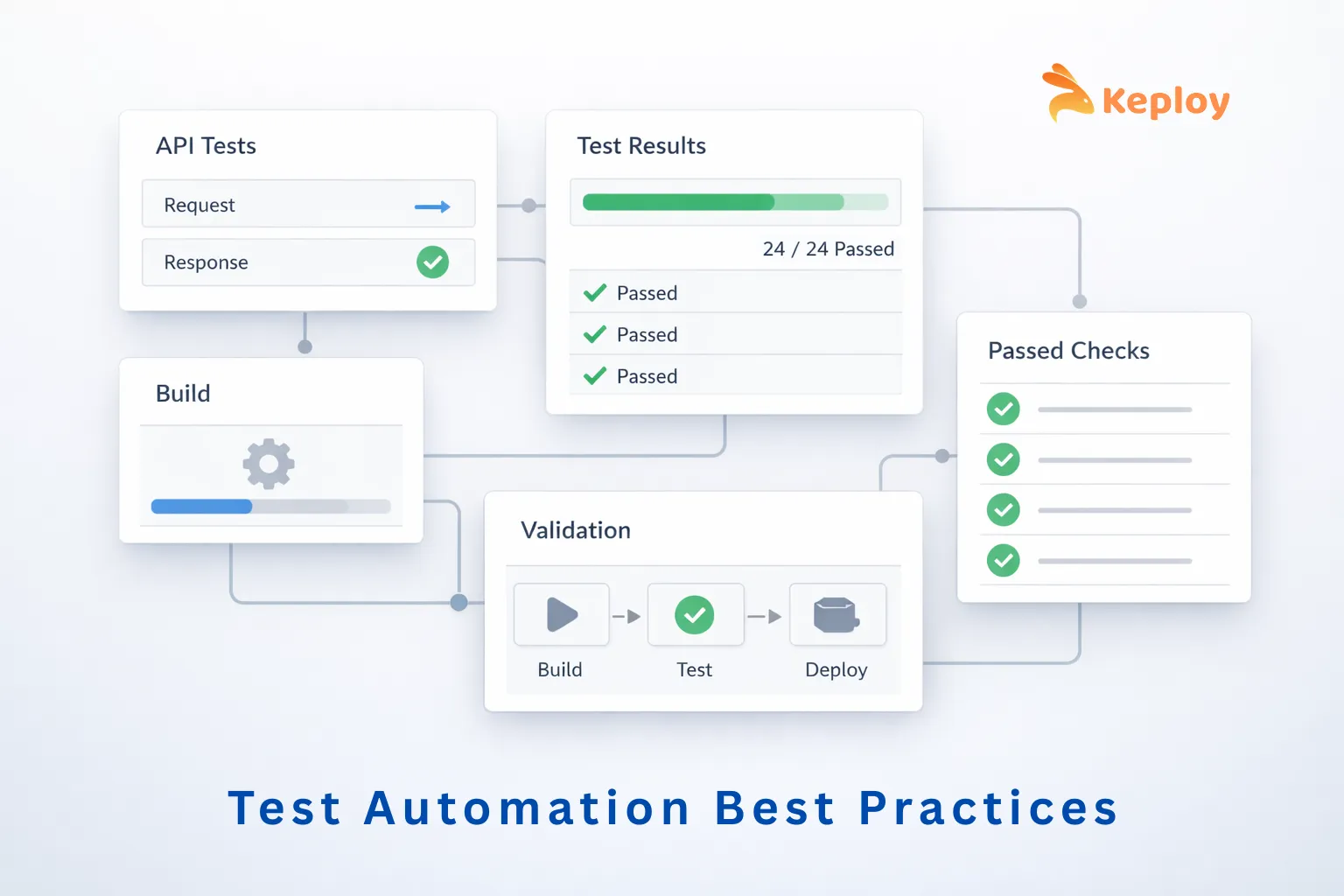
Top Test Automation Best Practices Every Team Should Follow
Test automation has become an essential part of modern software development. In 2026, shipping fast without reliable test automation is almost impossible. Done right, it ensures consistent quality, faster feedback, and fewer production incidents. This guide covers practical test automation best practices used by real engineering teams to deliver measurable results. Benefits of Test Automation…
-
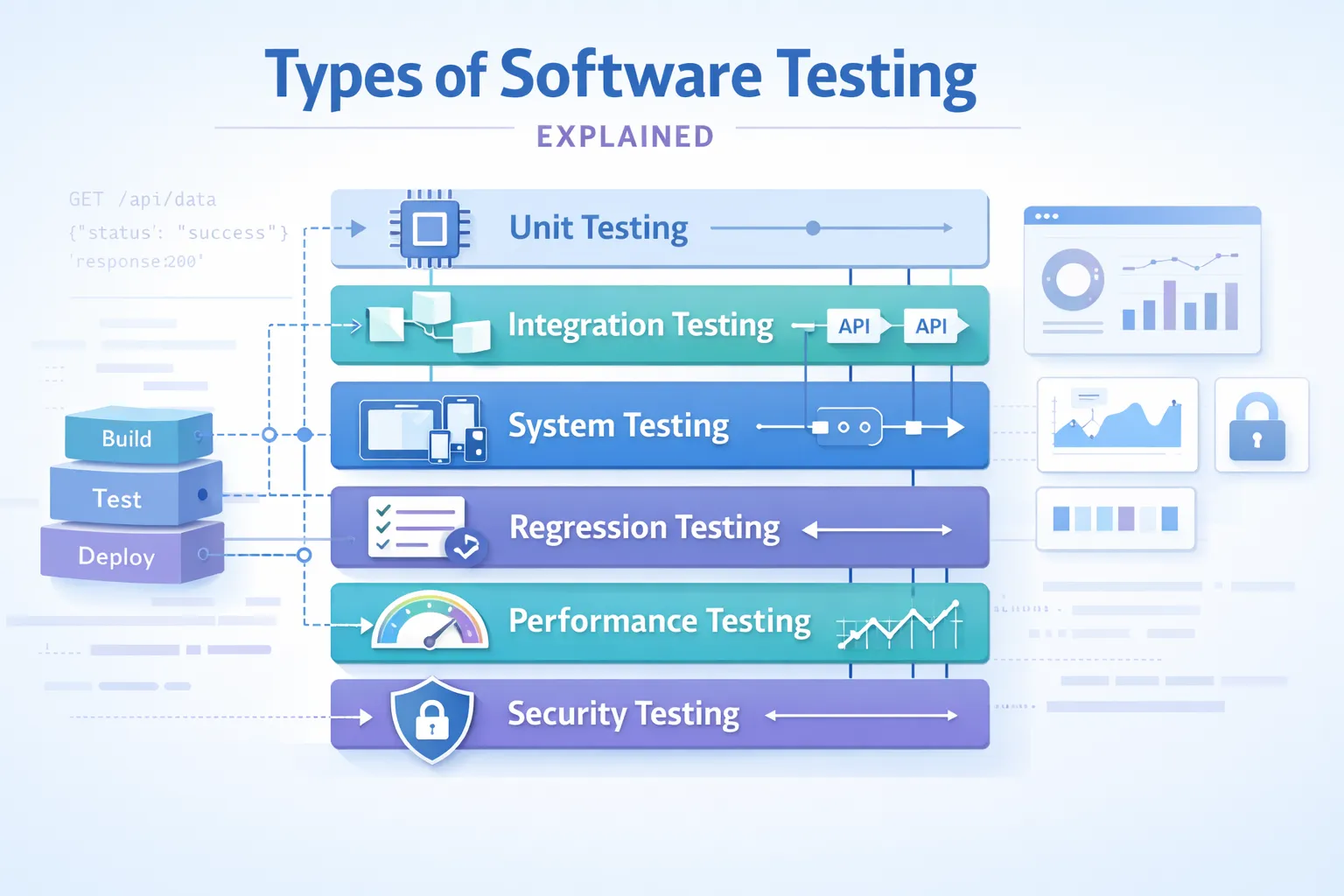
Types of Software Testing: A Comprehensive Guide (2026)
The types of software testing define how modern systems maintain stability, performance, and security in fast release cycles. In 2026, software is API-driven and continuously deployed, so testing is no longer a final step – it is embedded across the development lifecycle. Key Takeaway: Software testing spans multiple levels — unit, integration, system, and acceptance…
-
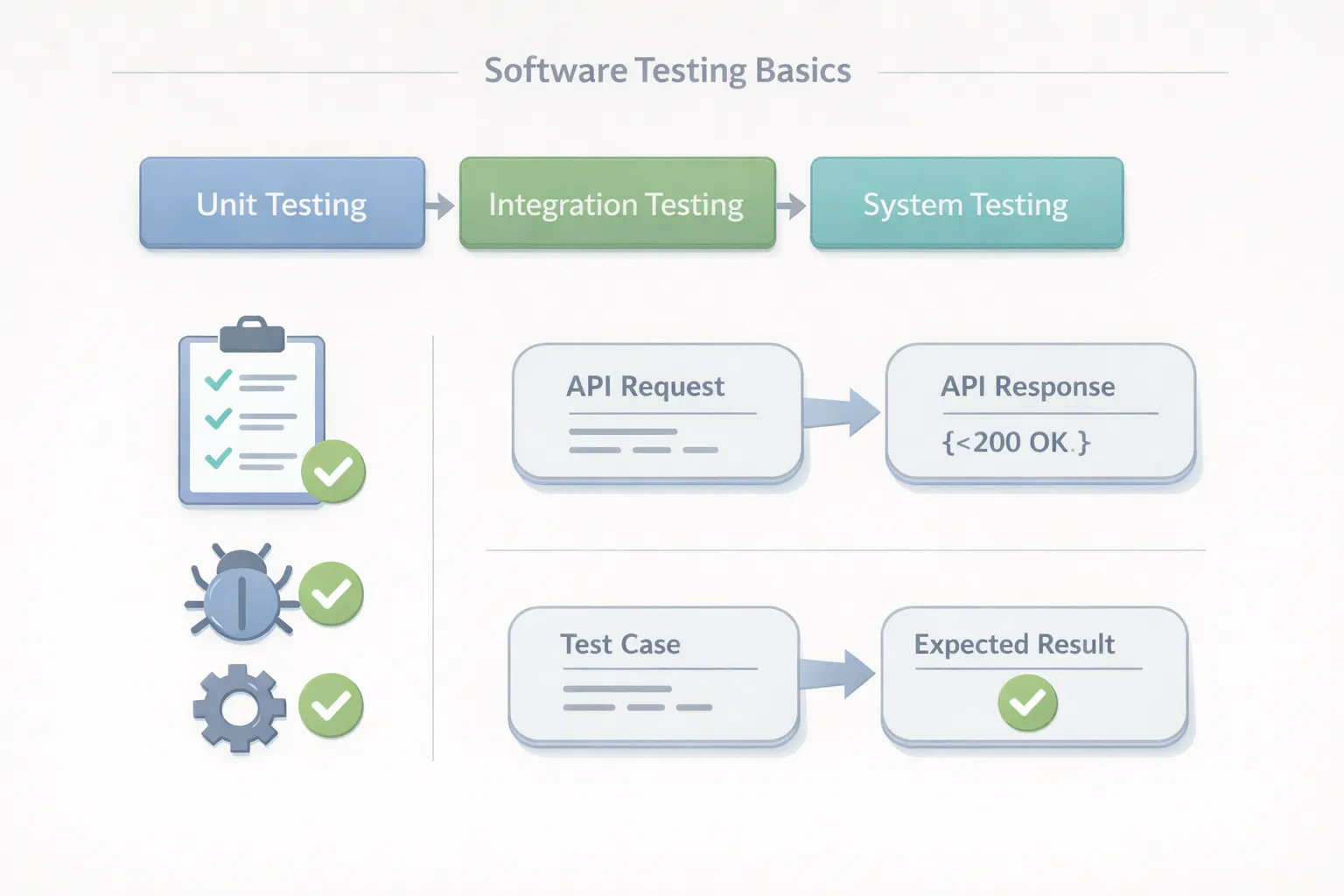
Software Testing Basics: Types, Levels & Techniques (2026)
Release day gets tense when a test suite can’t answer one simple question: are we safe to ship? In the conversations I have with engineering and QA teams, the same pattern shows up again and again – confusion in the basics creates chaos later. That’s why software testing basics matter: they turn testing from “random…
-
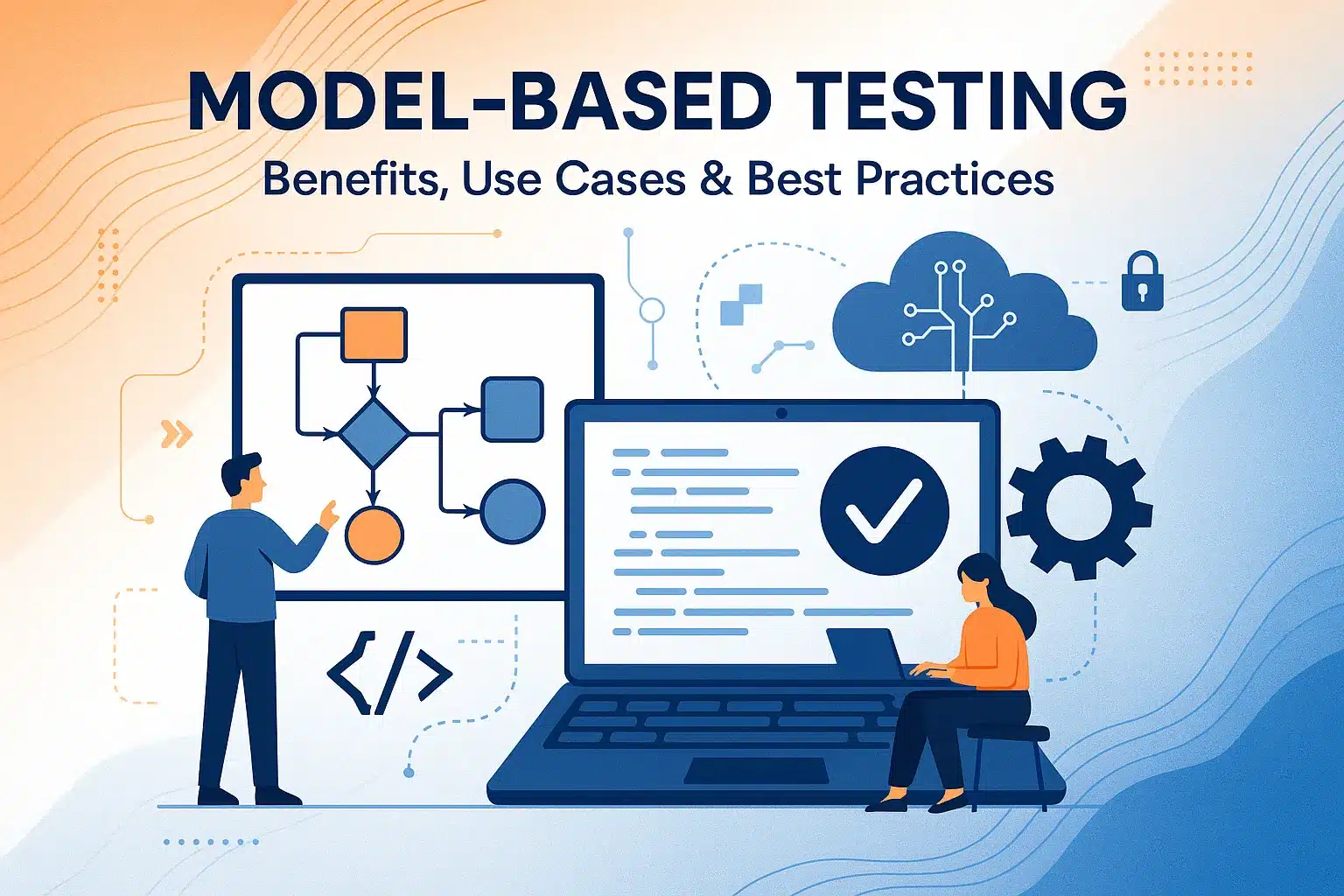
Model Based Testing: Benefits, Use Cases & Best Practices
Model-based testing (MBT) has changed how companies develop automation for testing modern software. Every digital experience we use, from booking a cab to transferring money, relies on dynamic systems that evolve rapidly. Traditional testing approaches struggle to keep up: manual test scripts break when functionality changes, automated suites require continuous maintenance to remain effective, and…
-

How to Build an Automation Framework for API First Testing
As modern applications grow more complex and API-driven, maintaining test stability becomes increasingly challenging. Many QA teams struggle to manage scattered test scripts and inconsistent environments, leading to inefficiency and missed defects. The real solution lies in adopting a structured automation framework that brings order, scalability, and speed to the testing process. In an API-first…
-
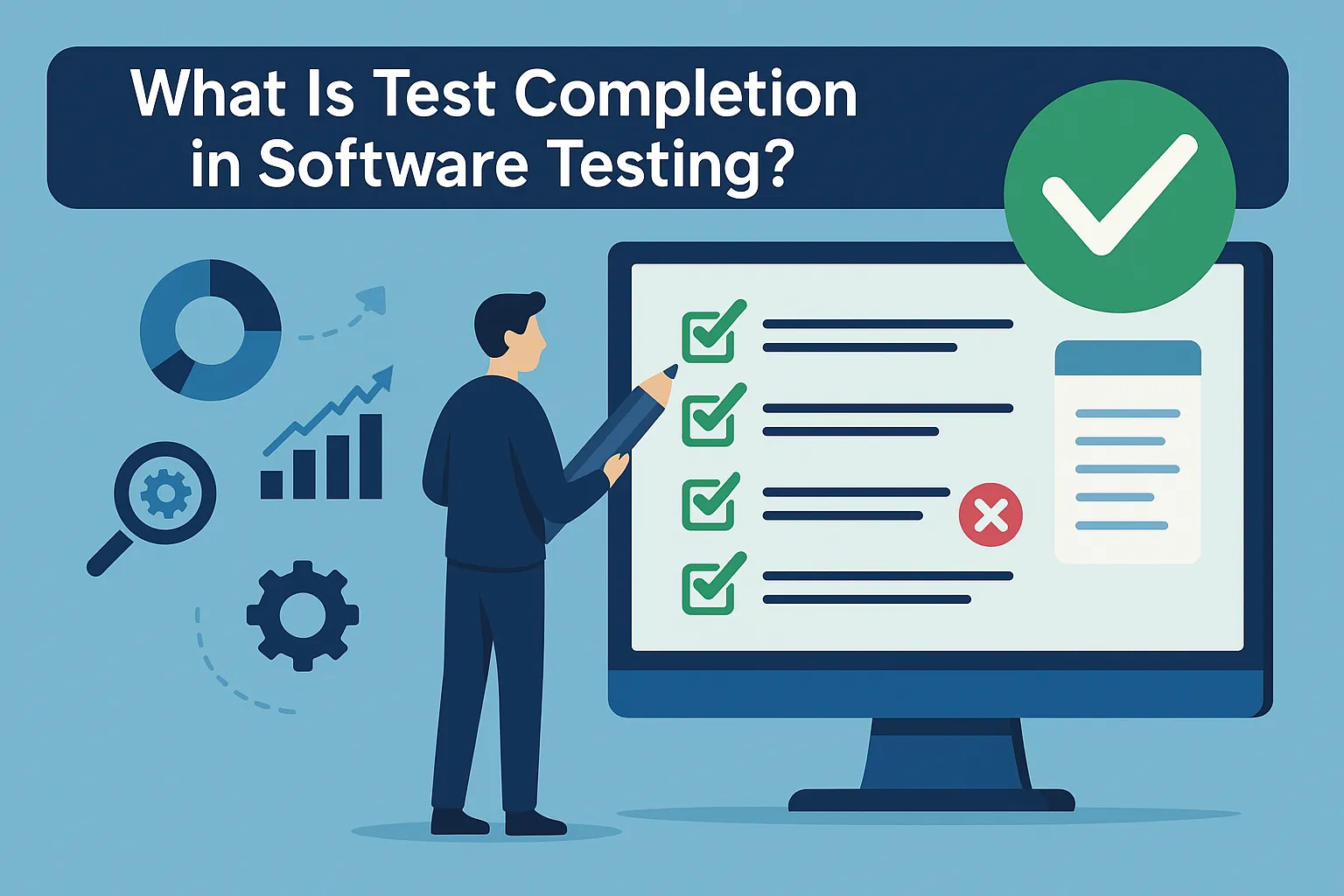
What Is Test Completion in Software Testing?
When can a team truthfully say “testing is done”? Have you ever shipped with doubts about whether enough testing actually happened? That hesitation is costly: escaped bugs, hotfixes, and lost customer trust. Test completion answers that question with objective evidence – not just opinions. This blog explains how to define, measure, and document test completion…
-
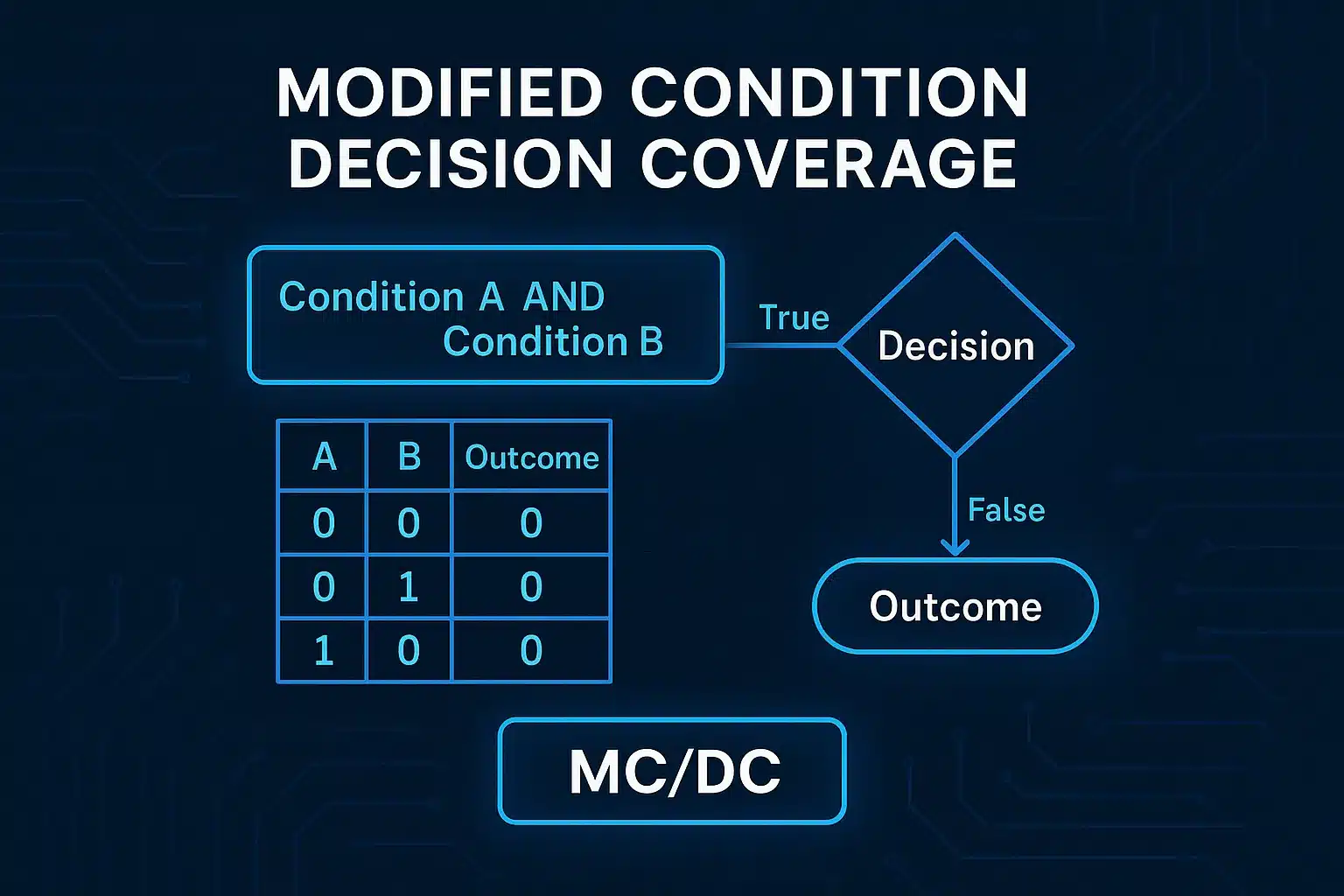
Modified Condition Decision Coverage (MC/DC) Explained
What if a single, untriggered logical flaw could compromise an autonomous vehicle’s braking system or ground a commercial airliner? The stakes are unbelievably high with safety-critical software. Traditional code coverage metrics, however, often fail to test the subtle, complex dependencies within a single decision. Key Takeaway: Modified Condition/Decision Coverage (MC/DC) ensures each condition in a…
-
Software Quality Assurance Services: A Complete Guide
In today’s fast-paced digital environment, software quality assurance services are no longer a choice in the development process; they are a requirement. SQA is not simply about identifying bugs; it is about preventing defects before they occur and making sure that software consistently delivers a great user experience. This blog will examine what Software Quality…