Tag: regression-testing
-
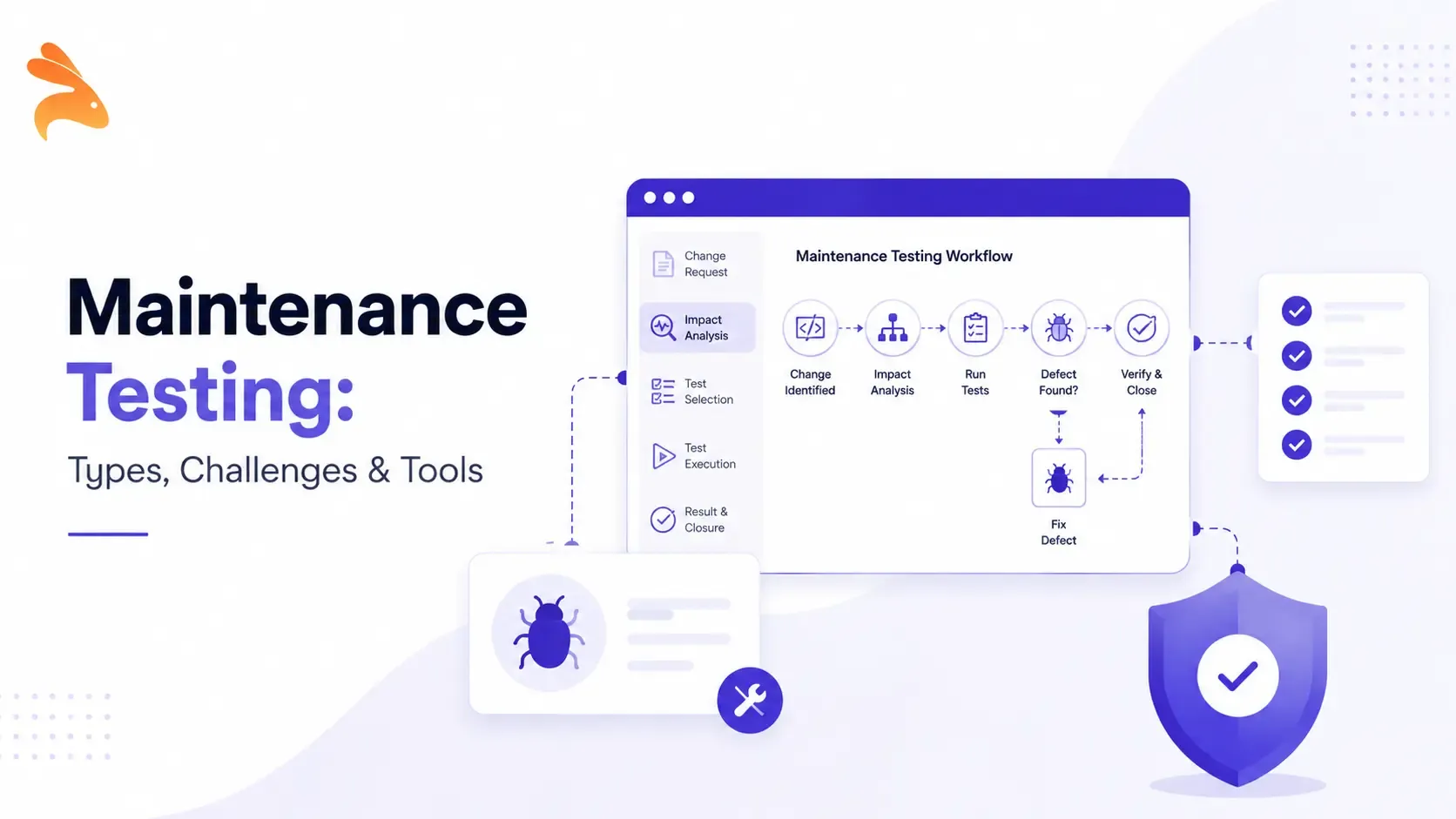
Maintenance Testing: Types, Challenges & Tools (2026)
Last month, a two-line bug fix took down three unrelated features in a colleague’s app. The fix itself was correct — it patched a null check on a checkout API. Nobody re-ran the tests for the inventory service that depended on it, and by Monday, support tickets were stacking up. That gap is exactly what…
-
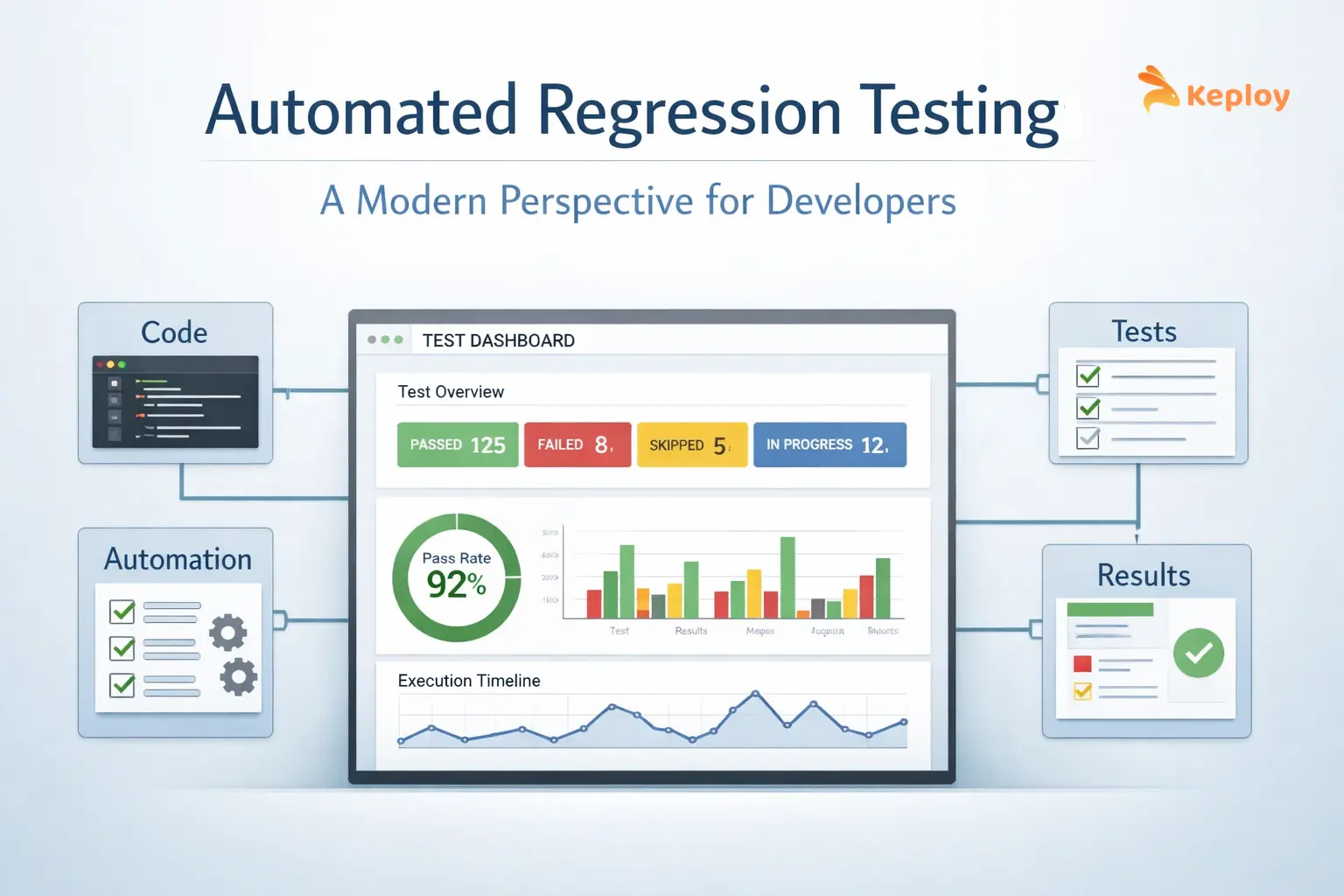
Automated Regression Testing: A Complete Guide (2026)
Automated regression testing re-runs previously validated test cases after every code change to confirm existing functionality hasn’t broken. The real challenge isn’t running more tests – it’s running the right ones efficiently in CI. With AI coding tools accelerating code output, suites need to grow at the same pace. Keploy addresses this by generating regression…
-
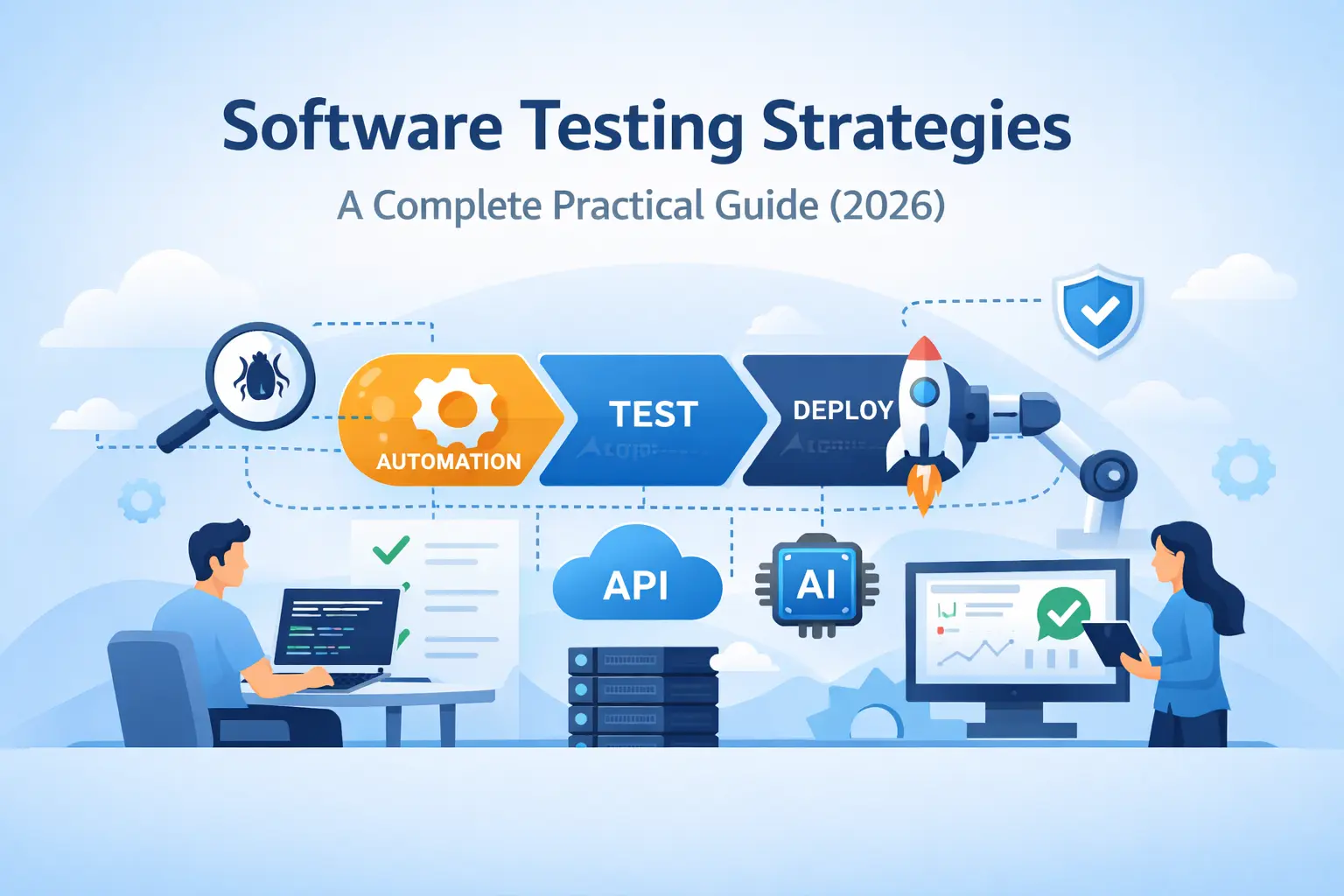
Software Testing Strategies: Types, Examples, and Best Practices for Dev Teams
A software testing strategy defines how, when, and what to test across a project, spanning test levels, functional and non-functional types, and approaches like automation, risk-based, and shift-left testing. Within the automation piece, Keploy reduces manual effort on API and integration tests by generating both the tests and their mocks from real traffic. Software testing…
-
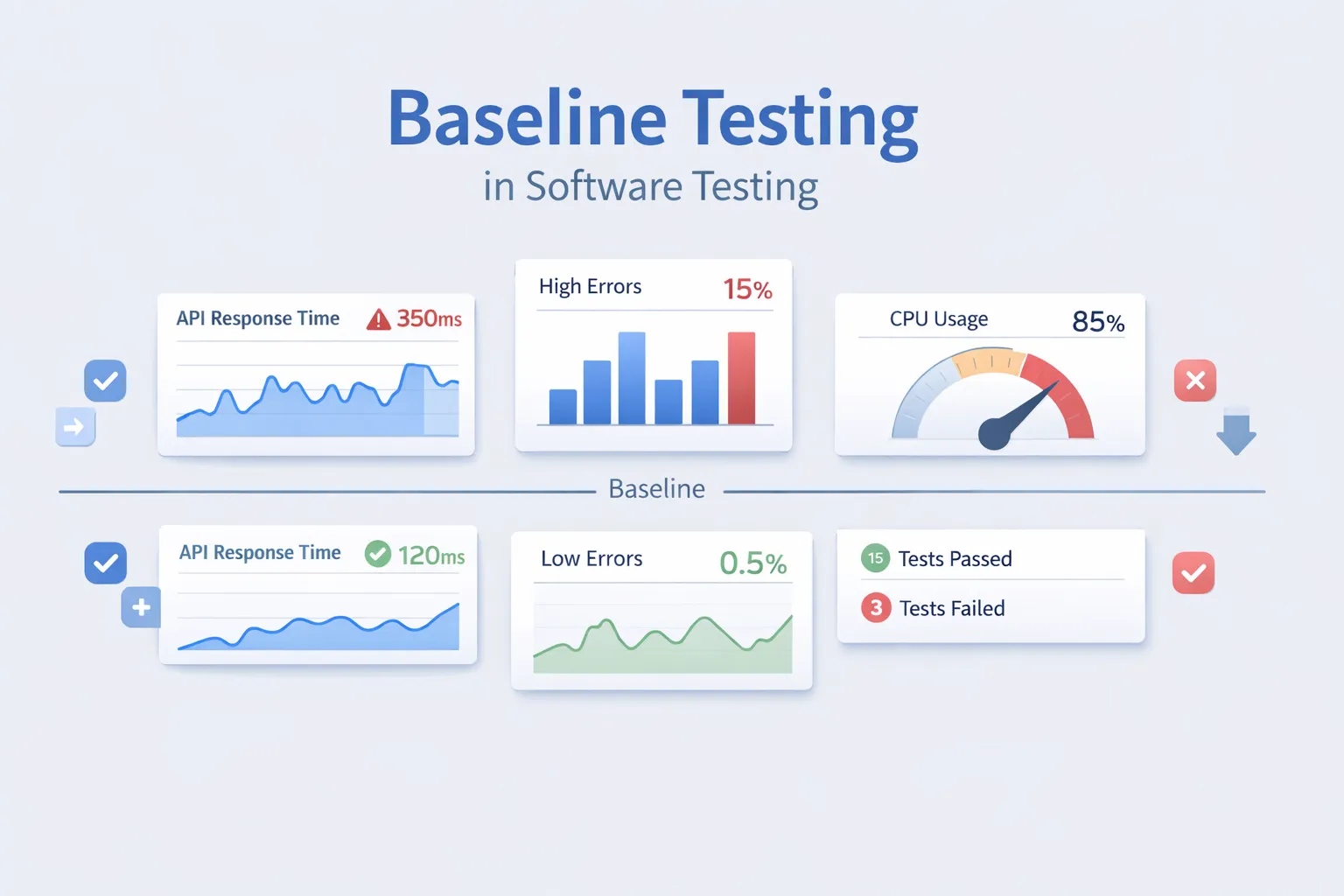
What Is Baseline Testing? Meaning, Examples & Use Cases (2026)
Baseline testing compares current test results against an approved reference from a previously validated version – not to find bugs in isolation, but to detect whether something changed unexpectedly. The most reliable approach is record-replay: capture real application behavior from a working version, then replay against each new release in CI. Keploy applies this directly…
-
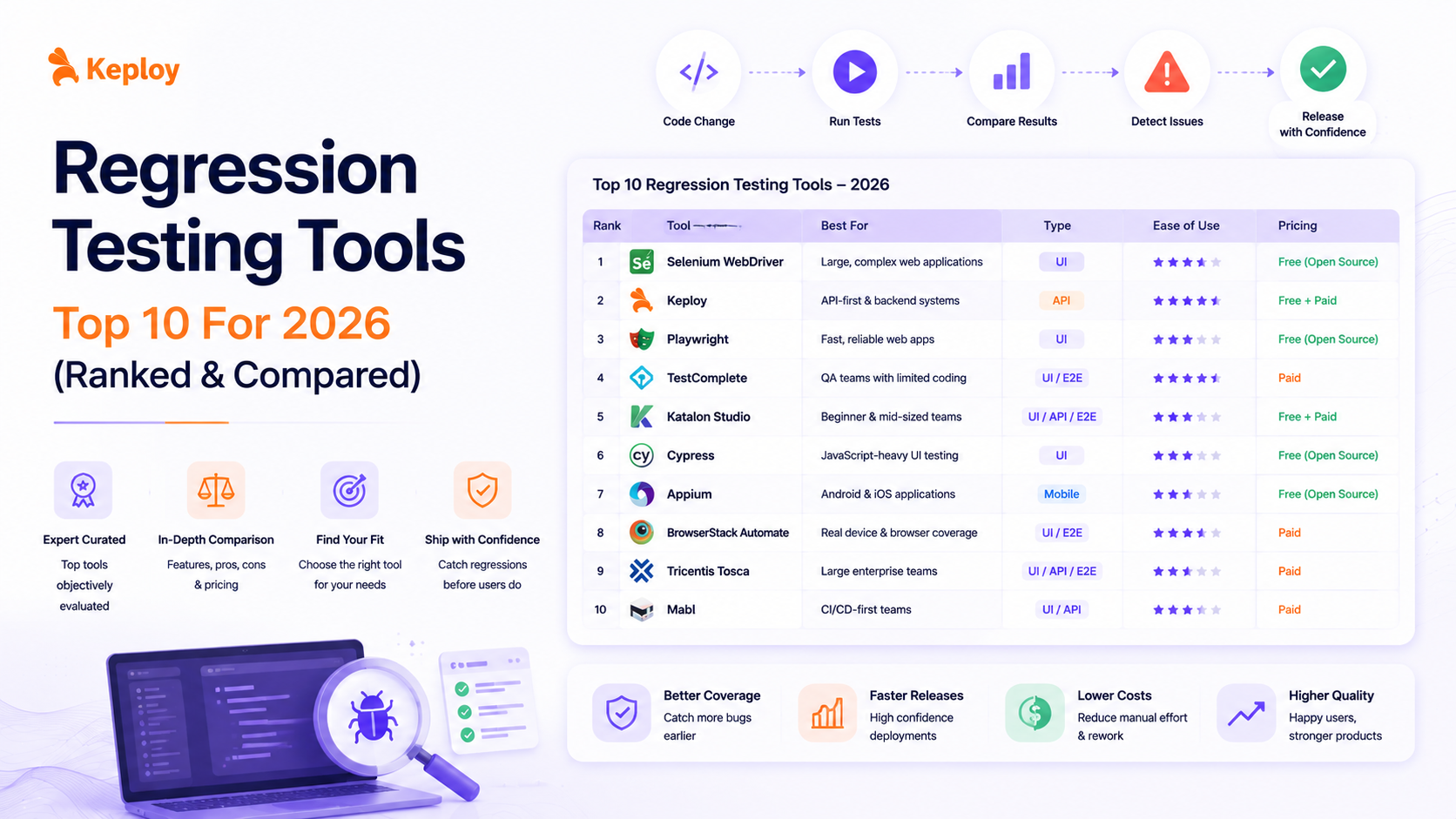
Regression Testing Tools: Top 11 for 2026 (Ranked & Compared)
Regression testing tools are the safety net your software can’t afford to skip. As teams deliver features more quickly than ever before, it is critical to ensure that previously developed features continue to function correctly. That’s where regression testing tools come in. These tools automate repetitive tests, catch bugs introduced by code changes, and integrate…
-
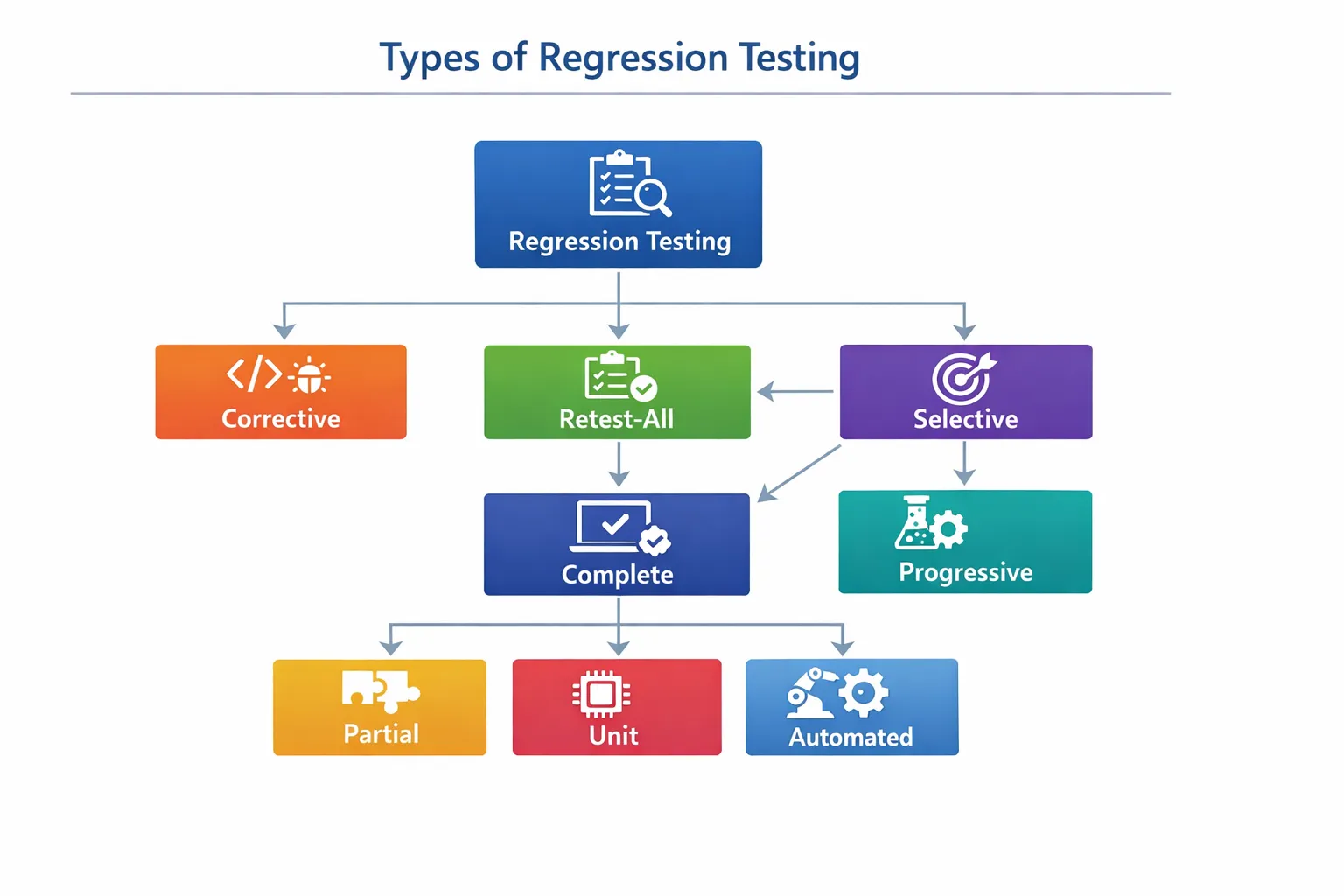
Types of Regression Testing in Software Testing Explained (Updated)
Regression testing covers eight distinct approaches, each suited to different scenarios – corrective for minor changes, selective for targeted impact, progressive when new features alter existing flows, complete after major architectural changes, and automated for continuous CI/CD validation. The right choice depends on change scope, release timeline, and risk tolerance. Even small software changes can…
-
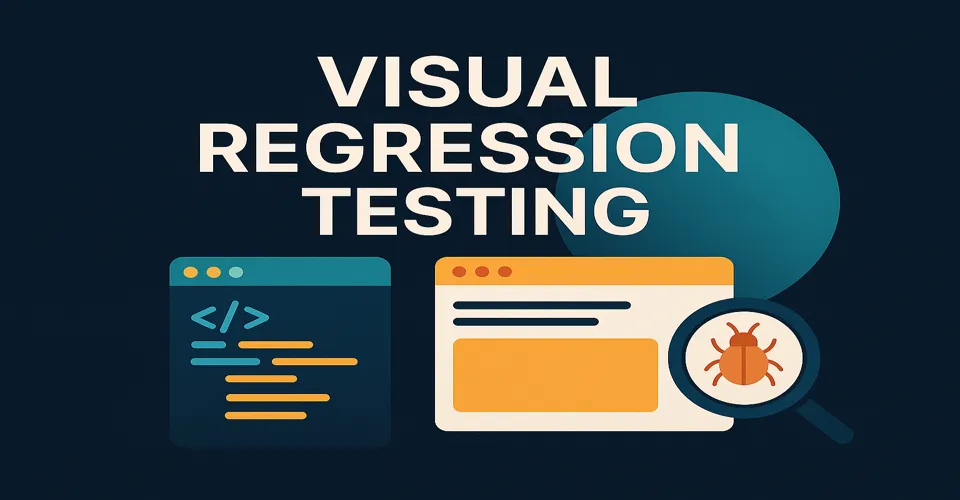
Visual Regression Testing: Detect UI Issues Before Users Notice
Visual regression tests have effectively enhanced the consistency of the UI maintenance by teams. It improves the quality of the user experience, lowers the possibility of UI bugs in production, saves hours of manual quality assurance activities by automatically detecting unintentional visual changes in web applications. This blog will give an overview of visual regression…
-
Data Driven Testing: A Comprehensive Guide
Fast-paced development environments can no longer afford to treat quality assurance as an afterthought, and that’s why fitted into the development cycle. One of the most efficient methods available for evolving your testing strategy, is Data Driven Testing(DDT). But, what is data driven testing, and why is essential to automated QA pipelines? This blog post…
-
Regression Testing Services for Teams
Software development is a field that never stands still; whether it is new features, bug fixes, or performance improvements, whatever code you change has the potential to break the software functionality that currently exists. To combat the risk of accentuating existing software functionality when making changes during software development cycles, companies often employ Software Regression…
-
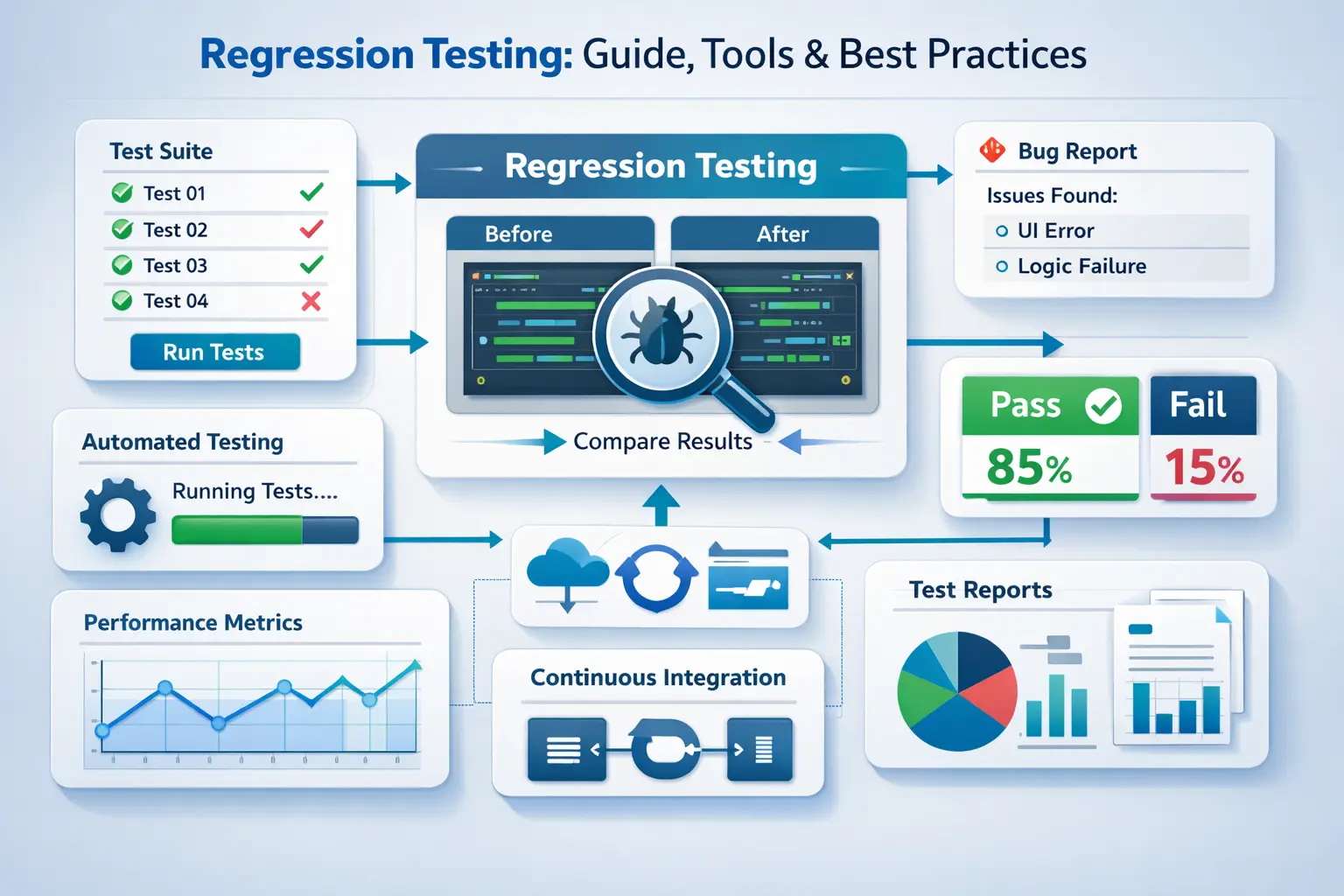
Regression Testing: Techniques, Tools & Best Practices (2026)
Regression testing reruns existing test cases to confirm that new code, fixes, or dependency updates haven’t broken functionality that previously worked. It differs from smoke testing in depth: smoke checks only critical paths, while regression validates broadly across affected areas. At the API layer, Keploy skips manual scripting entirely, deriving test cases and dependency mocks…