Tag: software-development-life-cyclesdlc
-
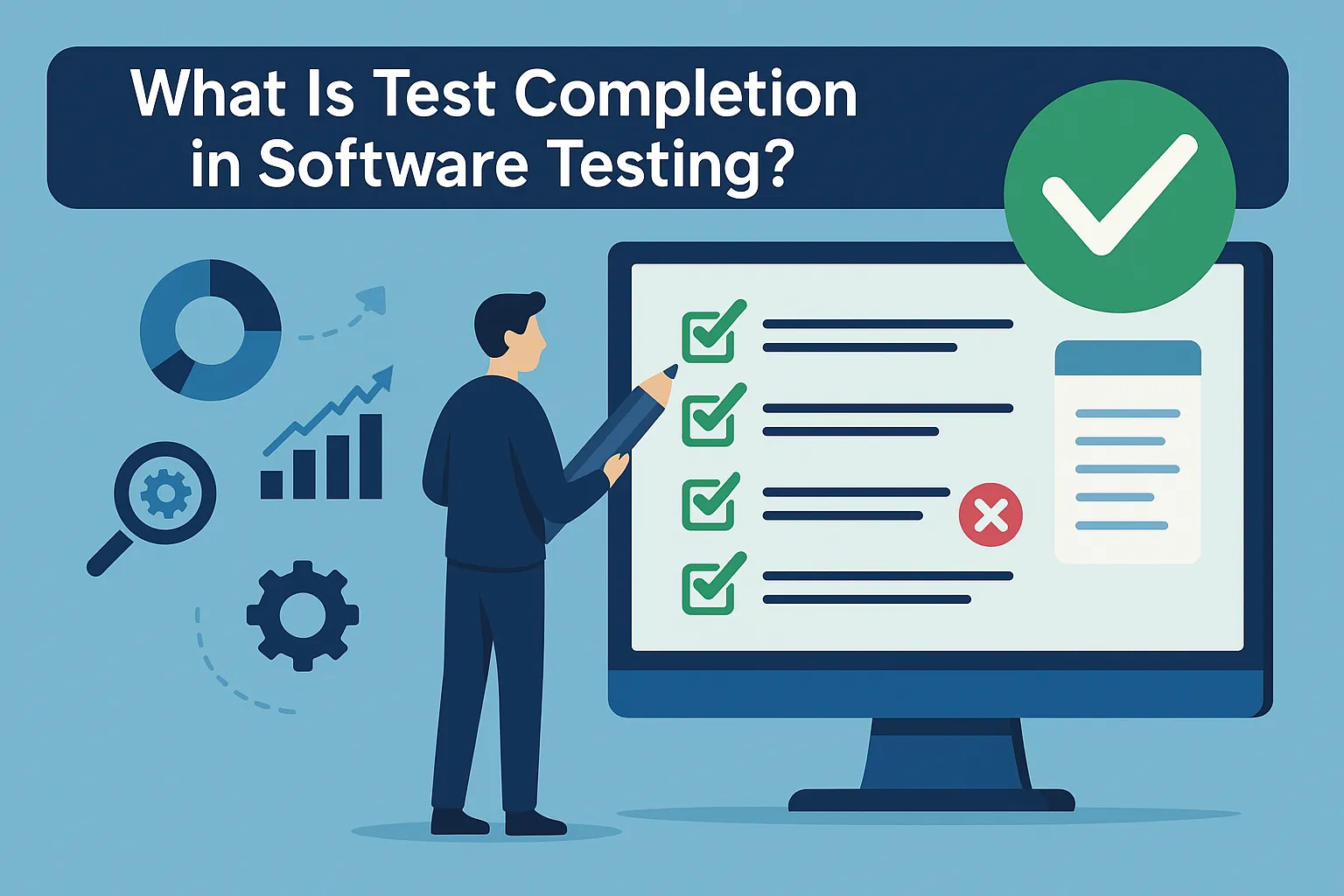
What Is Test Completion in Software Testing?
Test completion is the formal point at which testing objectives for a defined scope- release, sprint, or feature – have been met against pre-agreed exit criteria. It’s a decision based on artifacts, not opinions: test execution rate, defect thresholds, coverage metrics, and a sign-off report. Critically, completion criteria differ by test level – what “done”…
-
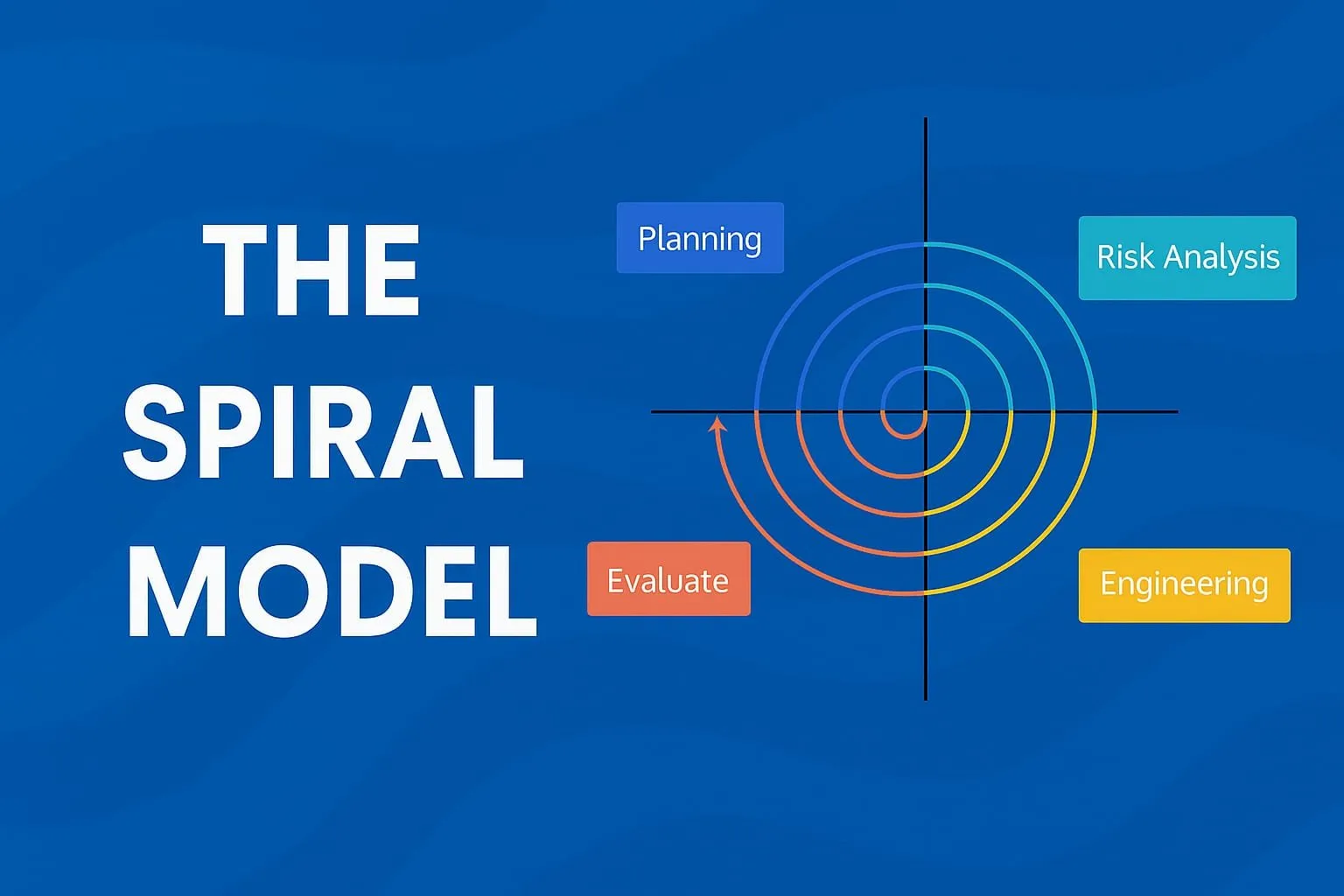
What Is the Spiral Model in Software Engineering?
The spiral model is a risk-driven software development approach that combines iterative prototyping with the structured phases of the waterfall model. Work progresses through repeating loops of planning, risk analysis, engineering, and evaluation, with each cycle producing a more refined version of the product. It suits large, high-risk projects where requirements evolve over time. Would…
-
Exploring the Effectiveness of E2E Testing: In Comparison with Integration Testing
In the diverse domain of software development, testing methodologies play a pivotal role in ensuring the robustness and reliability of applications. These methodologies serve as systematic approaches to identify and rectify potential flaws in code, ultimately contributing to the delivery of high-quality software products. One cannot overstate the significance of testing in the software development…
-
E2E Testing Strategies: Handling Edge Cases while Testing
End-to-end testing, often considered the guardian at the gates of software quality, plays a pivotal role in the Software Development Life Cycle (SDLC). In a world where user expectations soar daily, ensuring an application’s robustness is paramount. This is where E2E testing steps into the limelight. Think of it as a vigilant guard. This guard…