Category: community
-
Jest Mock: How to Mock a Provider in JavaScript Testing
Whether for frontend or backend, testing is a key aspect of building trustworthy JavaScript applications. For example, when writing code that relies on external modules or services such as APIs, databases, or configuration providers, mocking can allow for a more isolated testing structure without those real dependencies. If you are using Jest, one of the…
-
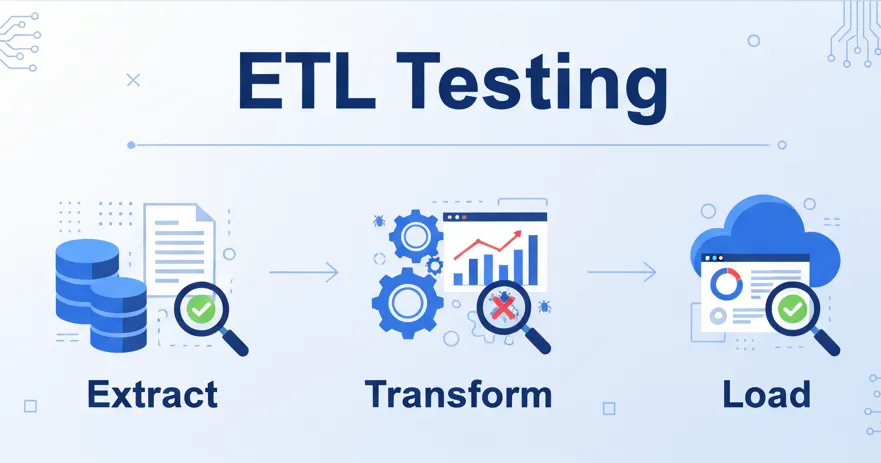
What is ETL Testing?
In today’s data-driven world, companies depend on accurate and trustworthy data to make better decisions. ETL (Extract, Transform, Load) testing is a key factor in data reliability, as it ensures that data is accurately extracted from multiple locations, transformed correctly, and loaded into the target system correctly without loss or error. ETL testing provides a…
-

What You Need to Know About Root Cause Analysis
You know that frustrating moment when something goes wrong at work, and everyone immediately rushes to quick fixes without truly understanding the root of the problem? This is where root cause analysis (RCA) comes in to help. Let me guide you through everything you need to know about this effective problem-solving method that can transform…
-
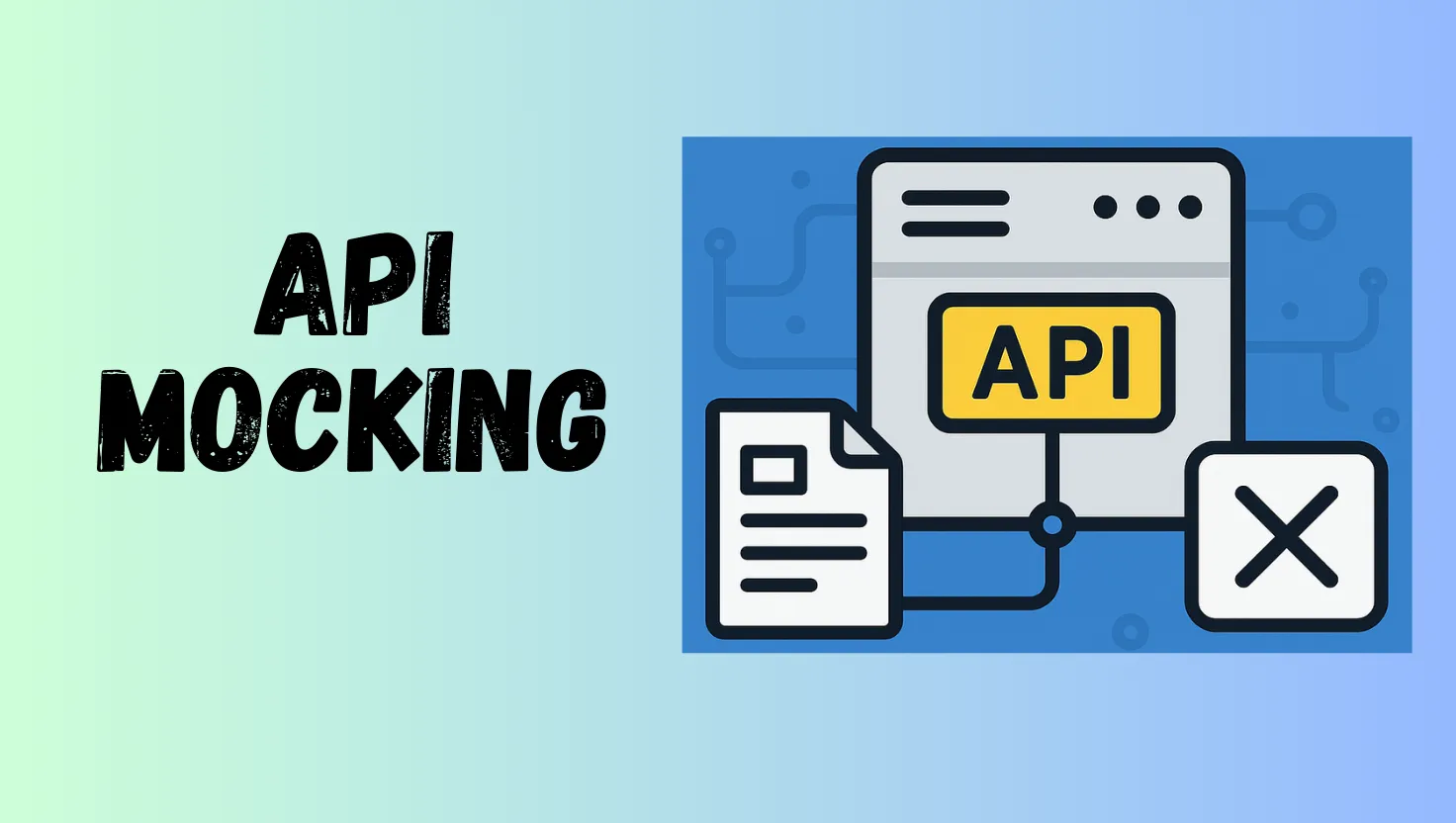
A Developer’s Guide to API Mocking: Benefits, Tools, and Tips
API mocking is the practice of simulating an API’s responses with a stand-in service so teams can develop and test without the real backend. Mocks return predefined or recorded responses, enabling parallel development, testing of edge cases and failures, and faster, more reliable test runs when dependencies are unavailable or costly. APIs are most commonly…
-
Software Quality Assurance Services: A Complete Guide
In today’s fast-paced digital environment, software quality assurance services are no longer a choice in the development process; they are a requirement. SQA is not simply about identifying bugs; it is about preventing defects before they occur and making sure that software consistently delivers a great user experience. This blog will examine what Software Quality…
-
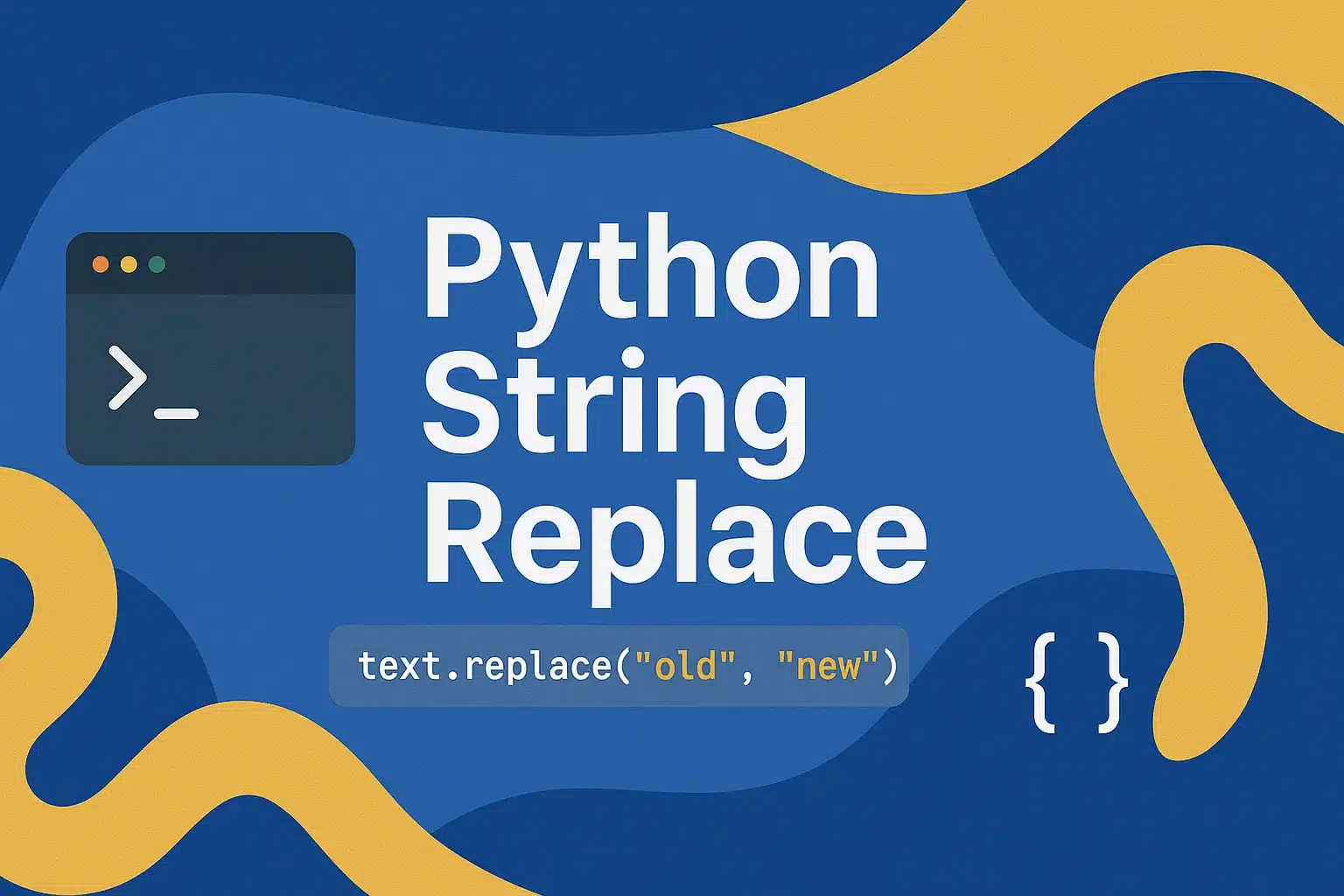
How to Replace Strings in Python?
Strings are everywhere in Python, from logs to user inputs, and often need cleaning or replacing. Since Python strings are immutable, they can’t be changed directly, but Python provides multiple easy ways to handle replacements. In this guide, we’ll explore different methods to replace strings in Python using replace(), slicing, lists, translate(), and regex with…
-
What is UAT? A Complete Guide to User Acceptance Testing
User acceptance testing (UAT) is the final testing phase where actual users or clients verify that software meets business requirements and works in real-world scenarios before release. Unlike technical QA, UAT focuses on whether the system does what the business needs, serving as the last sign-off gate before go-live. Before any software goes live, it…
-
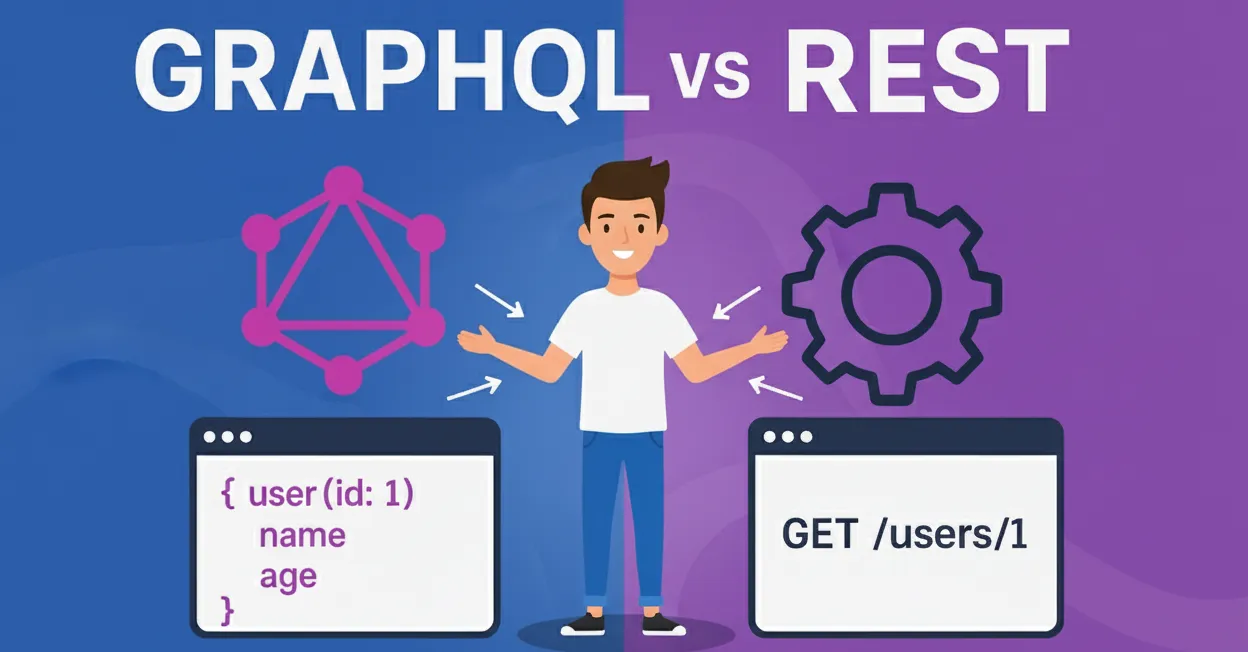
REST vs GraphQL: What’s the Difference?
In the current ecosystem of web and mobile apps, APIs are the ‘glue’ that connects clients and servers. We find two key paradigms of APIs: REST vs GraphQL, which have emerged as the primary methods of communicating data between applications. Each has strengths and weaknesses, and that choice is significant, as each has dramatic implications…
-
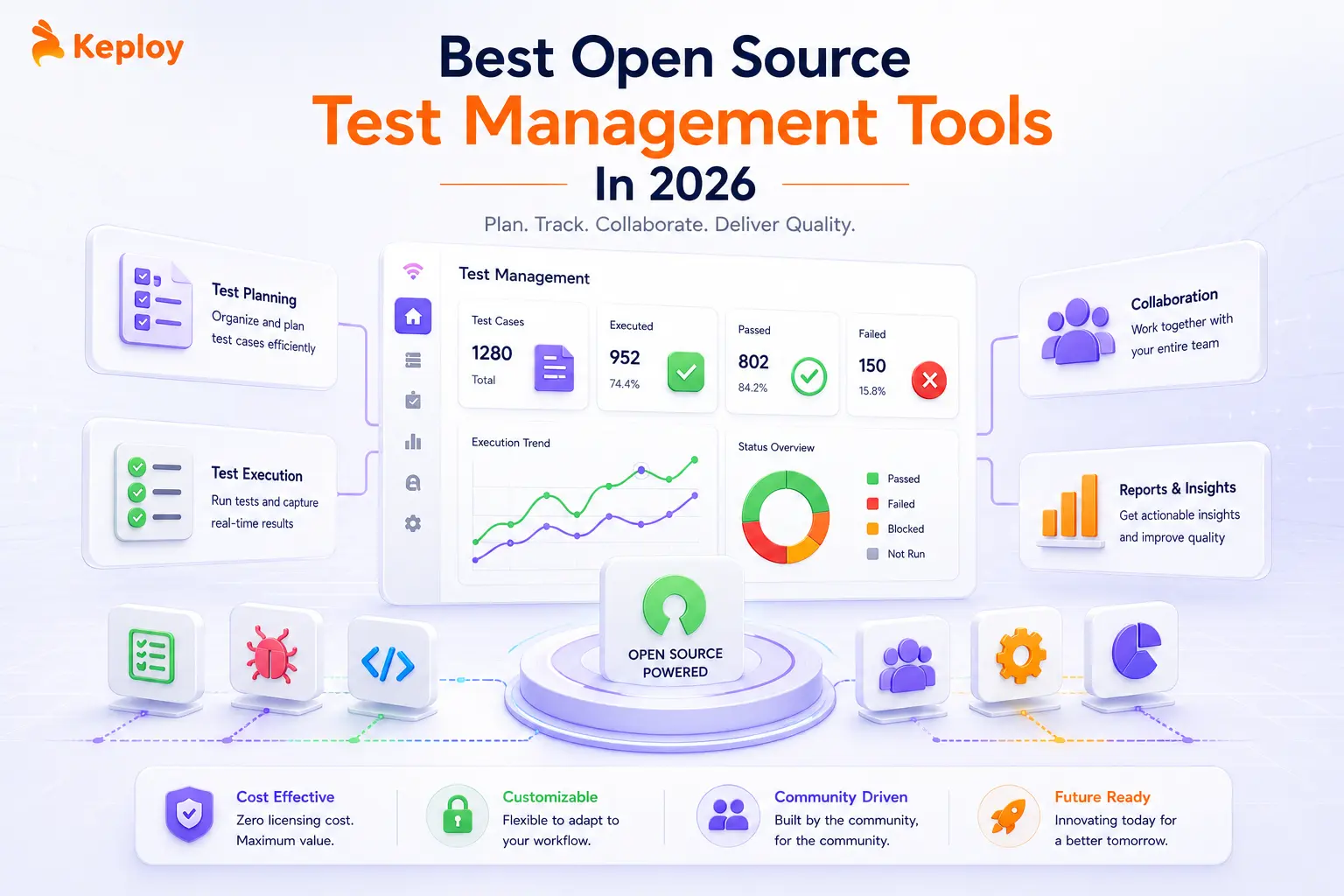
Best Open Source Test Management Tools in 2026
Not every open source test management tool solves the same problem, and picking the wrong one creates more overhead than it saves. For API-first teams, the bigger unlock isn’t better organization – it’s skipping manual test creation altogether, which is what Keploy is built for. This guide matches each tool to the team it actually…
-
Playwright vs Selenium: Best Choice for Testing in 2026
In the rapidly changing world of software development, the automated tools that we use must also keep pace with the changing environment. Playwright and Selenium are two of the most popular frameworks for browser automation and have their own advantages based on your need. This guide will allow you to compare Playwright vs Selenium. We…