Category: community
-
Bug Life Cycle in Software Testing: Every Stage Explained (2026)
The bug life cycle (defect life cycle) is the sequence of states a defect moves through from discovery to closure. Typical stages are New, Assigned, Open, Fixed, Retest, and Closed, with additional paths for Reopened, Deferred, or Rejected bugs. It gives teams a shared, trackable workflow for managing defects to resolution. Every bug that gets…
-
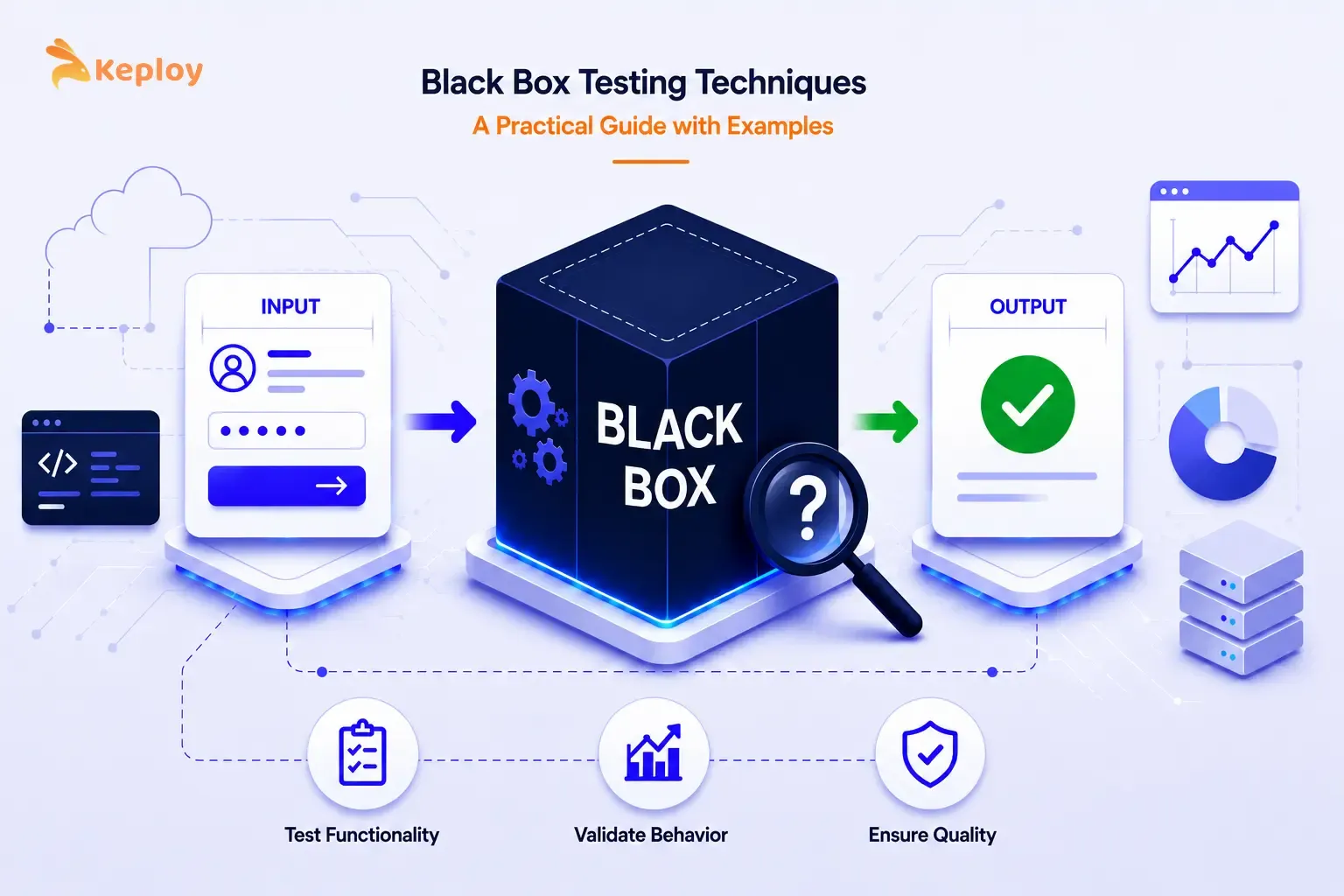
Black Box Testing Techniques: A Practical Guide (2026)
Black box testing techniques are systematic approaches to designing test cases through inputs and outputs alone, without examining source code. The five core methods – equivalence partitioning, boundary value analysis, decision table testing, state transition testing, and error guessing – each target a different failure category. Most teams apply all five in sequence, and the…
-
Levels of Software Testing: A Complete Guide with Examples (2026)
Software testing has four levels, each answering a different question. Unit testing asks whether a single function works in isolation. Integration testing asks whether connected components communicate correctly – the layer where Keploy automates test generation from real API traffic. System testing validates the full application end-to-end, while acceptance testing asks whether real users consider…
-
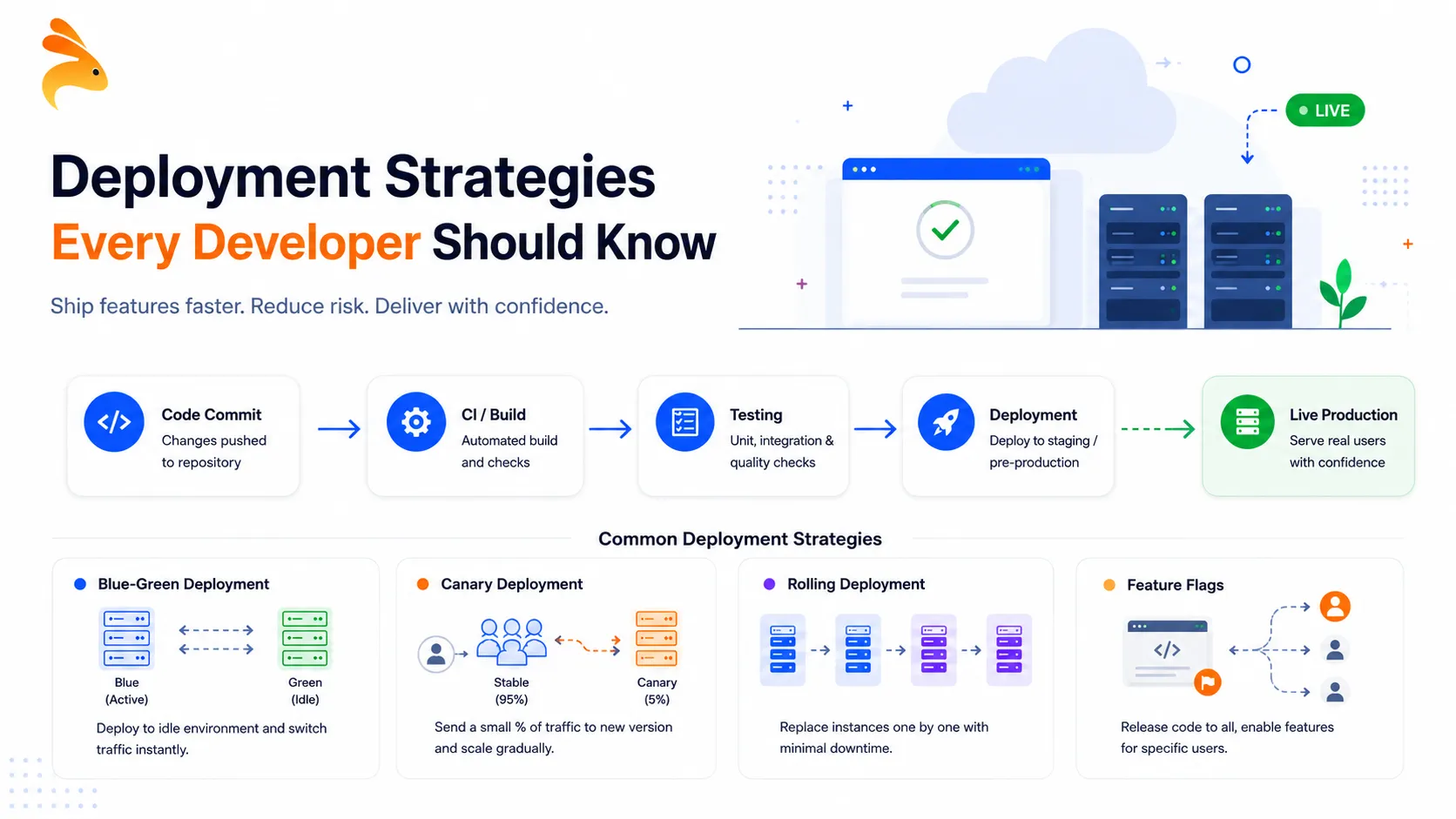
Deployment Strategies Every Developer Should Know
Deployment strategies define how new software versions are released to production while minimizing risk and downtime. Common approaches include blue-green, canary, rolling, and recreate deployments, each balancing speed, safety, and rollback ease differently. The right choice depends on your uptime needs, infrastructure, and tolerance for risk. The first time I watched a deployment take down…
-
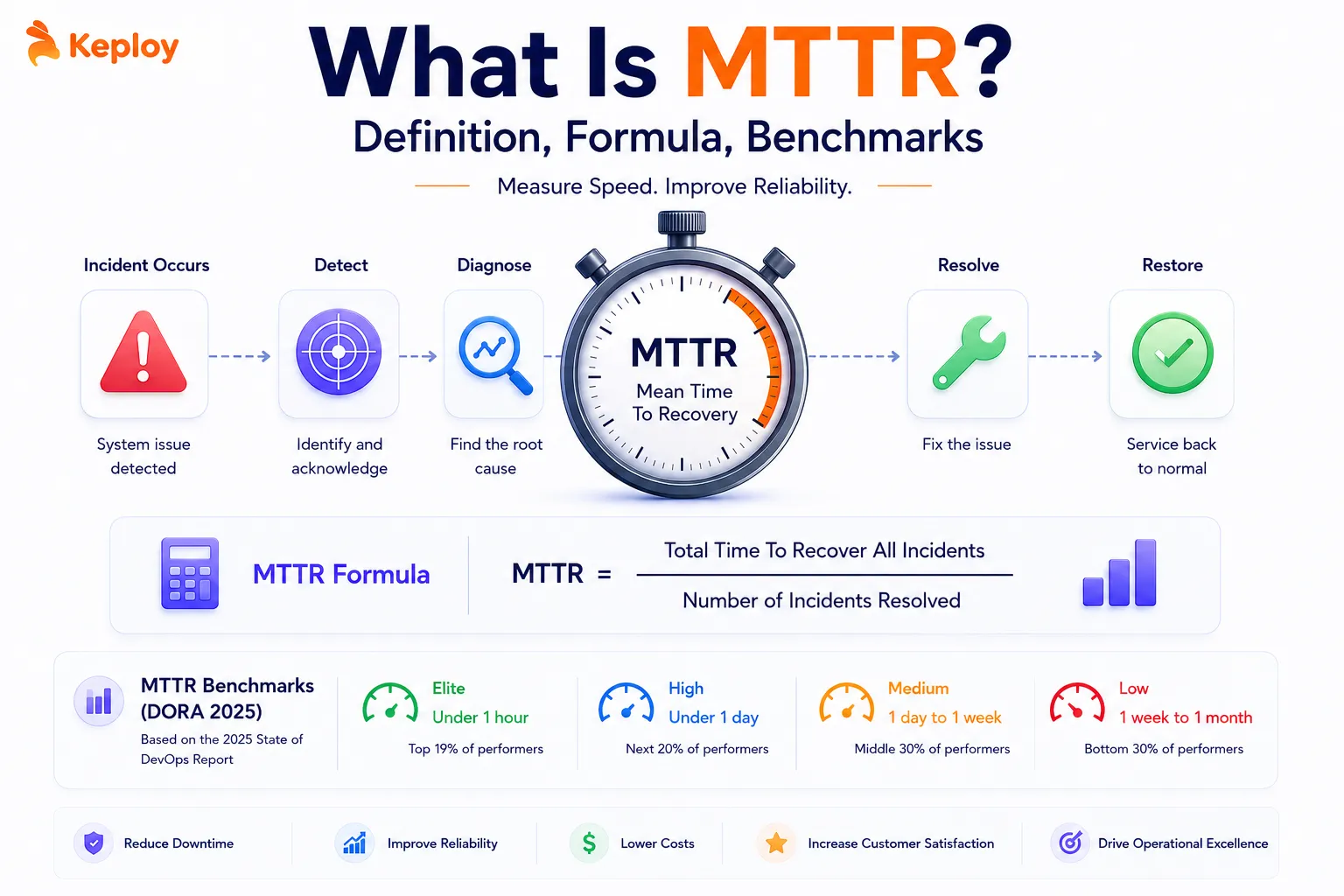
What Is MTTR? Definition, Formula & Benchmarks (2026)
MTTR is the metric that tells you how long your users wait after something breaks. According to Splunk and Cisco’s Hidden Costs of Downtime 2026 report, unplanned downtime now costs organisations an average of $15,000 per minute. Across the Global 2000 companies, the aggregate annual cost has surged to $600 billion, a 50% increase in…
-
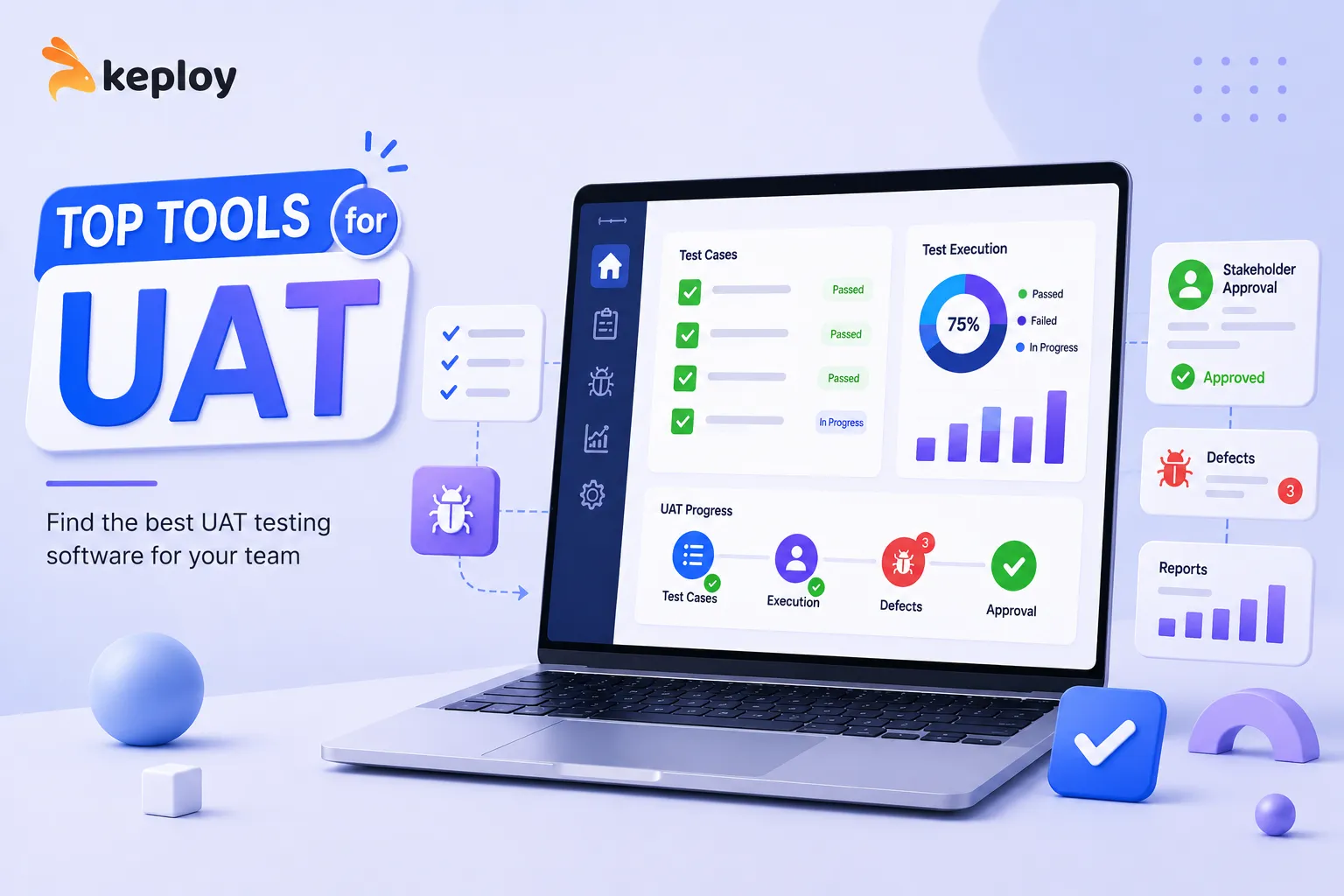
12 Best UAT Testing Software Tools in 2026
UAT testing tools help teams plan, run, and track user acceptance testing, managing test cases, capturing feedback, and documenting sign-off. Leading options include Keploy, TestRail, PractiTest, Zephyr Scale, and Cucumber, which streamline collaboration between testers, business users, and stakeholders before a release is approved. Finding the right UAT testing tool can help teams validate software…
-
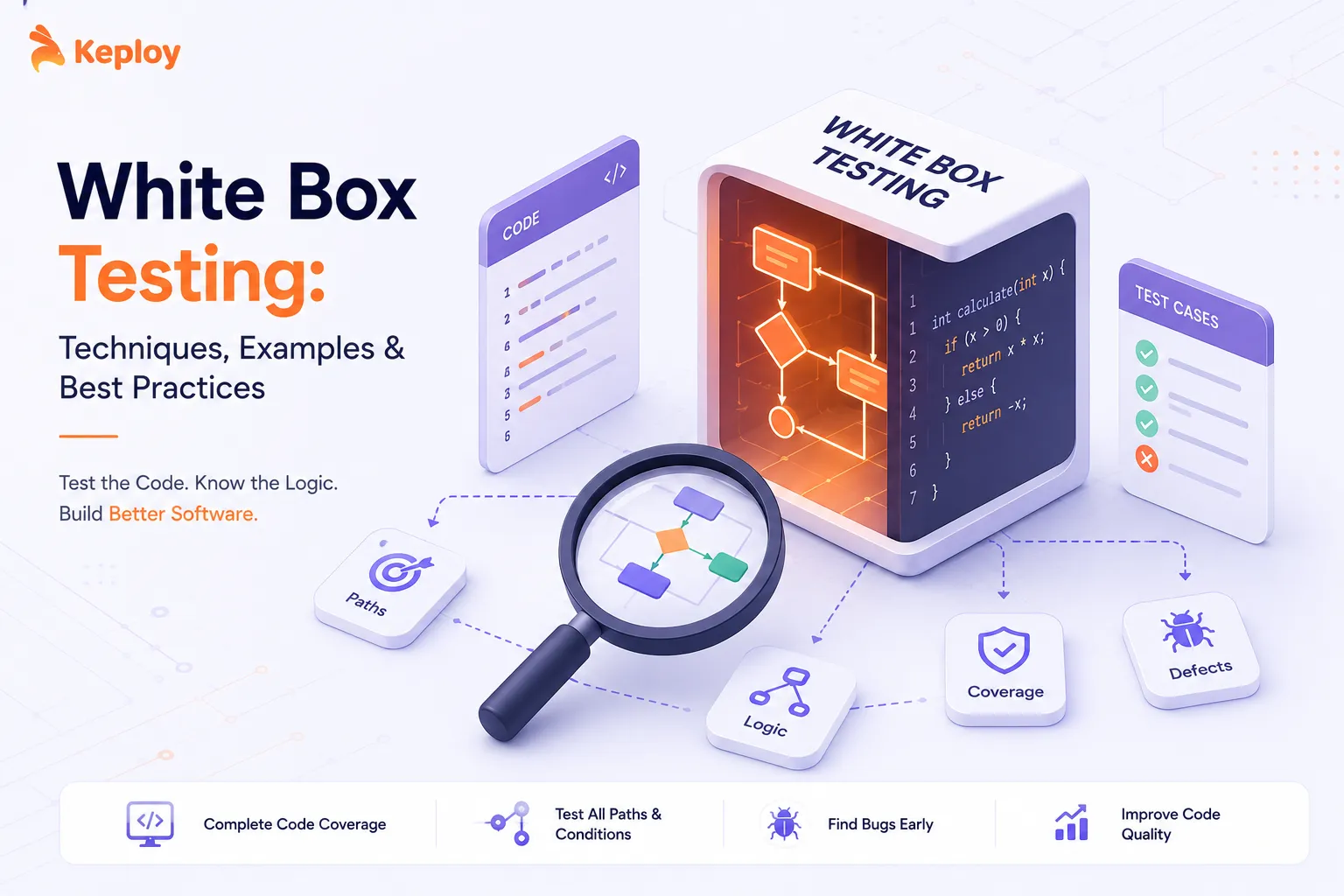
White Box Testing: Techniques, Examples & Best Practices (2026)
White box testing gives testers direct access to source code, designing test cases around internal logic: branches, paths, conditions – rather than what users put in and get back. The core techniques build in depth: statement, branch, path, condition coverage & loop testing. The critical caveat: 90% statement coverage can still miss the branch that…
-
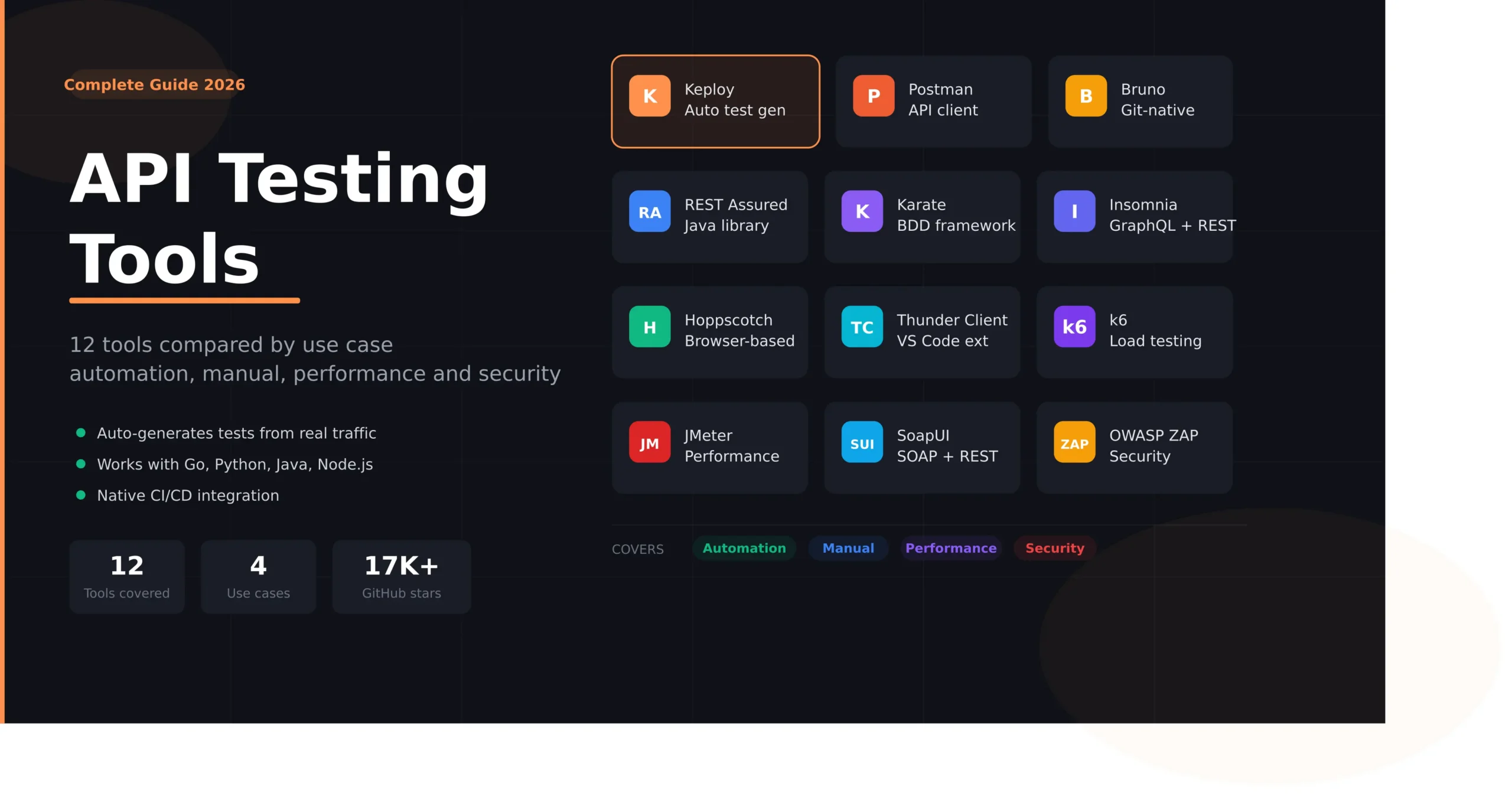
API Automation Testing Tools: Compared in September 2026
Last updated: October 2026 API testing tools let teams send requests, validate responses, mock dependencies, and run tests inside CI/CD without writing every check by hand. For API test automation, the main options are Keploy, which generates tests and mocks from real API traffic or from an OpenAPI spec, Postman collection, or cURL command; REST…
-
Mock Testing: A Complete Guide for Developers (2026)
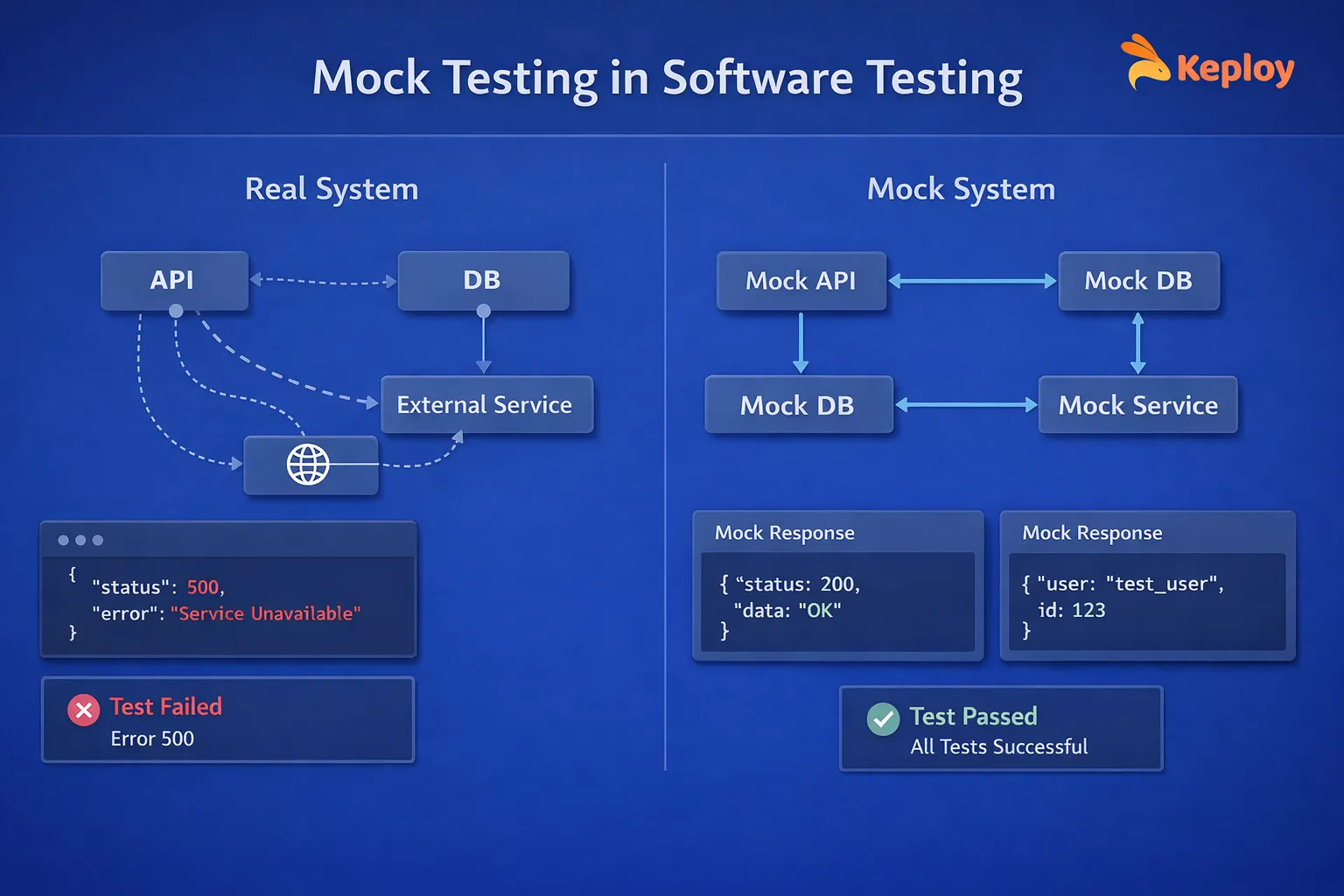
Mock testing replaces real dependencies – APIs, databases, third-party services – with simulated objects that return controlled responses. It speeds up test runs, eliminates flakiness from unstable external systems, and makes edge cases like timeouts easy to trigger on demand. The limitation: mocks drift from real behavior over time. Keploy addresses this by capturing real…
-
In-Depth Testing: Stop Shipping Bugs Your Tests Missed
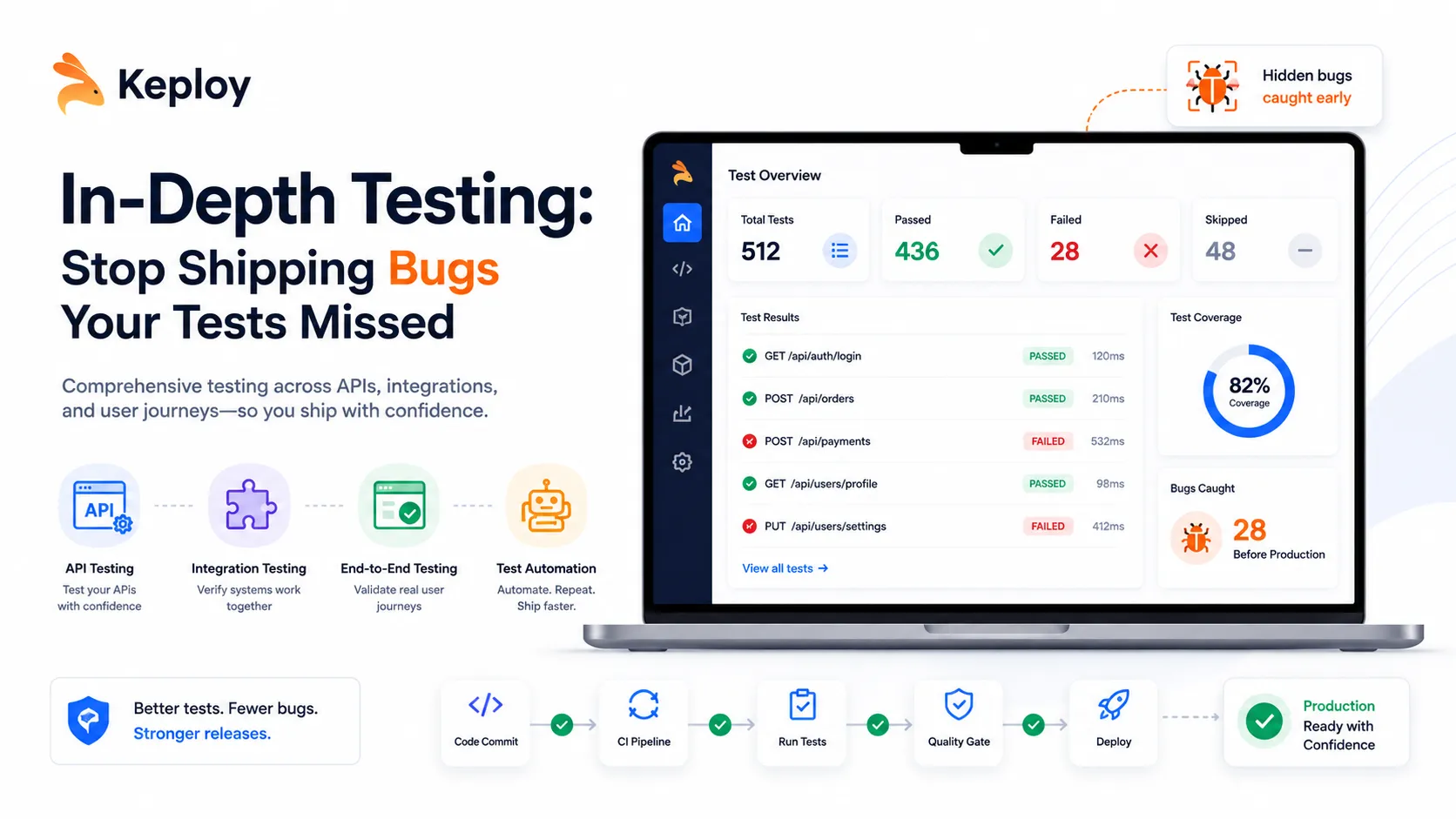
I’ve pushed code that cleared every CI check, watched the green badge appear, shipped to production — and then spent the next two hours on a rollback. That experience was my real introduction to in-depth testing. In-depth testing is the practice of validating software behavior across multiple layers: unit logic, component interactions, end-to-end user flows,…