Category: community
-
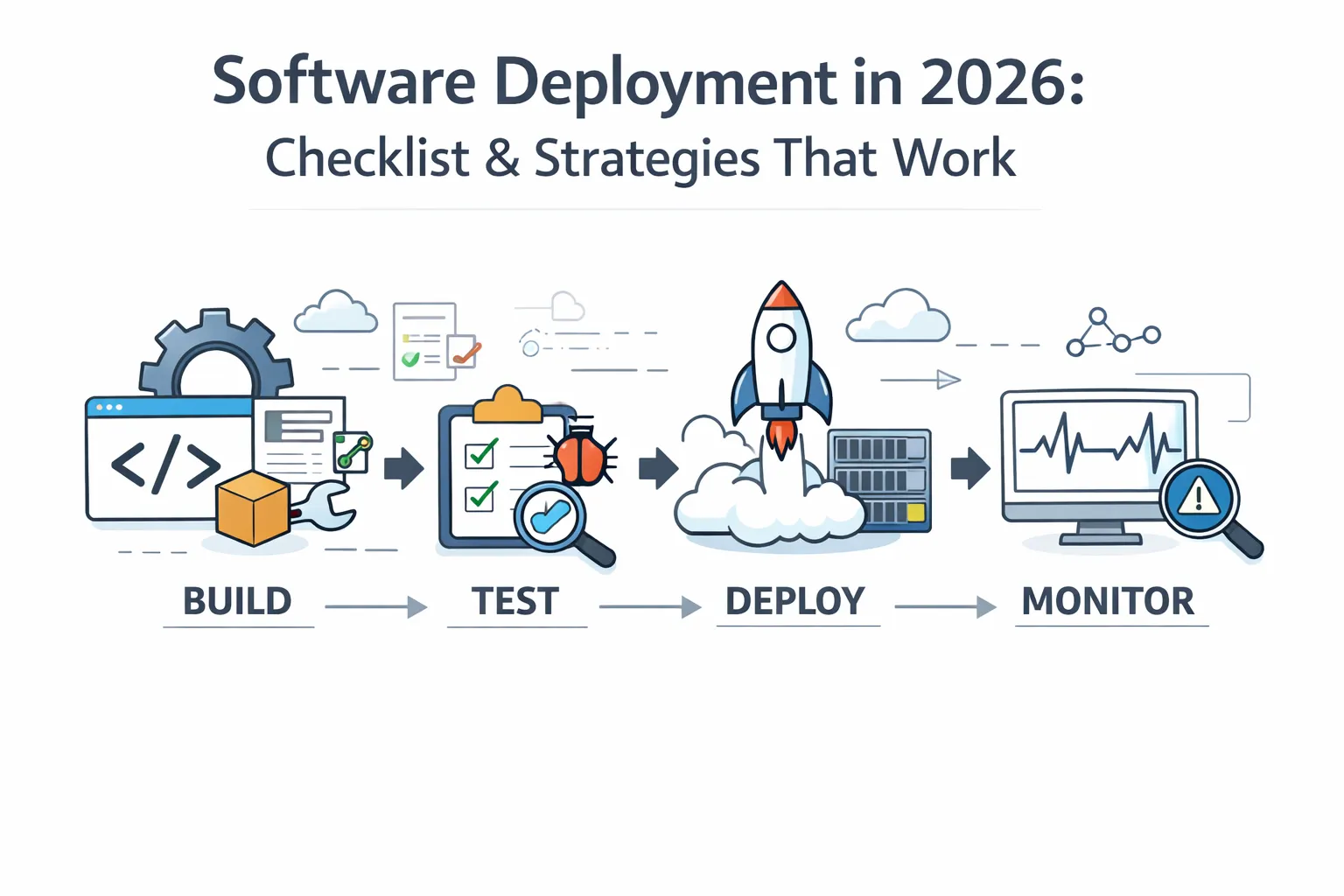
Software Deployment in 2026: Strategies & Best Practices
Most software projects fail not in development – but at software deployment. Even stable, well-tested code can break in production when the deployment process isn’t planned well. In 2026, software deployment is no longer just about pushing code – it’s about reliability, speed, and control. Let’s explore how modern teams deploy smarter, faster, and safer…
-

Faster Testing: How Modern Teams Ship High-Quality Software Quickly
Software teams today are challenged to provide high quality releases at a much faster pace than ever before. As software development cycles become shorter, user expectations continue to increase and products become more complicated, testing becomes a bottleneck in the overall delivery process. Rather than reducing testing, the goal is to evolve testing to be…
-
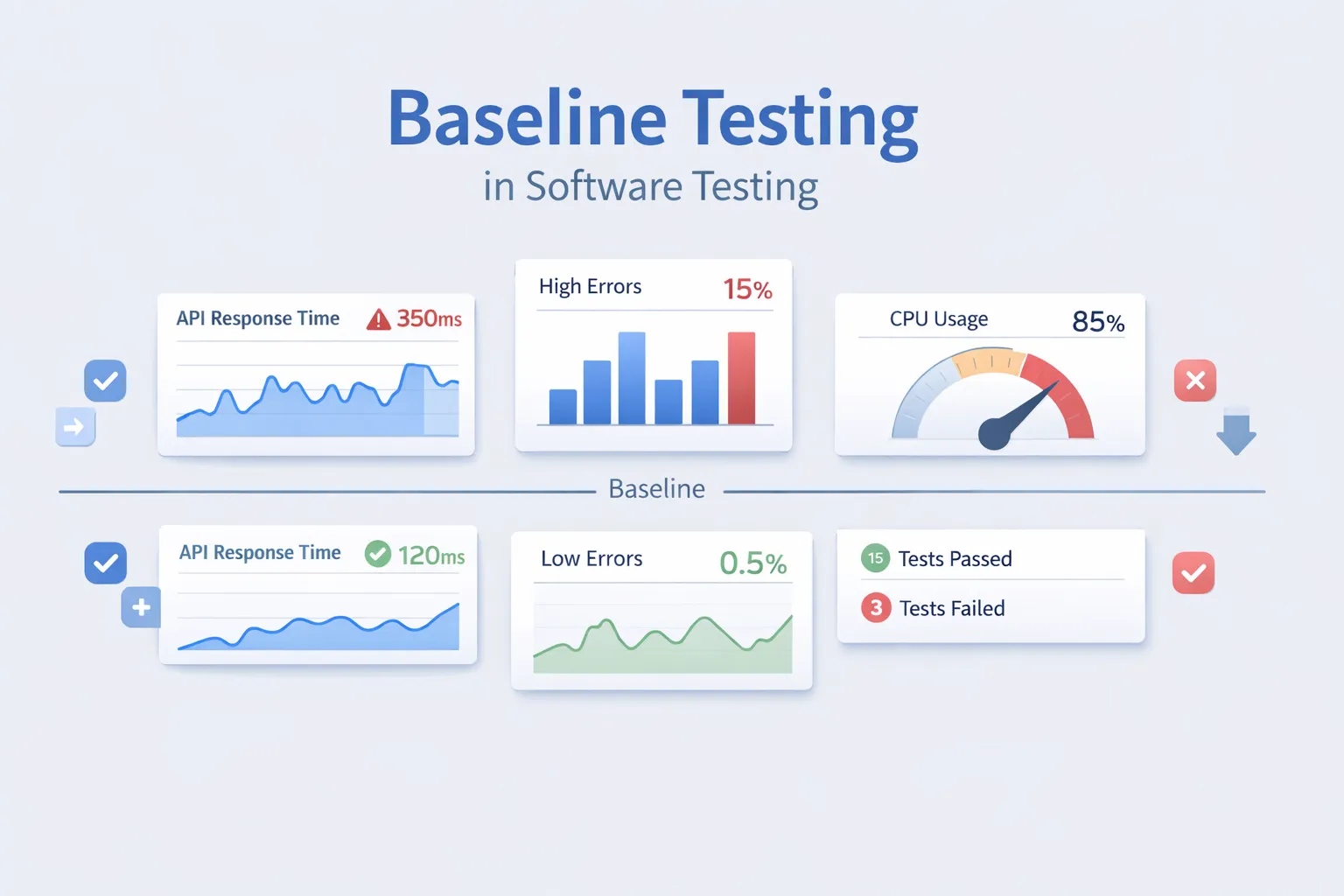
What Is Baseline Testing? Meaning, Examples & Use Cases (2026)
Baseline testing compares current test results against an approved reference from a previously validated version – not to find bugs in isolation, but to detect whether something changed unexpectedly. The most reliable approach is record-replay: capture real application behavior from a working version, then replay against each new release in CI. Keploy applies this directly…
-
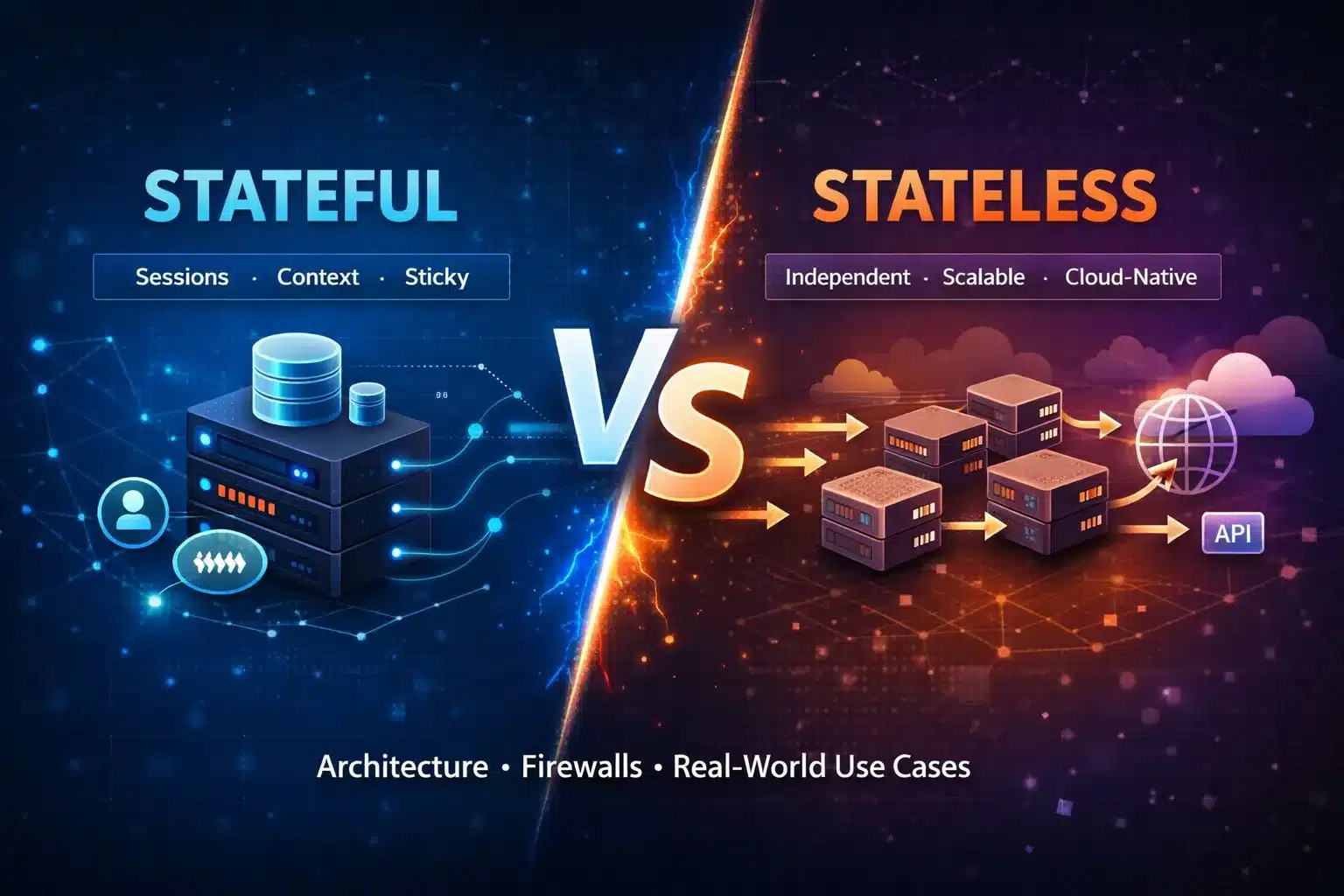
Stateful vs Stateless: A Developer’s Real-World Guide (2026)
Why do some bugs only appear after deployment, even when tests pass locally? Early in my backend work, I kept hearing discussions around stateful vs stateless. It felt academic at first, but once I started dealing with scaling issues, flaky tests, and production bugs, I saw how much this decision actually matters. This article is…
-

Top Software Quality Assurance Tools for Modern Teams
Shipping fast without bugs requires specialised tools at every layer – UI automation, API validation, performance, security, and test management each demand different solutions. Keploy anchors the API layer by generating tests automatically from real production traffic, eliminating manual scripting. This guide covers 10 tools across every QA category to help teams build the right…
-

What Is SRS Writing: A Complete Guide to Software Requirement Specification
SRS (Software Requirements Specification) writing is the process of documenting what a software system must do and the constraints it operates under. A good SRS captures functional and non-functional requirements, interfaces, and acceptance criteria in a clear, testable form, giving developers, testers, and stakeholders a shared, unambiguous reference. A Software Requirements Specification (SRS) is a…
-
Why I Switched from Rest Assured to Keploy for Microservices Testing
If you’ve been using Rest Assured for API testing, you know how powerful it is. The syntax looks simple and easier to understand, but things get interesting when you have to write test cases and mocks for a microservices application that has more than 2 services. Key Takeaway: Keploy replaces REST Assured’s manual Java test…
-
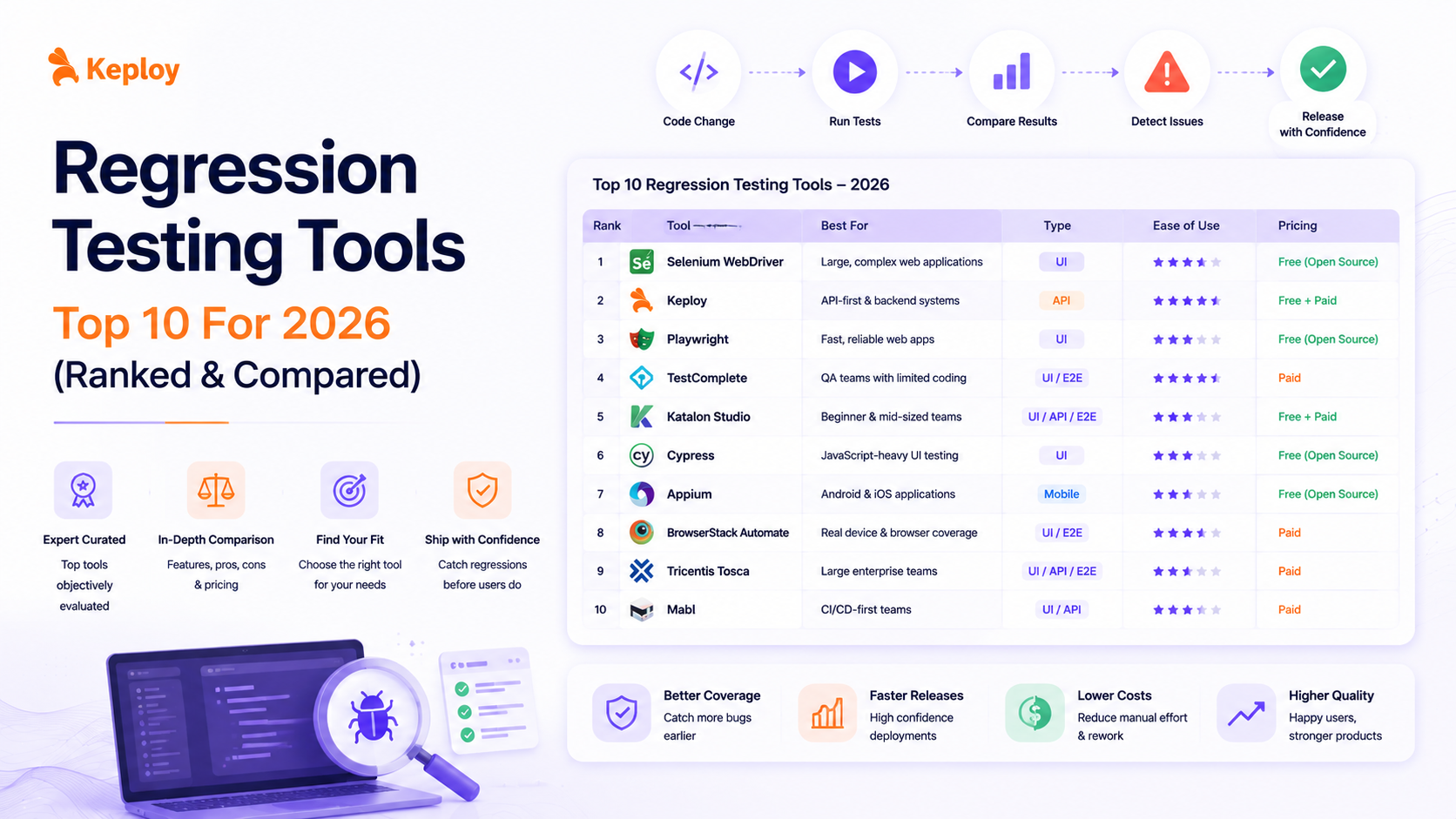
Regression Testing Tools: Top 11 for 2026 (Ranked & Compared)
Regression testing tools are the safety net your software can’t afford to skip. As teams deliver features more quickly than ever before, it is critical to ensure that previously developed features continue to function correctly. That’s where regression testing tools come in. These tools automate repetitive tests, catch bugs introduced by code changes, and integrate…
-

Penetration Testing Services to Strengthen Your Security and Reliability
Modern technology (APIs, Microservices, Cloud Platforms, Mobile Apps) is rapidly changing and becoming a target for attackers as they continue to advance and become more sophisticated. Organizations use penetration testing (a form of ethical hacking) to identify weaknesses in their systems and address them before they can be taken advantage of. Keploy supports organizations’ application…
-
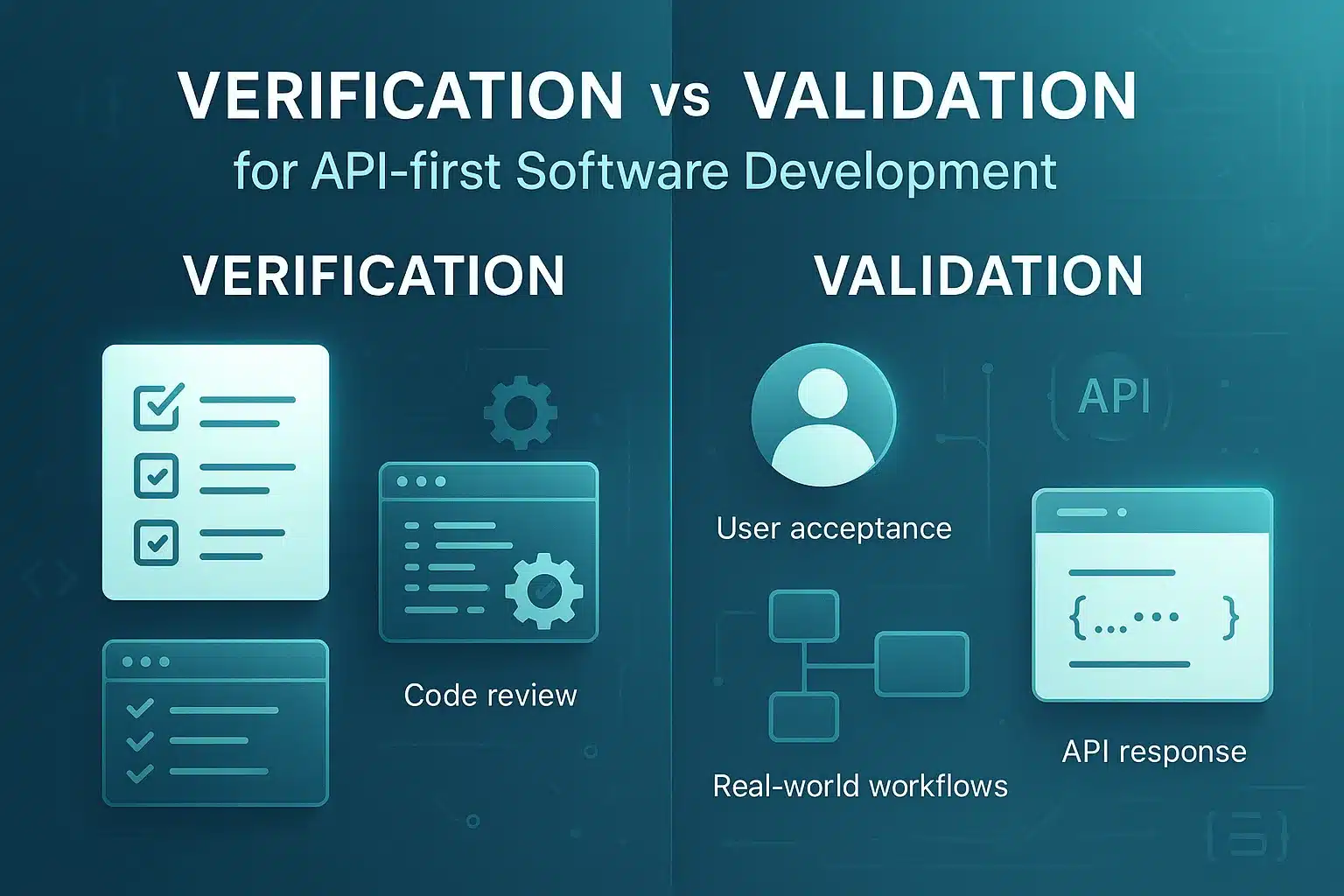
Verification vs Validation in API-first Software Development
It’s easy to create APIs very quickly. However, creating APIs that are reliable when used in challenging distributed systems is much harder. Many development teams are moving quickly to ship features to the market, which has led to the verification vs validation distinction becoming the middle ground between a successful launch and an incident that…