Keploy Blog Website
-
How to Use Software Testing Metrics to Drive Better QA Decisions
Why do some QA teams consistently deliver reliable and high-quality software, while others toil to identify bugs and experience unstable releases? The real difference often is related to how easily the team is able to use software testing metrics to make measurable decisions. Often, the testing process turns out to be a routine checklist activity…
-
Load vs Performance vs Stress Testing: Differences & Examples
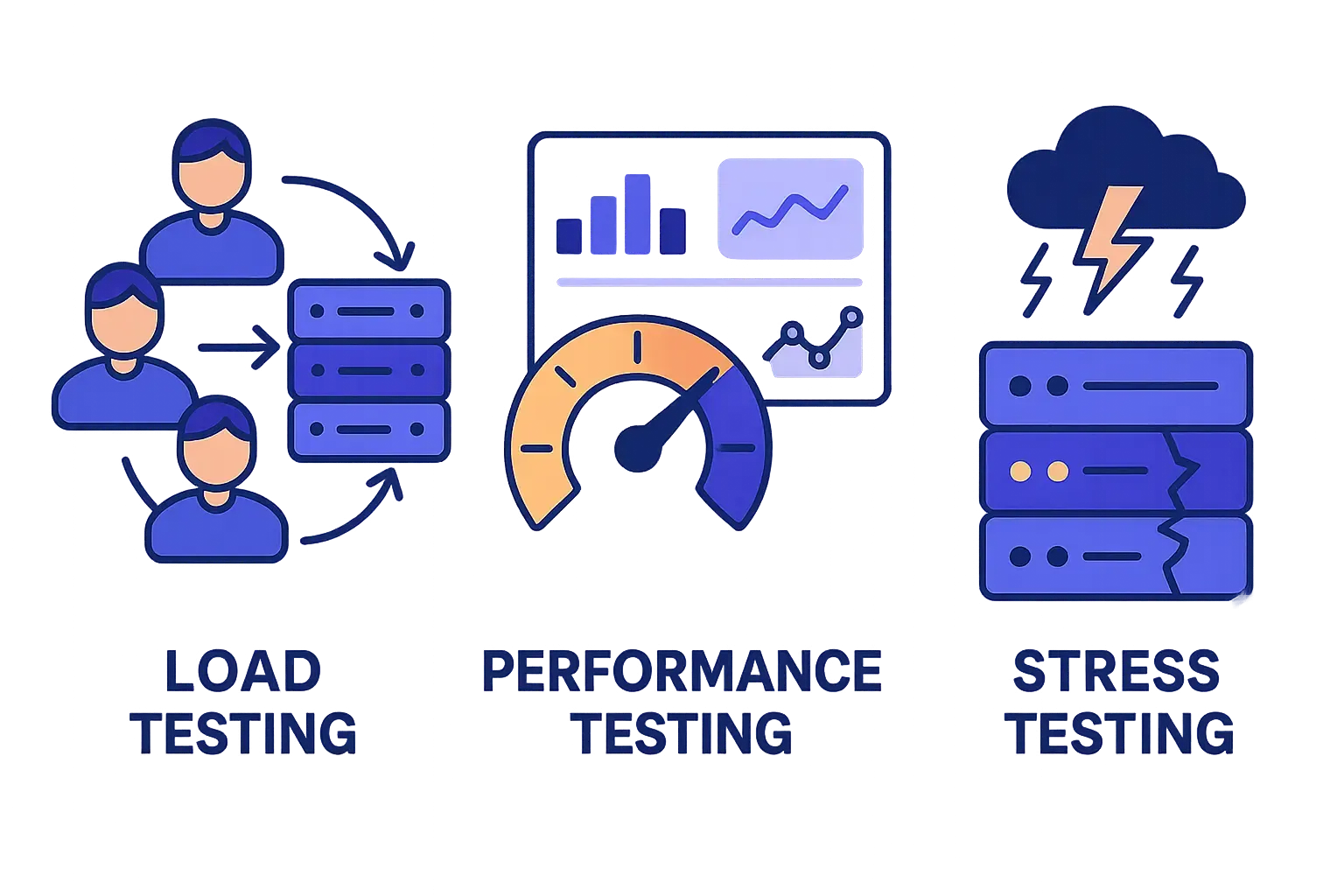
Load testing, performance testing and stress testing are often mixed up, but in today’s CI/CD pipelines and production-grade engineering, they are solving completely different purposed. If you want to: Decrease downtime for peak traffic Identify bottlenecks before users do Avoid crashing the system with sudden traffic spikes Build APIs and applications that are FASTER +…
-
Retesting Explained: Definition, Steps, and Real-World Examples
After some testing and bug fixes, one common question always remains: how do teams make sure that those defects are truly resolved, and no new regressions creep in? That’s where retesting testing becomes vital. Retest testing forms a very important aspect of any QA cycle, ensuring that the reported defects are fixed and working correctly…
-
Modified Condition Decision Coverage (MC/DC) Explained
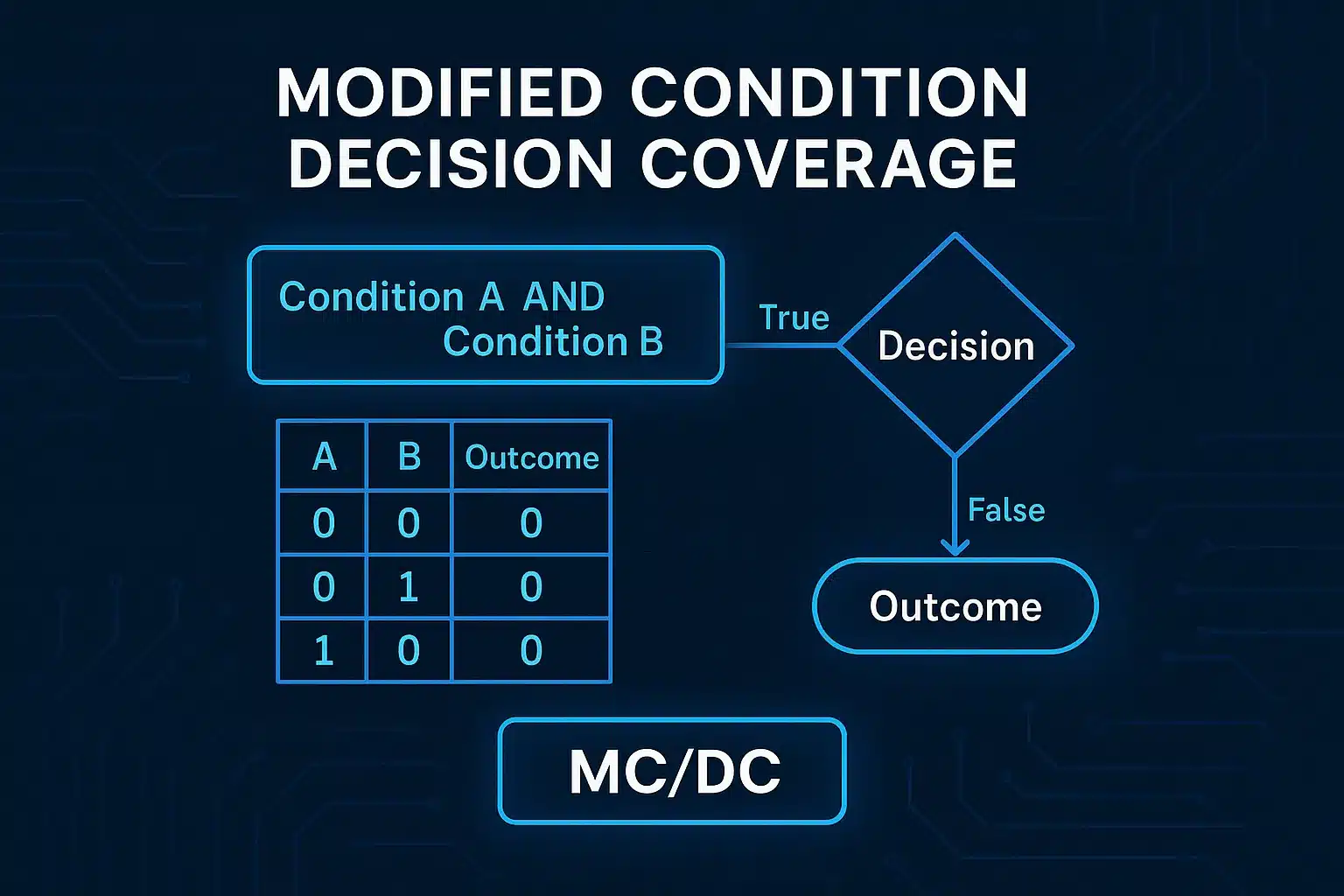
Modified Condition/Decision Coverage (MC/DC) is a rigorous testing standard that checks whether each condition in a complex logical decision can independently change the outcome – not just whether the code ran. It’s the required coverage level for aviation and automotive safety software because it catches logic bugs that simpler metrics like statement or decision coverage…
-
Speed Up Your Development Cycle With Feature Driven Development
In today’s fast-paced software industry, delivering high-quality applications quickly is a top priority. Development teams are constantly seeking methods to streamline their processes without sacrificing quality. One approach that has gained considerable attention is Feature Driven Development (FDD). This methodology focuses on developing software by building features in a structured, incremental manner, resulting in more…
-
What Is an API Endpoint? (Complete Guide for Developers & QA Testers)
An API endpoint is a defined URL or path where an API accepts a request from the client, such as a web app, mobile app, automation script, or AI agent, and sends back a response. It serves as the official communication point between the frontend and backend. In other words, if an API is a…
-
What is Monkey Testing in Software Testing? Types, Tools & More
Monkey testing feeds random, unscripted inputs into an application to uncover crashes, memory leaks, and unhandled exceptions that structured test cases miss. It runs in three modes: ignorant (fully random), intelligent (randomised within known areas), and smart (plausible user journeys randomised). The hardest part is reproducing a crash once it occurs, which is why logging…
-
PyCharm vs VS Code — Which Python IDE Wins in 2025?
For Python developers, the choice of IDE isn’t just a preference — it’s a productivity multiplier. From debugging and linting to virtual environments and CI/CD automation, your IDE defines how smoothly your workflow runs. As Python continues to dominate data science, web development, and AI, PyCharm and VS Code remain the two top contenders. Both…
-
What Makes Jest Testing the Top Choice for Front-End Development?
Code stability and reliability can be a concern when building front-end applications. As web applications become more complex, web developers require a test framework that is simple yet incredibly powerful. This is where Jest testing comes in handy. Jest is a testing type designed and maintained by Facebook, which is already the ideal tool for…
-
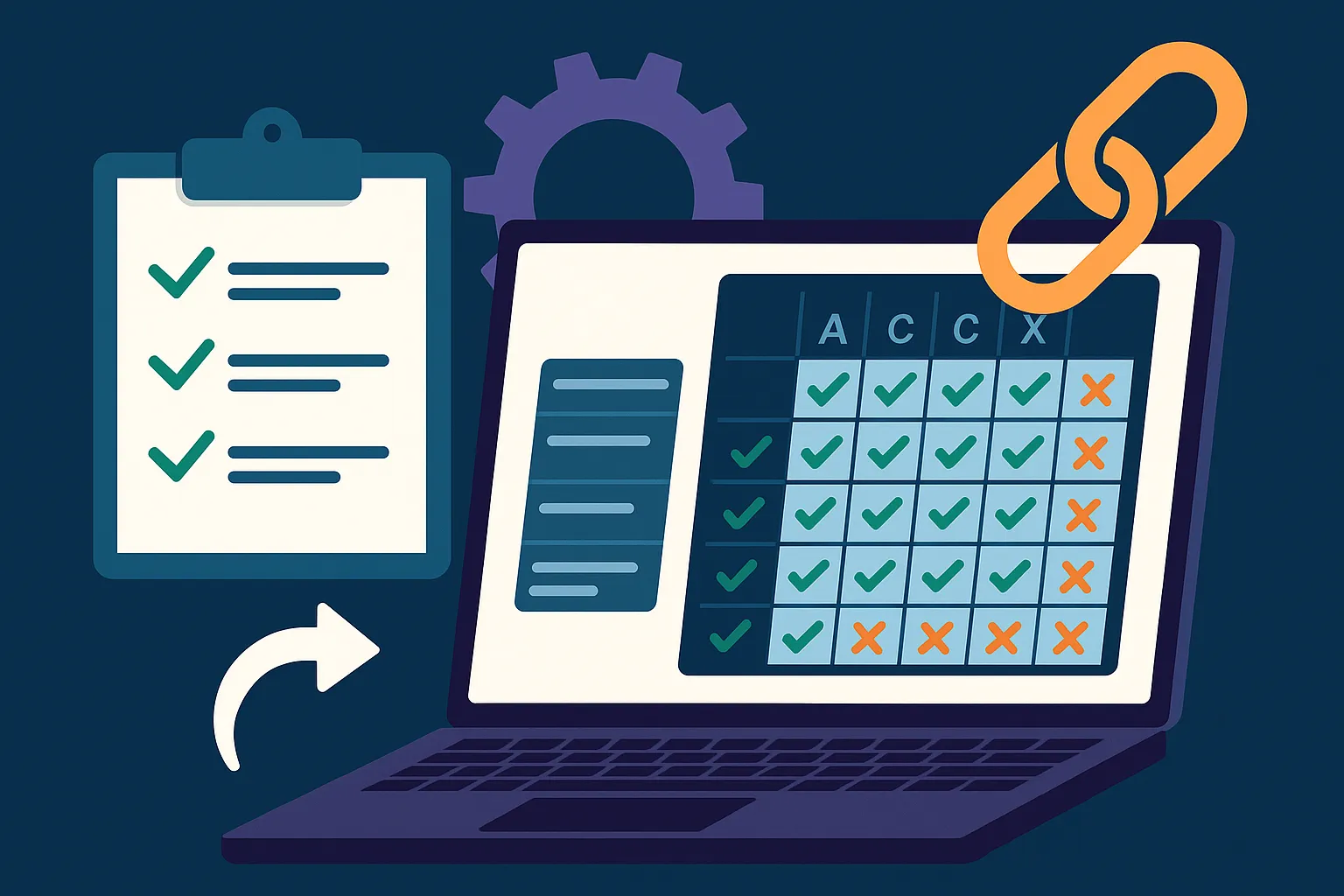
What Is a Traceability Matrix and How to Use It Effectively?
A traceability matrix maps every project requirement to its corresponding test cases, ensuring nothing gets missed before release. It tracks coverage in both directions – from requirements to tests & back- flags gaps or untested functionality. In Agile environments, keeping it updated manually is the hard part; tools like Keploy reduce that burden by auto-generating…