Keploy Blog Website
-
5 Best Load Testing Tools (Open Source) for DevOps in 2026
Choosing the right load testing tool is essential for ensuring your application performs reliably under heavy traffic. Whether you’re testing REST APIs, microservices, or full-stack applications, the right tool can uncover bottlenecks before they impact users. In this guide, we’ll compare the five best open source load testing tools — Keploy, Apache JMeter, Gatling, The…
-
AI testing: a complete technical guide to intelligent software quality
AI testing uses machine learning, NLP, and computer vision to generate and maintain tests, replacing static scripts with models that adapt to how the application behaves. Self-healing selectors and predictive selection cut the overhead that breaks traditional automation with every UI or API change. Keploy acts as an API testing agent, generating and validating tests…
-
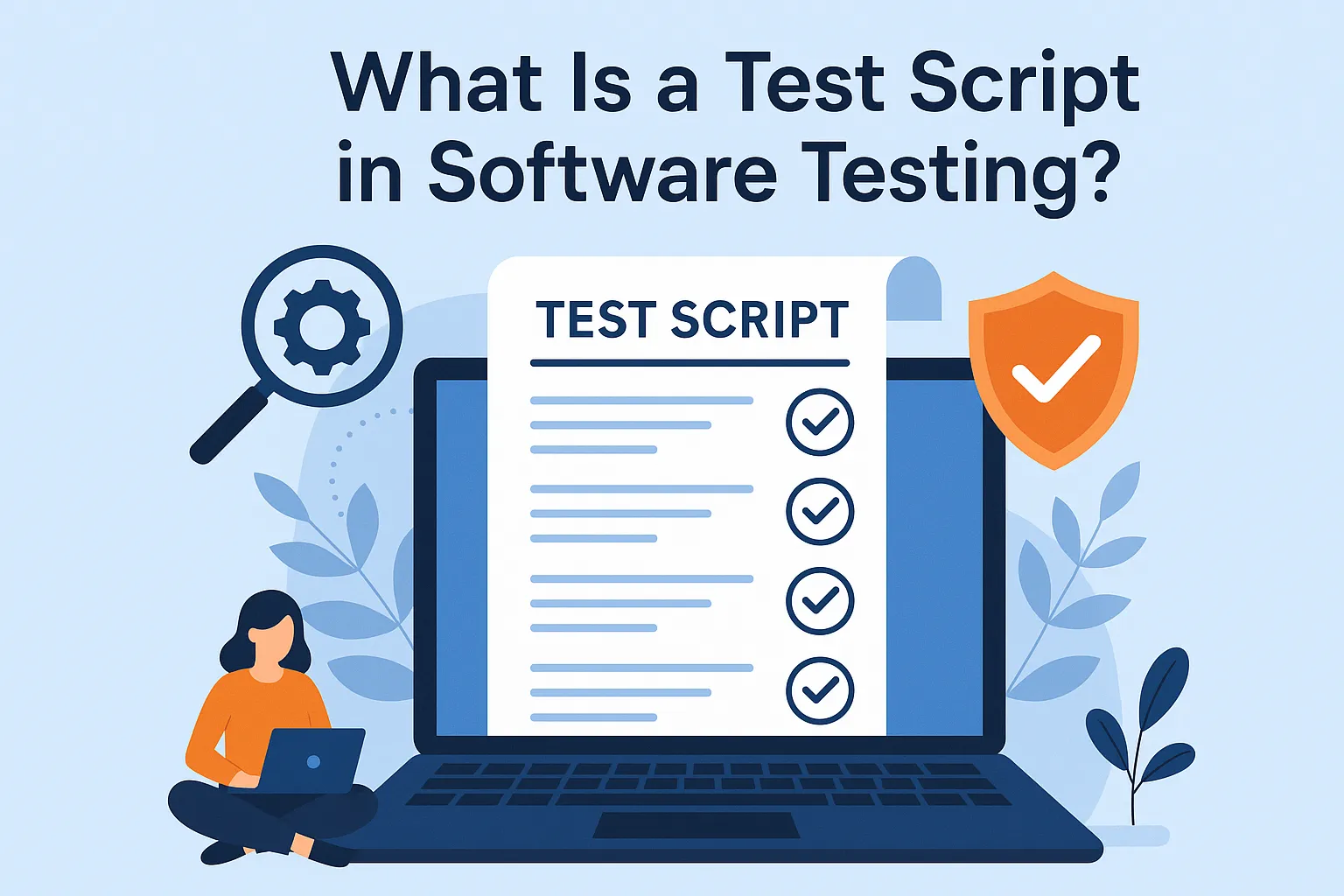
What is a Test Script in Software Testing?
A test script is a detailed set of step-by-step instructions that guides testers or automation tools through executing a specific scenario. Unlike a test case, a test script defines how to run it. Weak scripts are the root cause of flaky tests and missed defects. Keploy removes the scripting burden entirely by generating them automatically…
-
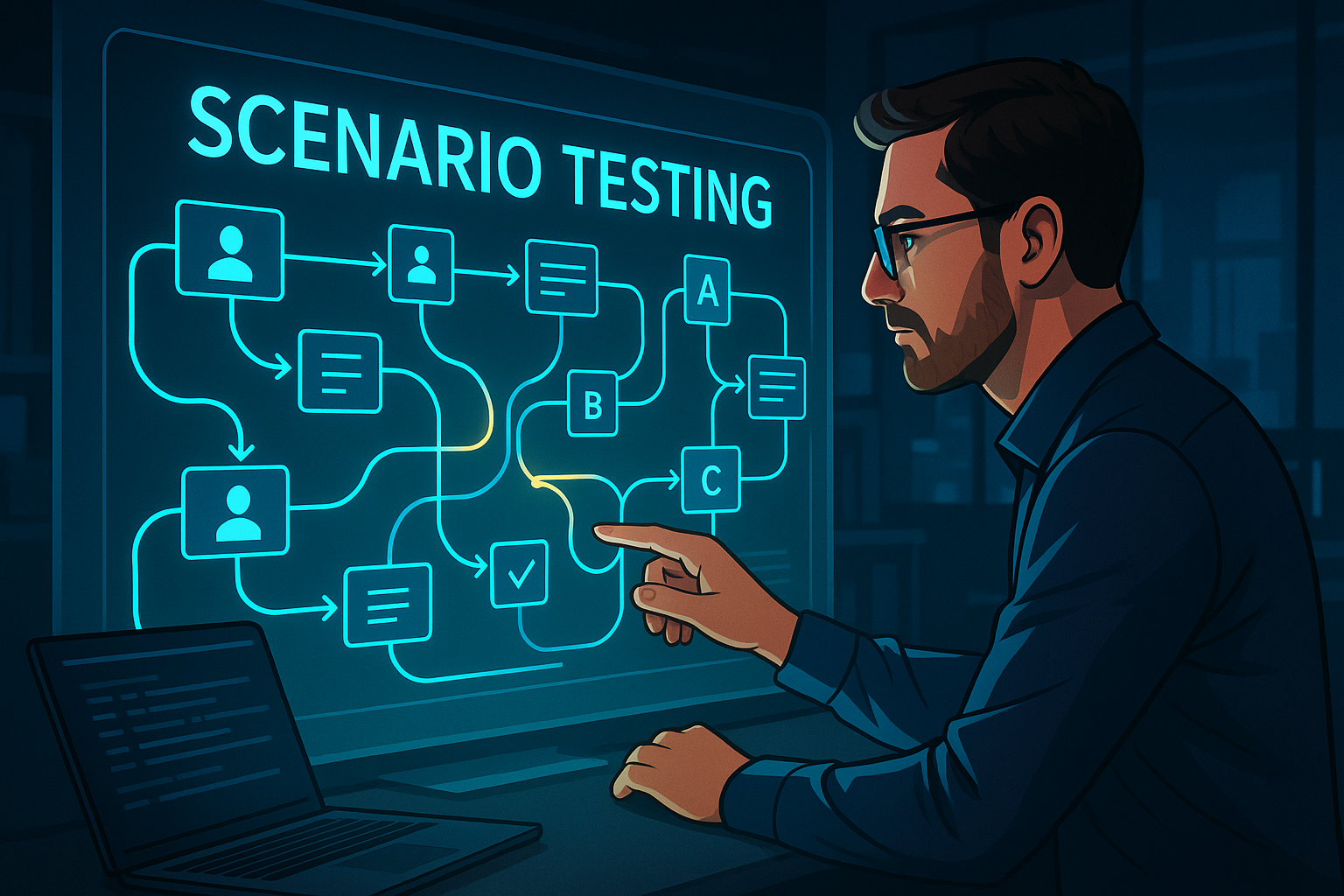
Scenario Testing: A Complete Guide for QA and Software Teams
Scenario testing is a functional testing technique that evaluates software using realistic, end-to-end stories of how users interact with the system. Instead of isolated inputs, each scenario follows a plausible user journey, exposing workflow gaps, integration issues, and usability problems that single-feature tests overlook. In contemporary software engineering, it is not sufficient to simply confirm…
-
How to Use Coverlet Coverage for Improved Code Quality in Testing?
Have you ever considered how well-tested your .NET code simply is? Many teams feel their test suite is complete until a bug makes its way into production. The hard part is not just writing tests, but determining if tests cover critical paths. When using standard coverage tools, coverage can seem convoluted and unrelated to how…
-

How to Build an Automation Framework for API First Testing
An automation framework for API-first testing is a structured set of guidelines, reusable components, and tools that standardizes how API tests are written, run, and maintained across a team. A strong one combines test data management, configuration management, a test execution engine, reporting, error handling, and CI/CD integration. To build it, define your scope, pick…
-
What Is a Test Environment? A Complete Guide for Developers
A test environment is a controlled setting that includes software, hardware, network configuration, test data, and testing tools, where applications can be set up and validated before they are delivered to real users. It can be understood as a safe space for developers and QA engineers to do an assessment of how an application performs…
-
Test Recorder: The Fast-Track to Codeless UI Test Automation
Introduction Software teams today are routinely under pressure to release features more quickly, while keeping quality in check, in today’s fast-paced digital ecosystem. Automation testing enables teams to develop this balance; however, most teams find that writing and maintaining test scripts becomes a heavy burden with technical complexity, and takes time away from building features.…
-
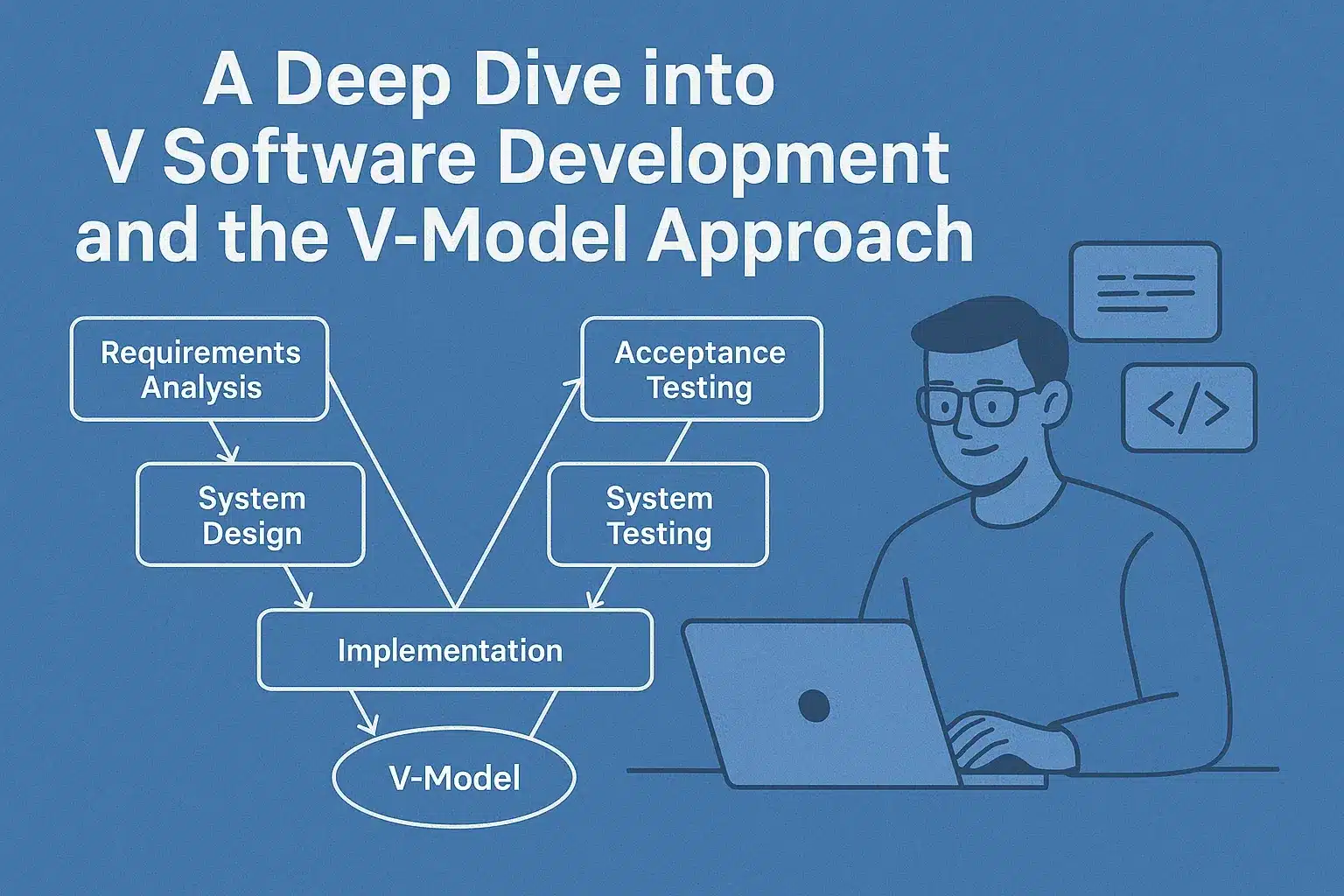
A Deep Dive into V Software Development and the V-Model Approach
The V-model is a software development approach that pairs each development phase with a corresponding testing phase, arranged in a V shape. As requirements, design, and coding descend one side, matching acceptance, system, integration, and unit tests rise on the other. It emphasizes early test planning and verification at every stage. In the high-speed world…
-
What Is Test Completion in Software Testing?
Test completion is the formal point at which testing objectives for a defined scope- release, sprint, or feature – have been met against pre-agreed exit criteria. It’s a decision based on artifacts, not opinions: test execution rate, defect thresholds, coverage metrics, and a sign-off report. Critically, completion criteria differ by test level – what “done”…