Keploy Blog Website
-

How to Use a Testing Suite in Software Testing
Quality assurance (QA) is no longer an optional luxury in today’s software development, it is a necessity. As applications become more complex, executing or managing hundreds or thousands of tests by hand is increasingly impractical. Testing suites in software testing provides a way to manage a formal collection of test cases to test various aspects…
-

How to Create a Pandas Pivot Table in Python
In today’s data-driven world, collecting data is easy, but making sense of it is what truly matters. That’s where Pandas pivot tables come into play. With just a few lines of Python, you can quickly turn disorganized data into meaningful, well-structured summaries. Imagine Excel pivot tables, but faster, more flexible, and fully powered by code.…
-

Understanding the Differences Between Windsurf and CursorAI
In 2025, AI-powered coding platforms have rapidly moved from "nice to have " to an important part of modern developers. The tools that caught everyone’s attention in these are Windsurf and Cursor. It is hard to choose between the Windsurf vs cursor – they are mostly similar. They are both IDEs (integrated development environments) which…
-
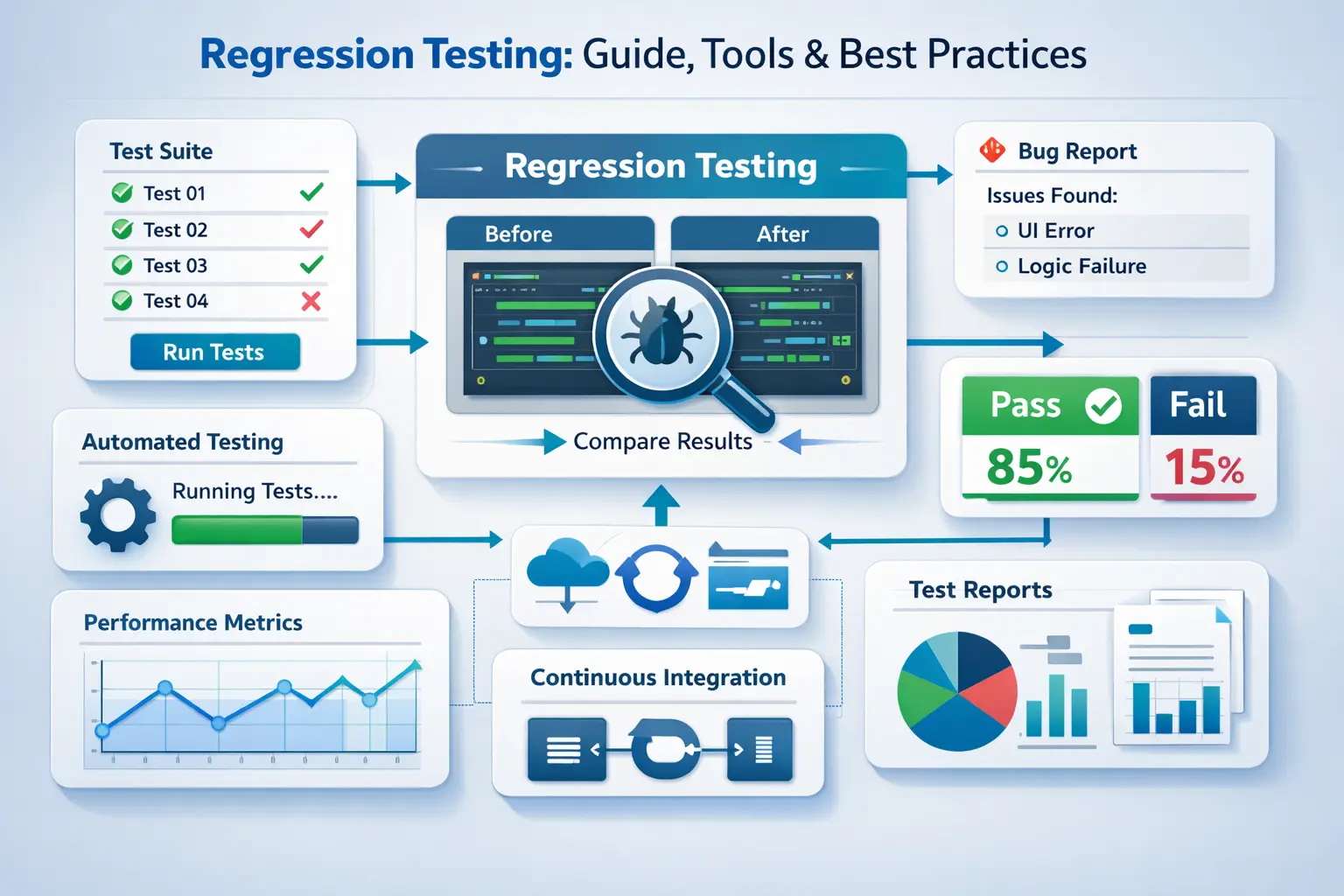
Regression Testing: Techniques, Tools & Best Practices (2026)
Every stable release depends on one thing holding: that what worked before still works after the change. It differs from smoke testing in depth: smoke checks only critical paths, while regression validates broadly across affected areas. At the API layer, Keploy captures real traffic and converts it into test cases automatically, removing the manual scripting…
-
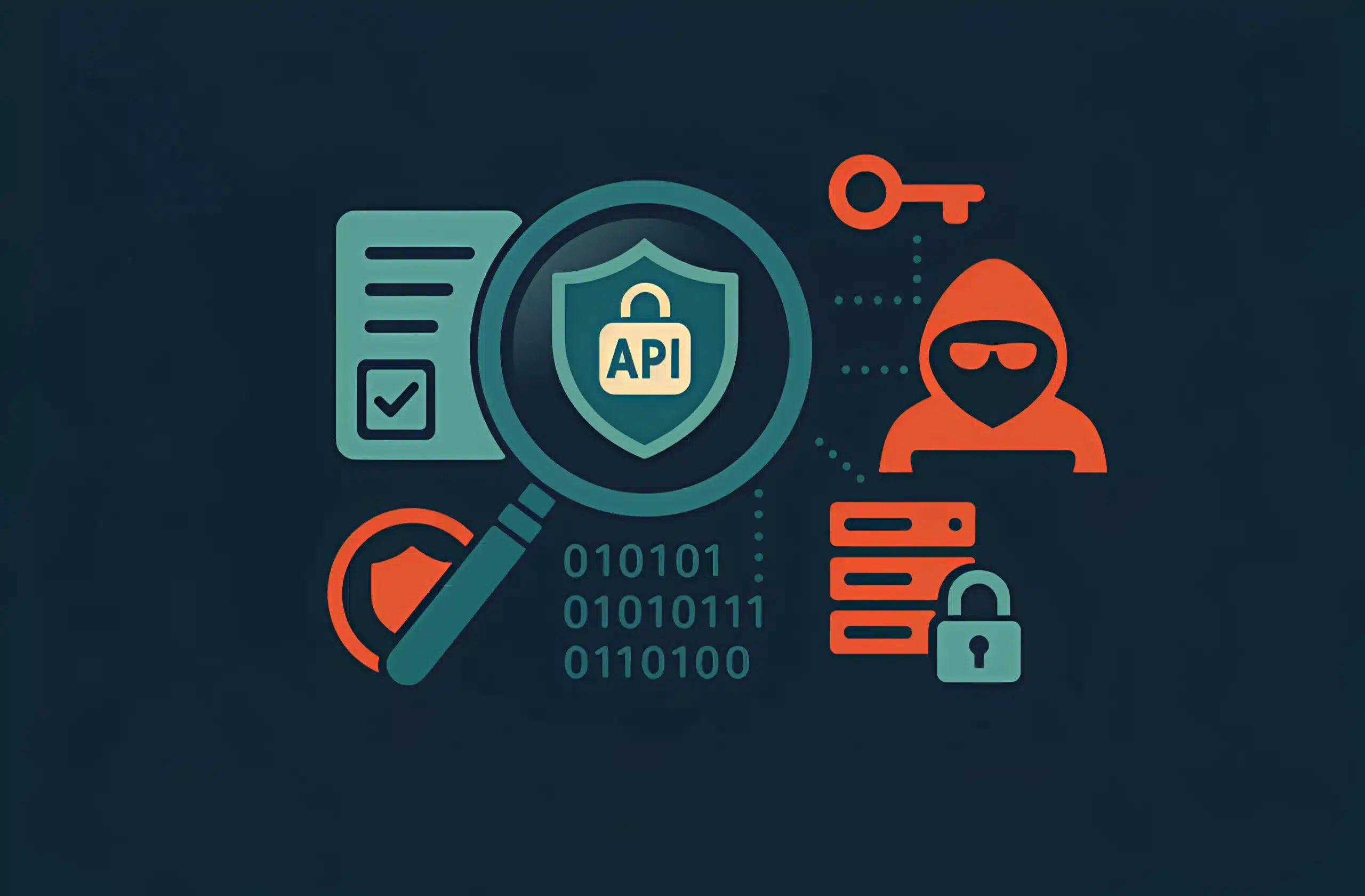
API Security Testing 101: Protecting Your Data from Vulnerabilities
Data is vital to everything we do in the modern world. When it comes to data, we cannot ignore APIs. They act as the internet’s functional backbone, helping in the smooth transfer of data between servers, apps, and devices. APIs must be protected from risks and vulnerabilities because they are used at every step. This…
-
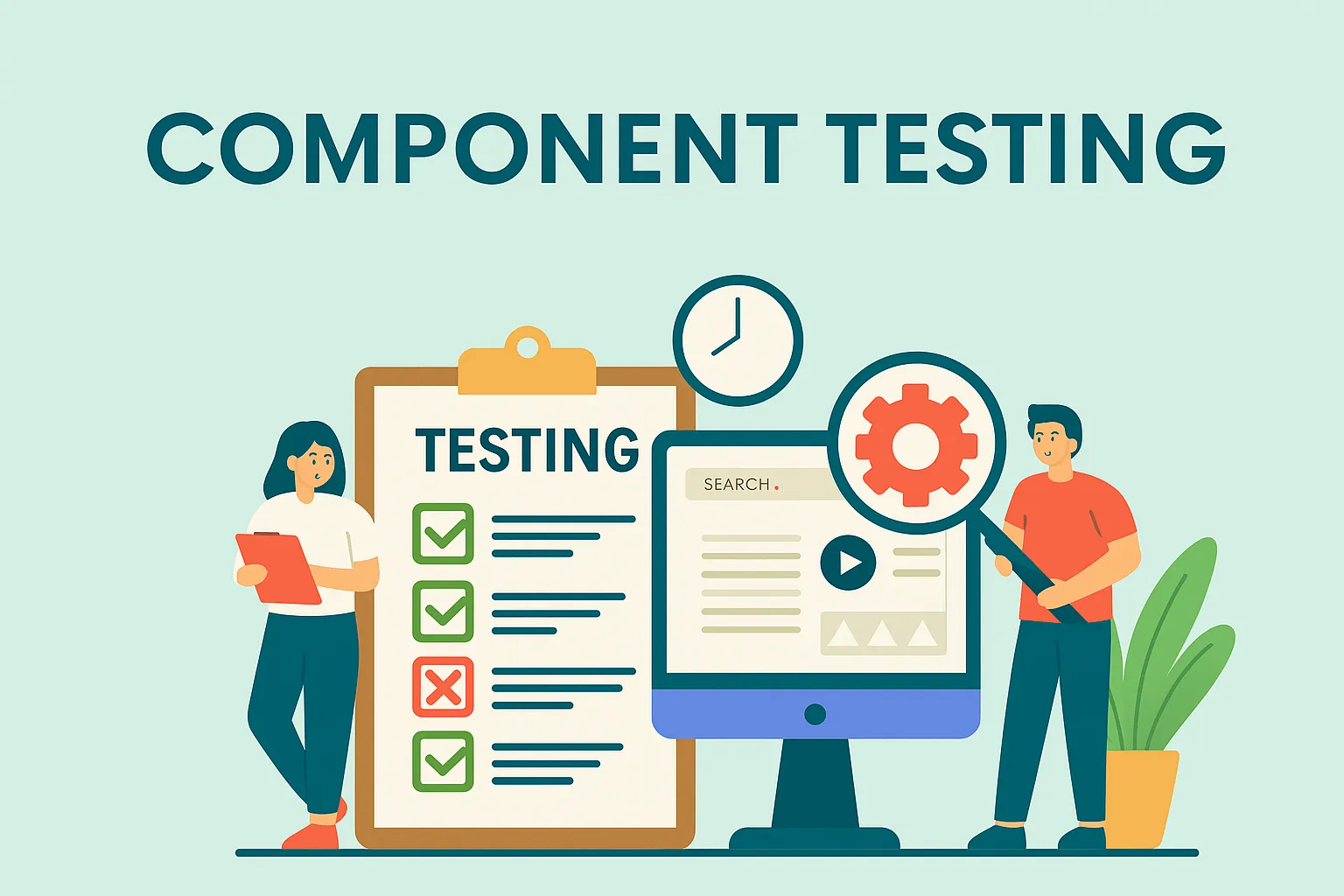
What is Component Testing?
Component testing verifies that an individual software component or module works correctly in isolation, independent of the rest of the system. Sitting between unit and integration testing, it validates a component’s full functionality through its interfaces, often using stubs or mocks to stand in for dependencies not yet available. Constructing software is like creating a…
-
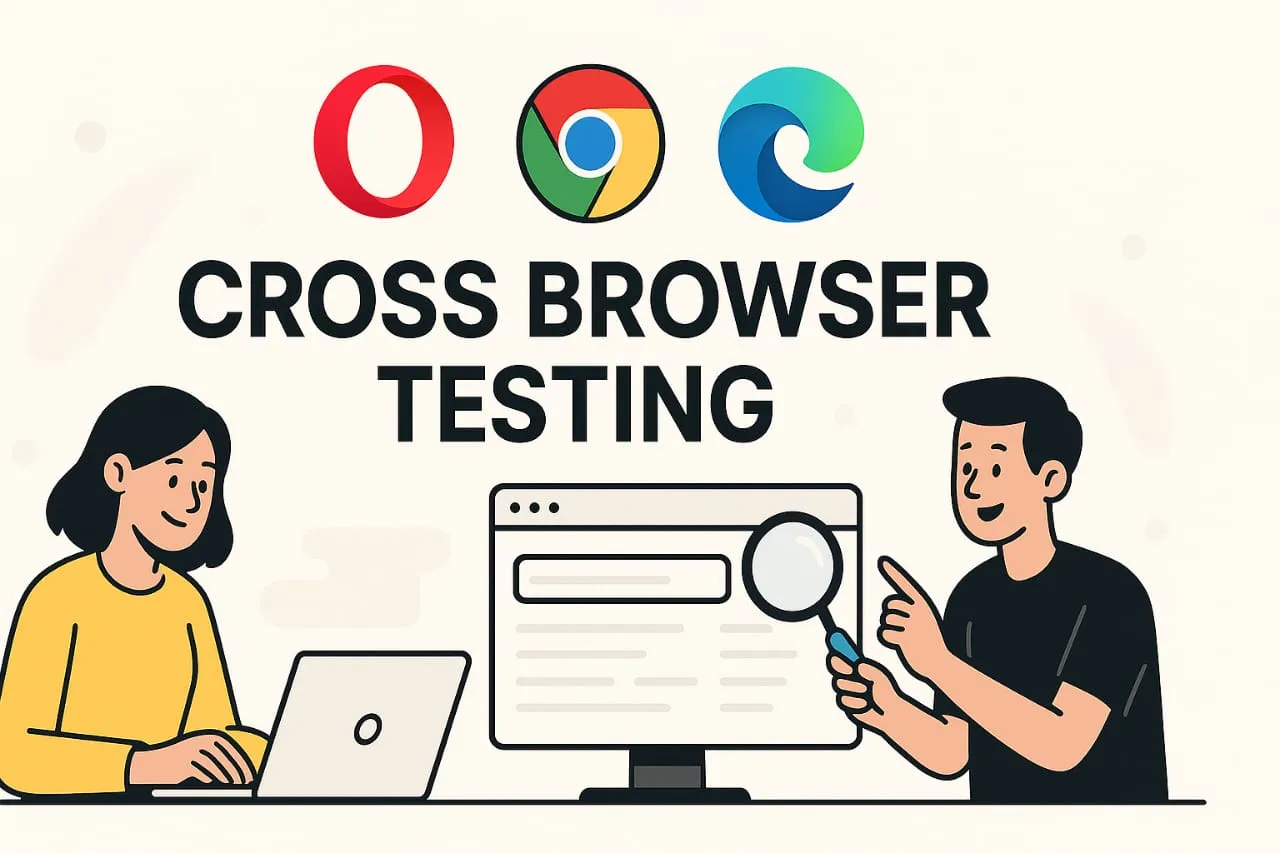
Cross Browser Testing: A Complete Guide
Different browsers can display the same website in completely different ways. What seems great in Chrome can be broken in Safari, and what works in Firefox just might fail in Edge. Cross browser testing ensures that your website works consistently across all the browsers before your potential users see problems. That way, the team can…
-

Generative AI vs Machine Learning
Artificial Intelligence(AI) has recently become a hot topic across industries transforming sectors like finance, healthcare, education and research. The two of its subfields are Generative AI and Machine Learning(ML), but both of these terms are often confused for one another. we will explore the difference in purpose, techniques and capabilities in this blog. What is…
-
Microservices Testing Guide (2026): Types, Strategies, and Best Practices
API testing for microservices is one of the most important parts of ensuring distributed applications work reliably. If you’re wondering how to test microservices, you need more than unit tests—you need API testing, integration testing, contract testing, and end-to-end validation. In this guide, you’ll learn a practical step-by-step approach to testing microservices and see how…
-
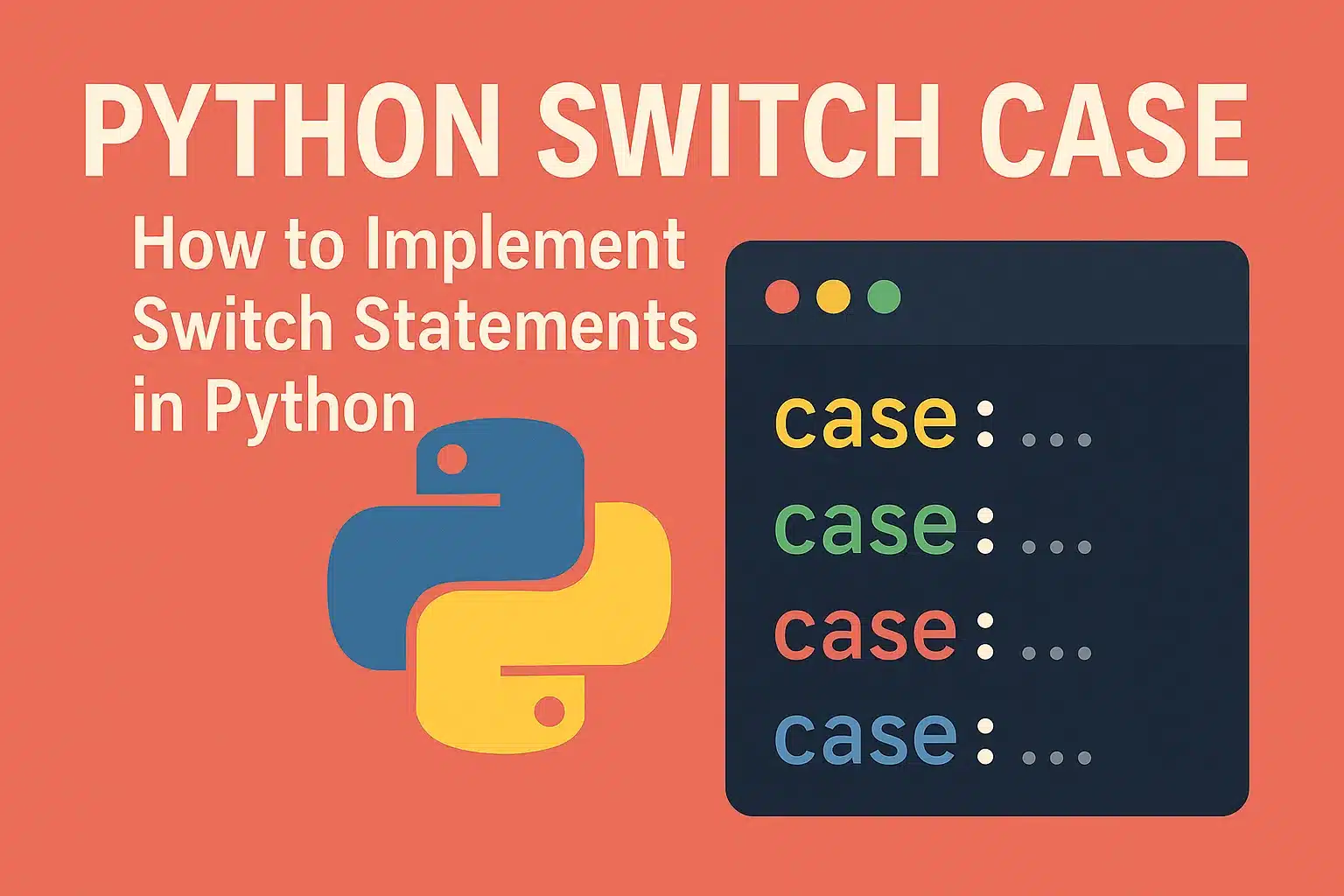
Python Switch Case: How to Implement Switch Statements in Python
Have you ever wished Python had a native switch-case statement like C or Java? It would make conditional logic so much easier to read, especially when you have more than 3 conditions to handle. While Python doesn’t offer a built-in switch-case structure, the good news is that there are clean and Pythonic ways to achieve…