Keploy Blog Website
-

YAML vs YML: Is There a Difference? Complete Developer Guide
Key Takeaway: YAML and YML are identical in functionality — both extensions are valid for YAML files. The official YAML specification recommends .yaml, and most modern tools and frameworks (Docker Compose, Kubernetes, GitHub Actions) default to .yaml. Use .yml only when required by legacy tools or existing project conventions. The content and parsing behavior is…
-

Python Testing with Pytest: Features & Best Practices
The importance that we give to developing the application with the software engineering best practices, and principles, the equal importance and significance lies to the unit testing side of the codebase. This is where Pytest, a robust, scalable, feature-rich, unit testing framework for Python comes into picture. It’s being widely used by many open source…
-
No-code API testing tools: top 5 picks and best practices (2026)
No-code API testing tools let you build, run, and maintain API tests through a visual, drag-and-drop interface instead of writing code. They support REST, SOAP, GraphQL, and gRPC, and plug into CI/CD pipelines for automated regression. Popular options include Keploy, Leapwork, and Katalon, with Keploy generating tests and mocks automatically from real API traffic. In…
-

Mastering NYC: Enhance JavaScript & TypeScript Test Coverage
NYC, often referred to as Istanbul’s command-line interface (CLI), is a powerful code coverage tool designed specifically for JavaScript testing. It works seamlessly with testing frameworks like Mocha, Jest, and Ava, making it an invaluable resource for developers looking to measure and improve the coverage of their tests. NYC not only tracks how much of…
-

Understanding Different Types of Behavioral Unit Tests
Behavioral unit tests verify what a unit of code does, its observable outcomes and interactions, rather than its internal implementation. Common types include state-based tests, which check returned values or state, and interaction-based tests, which verify calls to dependencies via mocks. They are often written in a given-when-then, behavior-driven style. Behavioral unit tests are an…
-

Essential Functional Testing Tools for Mobile Development
Mobile apps ship fast and run on hundreds of device and OS combinations, so checking that every feature still works by hand does not scale. Mobile functional testing tools automate that check: they tap, swipe and type through real user flows on Android and iOS and confirm each screen behaves the way the requirements say.…
-

eBPF for TLS Traffic Tracing: Secure & Efficient Observability
Tracing TLS (Transport Layer Security) traffic is crucial for modern observability systems. It helps monitor encrypted communication, diagnose issues, and optimize application performance using insights from network traffic telemetry. However, traditional methods like TLS proxying and packet capturing often come with significant performance overheads and security risks. They are not always the ideal solution, particularly…
-

Chaos Testing Explained: A Comprehensive Guide
Chaos testing, also known as chaos engineering, is one of the most-used methodology to test the resilience and reliability of systems, and is a key part of modern resilience testing practices. Originating from Netflix’s famous Chaos Monkey tool, chaos testing has become a key practice in building robust distributed systems. In this blog we’ll be…
-
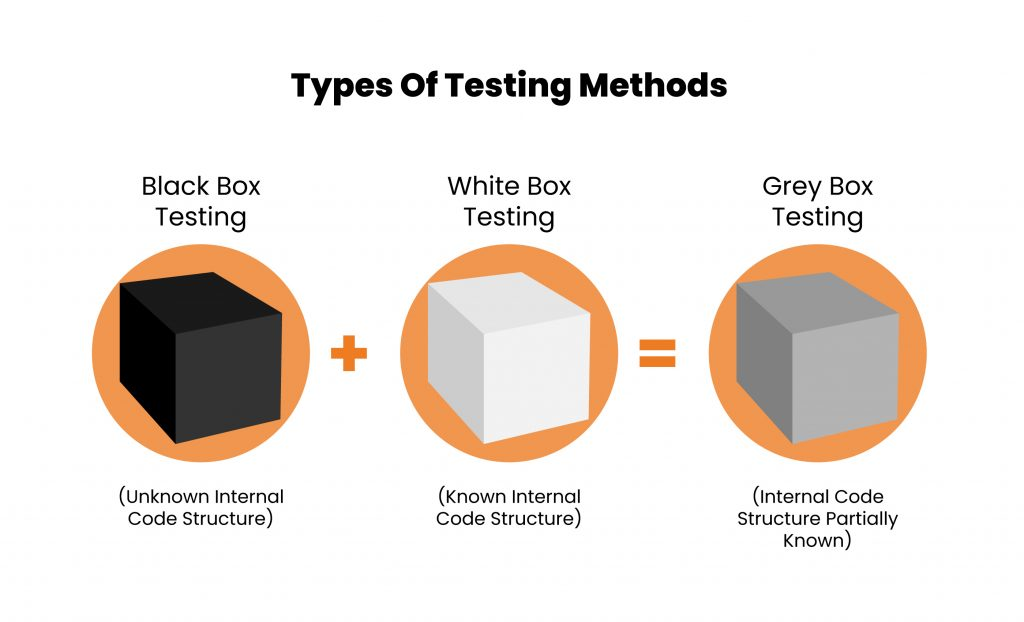
Black Box vs White Box Testing: Differences & Techniques (2026)
Last updated: 28 October 2026 Black box testing evaluates software behavior from the outside – testers validate inputs and outputs without any knowledge of internal code, making it ideal for functional and acceptance testing. White box testing examines the internal code, logic, and structure directly, catching security vulnerabilities and logic errors invisible from the outside.…
-

Stubbing and Verifying: My Journey to Smarter Testing 🚀
Let’s talk about stubbing and verifying – two critical tools that transformed how I approach testing. Early in my career, testing was often frustrating, slow, and full of surprises, most of them bad. I used to think testing meant running my app against real systems and crossing my fingers that everything worked. Spoiler: it rarely…