Tag: api-testing-tools
-
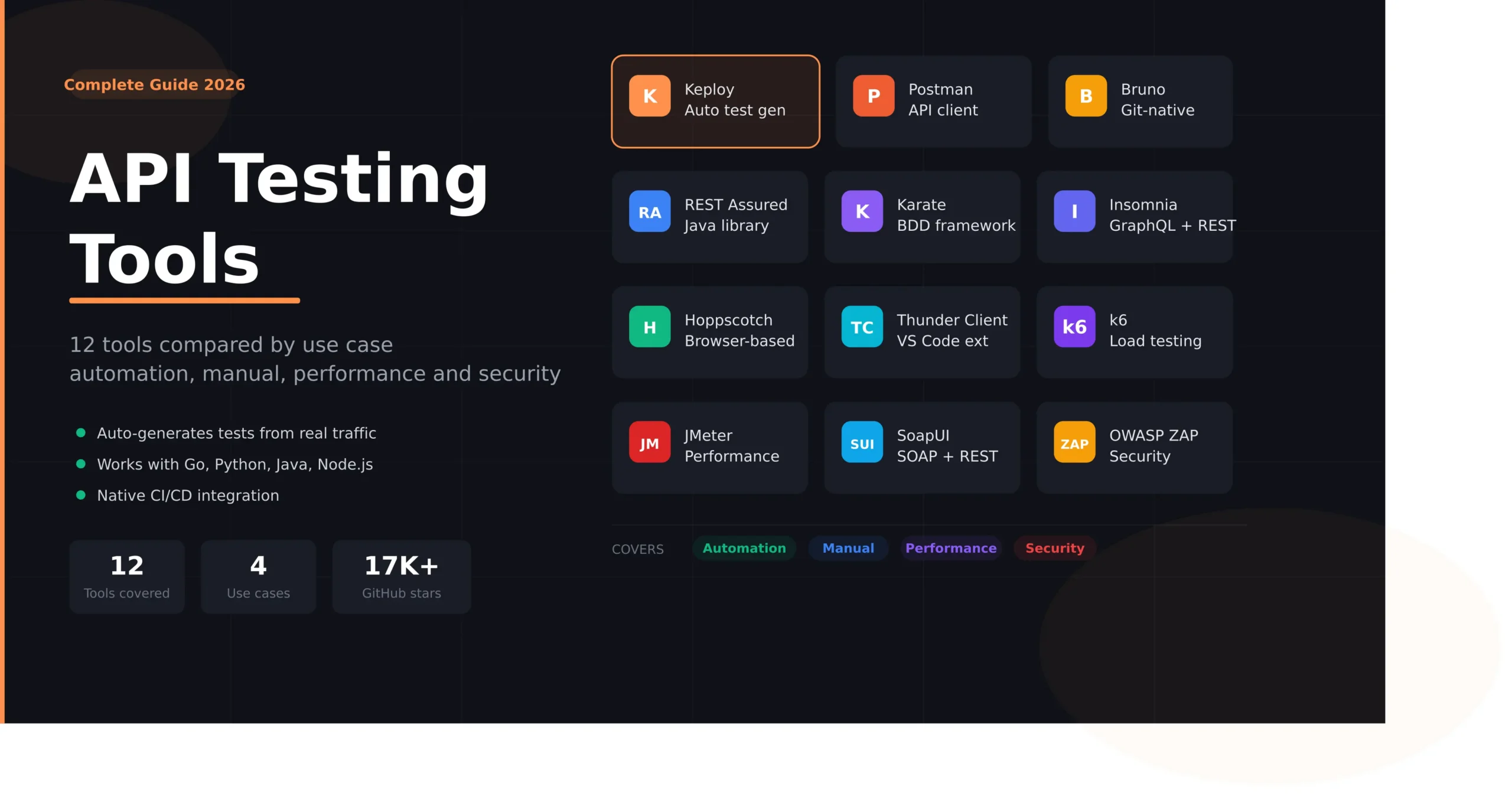
API Testing Tools: The Complete Guide for 2026
Last updated: August 2026 Key Takeaway The best API testing tool in 2026 depends entirely on what your team is trying to do. If you want to stop writing tests by hand and automatically generate them from real traffic, Keploy is the only open-source tool built specifically for that. For manual exploration, Bruno and Postman…
-
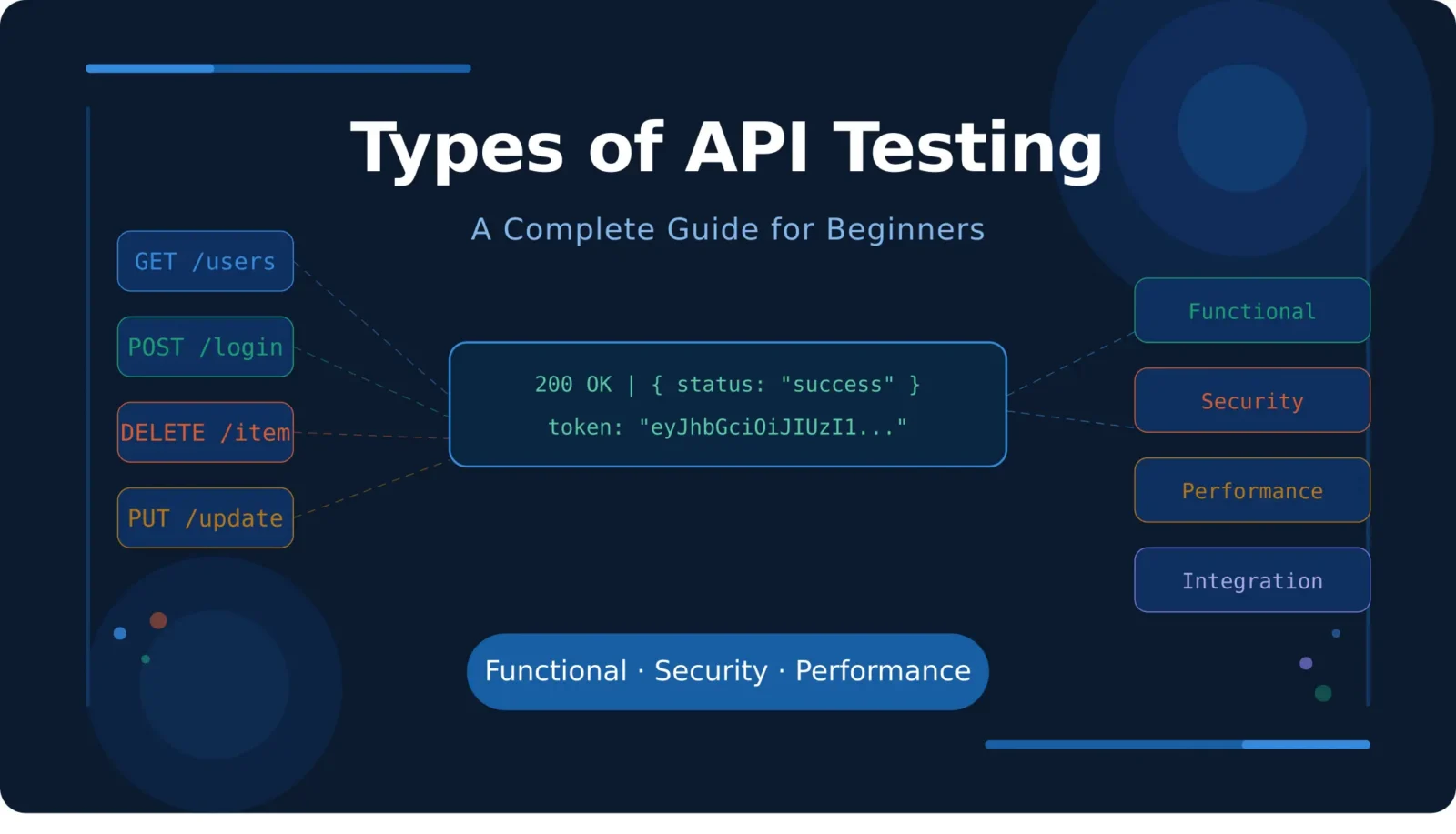
10 Types of API Testing Explained with Examples (2026)
APIs (Application Programming Interfaces) are the backbone of modern software; they let applications talk to each other, share data, and trigger actions across systems. Before any API goes live, it needs to be thoroughly tested to ensure it works correctly, handles edge cases, performs well under load, and stays secure. This guide covers all major…
-
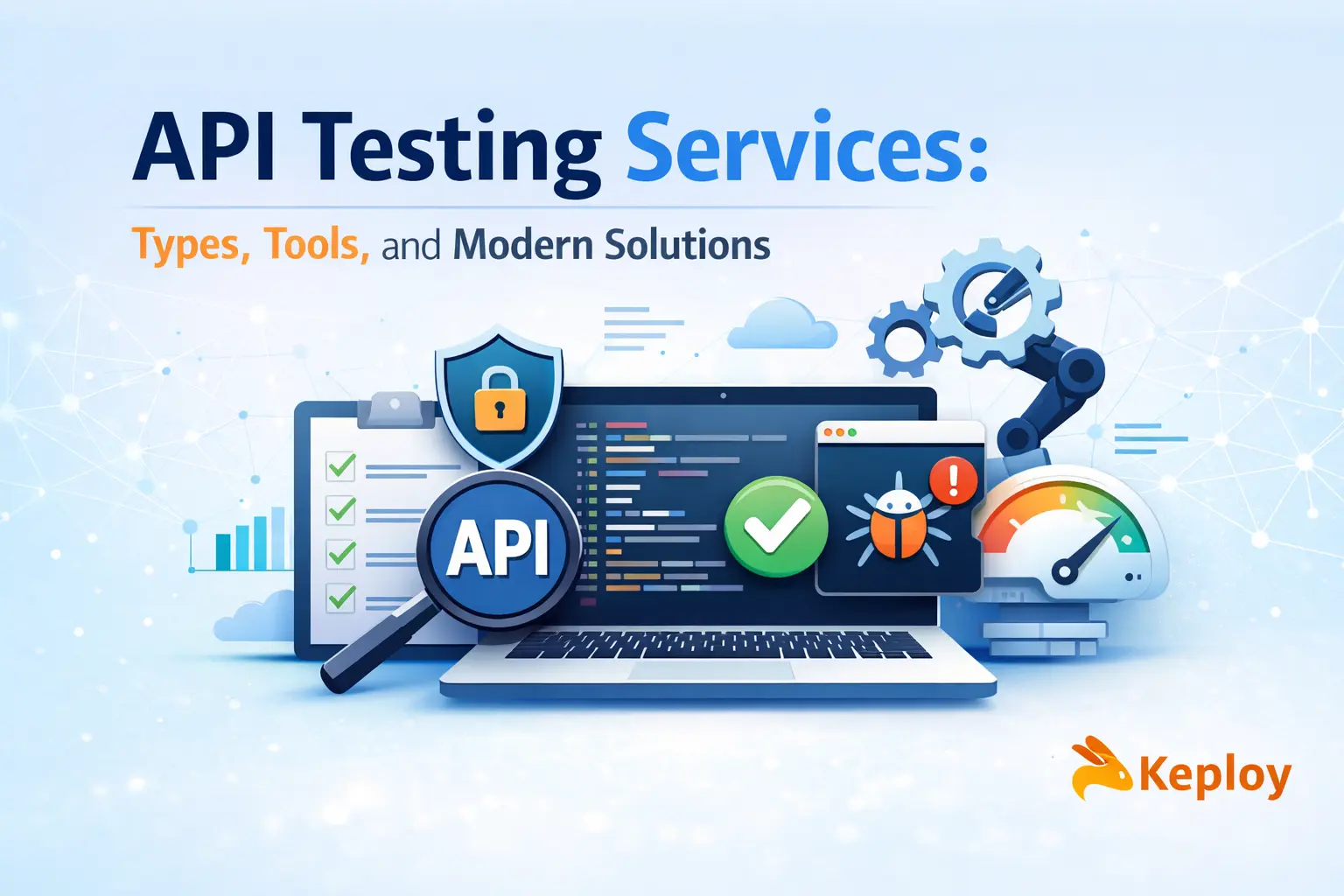
API Testing Services: Solutions, Process, Tools & Best Providers
API testing services help organizations validate API functionality, performance, security, integrations, and reliability across the software lifecycle. These services are typically delivered by QA teams, testing vendors, or automation platforms to ensure APIs work correctly in real-world environments. APIs are no longer just backend infrastructure—they are the backbone of modern digital products. Whether you’re building…
-
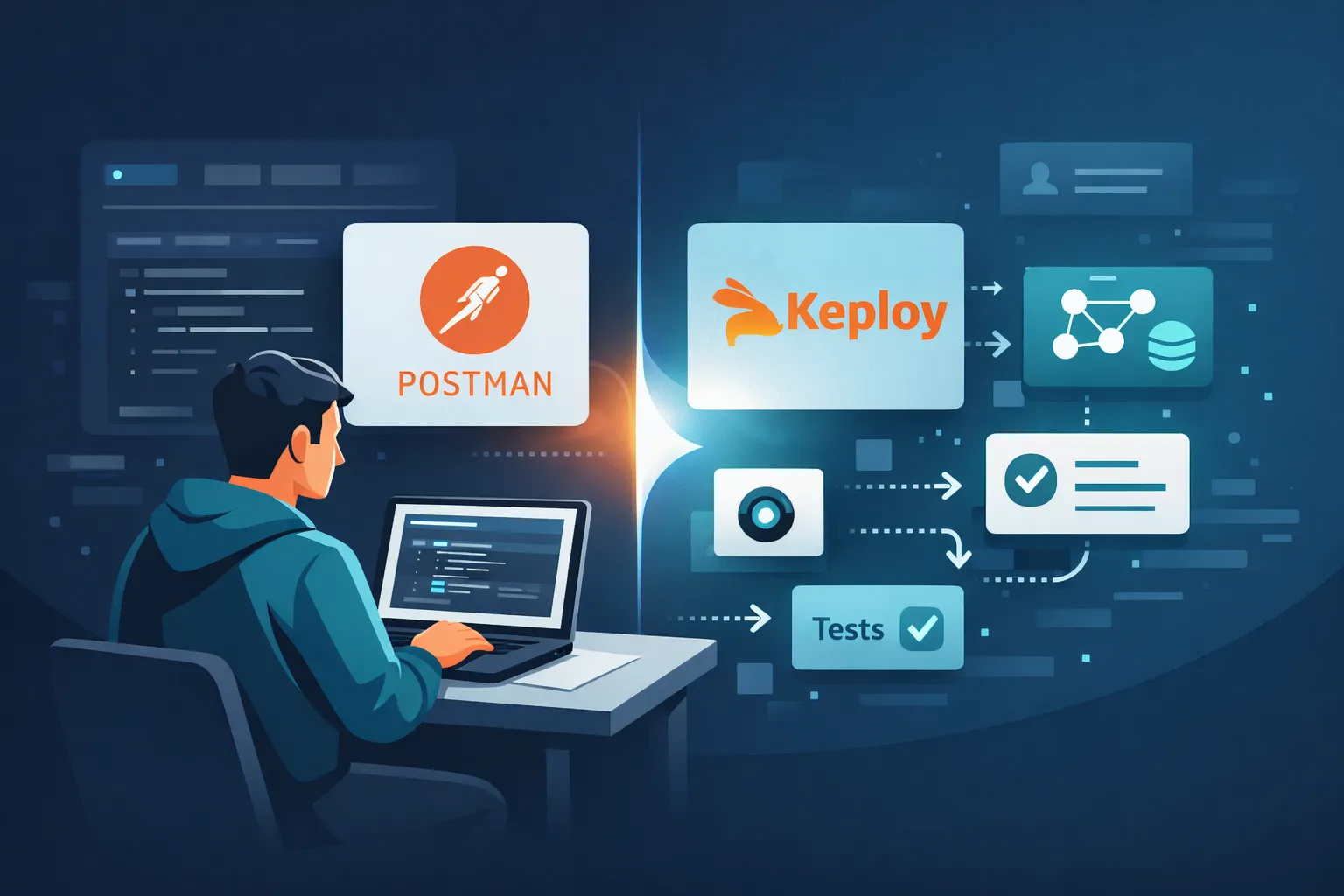
Postman Alternative: The Best API Testing Tools to Use in 2026
A Postman alternative is any API testing tool that can replace Postman for sending HTTP requests, automating tests, or managing API collections. The best Postman alternatives in 2026 include Keploy, Insomnia, Bruno, Hoppscotch, and Thunder Client — each suited for different team needs and workflows. More teams are rethinking the role of Postman in their…
-
Top Software Quality Assurance Tools for Modern Teams
Shipping software fast is easy. Shipping it fast without bugs? That’s the real test. Modern systems are API-driven, distributed, and constantly deploying – every release brings new risks. To keep defects out of production, teams rely on software quality assurance tools that automate testing, validate APIs, measure performance, and secure applications across environments. This blog…
-
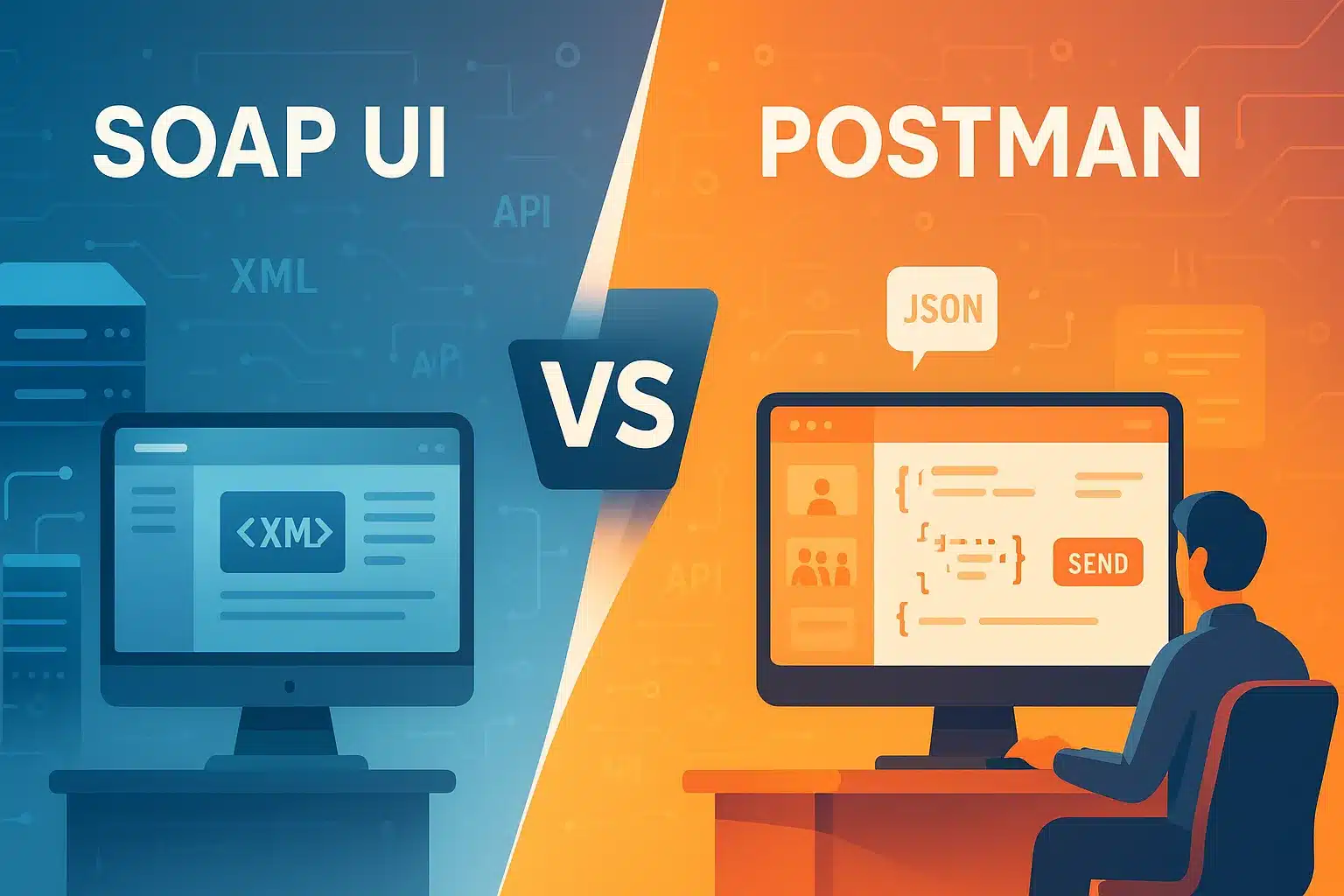
SOAP UI vs Postman for API Testing: Which Should You Use?
Developers and Quality Assurance (QA) teams utilize many different API testing and validation tools to help them simplify the processes of testing, debugging, and validating APIs in the increasingly API-centric world of software development. Modern teams often combine End-to-End Testing with API-level testing to ensure full workflow reliability. Key Takeaway: While SoapUI and Postman both…
-
What is API testing? The complete guide (2026 update)
API testing is the process of directly sending requests to an API and validating its responses — checking that it returns correct data, handles errors predictably, enforces authentication, and performs reliably under load — without going through a user interface. API testing operates at the business logic layer. It catches broken integrations, bad data transformations,…
-
5 Best Open Source API Testing Tools in 2026 (Updated)
APIs have become the backbone of communication between applications in today’s software-oriented world. Digital systems are increasingly complex due to the proliferation of microservices and distributed systems, making API testing both efficient and crucial. A recent study projects the API testing industry to grow from USD 4.92 billion in 2025 to USD 27.38 billion by…
-
Essential Free API Testing Tools Every Developer Should Know
API testing is an essential aspect of contemporary software development, ensuring that the interfaces between various components and systems function correctly. In this blog post, we will dive into some of the top free API testing tools that every developer should know about! From basic HTTP clients to comprehensive testing suites, these tools cover a…
-

Everything You Need to Know About Unit Testing
What are APIs? An API is a set of protocols and tools for building software applications. It specifies how software components should interact with each other, allowing them to communicate and exchange data. APIs often expose data and functionality through a set of endpoints, which are URLs that accept requests and return responses. Why use…