Tag: quality-assurance
-

QA Testing Tools: The Best Options by Category (2026)
QA testing tools have never been more varied, and more confusing to choose between. In 2026, the category spans unit testing frameworks, API automation platforms, AI-powered self-healing test suites, and everything in between. Most teams don’t need one tool. They need a stack of three to five that cover different parts of the delivery cycle.…
-
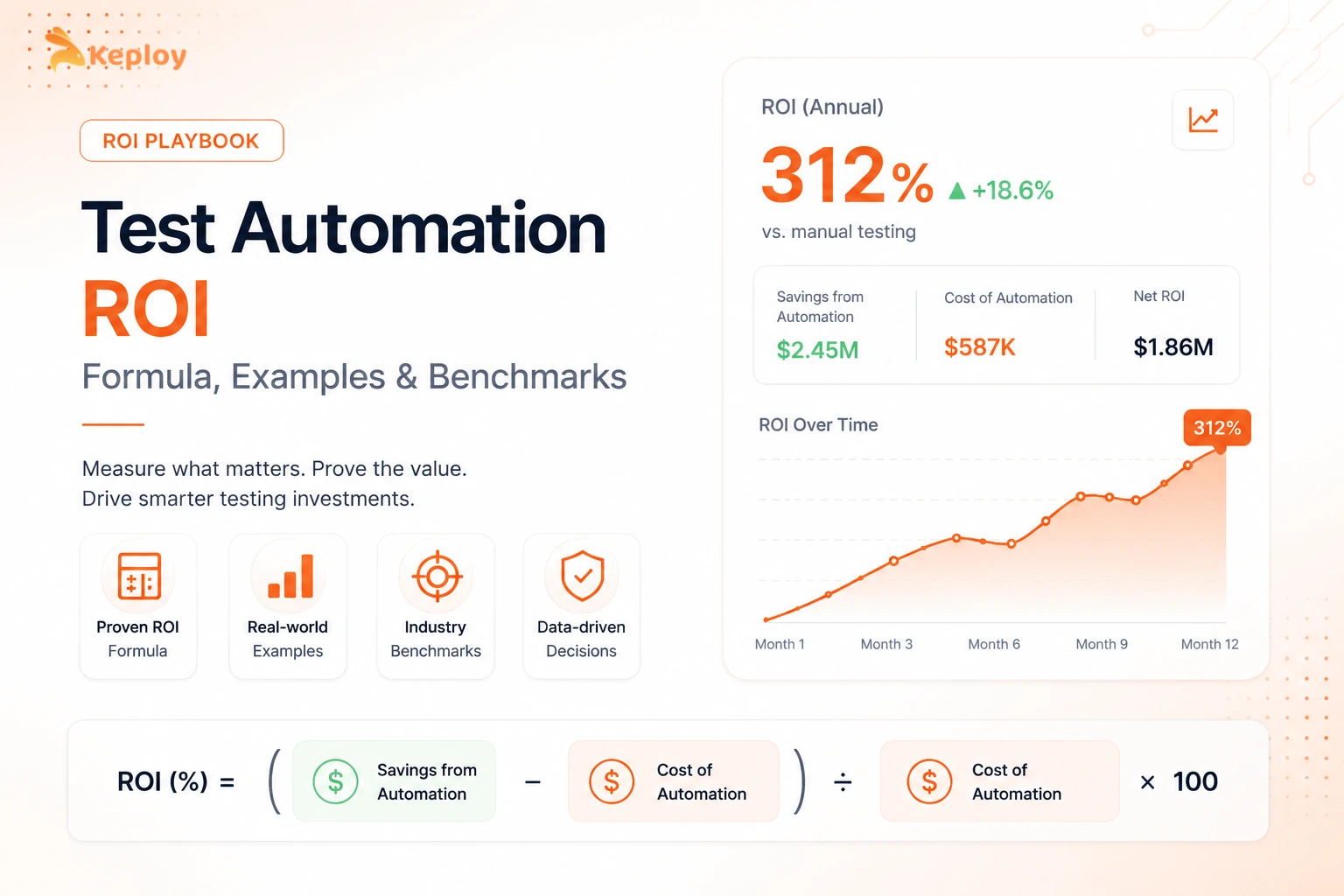
Test Automation ROI: Formula, Examples & Benchmarks (2026)
Test automation ROI measures the financial return of automating tests against the full cost of building and maintaining them. Most teams overstate savings and underestimate maintenance – the cost that compounds quietly year over year. The strongest returns come from keeping the investment side lean. Keploy addresses this directly by eliminating manual test authoring, which…
-
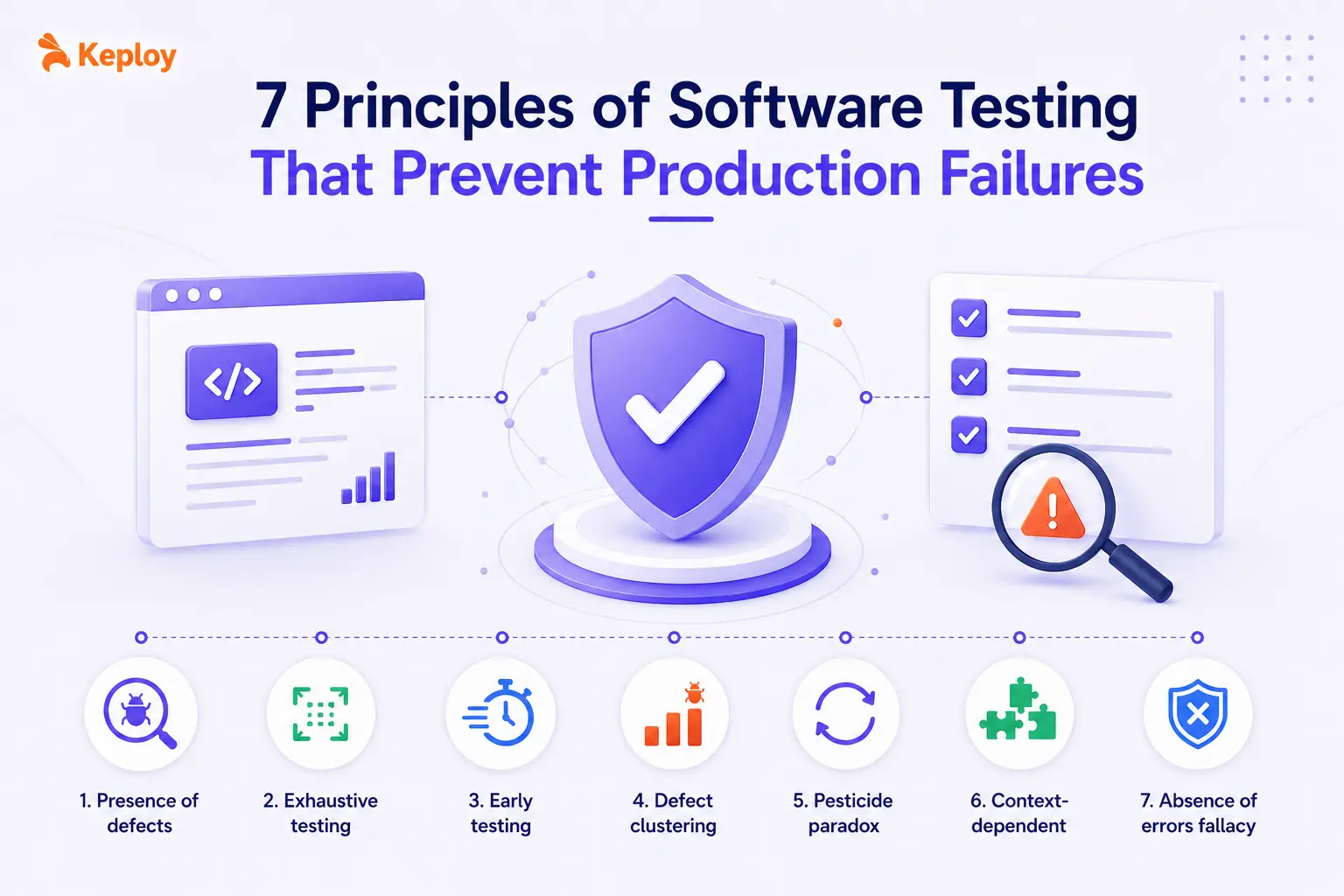
7 Principles of Software Testing That Prevent Production Failures
The principles of software testing are the foundation of building reliable software. I’ve seen teams write thousands of test cases and still miss critical bugs in production. The problem is rarely effort – it’s direction. The software testing principles help teams focus on risk, prioritize effectively, and avoid wasted testing effort. Instead of chasing coverage…
-
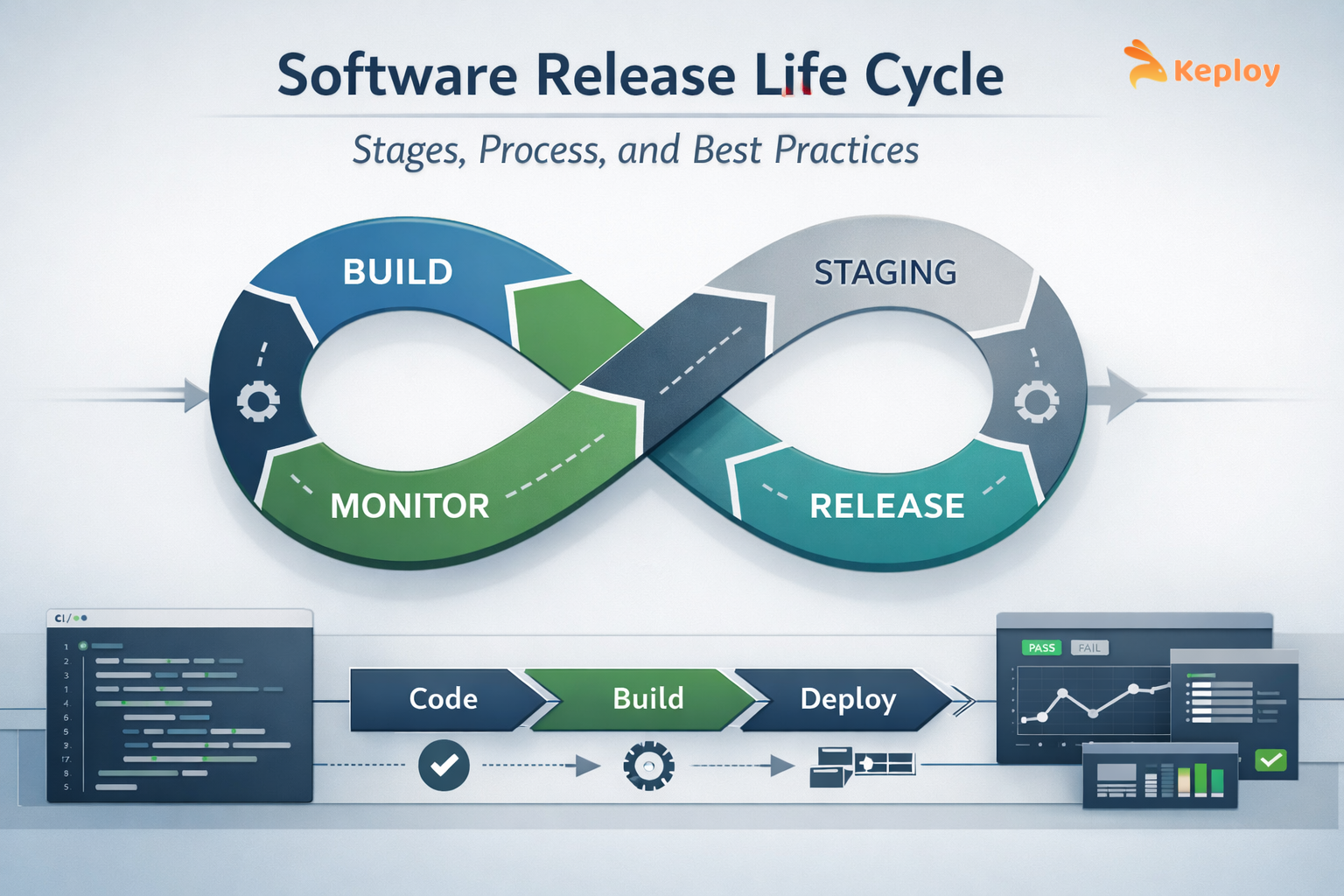
Software Release Life Cycle: Stages, Process, and Best Practices
Software release life cycle is the sequence of stages software moves through from development to production: pre-alpha, alpha, beta, release candidate, and general availability. Unlike the SDLC, the SRLC focuses on how software is validated and delivered safely. One distinction modern teams rely on: deployment and release aren’t the same – code can sit in…
-
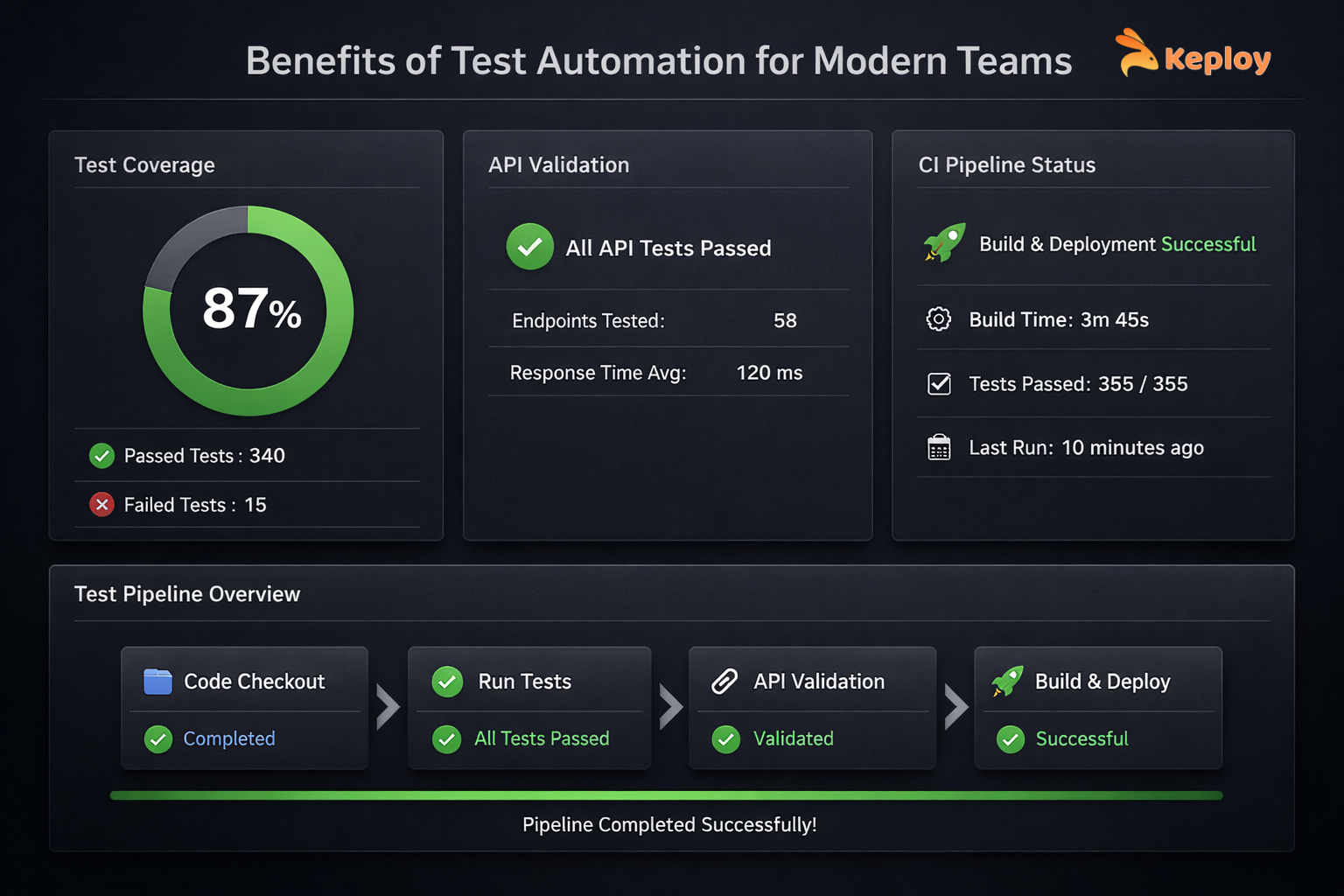
Benefits of Test Automation That Improve Release Confidence
The benefits of test automation become clear when software teams start releasing faster than they can manually test. Many engineering teams today face the same challenge: delivery speed is increasing, but validating every change manually takes too long. Test automation helps solve this by running tests quickly, catching bugs earlier, and reducing repetitive manual work…
-
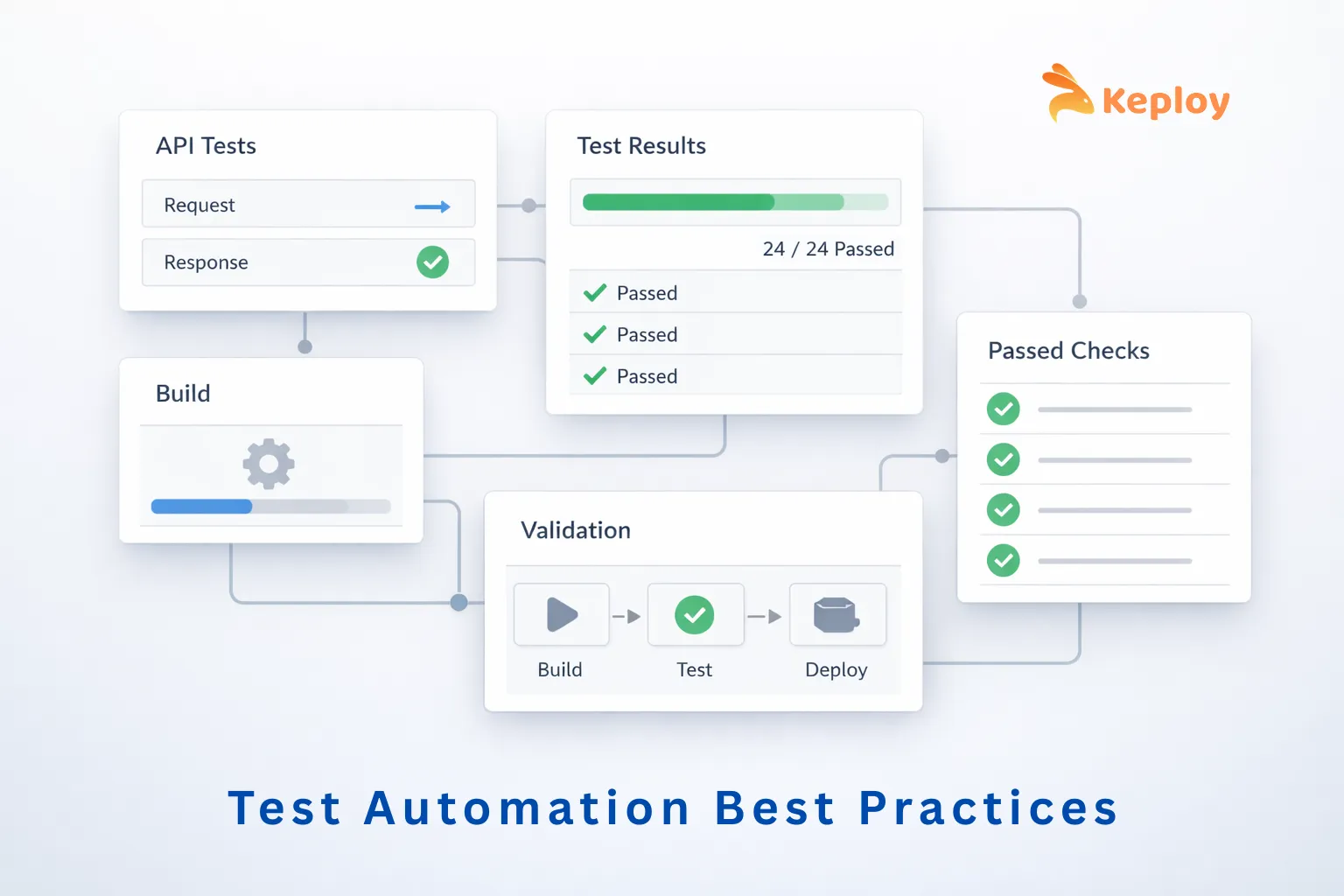
Top Test Automation Best Practices Every Team Should Follow
Test automation has become an essential part of modern software development. In 2026, shipping fast without reliable test automation is almost impossible. Done right, it ensures consistent quality, faster feedback, and fewer production incidents. This guide covers practical test automation best practices used by real engineering teams to deliver measurable results. Benefits of Test Automation…
-
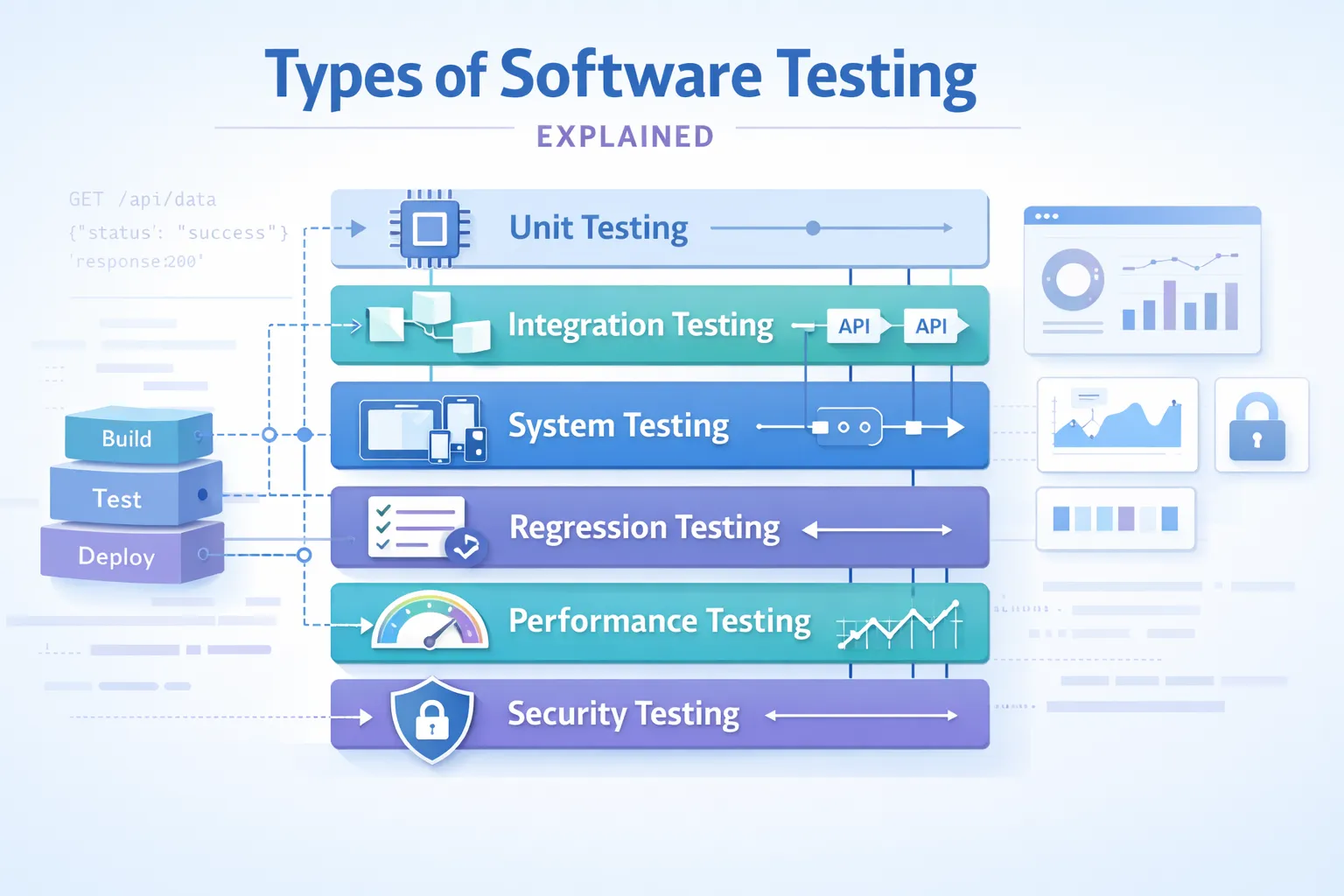
Types of Software Testing: A Comprehensive Guide (2026)
Software testing validates what an application does and how well it does it – from functional correctness and performance under load to security vulnerabilities and cross-environment behavior. Teams organise this work by level, purpose, technique, and execution method. Most combine these based on risk, with API, integration, and regression testing – where Keploy automates coverage…
-
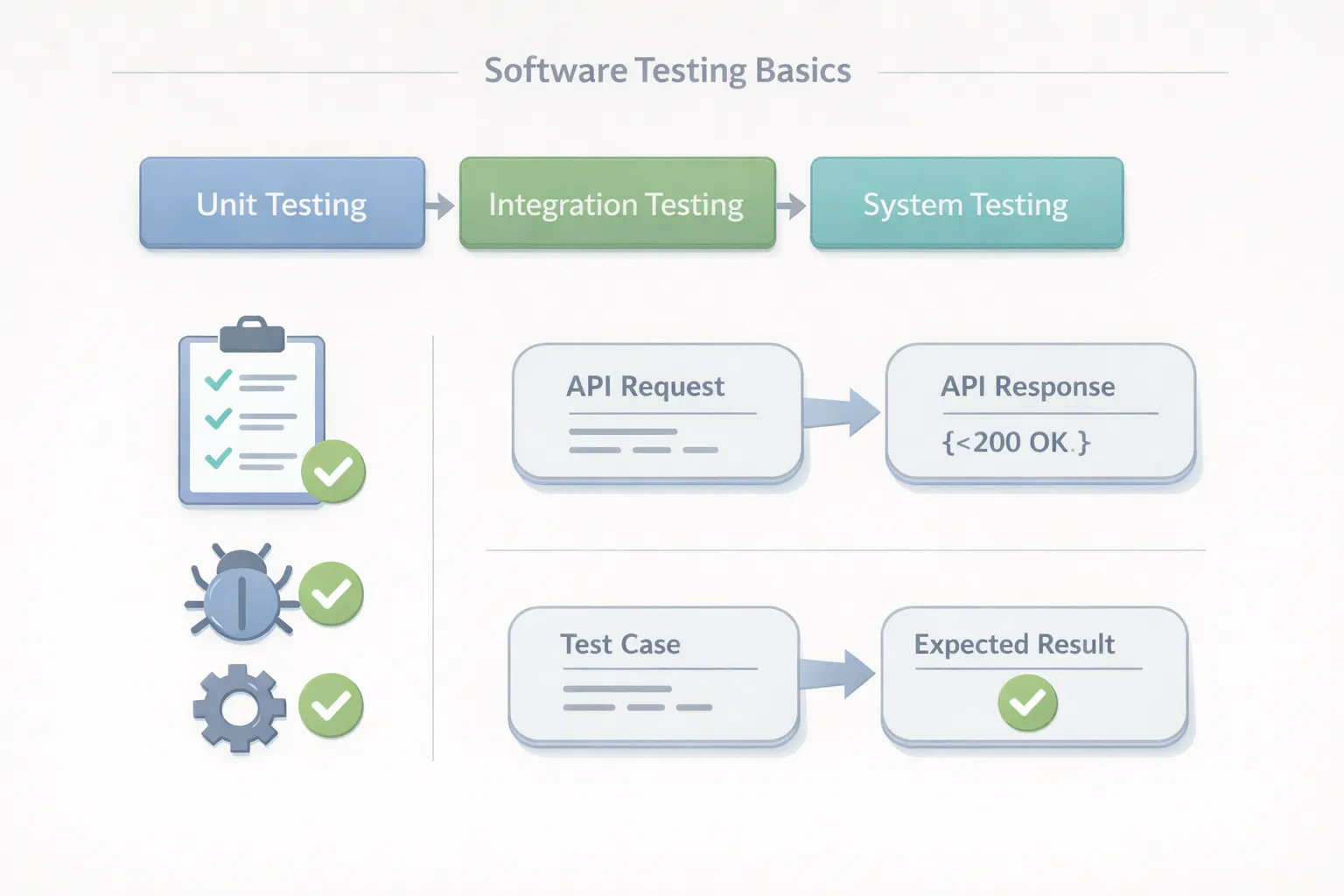
Software Testing Basics Simplified: A Guide For Beginners (2026)
Software testing basics are the shared vocabulary and principles – defect vs failure, verification vs validation, test levels – that turn ad hoc checks into a process teams can trust. Most beginner confusion isn’t about picking test types; it’s these fundamentals staying unclear. The fix: one high-impact flow, a mix of positive, negative, and boundary…
-
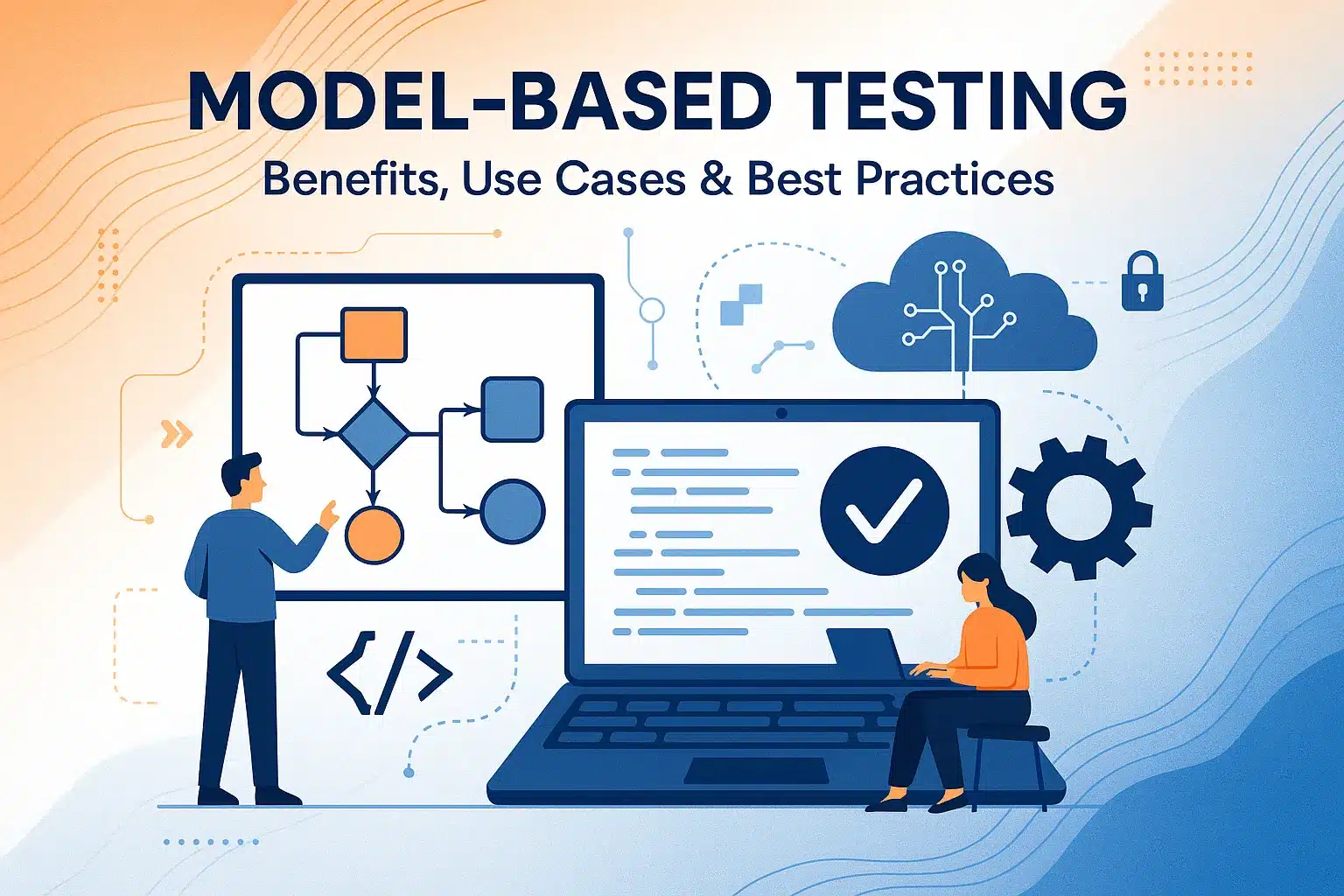
Model Based Testing: Benefits, Use Cases & Best Practices
Model-based testing (MBT) uses visual or mathematical representations of expected system behavior to automatically generate test cases – rather than writing scripts manually. Update the model when requirements change; the tests regenerate automatically. It’s most valuable for systems with complex state transitions and frequently evolving requirements. The limitation: if requirements aren’t stable yet or the…
-

How to Build an Automation Framework for API First Testing
An automation framework for API-first testing is a structured set of guidelines, reusable components, and tools that standardizes how API tests are written, run, and maintained across a team. A strong one combines test data management, configuration management, a test execution engine, reporting, error handling, and CI/CD integration. To build it, define your scope, pick…