Tag: software-testing
-

Speed Up Your Development Cycle With Feature Driven Development
In today’s fast-paced software industry, delivering high-quality applications quickly is a top priority. Development teams are constantly seeking methods to streamline their processes without sacrificing quality. One approach that has gained considerable attention is Feature Driven Development (FDD). This methodology focuses on developing software by building features in a structured, incremental manner, resulting in more…
-
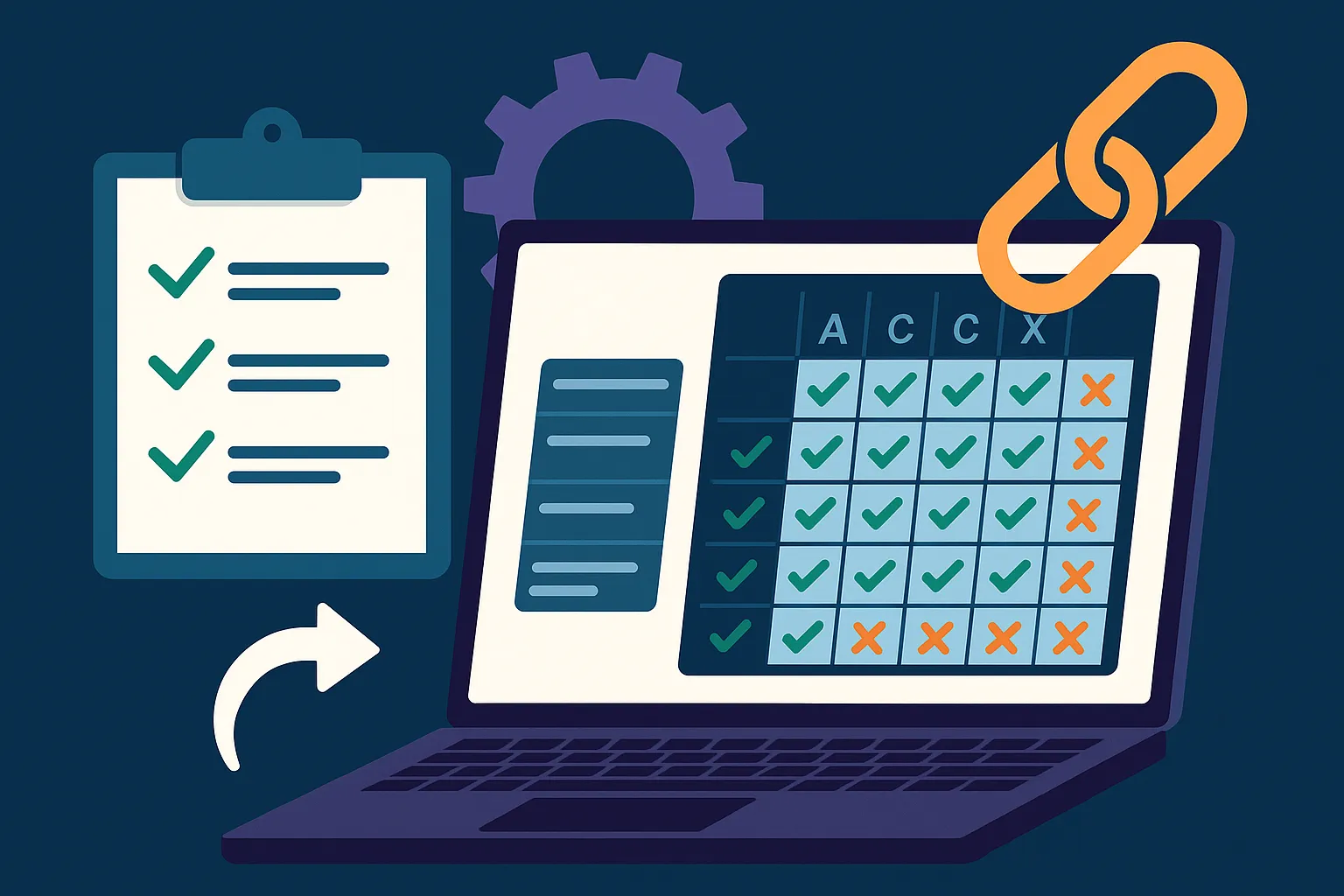
What Is a Traceability Matrix and How to Use It Effectively?
A traceability matrix maps every project requirement to its corresponding test cases, ensuring nothing gets missed before release. It tracks coverage in both directions – from requirements to tests & back- flags gaps or untested functionality. In Agile environments, keeping it updated manually is the hard part; tools like Keploy reduce that burden by auto-generating…
-
Risk Management in Software Engineering
Software risk analysis is the process of identifying, assessing, and prioritizing potential threats to a project’s timeline, cost, or quality before they occur. Every risk is evaluated on two dimensions: probability and impact. In modern DevOps environments, effective risk management is continuous and shift-left – embedded into CI/CD pipelines rather than addressed after problems surface.…
-

What is Code Complexity & How to Measure It?
Code complexity measures how difficult software is to understand, maintain, and test – not just by length, but by logic depth, structural coupling and branching. The four main types are structural, cognitive, cyclomatic, and essential complexity. Cyclomatic complexity directly drives testing effort: more independent execution paths mean more test cases required to achieve coverage. Keploy…
-

What You Need to Know About Root Cause Analysis
You know that frustrating moment when something goes wrong at work, and everyone immediately rushes to quick fixes without truly understanding the root of the problem? This is where root cause analysis (RCA) comes in to help. Let me guide you through everything you need to know about this effective problem-solving method that can transform…
-
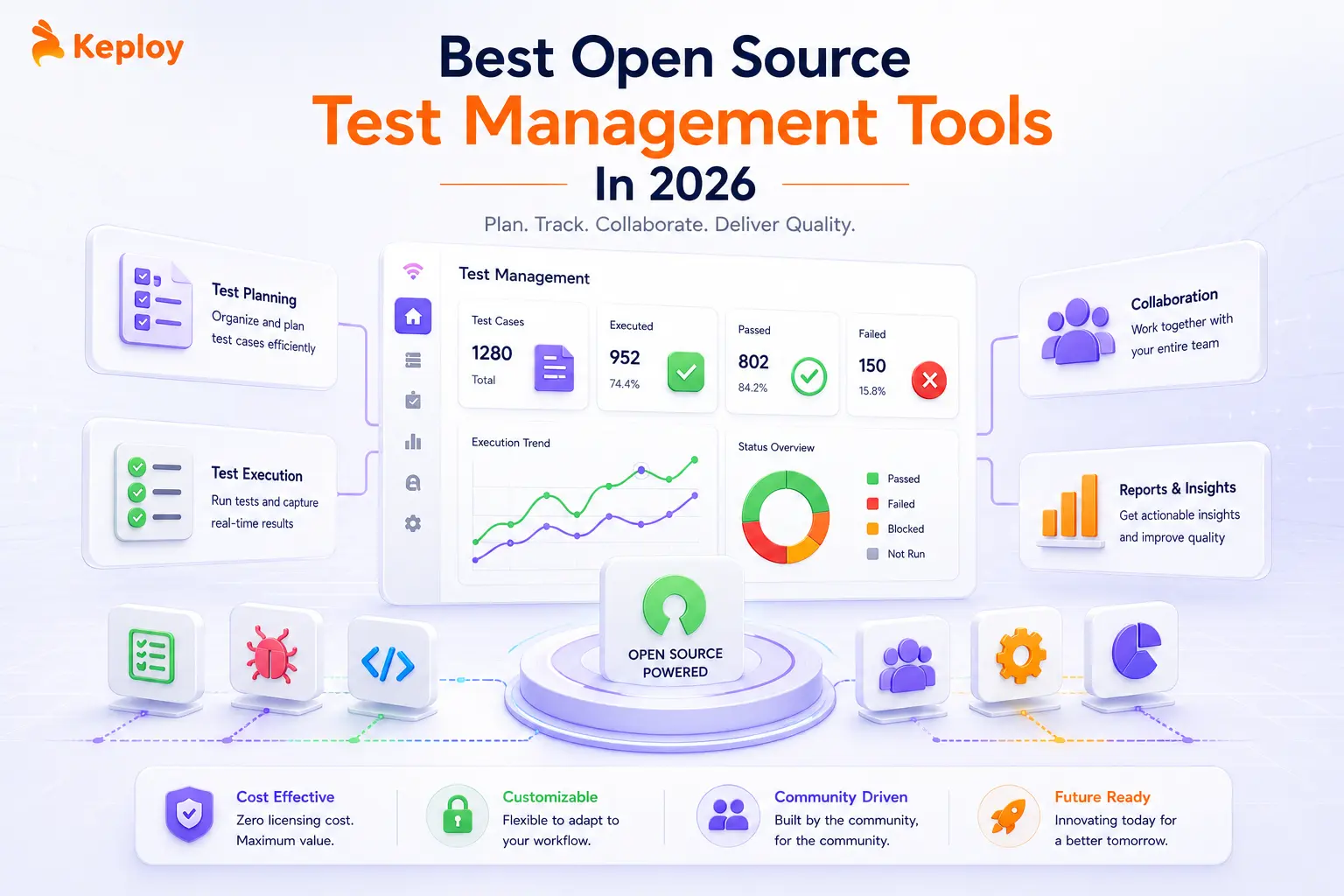
Best Open Source Test Management Tools in 2026
Not every open source test management tool solves the same problem, and picking the wrong one creates more overhead than it saves. For API-first teams, the bigger unlock isn’t better organization – it’s skipping manual test creation altogether, which is what Keploy is built for. This guide matches each tool to the team it actually…
-

What is Random Testing in Software Testing?
Random testing is a black-box technique that feeds randomly generated inputs into software to uncover defects that structured test cases might miss. By exercising unexpected combinations and edge cases, it reveals crashes, exceptions, and boundary failures. It is usually automated and underpins related approaches like fuzz testing and property-based testing. Software testing is so crucial…
-
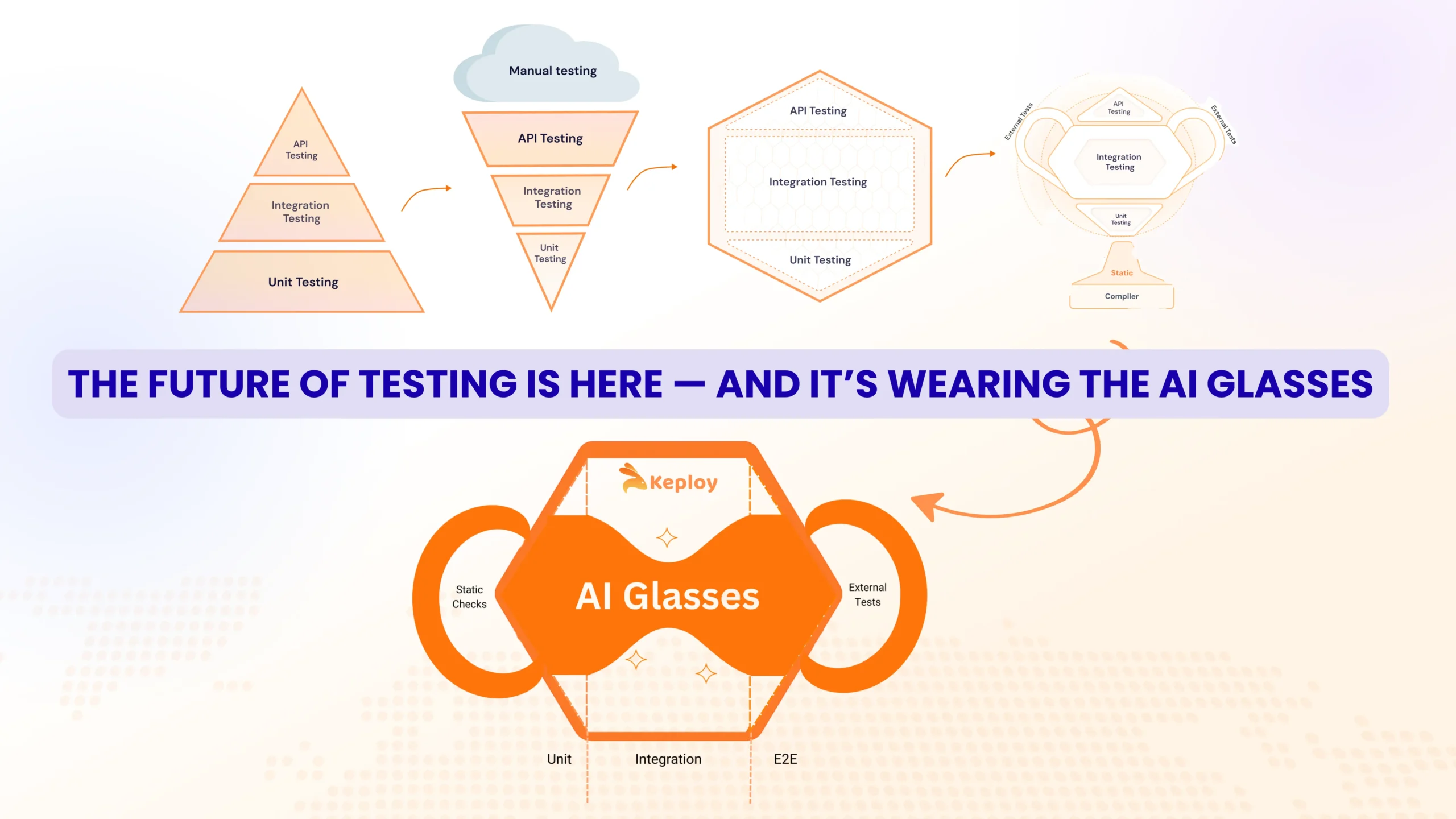
Test Automation 2030: Rethinking Test-Pyramid Strategies for the AI-Era
Manual testing can’t keep up with today’s fast-moving, AI-powered software development. Test automation isn’t just about saving time-it’s about surviving in a landscape where releases happen daily and bugs can cost millions. Now since AI-generated code is increasing, quality control and ownership becomes more important. From the classic Testing Pyramid to modern takes like the…
-
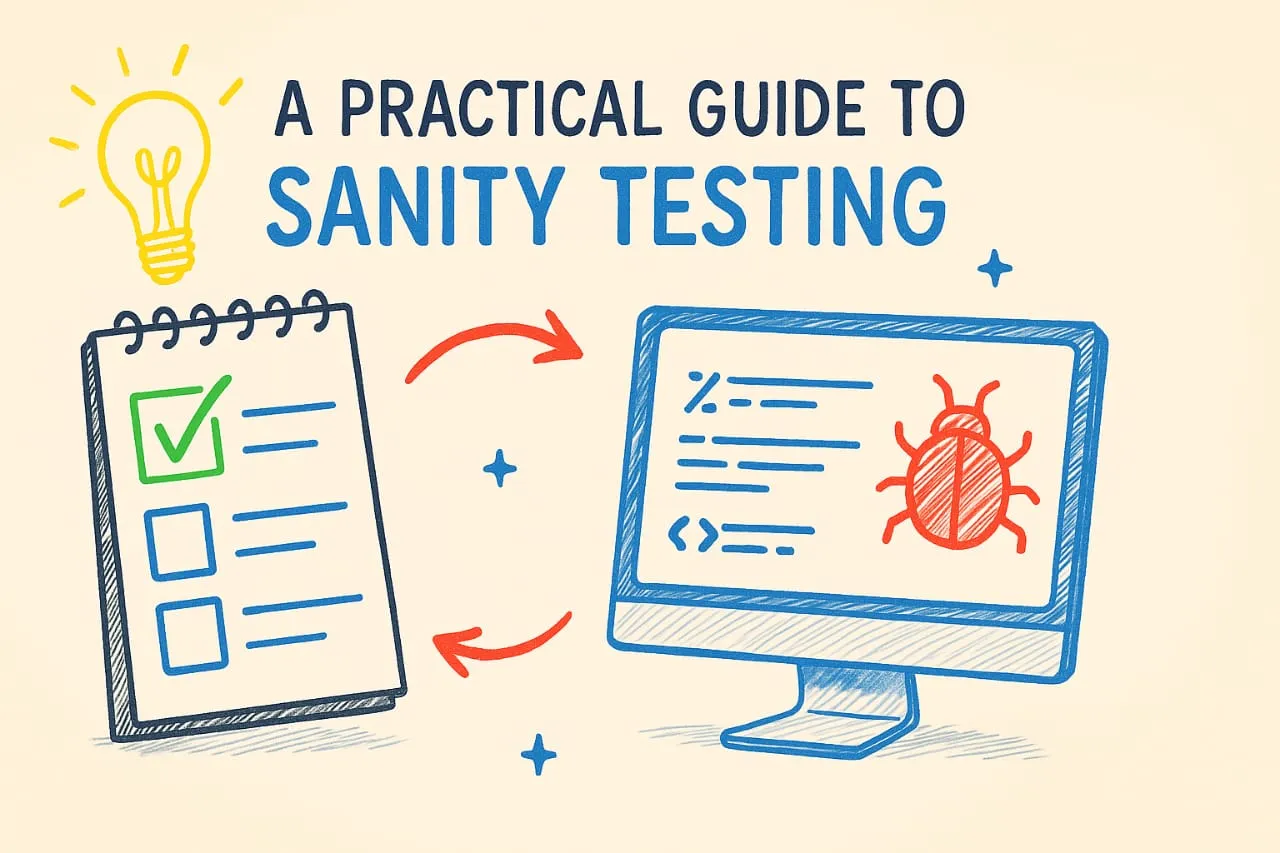
Understanding Sanity Testing: A Practical Guide for Modern Development
Sanity testing is a narrow, focused check after a bug fix or minor change – verifying the fix works without breaking related functionality, without a full regression run. Unlike smoke testing, which is broad and shallow, sanity testing is deep but scoped to what changed. It’s the fastest gate between a fix and deeper testing.…
-
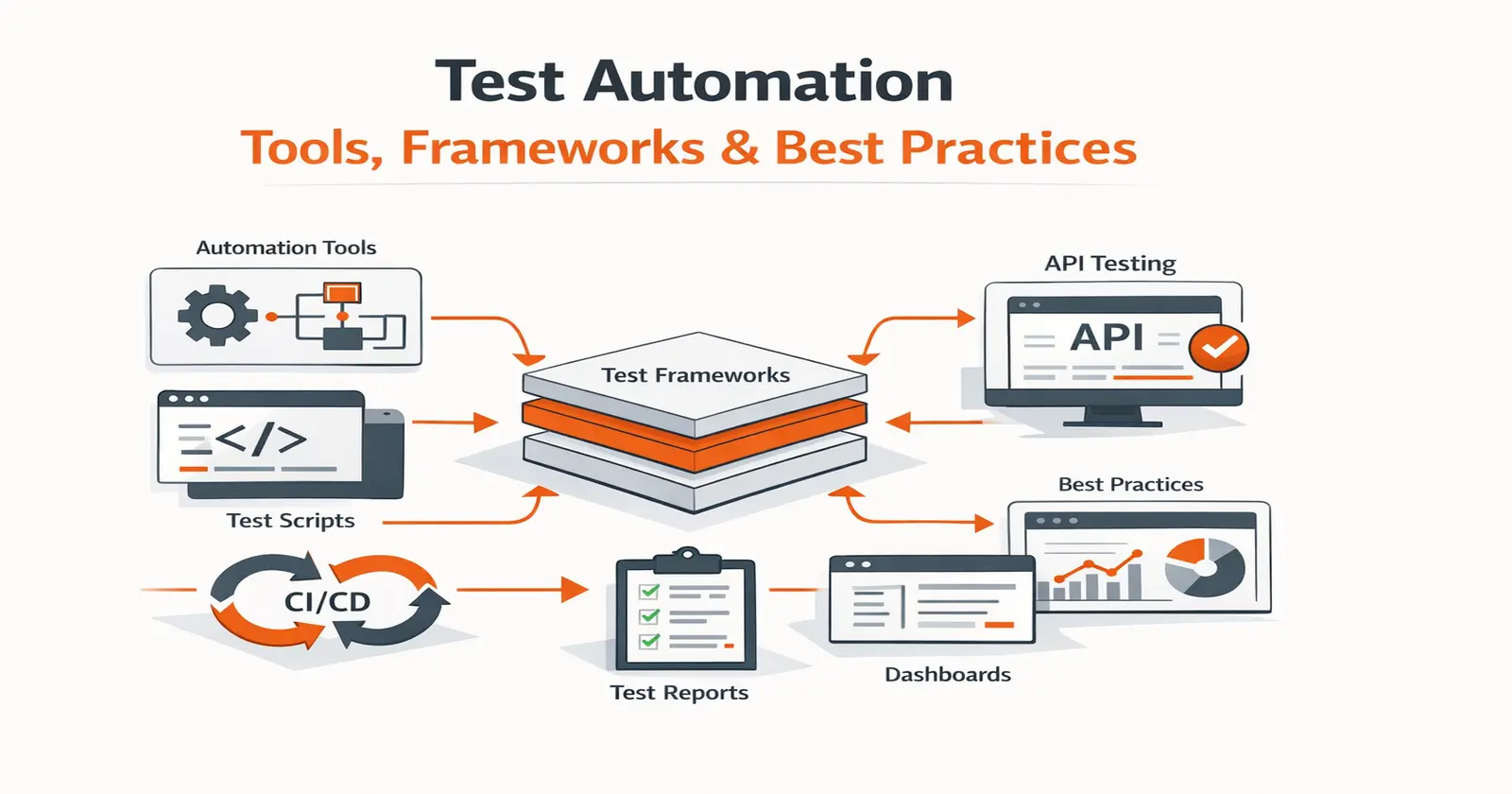
Test Automation: Complete Guide, Tools & Frameworks for 2026
Test automation is the use of tools and scripts to run tests, validate outcomes, and report results without manual effort on every build. The goal isn’t to automate everything – it’s repeatable validation of the right layers. Most teams get the most signal from API and integration tests in CI, where tools like Keploy generate…