Tag: test-automation
-
Functional vs regression testing: Key differences
Functional testing checks that a feature works the way the requirements say. Regression testing checks that features which already worked still work after a code change. Put simply, functional testing asks "does this work?" and regression testing asks "did we just break something?" The two get mixed up because they often use the same test…
-
Automated functional testing: How it works and tools
Automated functional testing means using scripts or tools to check that each feature of an application does what the requirements say, without a person clicking through every step. The tool sends the inputs, compares the result with what was expected and flags anything that breaks, on every build if you want it to. That is…
-
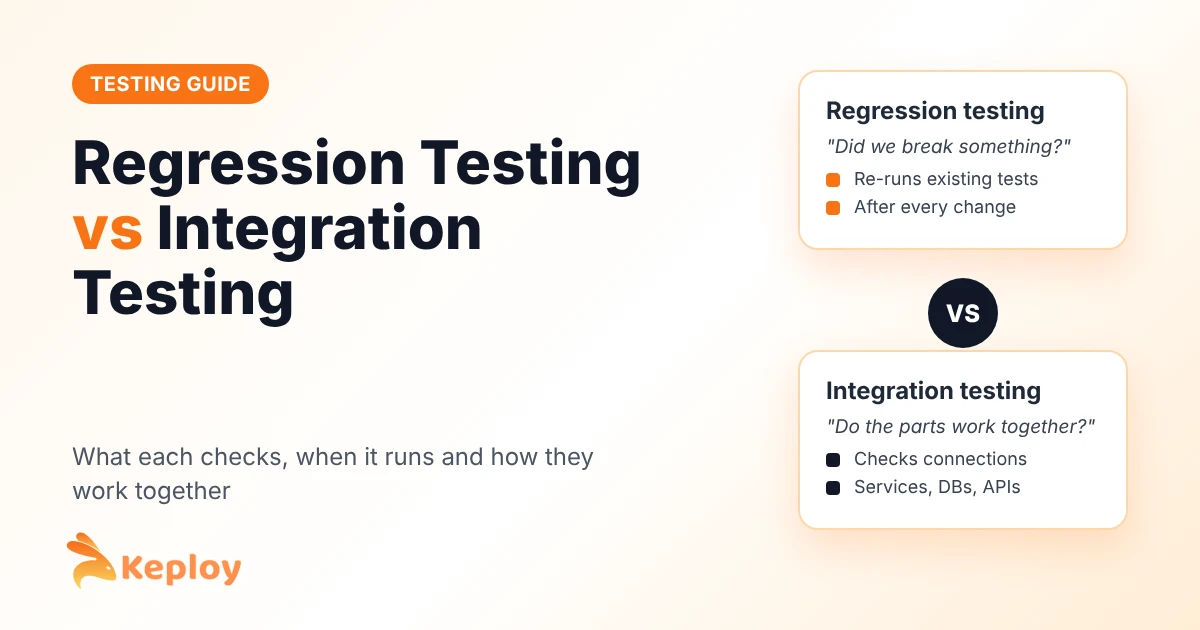
Regression Testing vs Integration Testing: Key Differences
Here is a situation most backend teams have lived through. A developer changes how the user service formats dates. It is a tiny change: one line, a cleaner ISO format, every unit test still green. The pull request gets approved in five minutes. Two days later, the billing service starts failing to generate invoices, because…
-
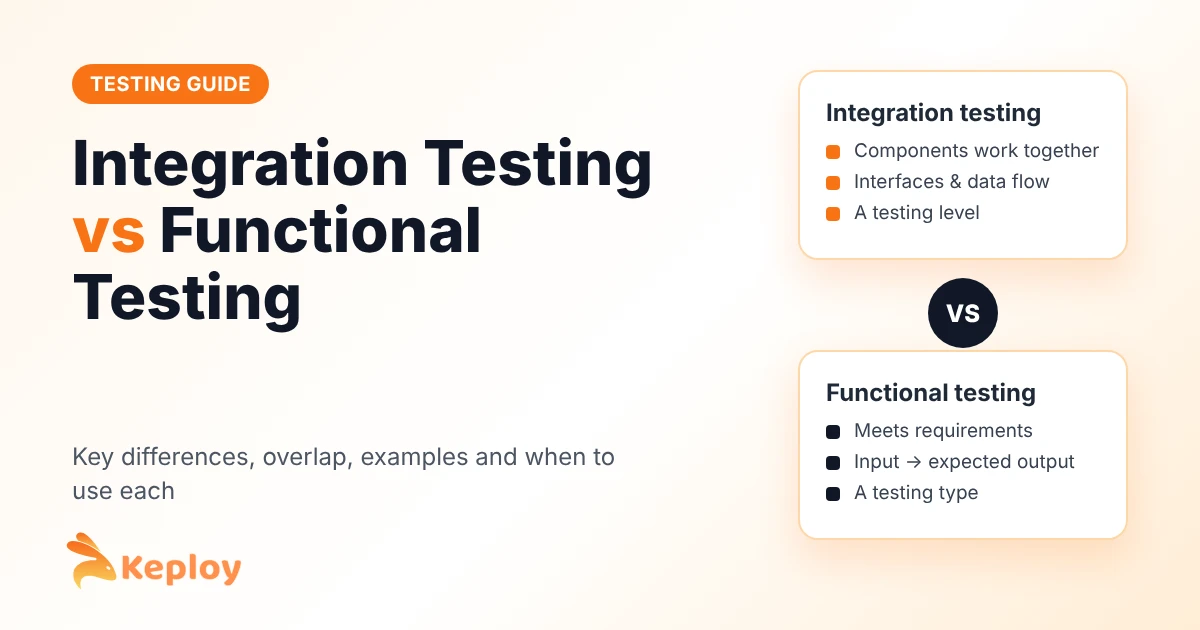
Integration Testing vs Functional Testing: Key Differences
Ask five engineers whether a test is "functional" or "integration" and you will probably get three answers. That is not because people are confused. It is because the same test can honestly be both. Here is the short version. Integration testing checks that components work together. Functional testing checks that the software does what the…
-
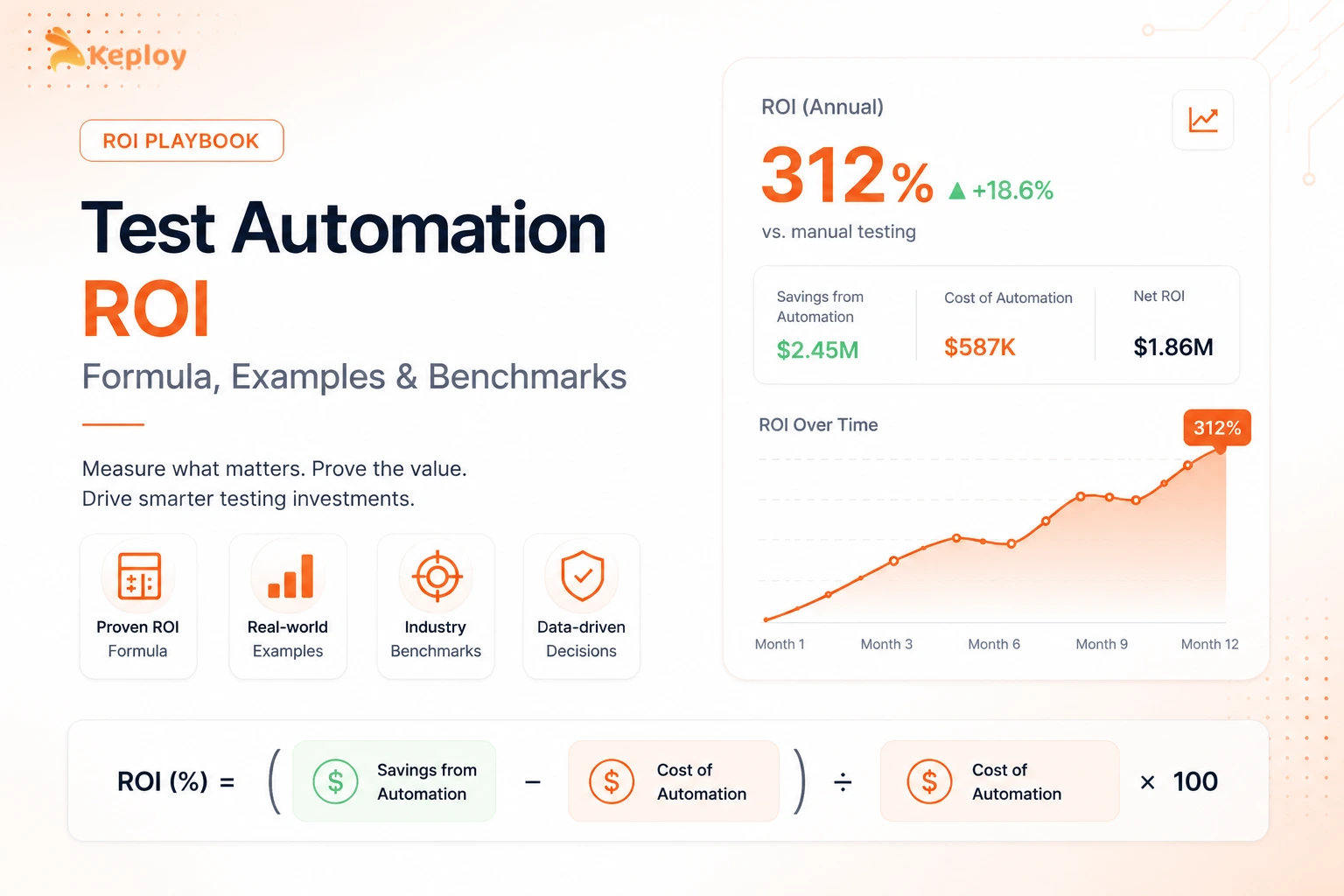
Test Automation ROI: Formula, Examples & Benchmarks (2026)
Test automation ROI measures the financial return of automating tests against the full cost of building and maintaining them. Most teams overstate savings and underestimate maintenance – the cost that compounds quietly year over year. The strongest returns come from keeping the investment side lean. Keploy addresses this directly by eliminating manual test authoring, which…
-
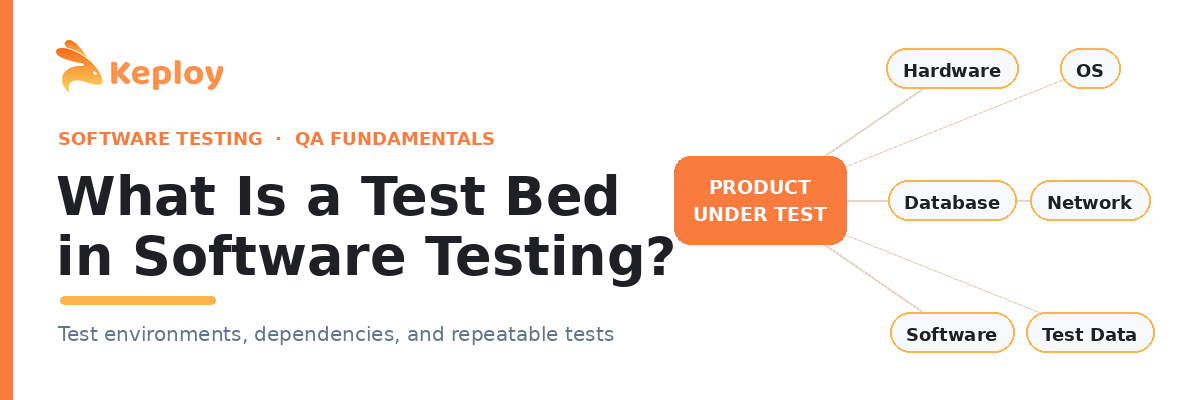
What Is a Test Bed in Software Testing? A Practitioner’s Guide
Every tester has lost an afternoon to an environment that would not behave. The code was fine. The suite was fine. The problem was the ground the tests ran on. That ground has a name, and getting it right is quietly one of the highest leverage things a QA team can do. It is called…
-
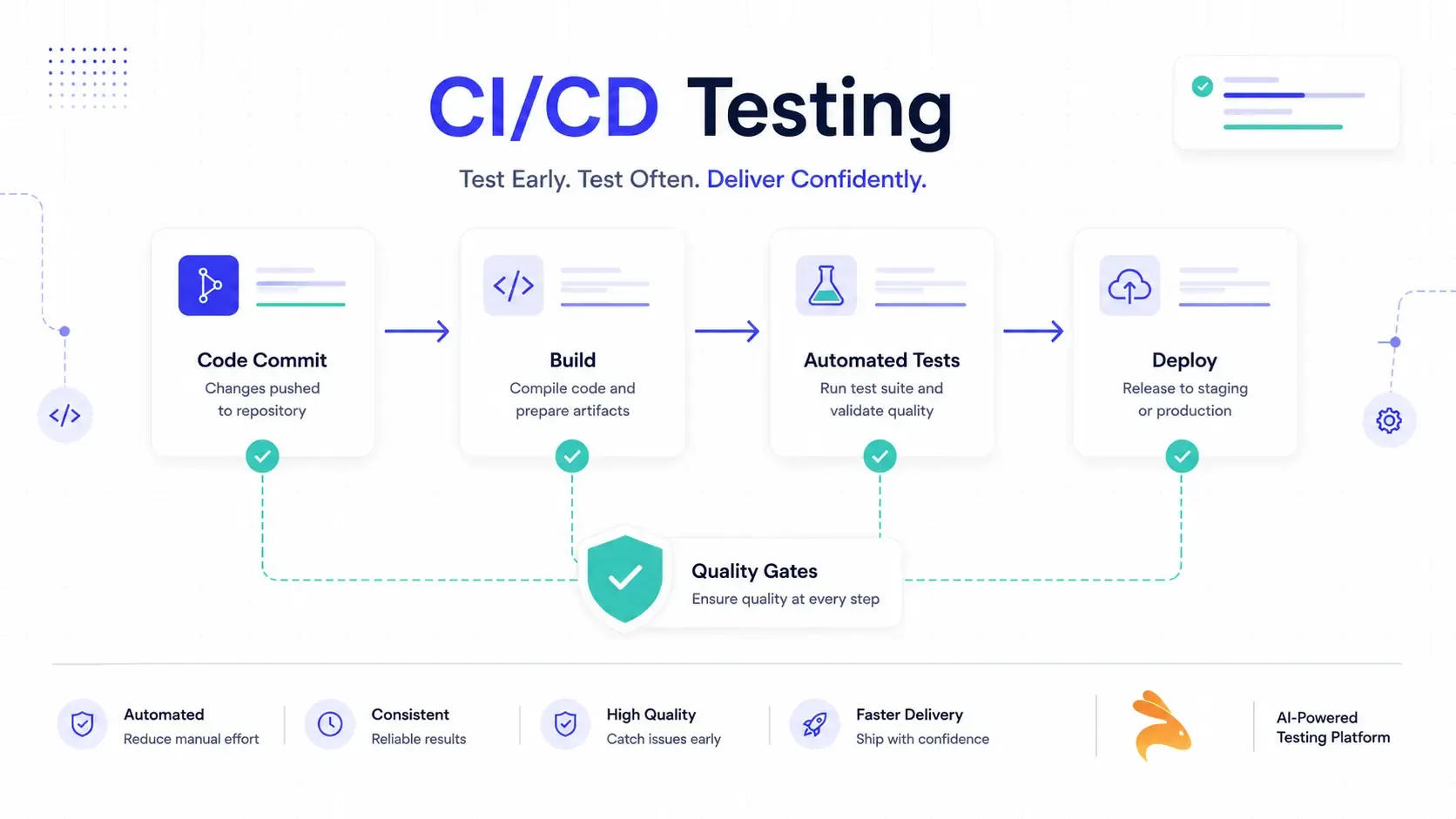
CI/CD Testing: Complete Guide to Continuous Testing (2026)
CI/CD testing runs automated tests inside your continuous integration and delivery pipelines so every change is validated before it ships. Unit, integration, and end-to-end tests fire on each commit or merge. Keploy fits naturally here, generating API tests and mocks from real traffic and running them CI/CD-native so pipelines gain coverage without extra scripting. In…
-
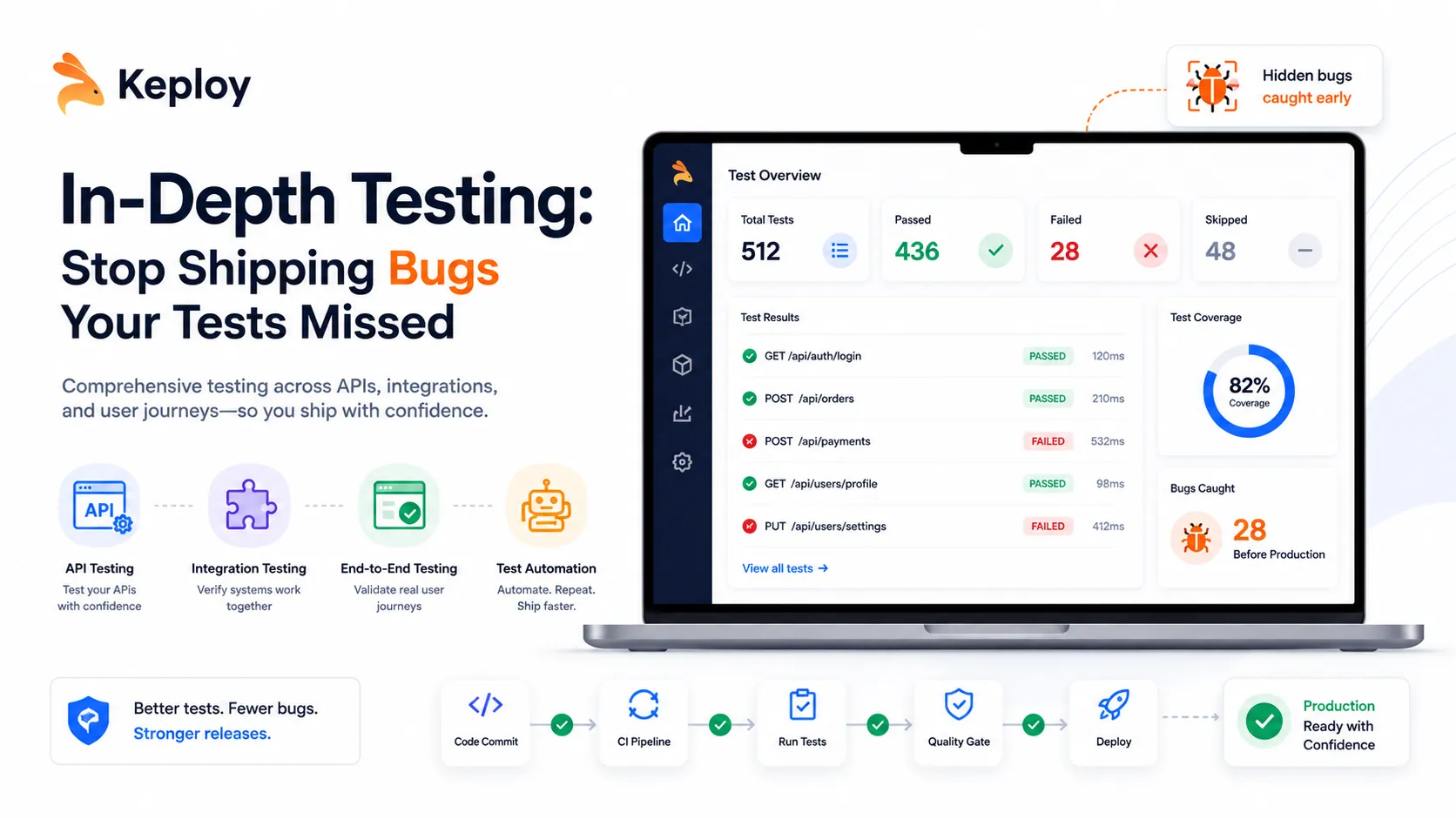
In-Depth Testing: Stop Shipping Bugs Your Tests Missed
I’ve pushed code that cleared every CI check, watched the green badge appear, shipped to production — and then spent the next two hours on a rollback. That experience was my real introduction to in-depth testing. In-depth testing is the practice of validating software behavior across multiple layers: unit logic, component interactions, end-to-end user flows,…
-

Test Data Management: Complete Guide, Best Practices & Tools[2026]
Test data management (TDM) is the practice of creating, maintaining, and provisioning the data tests need in a controlled, reusable way, including generating realistic datasets, masking sensitive fields, and refreshing environments. One shortcut for API teams is Keploy, which derives test data and mocks directly from real traffic, so datasets mirror actual usage without manual…
-
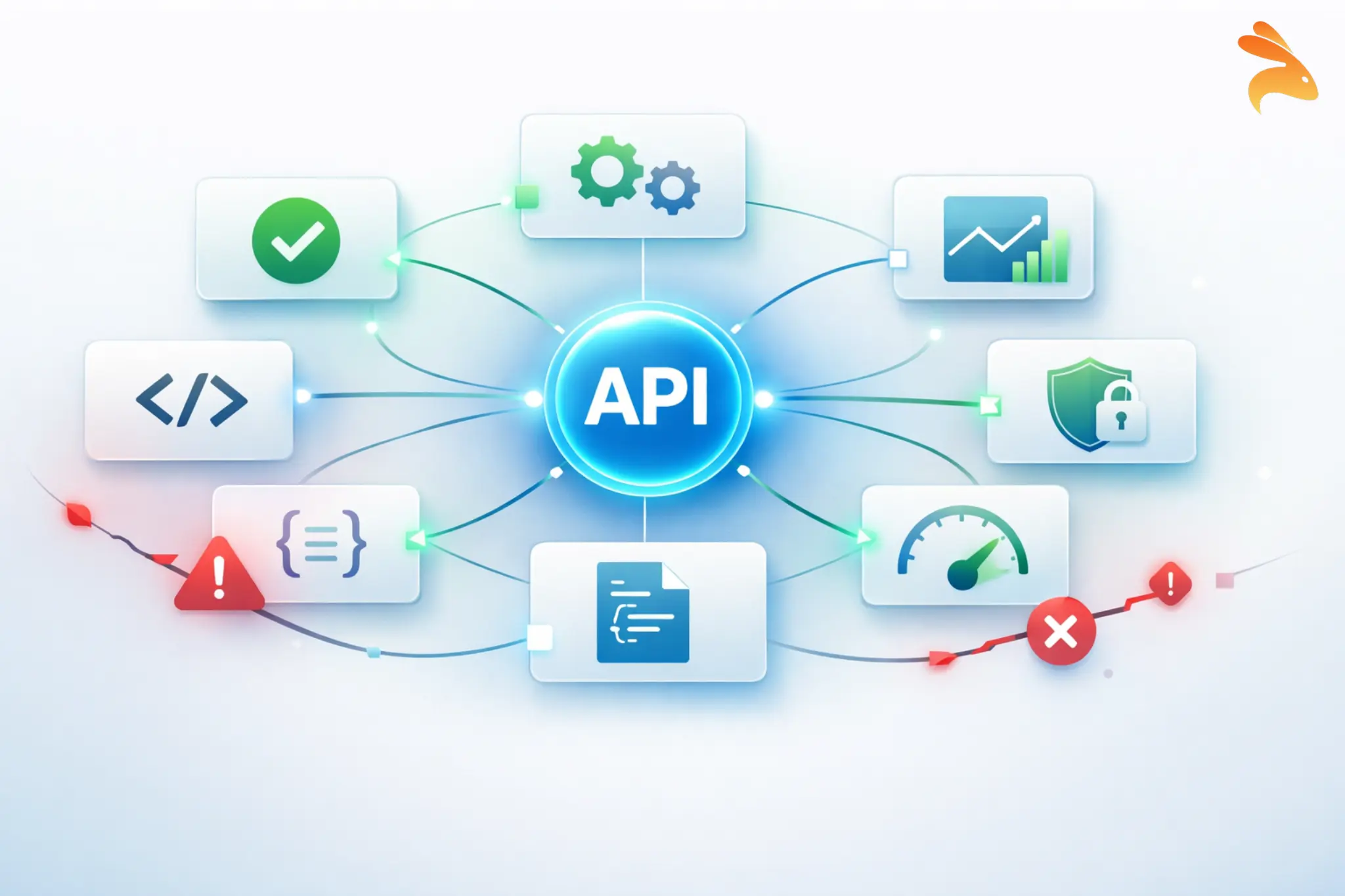
API Testing Strategies: A Complete Guide (2026)
An API testing strategy defines how you plan, prioritize, and structure tests across an API’s endpoints and workflows, from functional and contract testing to load, security, and CI/CD automation. Teams increasingly automate to cut manual effort; Keploy, for instance, turns real API traffic into test cases and mocks so coverage scales without hand-written scripts. API…