Author: Himanshu Mandhyan
-
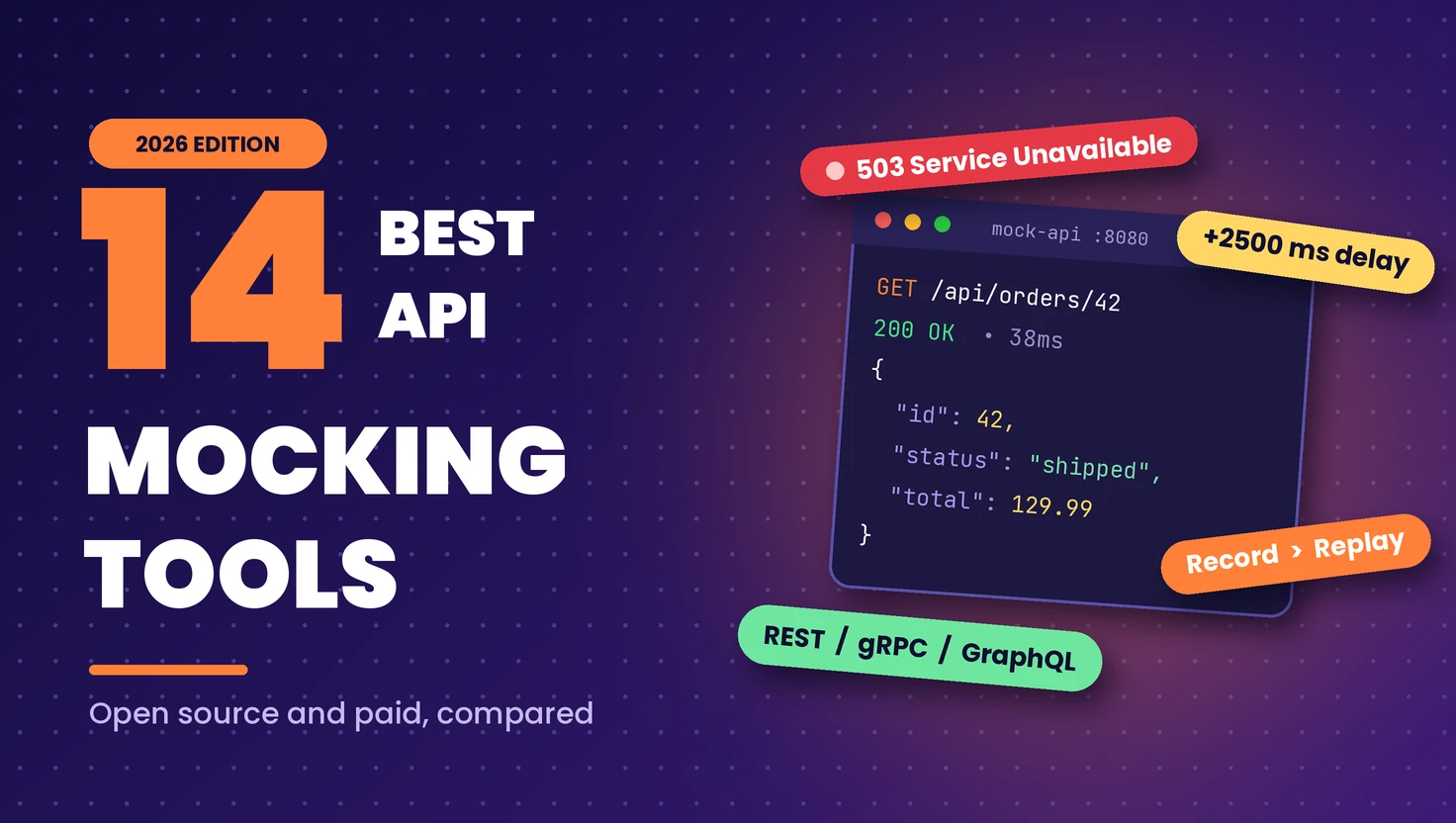
14 best API mocking tools in 2026 (open source and paid)
Your frontend is ready, but the backend endpoint it depends on ships next sprint. Your QA team wants to test a payment flow, but the third party sandbox is down again. Your CI pipeline fails twice a week because a staging database returned different data. All three problems have the same fix: an API mocking…
-
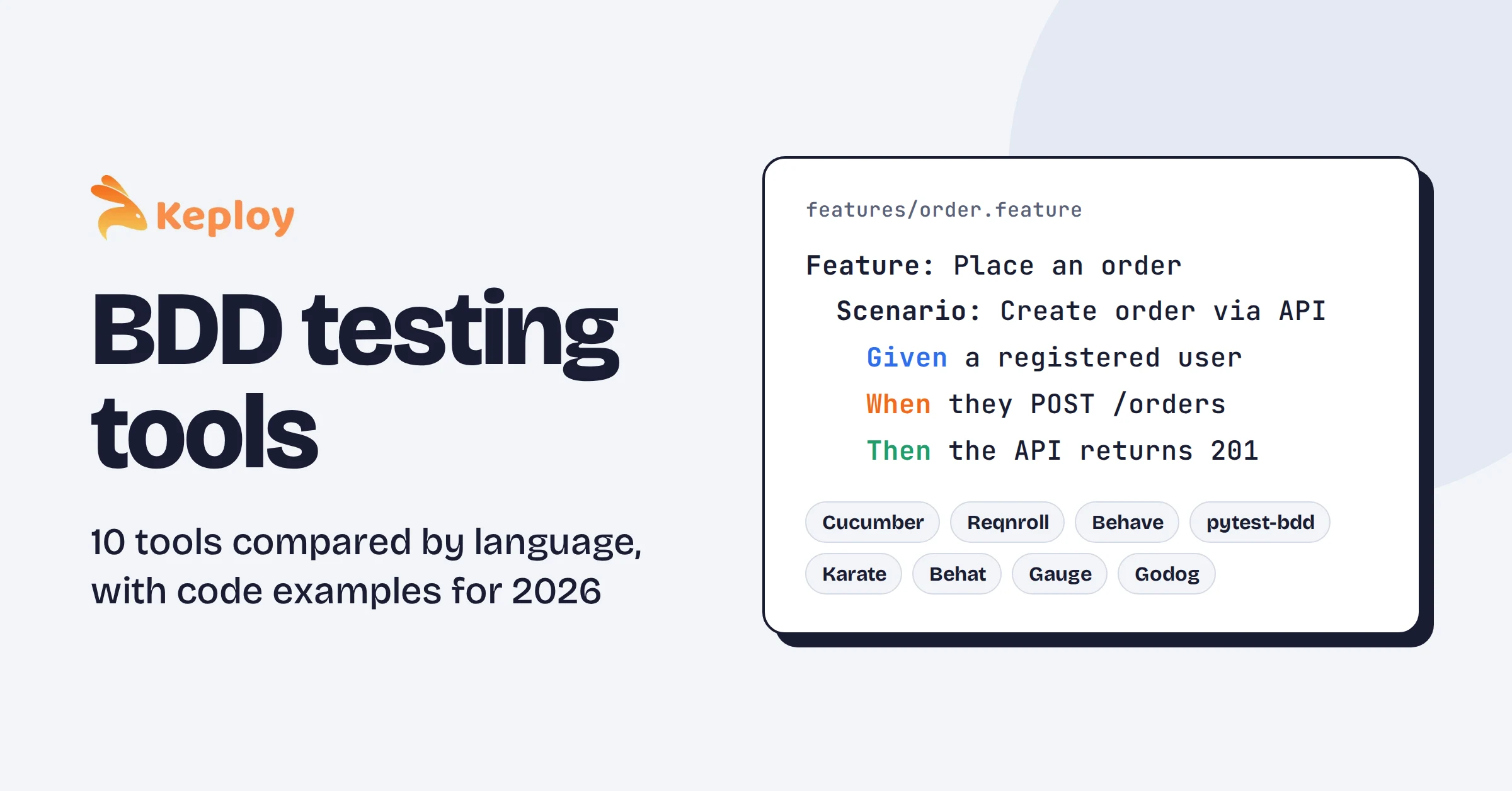
10 best BDD testing tools in 2026 (compared by language)
For years, picking a BDD testing tool was a two-option decision: Cucumber if you wrote Java, JavaScript, or Ruby, and SpecFlow if you lived in .NET. That changed when SpecFlow reached end of life in December 2024, and newer stacks like Playwright and Go now have their own BDD options. This guide compares the 10…
-
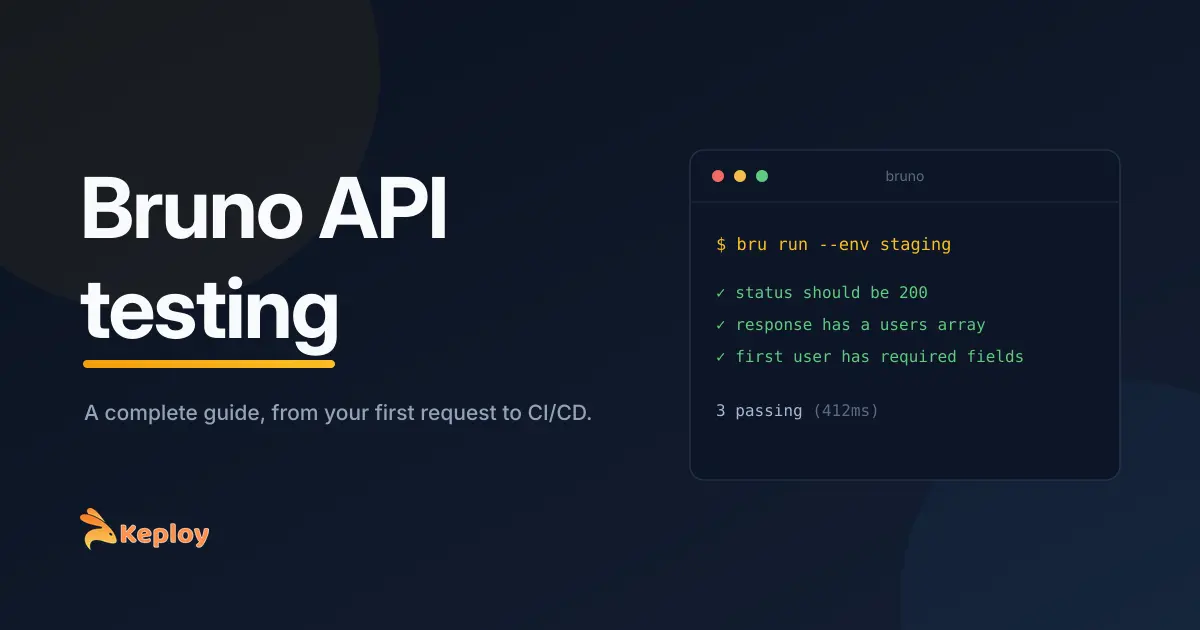
Bruno API testing: a complete guide (2026)
Bruno is an open source, offline-first API client that stores your API collections as plain text files inside your Git repo. It gives you a fast GUI for building and sending REST, GraphQL, gRPC, and WebSocket requests, plus a scripting layer for writing tests against the responses. This guide covers Bruno API testing from install…
-
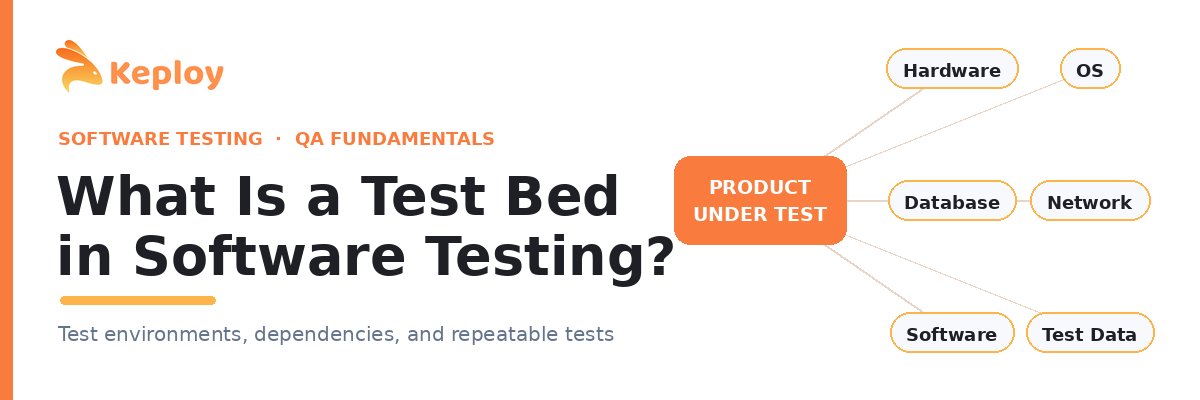
What Is a Test Bed in Software Testing? A Practitioner’s Guide
Every tester has lost an afternoon to an environment that would not behave. The code was fine. The suite was fine. The problem was the ground the tests ran on. That ground has a name, and getting it right is quietly one of the highest leverage things a QA team can do. It is called…
-
Bug Life Cycle in Software Testing: Every Stage Explained (2026)
The bug life cycle (defect life cycle) is the sequence of states a defect moves through from discovery to closure. Typical stages are New, Assigned, Open, Fixed, Retest, and Closed, with additional paths for Reopened, Deferred, or Rejected bugs. It gives teams a shared, trackable workflow for managing defects to resolution. Every bug that gets…
-

Levels of Software Testing: A Complete Guide with Examples (2026)
Software testing has four levels, each answering a different question. Unit testing asks whether a single function works in isolation. Integration testing asks whether connected components communicate correctly – the layer where Keploy automates test generation from real API traffic. System testing validates the full application end-to-end, while acceptance testing asks whether real users consider…
-
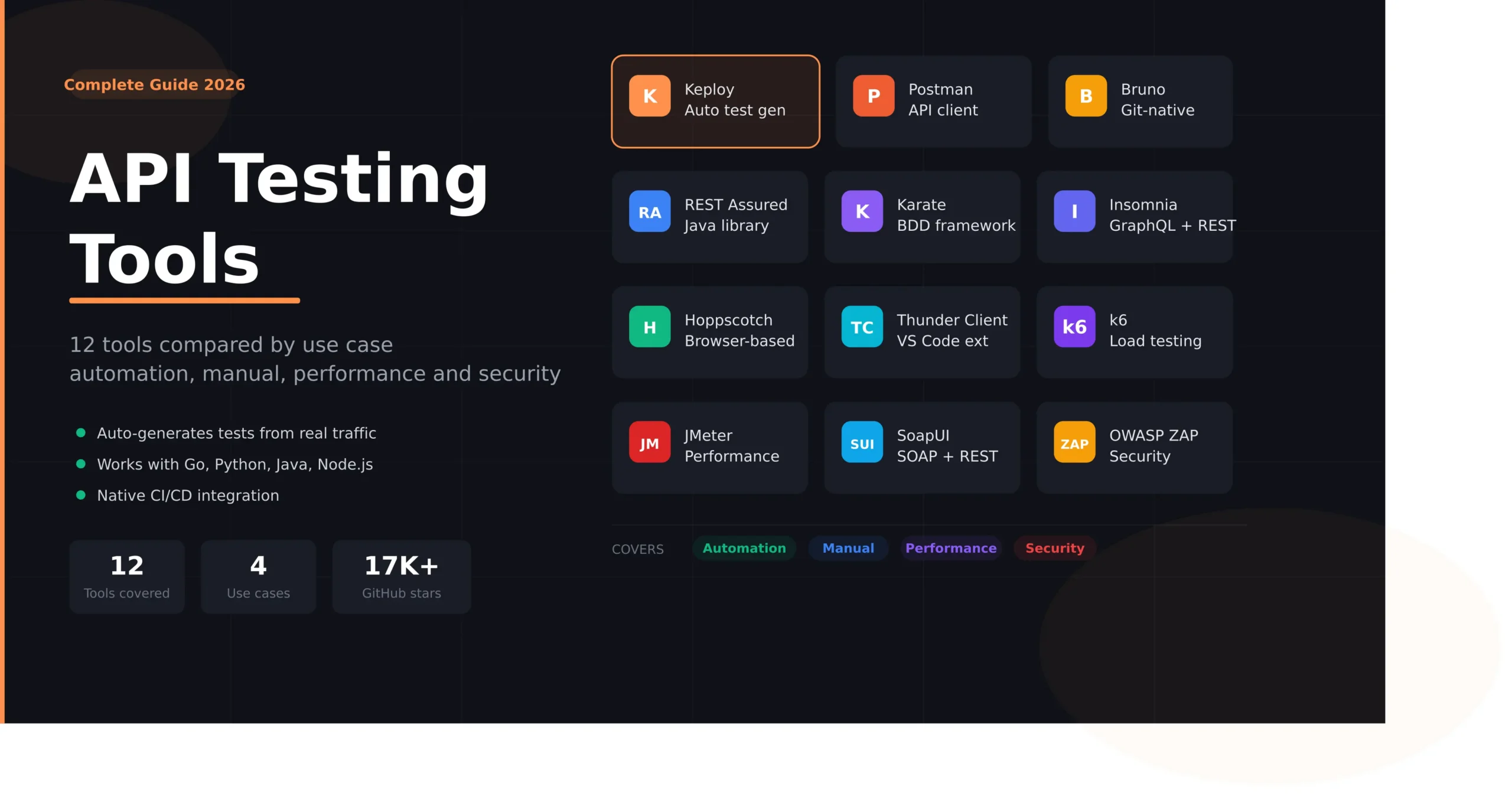
API Automation Testing Tools: Compared in September 2026
Last updated: October 2026 API testing tools let teams send requests, validate responses, mock dependencies, and run tests inside CI/CD without writing every check by hand. For API test automation, the main options are Keploy, which generates tests and mocks from real API traffic or from an OpenAPI spec, Postman collection, or cURL command; REST…
-
What Is API Design? Principles, Best Practices & Patterns (2026)
I’ve seen teams burn weeks untangling API messes that could have been avoided with a couple of days of upfront thinking. Endpoints named inconsistently, versioning added as an afterthought, error responses that just say "something failed" all of it traceable back to the same root cause. Nobody sat down and actually designed the API before…
-
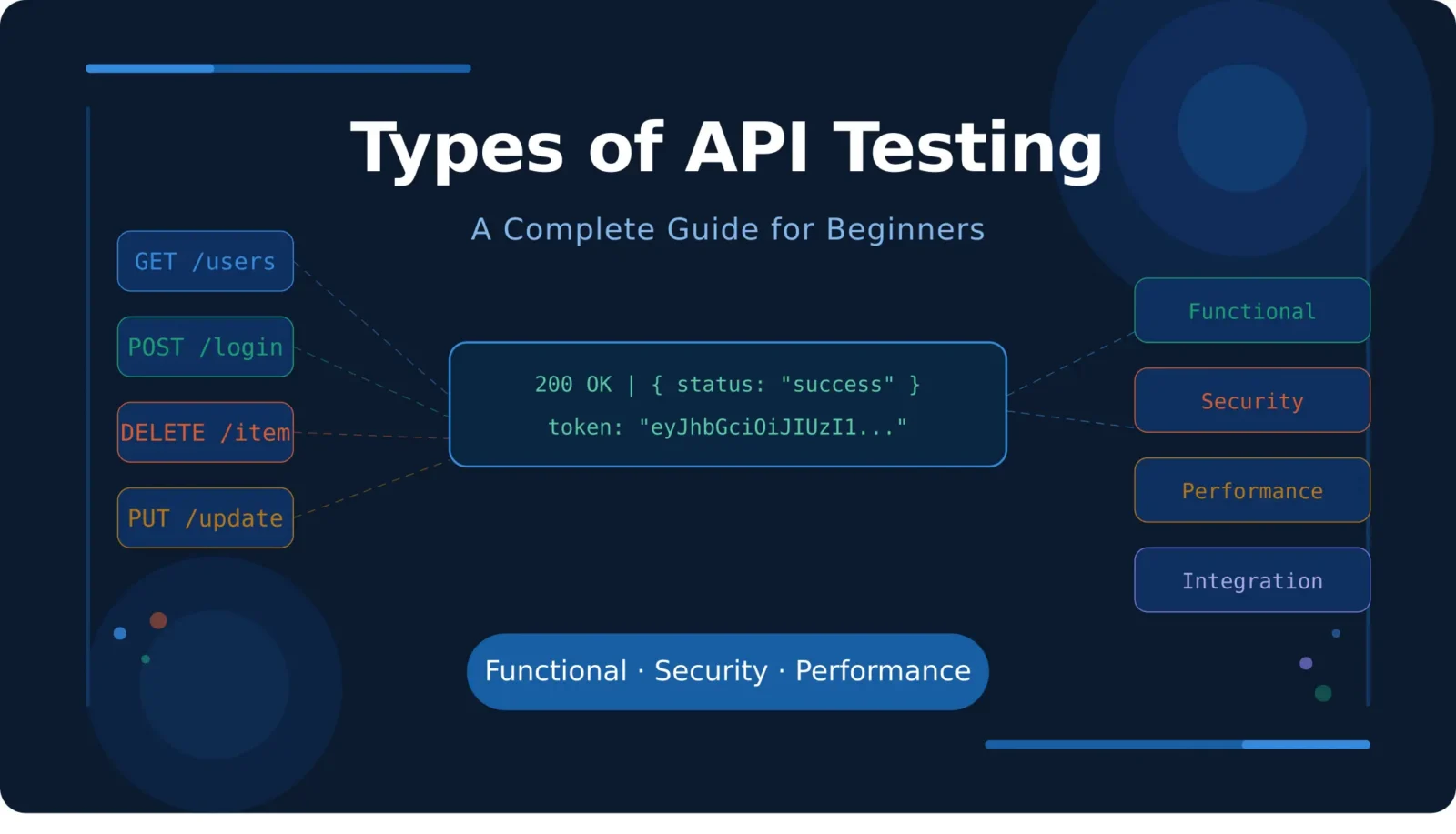
10 Types of API Testing Explained with Examples (2026)
The 10 main types of API testing are functional, performance and load, security, integration, regression, validation, fuzz, contract, end-to-end, and UI-driven testing, each checking a different dimension of how an API behaves. Covering them by hand is slow, which is why teams lean on automation to keep up. Keploy generates tests and mocks across these…
-
API Testing Services: Solutions, Process, Tools & Best Providers
API testing services help organizations validate API functionality, performance, security, integrations, and reliability across the software lifecycle. These services are typically delivered by QA teams, testing vendors, or automation platforms to ensure APIs work correctly in real-world environments. APIs are no longer just backend infrastructure—they are the backbone of modern digital products. Whether you’re building…