Author: Sancharini Panda
-
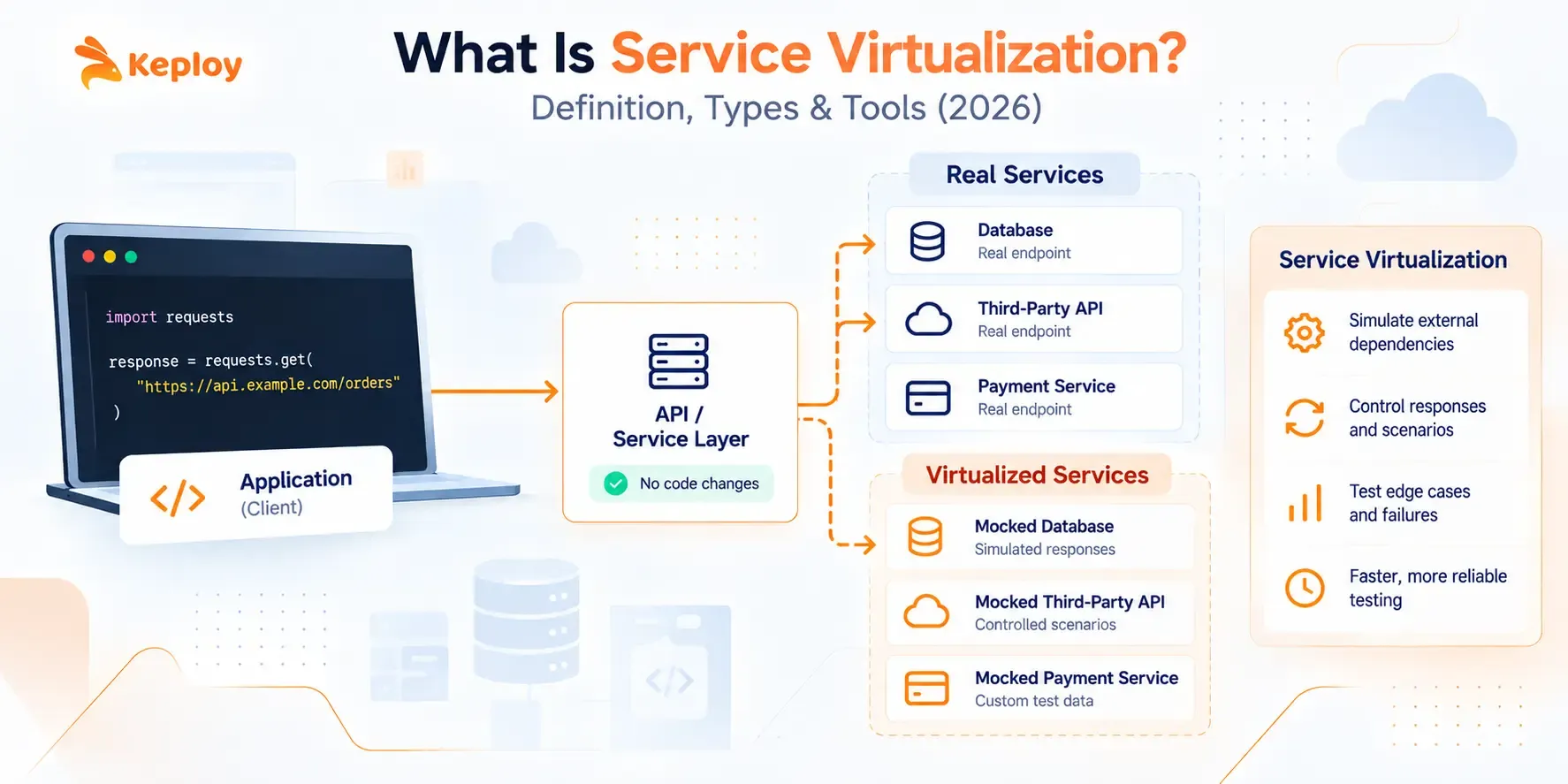
What Is Service Virtualization Definition, Types & Tools (2026)
Service virtualization replaces real external dependencies (APIs, databases, queues, or third-party services) with controlled simulations that respond like the real thing. Tests run against these virtual services whether the real dependency is unavailable, expensive to call, or still being built. Keploy implements this by capturing real dependency interactions from live traffic and replaying them automatically…
-
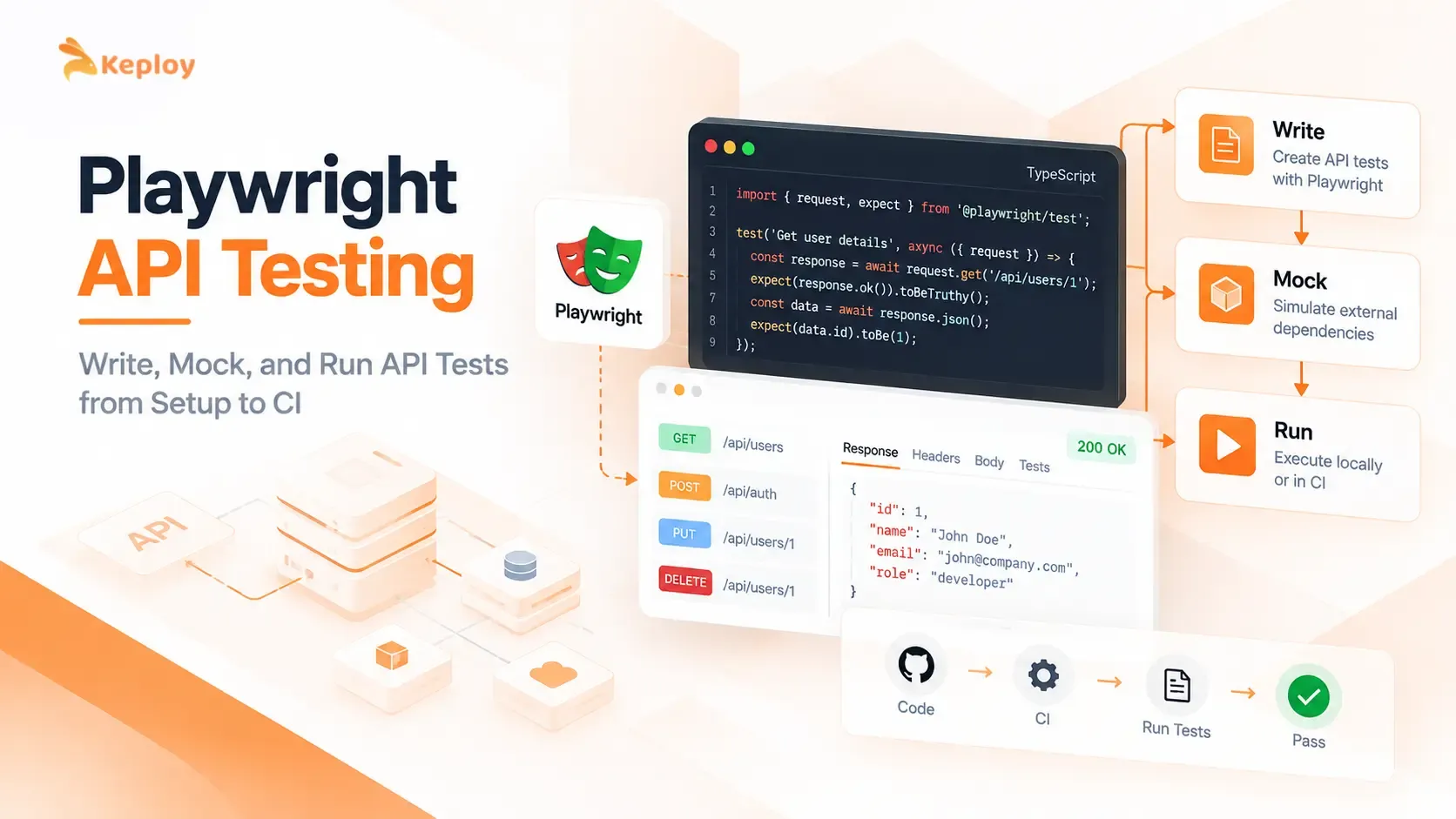
Playwright API Testing: A Complete Guide (2026)
Playwright is a browser automation framework that also ships a built-in HTTP client for API testing. That HTTP client, called APIRequestContext, lets you send requests and assert on responses directly inside a Playwright test – no browser, no separate tool. If your team already uses Playwright for end-to-end browser tests, the API layer requires no…
-

Dependency Mocking and Service Virtualization: Make Every CI Test Deterministic
Dependency mocking replaces real external dependencies (APIs, databases, queues) with controlled substitutes during testing. Service virtualization extends this to enterprise scale, adding stateful simulation and protocol support beyond HTTP. Keploy implements a traffic-capture approach: it records real dependency interactions at the kernel level using eBPF and replays them in CI, making integration tests deterministic without…
-
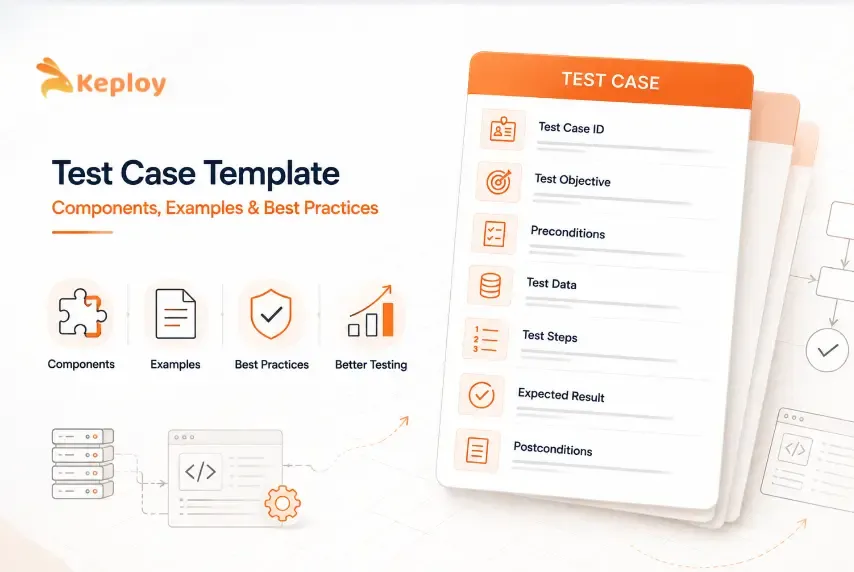
Test Case Template: Components, Examples & Best Practices
Without a test case template, test cases drift. One tester writes three-word steps. Another skips preconditions entirely and wonders six months later why nobody can reproduce the bug that shipped to production. A third writes paragraphs where steps should be. The test case template fixes this. It gives every tester on your team the same…
-
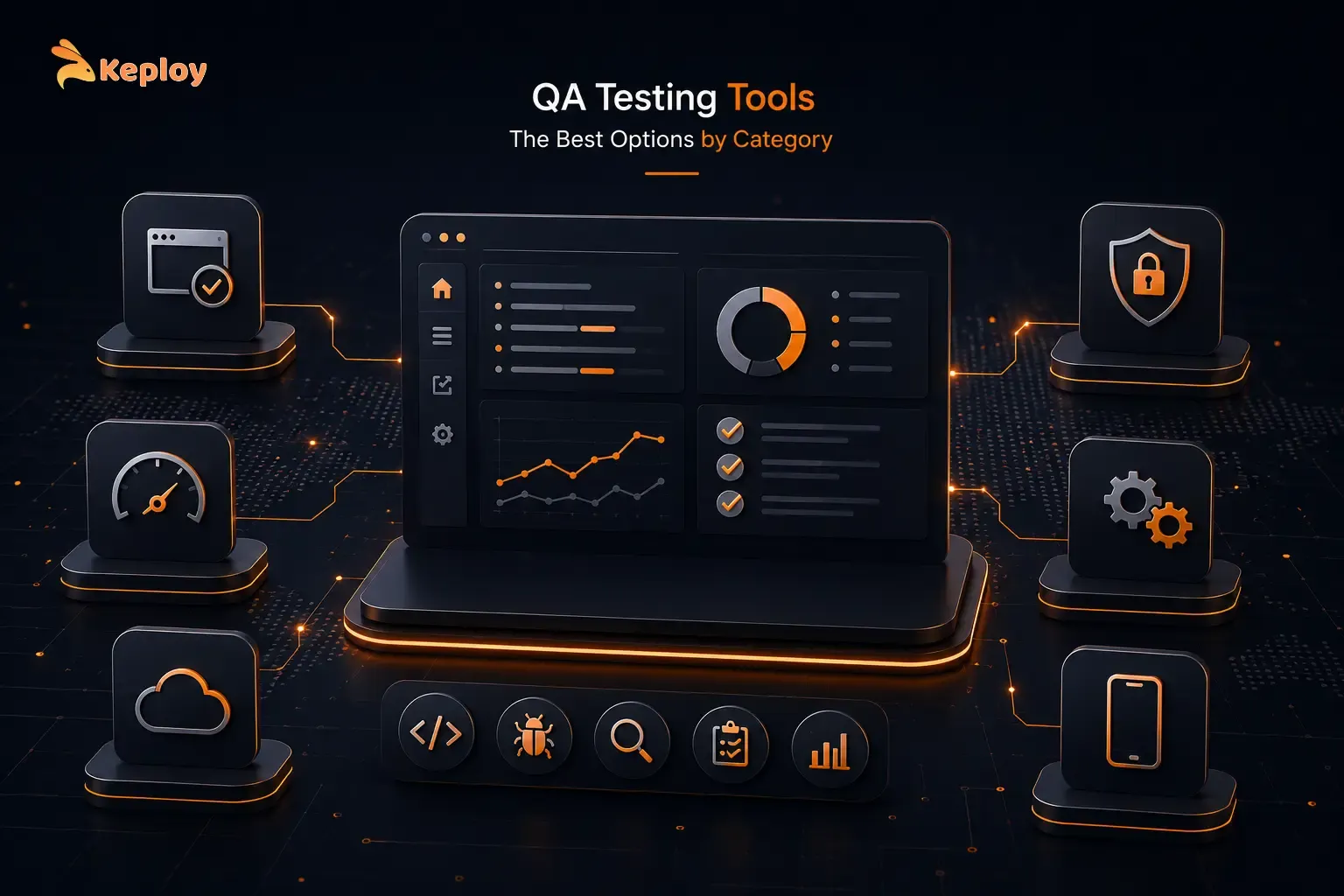
QA Testing Tools: The Best Options by Category (2026)
QA testing tools have never been more varied, and more confusing to choose between. In 2026, the category spans unit testing frameworks, API automation platforms, AI-powered self-healing test suites, and everything in between. Most teams don’t need one tool. They need a stack of three to five that cover different parts of the delivery cycle.…
-
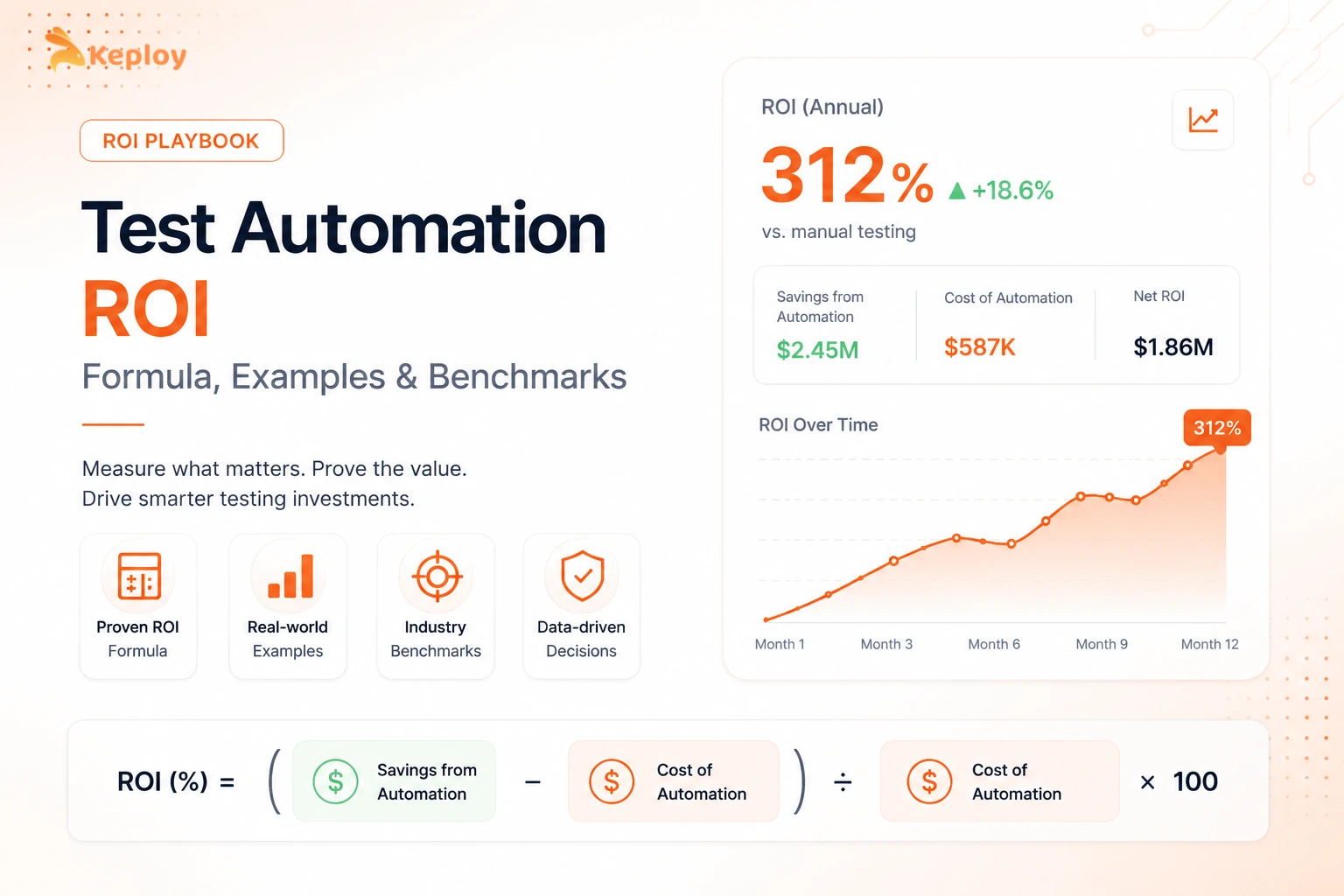
Test Automation ROI: Formula, Examples & Benchmarks (2026)
Test automation ROI measures the financial return of automating tests against the full cost of building and maintaining them. Most teams overstate savings and underestimate maintenance – the cost that compounds quietly year over year. The strongest returns come from keeping the investment side lean. Keploy addresses this directly by eliminating manual test authoring, which…
-
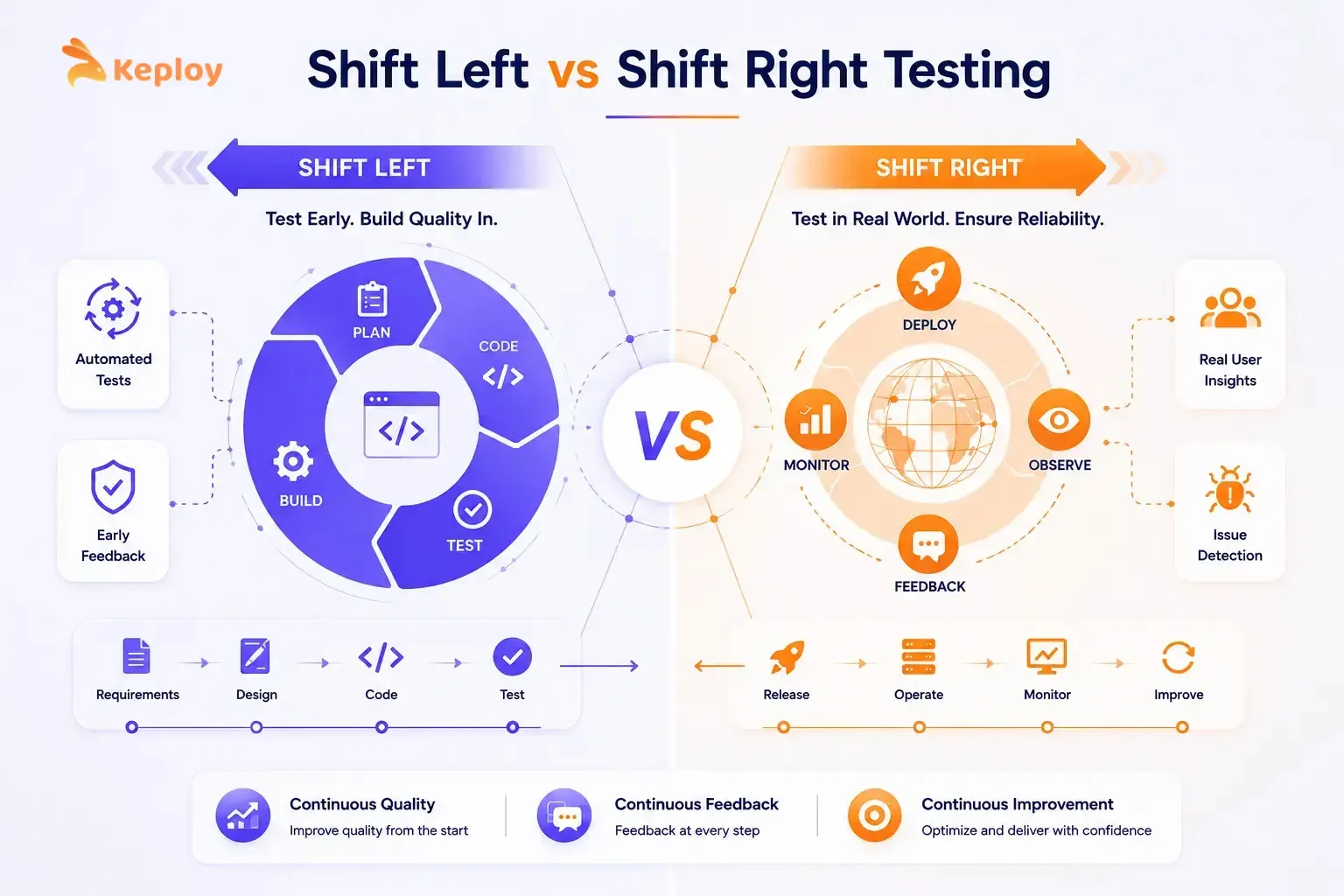
Shift Left vs Shift Right Testing: Key Differences & Use Cases (2026)
Shift left vs shift right testing isn’t really a debate. Teams that treat it as one end up with gaps that neither approach covers alone. Shift left catches defects before they reach production. Shift right learns from what happens after they do. The teams shipping most reliably in 2026 don’t choose between them. They run…
-
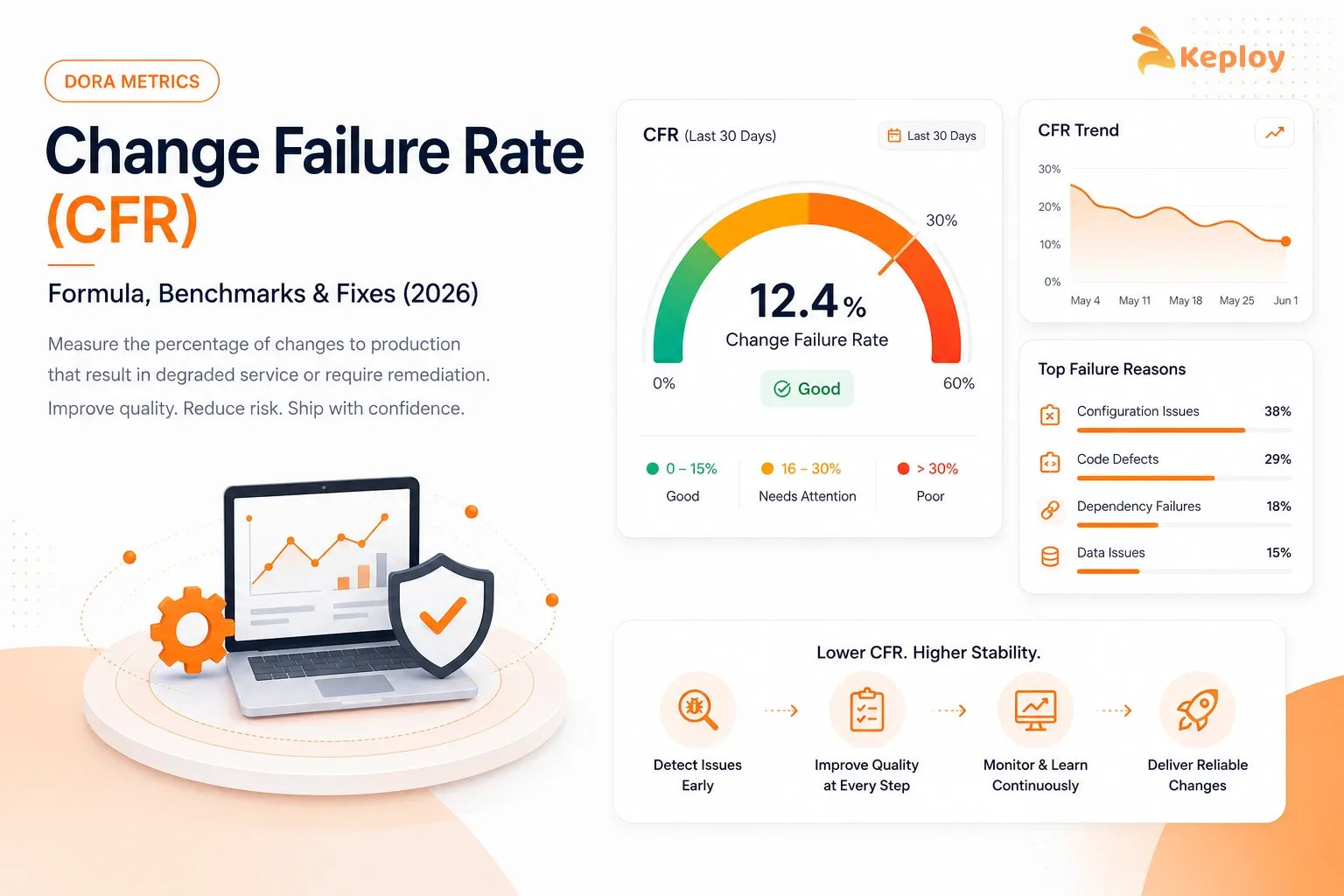
Change Failure Rate (CFR): Formula, Benchmarks & Fixes (2026)
Change failure rate measures the percentage of production deployments that trigger a rollback, hotfix, or emergency patch, making it a stability signal rather than a speed metric. Even elite teams rarely hit a near-zero rate, since most spikes trace back to untested API regressions slipping through CI. Keploy generates regression tests from real traffic, catching…
-
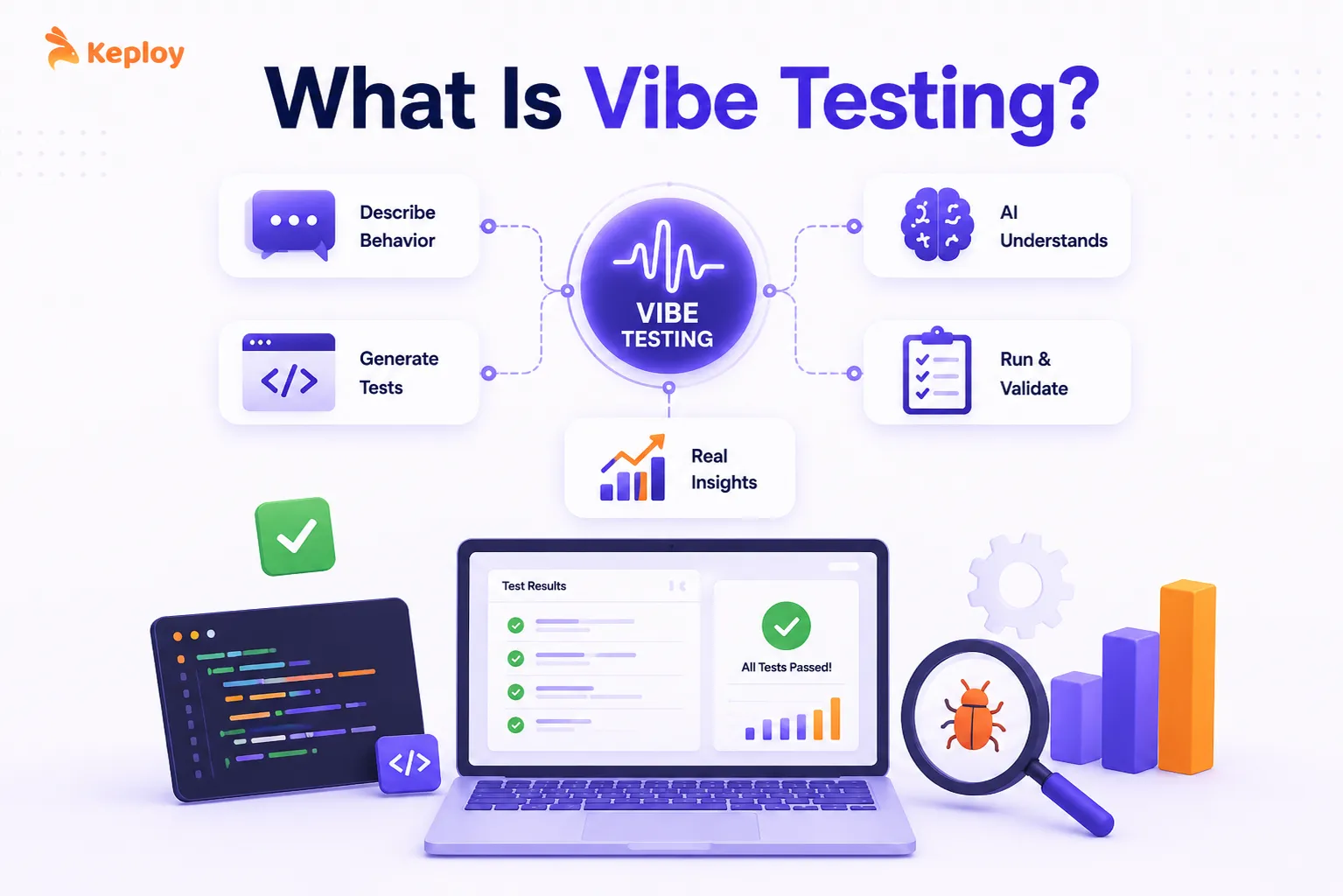
What Is Vibe Testing? A Practical Guide for Developers
Vibe testing is what happens when the way software gets built changes faster than the way it gets tested. For years, QA worked on a simple assumption: developers write the code, testers verify it. That assumption breaks down when the code is being generated by an AI from a plain English prompt. The person shipping…
-
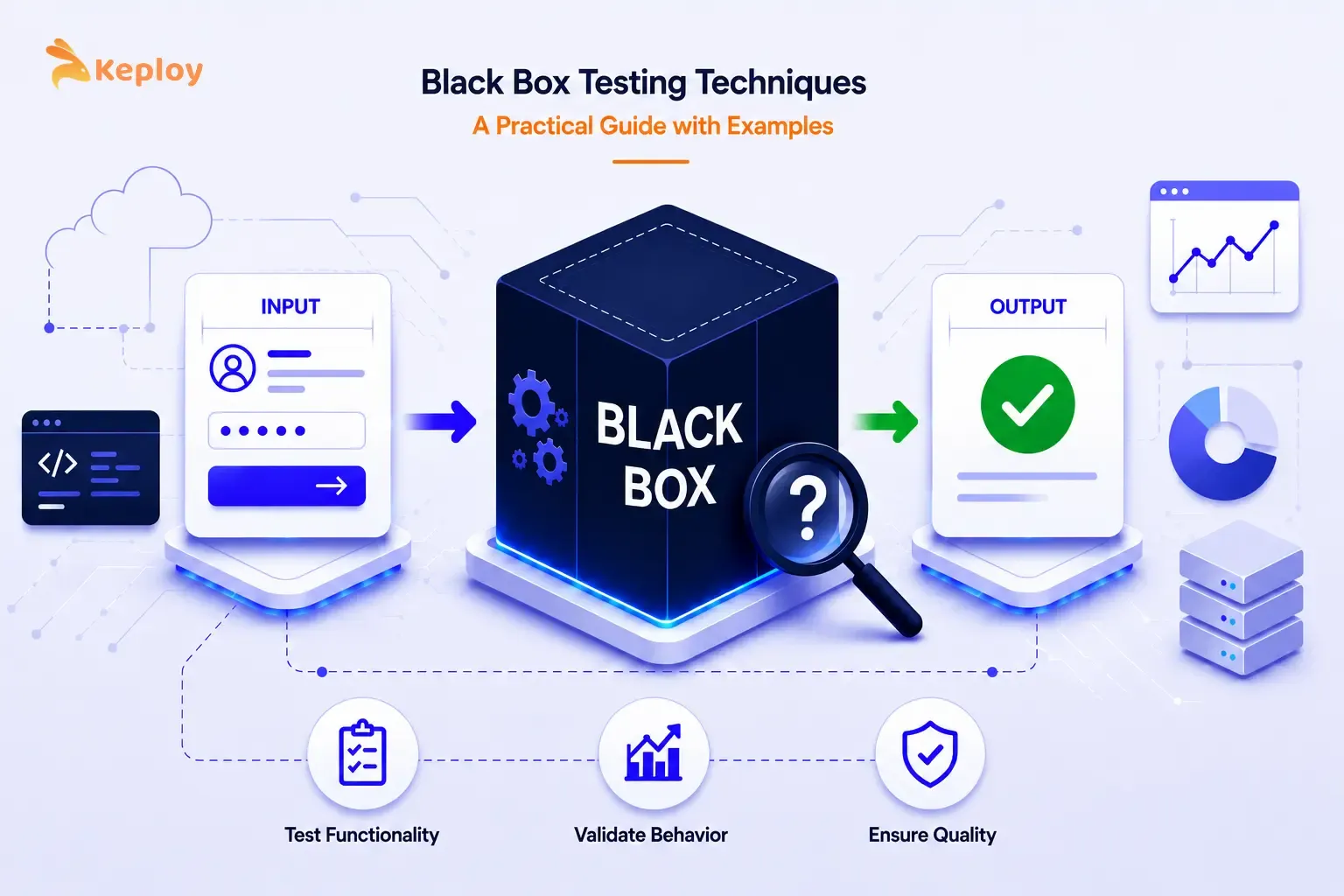
Black Box Testing Techniques: A Practical Guide (2026)
Black box testing techniques are systematic approaches to designing test cases through inputs and outputs alone, without examining source code. The five core methods – equivalence partitioning, boundary value analysis, decision table testing, state transition testing, and error guessing – each target a different failure category. Most teams apply all five in sequence, and the…