Keploy Blog Website
-
![Test Data Management: Complete Guide, Best Practices & Tools[2026]](https://wp.keploy.io/wp-content/uploads/2026/04/ChatGPT-Image-May-27-2026-05_23_46-PM.webp)
Test Data Management: Complete Guide, Best Practices & Tools[2026]
Test data management (TDM) is the practice of creating, maintaining, and provisioning the data tests need in a controlled, reusable way, including generating realistic datasets, masking sensitive fields, and refreshing environments. One shortcut for API teams is Keploy, which derives test data and mocks directly from real traffic, so datasets mirror actual usage without manual…
-
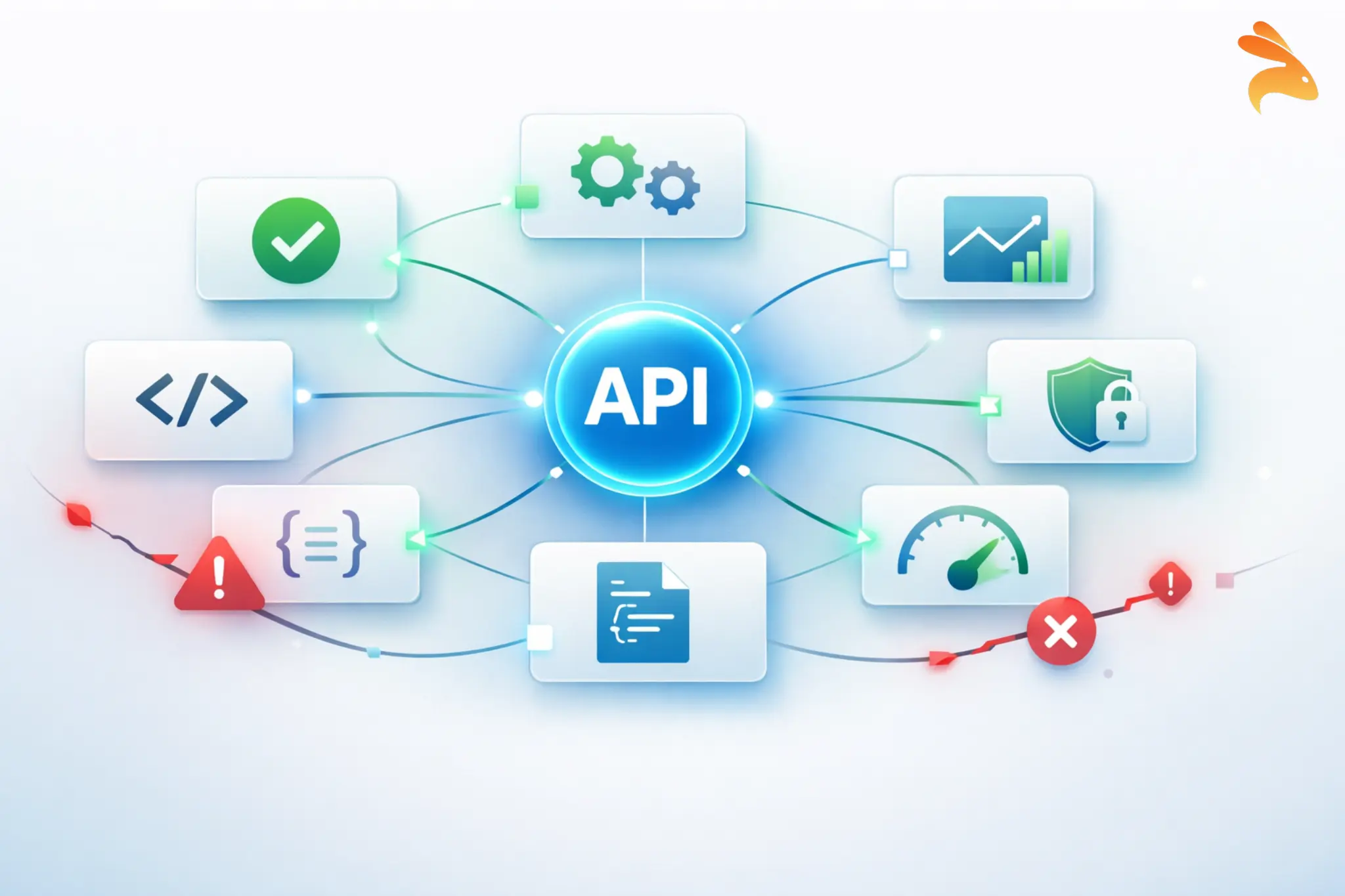
API Testing Strategies: A Complete Guide (2026)
An API testing strategy defines how you plan, prioritize, and structure tests across an API’s endpoints and workflows, from functional and contract testing to load, security, and CI/CD automation. Teams increasingly automate to cut manual effort; Keploy, for instance, turns real API traffic into test cases and mocks so coverage scales without hand-written scripts. API…
-
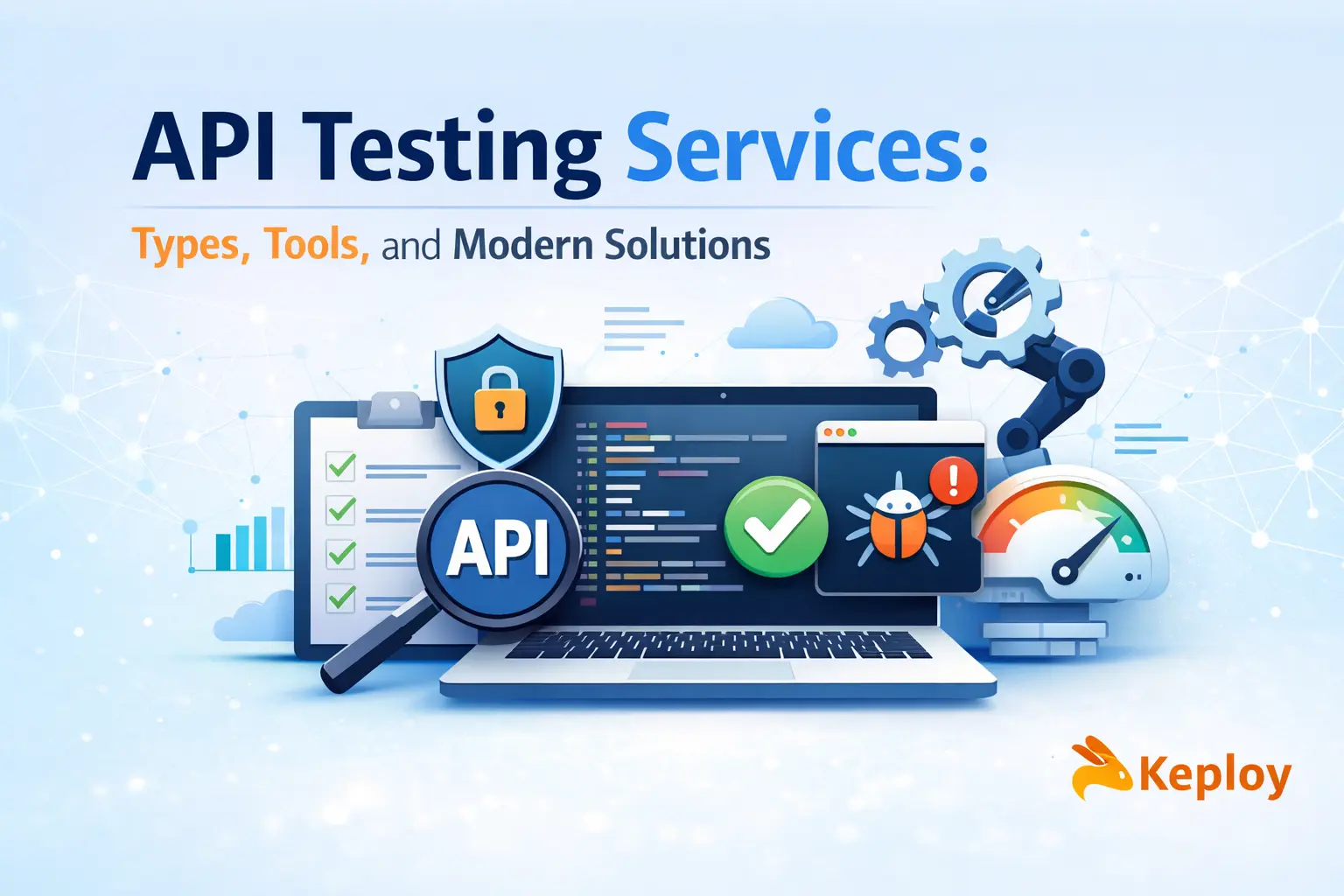
API Testing Services: Solutions, Process, Tools & Best Providers
API testing services help organizations validate API functionality, performance, security, integrations, and reliability across the software lifecycle. These services are typically delivered by QA teams, testing vendors, or automation platforms to ensure APIs work correctly in real-world environments. APIs are no longer just backend infrastructure—they are the backbone of modern digital products. Whether you’re building…
-
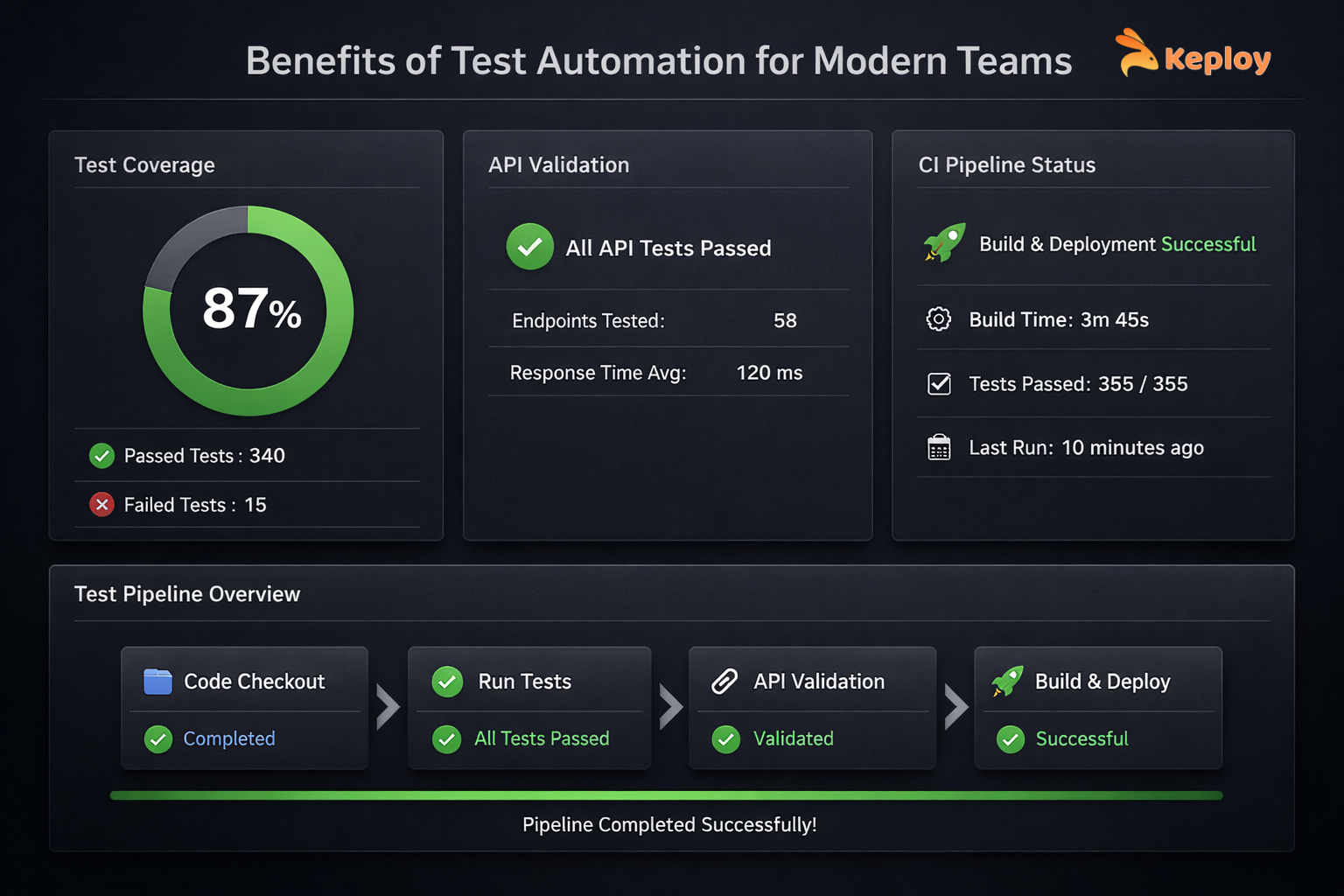
Benefits of Test Automation That Improve Release Confidence
The benefits of test automation become clear when software teams start releasing faster than they can manually test. Many engineering teams today face the same challenge: delivery speed is increasing, but validating every change manually takes too long. Test automation helps solve this by running tests quickly, catching bugs earlier, and reducing repetitive manual work…
-
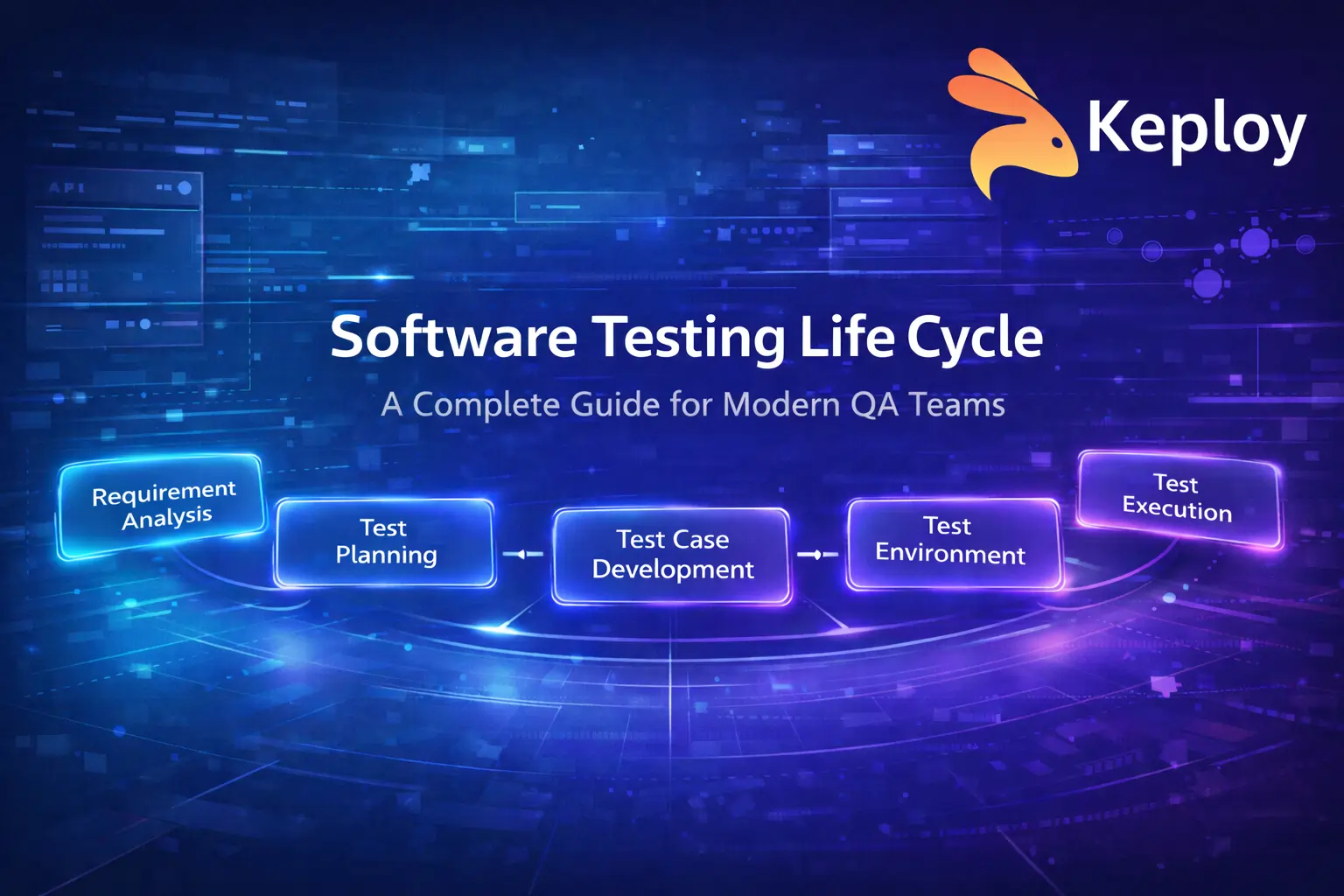
Software Testing Life Cycle A Complete Guide for Modern QA Teams
The Software Testing Life Cycle (STLC) is a structured sequence of six phases – requirement analysis, test planning, test case development, environment setup, test execution, and test closure that QA teams follow to systematically validate software quality. Unlike the SDLC which governs how software is built, STLC governs how it’s verified. Each phase has defined…
-
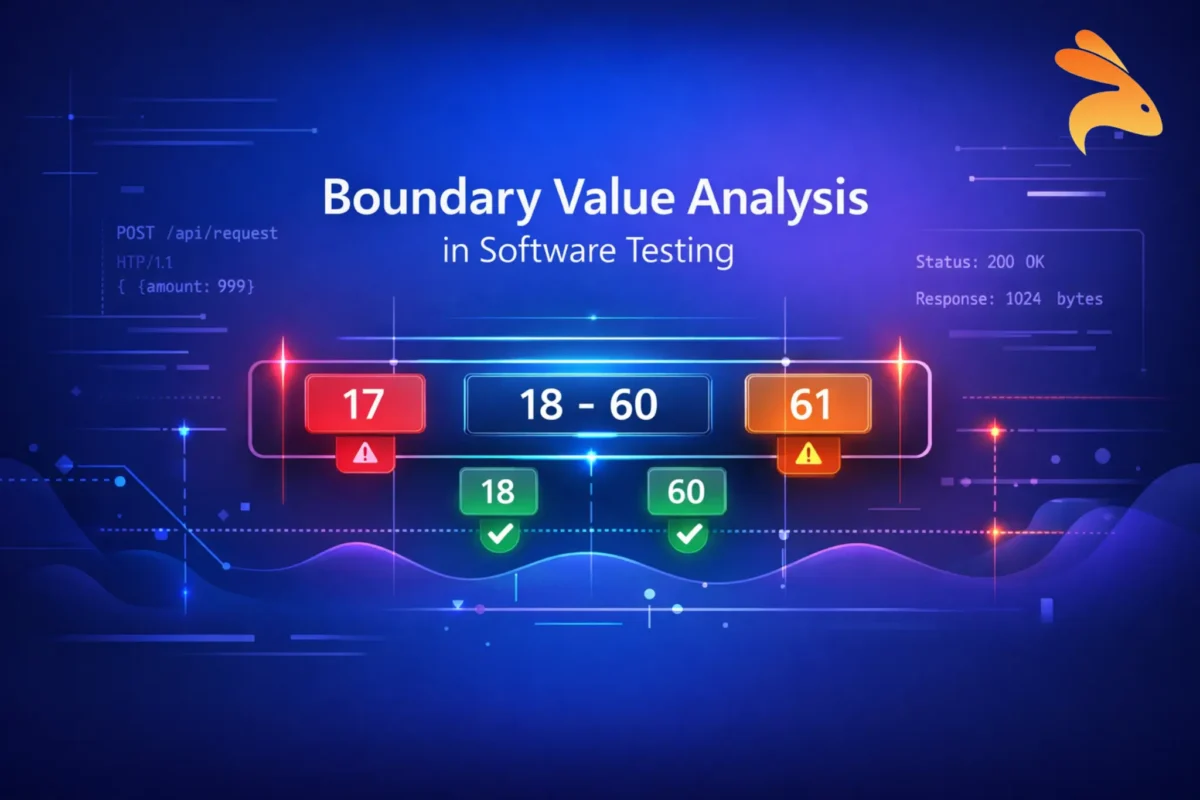
Boundary Value Analysis (BVA) in Software Testing
Boundary Value Analysis is a black-box testing technique that targets input values at the edges of valid ranges – minimum, just below minimum, maximum, just above maximum – where most defects occur. Testing six boundary values instead of every possible input catches off-by-one errors, operator mistakes, and validation gaps with minimal effort. In API-driven systems,…
-
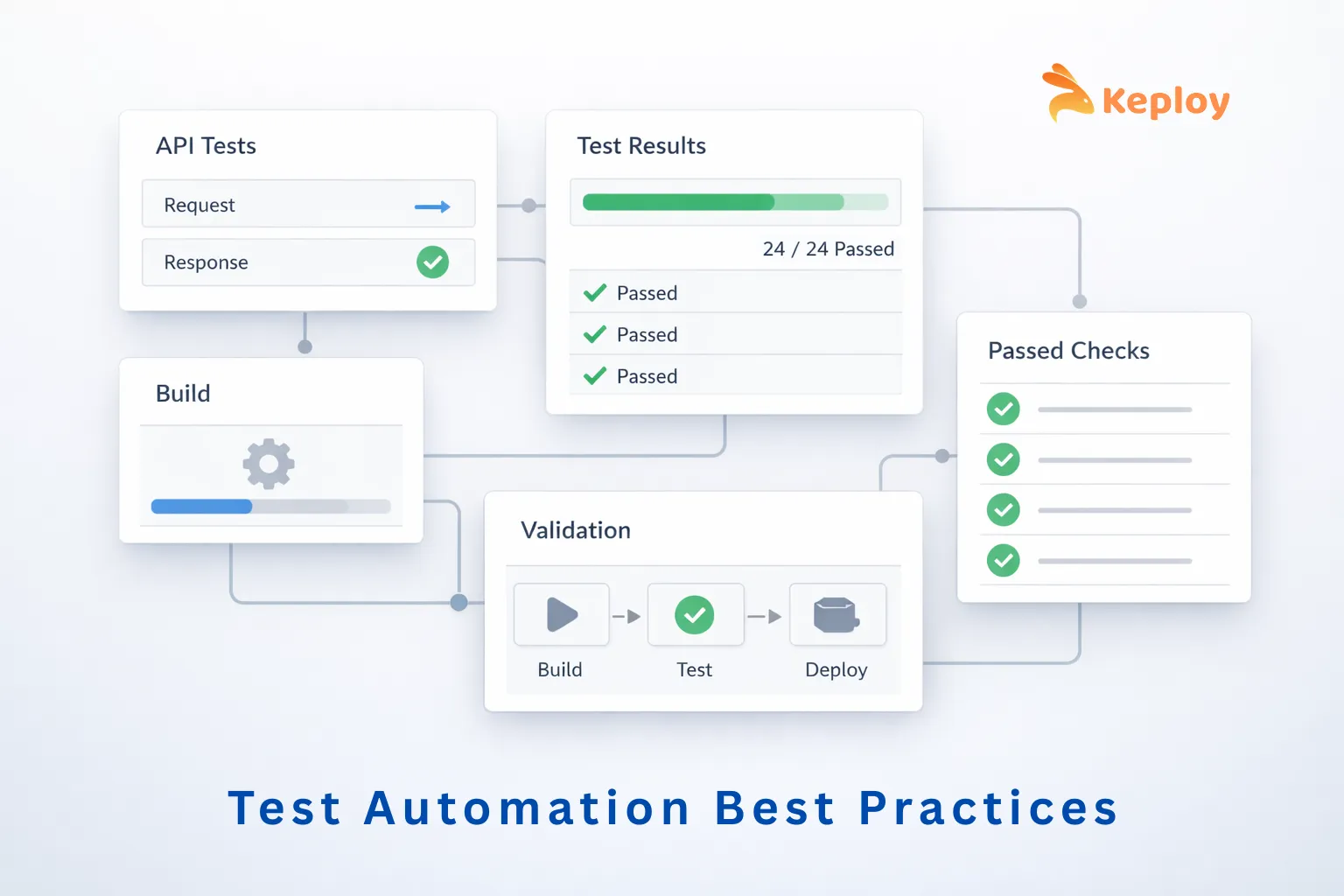
Top Test Automation Best Practices Every Team Should Follow
Test automation has become an essential part of modern software development. In 2026, shipping fast without reliable test automation is almost impossible. Done right, it ensures consistent quality, faster feedback, and fewer production incidents. This guide covers practical test automation best practices used by real engineering teams to deliver measurable results. Benefits of Test Automation…
-
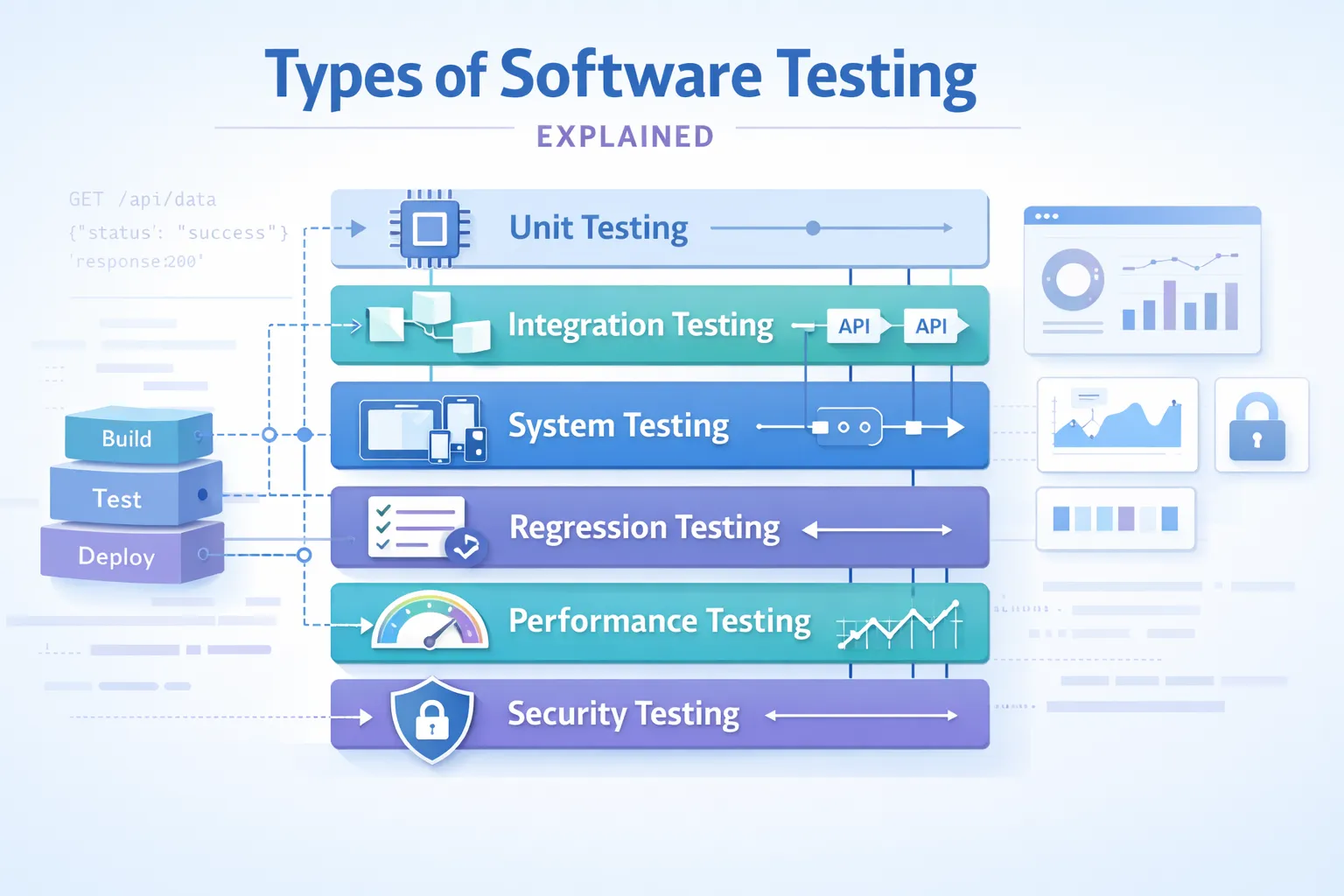
Types of Software Testing: A Comprehensive Guide (2026)
Software testing validates what an application does and how well it does it – from functional correctness and performance under load to security vulnerabilities and cross-environment behavior. Teams organise this work by level, purpose, technique, and execution method. Most combine these based on risk, with API, integration, and regression testing – where Keploy automates coverage…
-
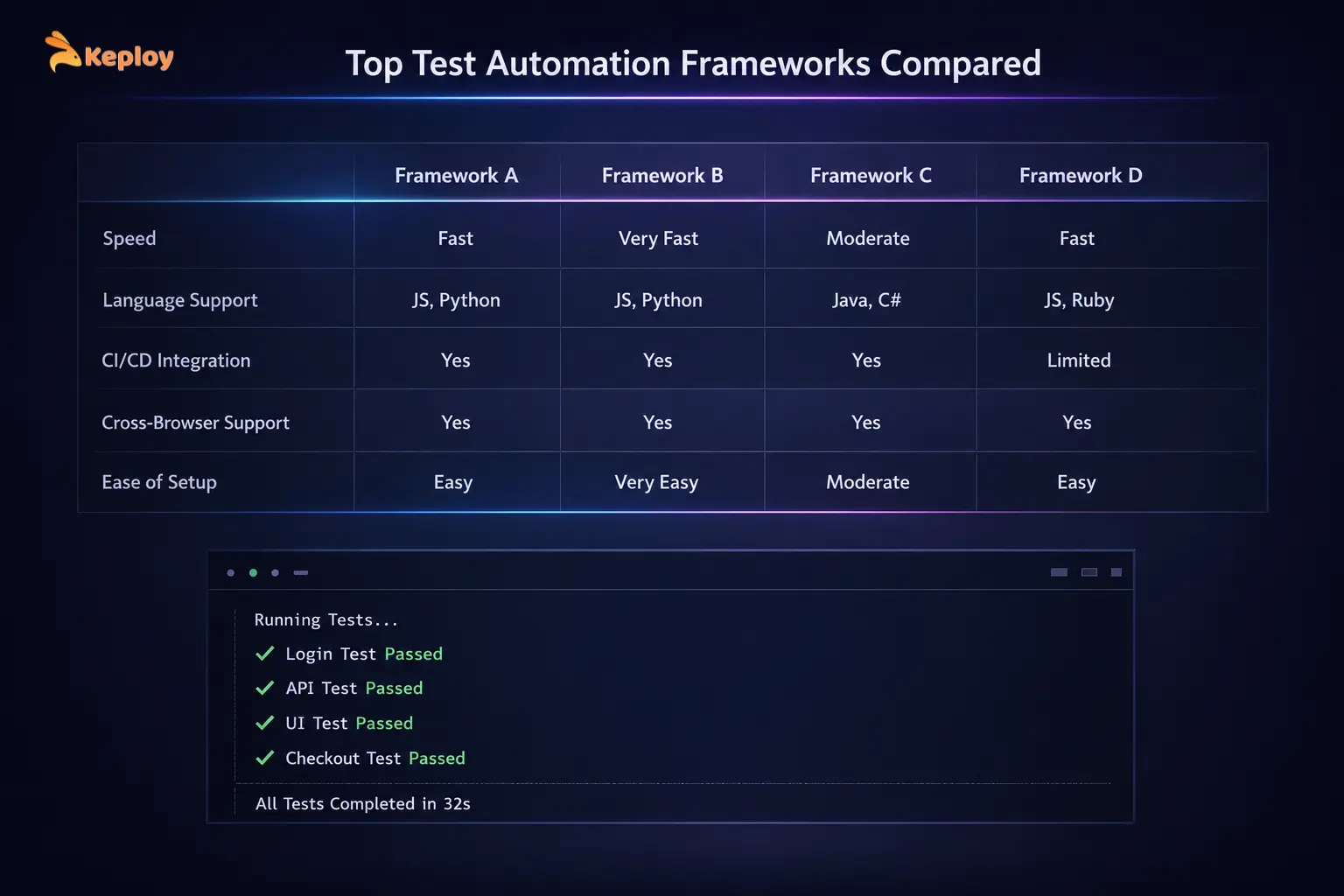
Top 12 Test Automation Frameworks in 2026 Compared
A test automation framework is the structured architecture around your testing tools – coding standards, reusable components, and CI/CD integration that determines whether automation scales or collapses under maintenance. Teams combine frameworks across layers: unit at the code level, API at the service layer, and E2E for critical journeys only. At the API layer, Keploy…
-

Building Reliable AI Writing Tools: Lessons from Developing Textero
Creating AI writing tools is messier than you’d think. You start with this grand vision of an assistant that actually helps people write better, not just spits out generic text. Then reality hits. Models hallucinate. Users have wildly different needs. And suddenly you’re facing questions about responsibility, accuracy, and whether you’re building something genuinely useful…