Tag: devops
-
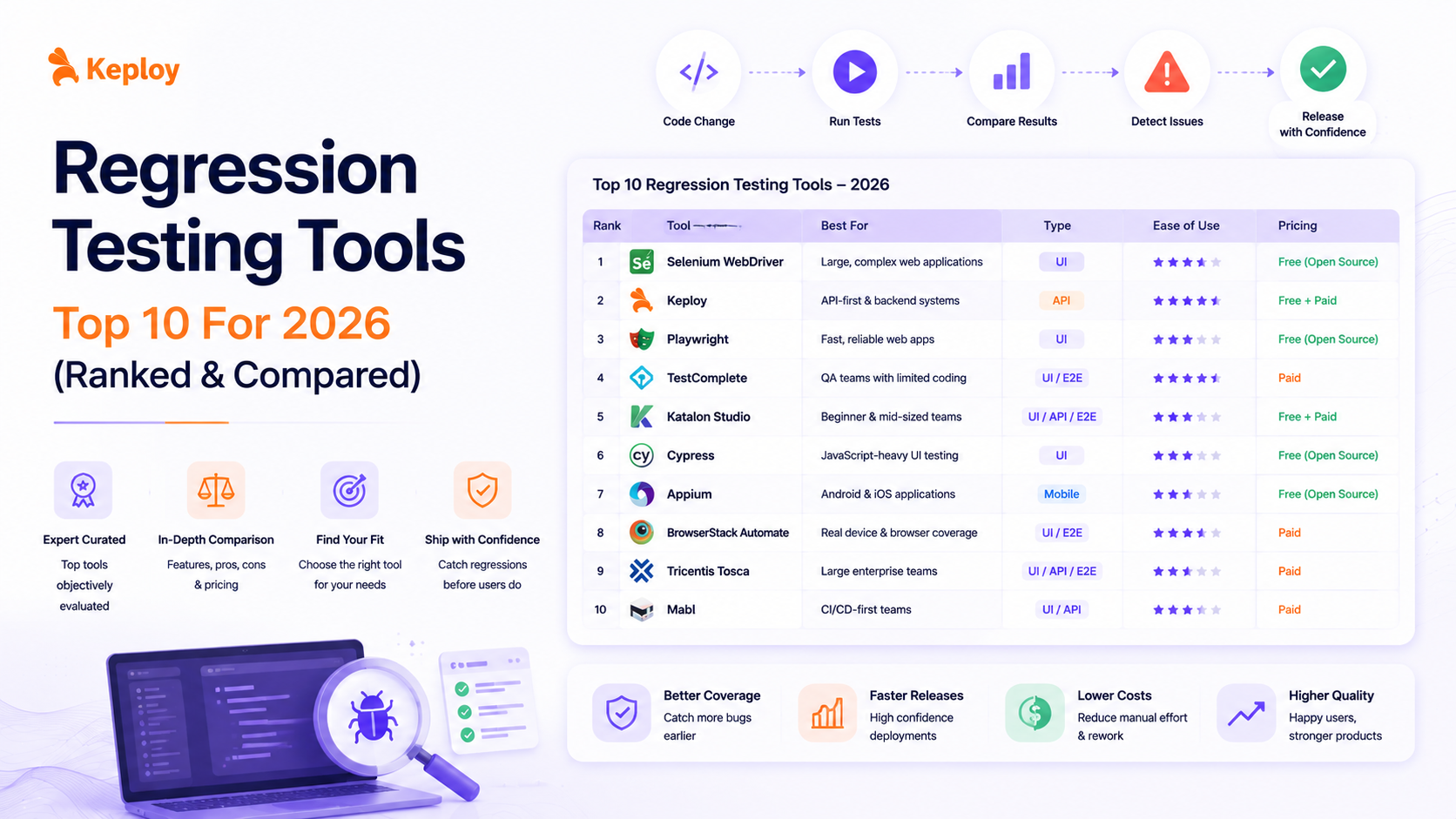
Regression Testing Tools: Top 11 for 2026 (Ranked & Compared)
Regression testing tools are the safety net your software can’t afford to skip. As teams deliver features more quickly than ever before, it is critical to ensure that previously developed features continue to function correctly. That’s where regression testing tools come in. These tools automate repetitive tests, catch bugs introduced by code changes, and integrate…
-
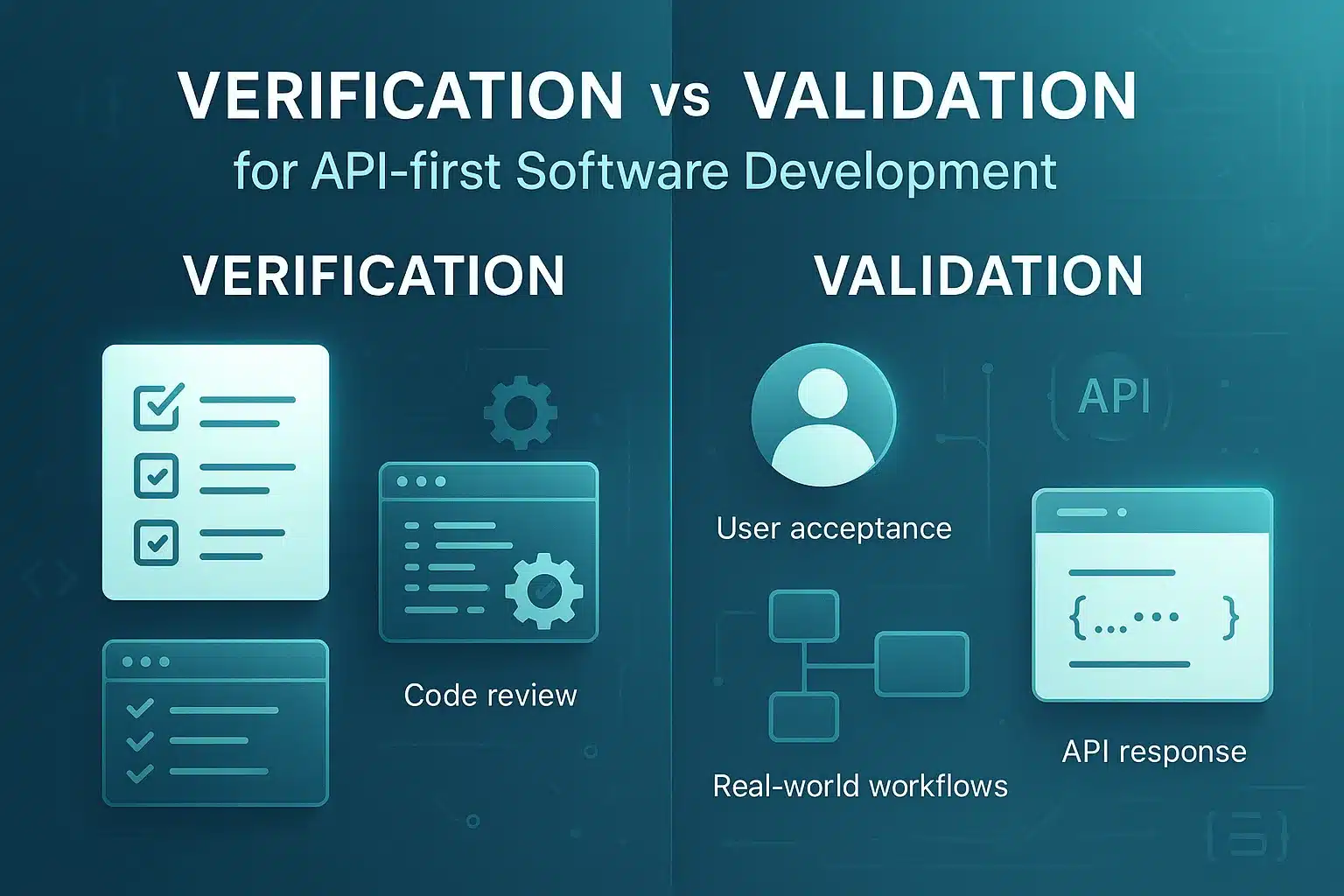
Verification vs Validation in API-first Software Development
It’s easy to create APIs very quickly. However, creating APIs that are reliable when used in challenging distributed systems is much harder. Many development teams are moving quickly to ship features to the market, which has led to the verification vs validation distinction becoming the middle ground between a successful launch and an incident that…
-
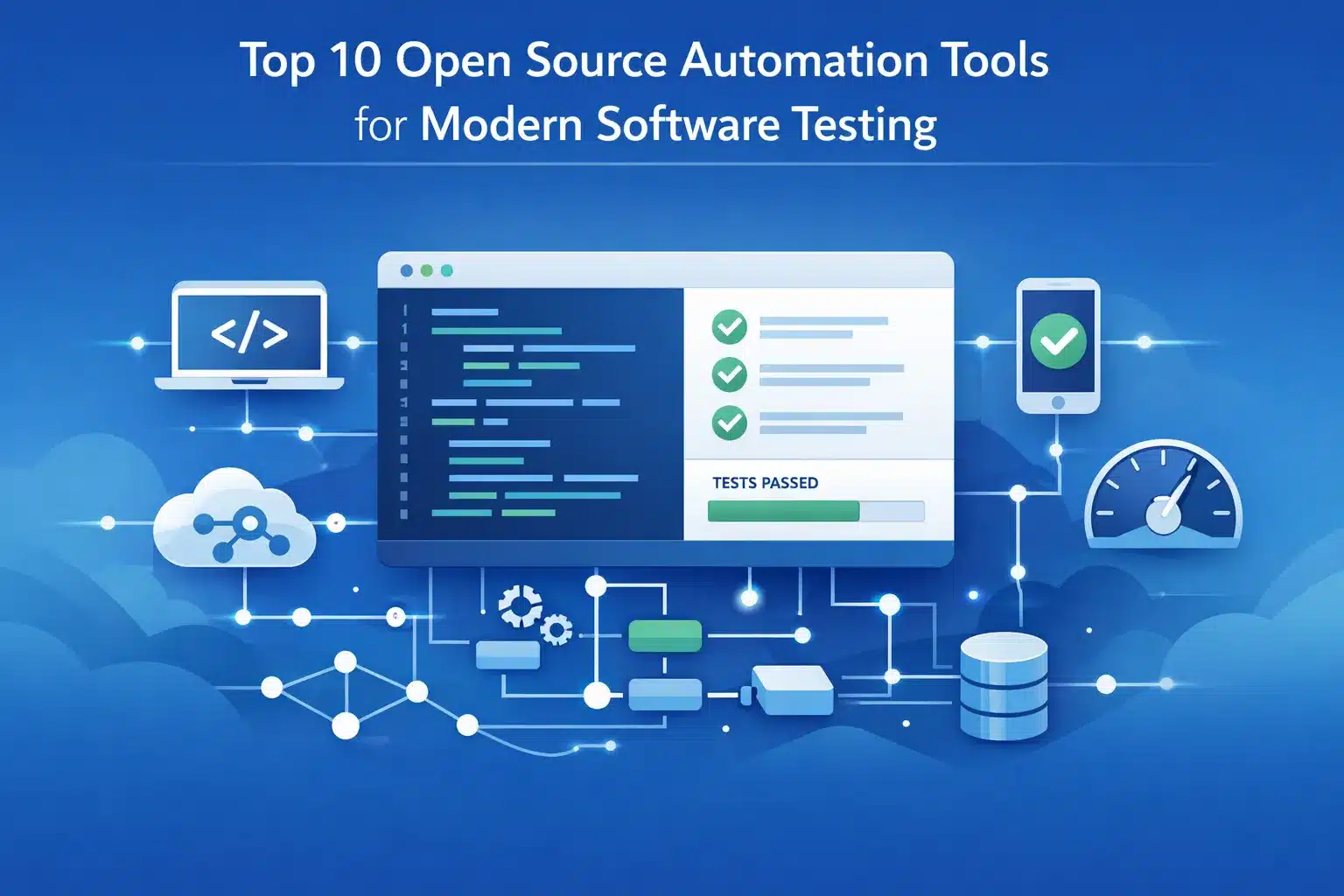
Top 10 Open Source Automation Tools for Modern Software Testing
The right open source automation tool depends on which testing layer you’re strengthening, and no single tool covers all of them well. For API and backend testing specifically, Keploy generates tests automatically from real traffic without manual scripting. This guide breaks down all 10 tools by testing layer, so you can pick the right one…
-

A Complete Guide to CI Testing: Benefits, Tools & Workflow
CI testing is the automatic running of tests every time code is committed to a shared repository, so integration issues and regressions surface immediately instead of piling up. Teams keep the mainline releasable by wiring fast, reliable suites into every build. Keploy suits this well, producing API tests from real traffic and slotting straight into…
-
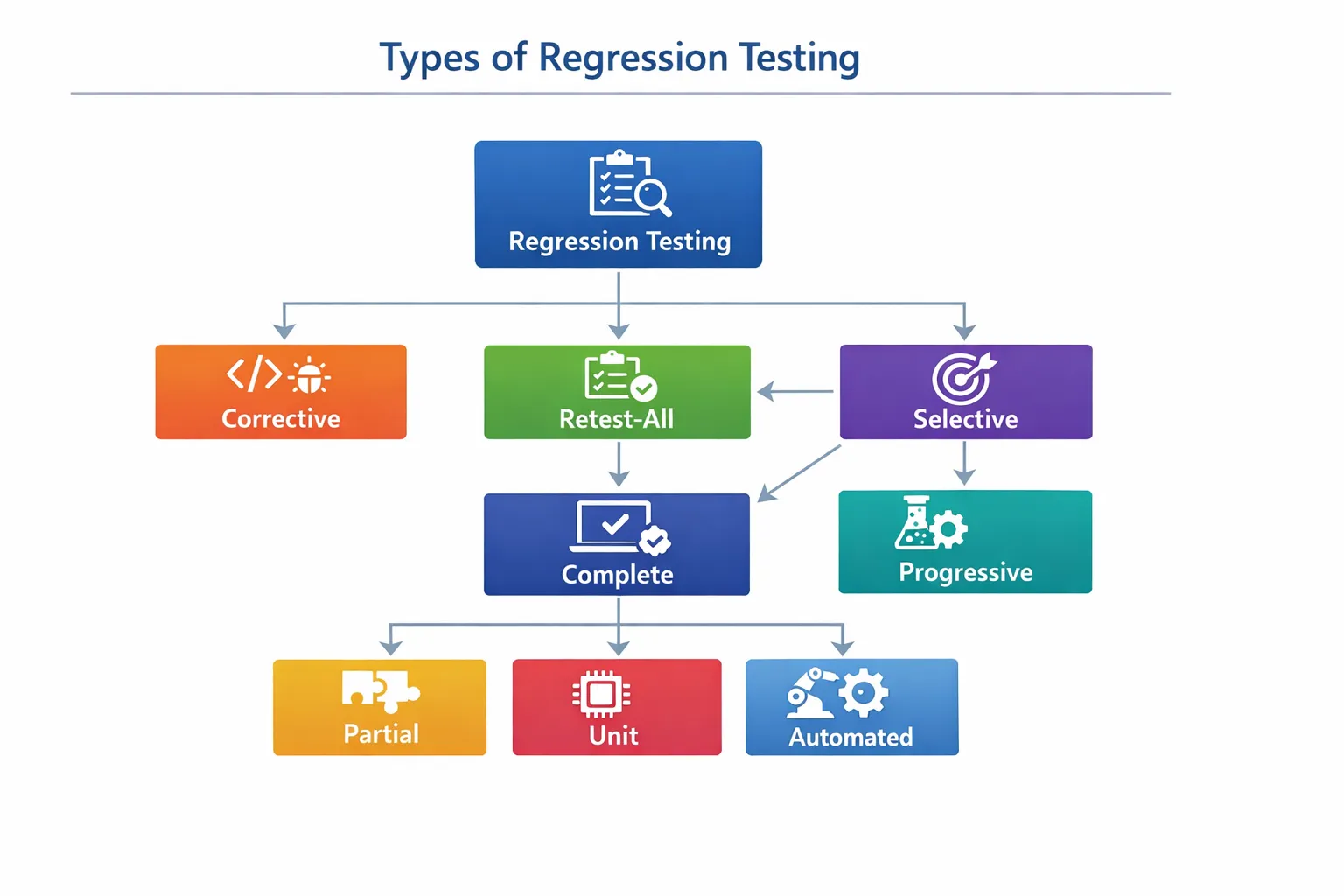
Types of Regression Testing in Software Testing Explained (Updated)
Regression testing covers eight distinct approaches, each suited to different scenarios – corrective for minor changes, selective for targeted impact, progressive when new features alter existing flows, complete after major architectural changes, and automated for continuous CI/CD validation. The right choice depends on change scope, release timeline, and risk tolerance. Even small software changes can…
-
5 Best Load Testing Tools (Open Source) for DevOps in 2026
Choosing the right load testing tool is essential for ensuring your application performs reliably under heavy traffic. Whether you’re testing REST APIs, microservices, or full-stack applications, the right tool can uncover bottlenecks before they impact users. In this guide, we’ll compare the five best open source load testing tools — Keploy, Apache JMeter, Gatling, The…
-
Test Automation: Complete Guide, Tools & Frameworks for 2026
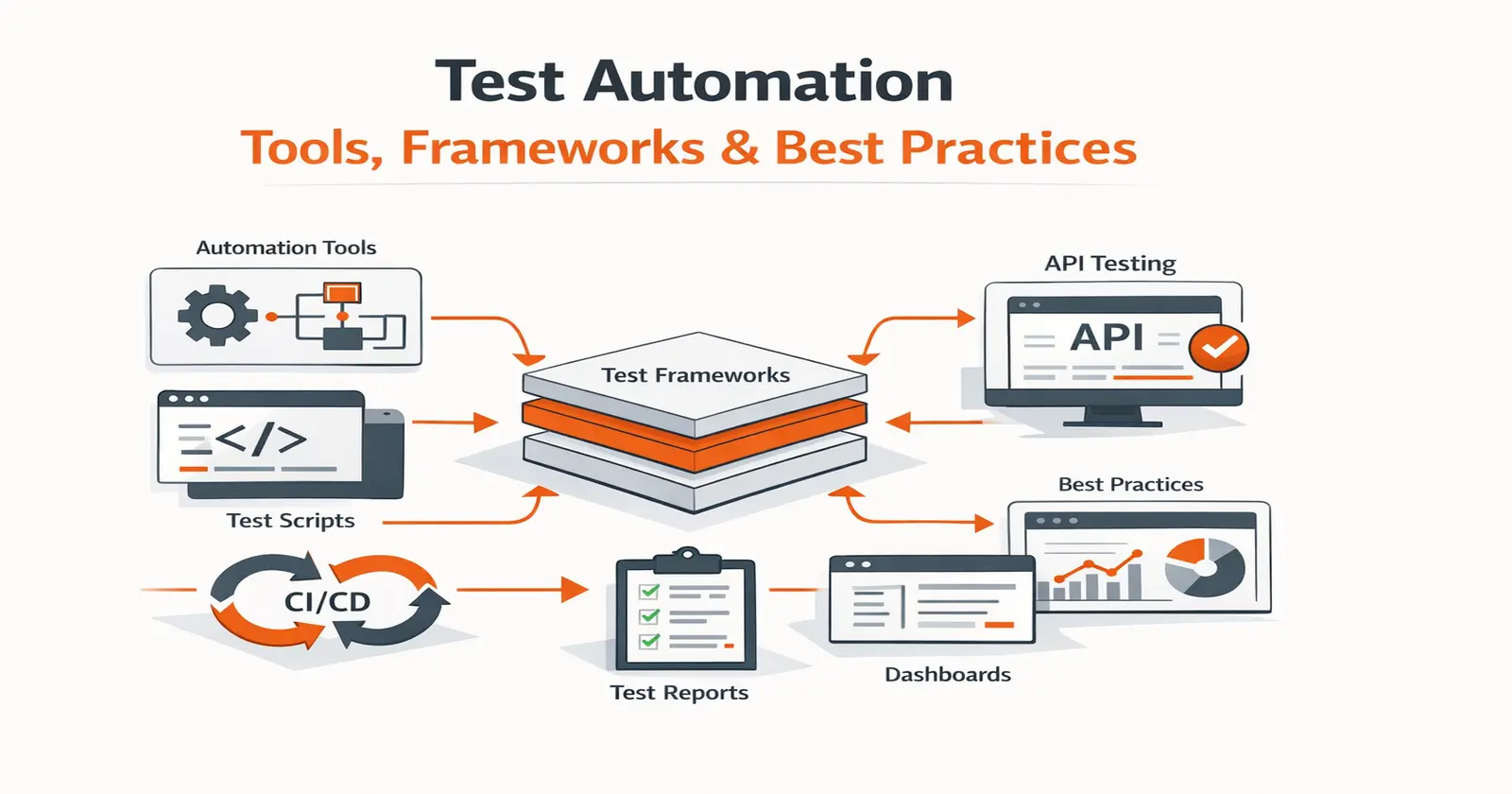
Test automation is the use of tools and scripts to run tests, validate outcomes, and report results without manual effort on every build. The goal isn’t to automate everything – it’s repeatable validation of the right layers. Most teams get the most signal from API and integration tests in CI, where tools like Keploy generate…
-
Datadog vs Sentry Comparison in 2025
As software systems become distributed, scalable, complex and dynamic, observability tools become essential to ensure smooth functioning of the systems, early detection of the issues and quick resolution. Sentry and Datadog are two main observability tools which is used in the modern DevOps workflow. Let’s see the detailed comparison of Datadog and Sentry in this…
-
Best DevOps Automation Tools in 2025
Software teams have to move quickly, deliver perfectly, and be able to adapt to changes right away in today’s fast-paced world. The bar is high: regular updates, few bugs, and no downtime. Are you trying to do all of this by hand? That’s a sure way to get burned out and stuck. That’s where automation…
-

Flaky Test Guide (2026): Causes, Examples, and Fixes
In modern software development, fast and reliable automated testing is essential for maintaining high-quality applications and efficient CI/CD pipelines. However, one of the biggest challenges teams face is dealing with flaky tests —tests that pass or fail inconsistently even when the application code hasn’t changed. These unpredictable failures create confusion, slow down deployments, waste engineering…