Tag: software-development
-
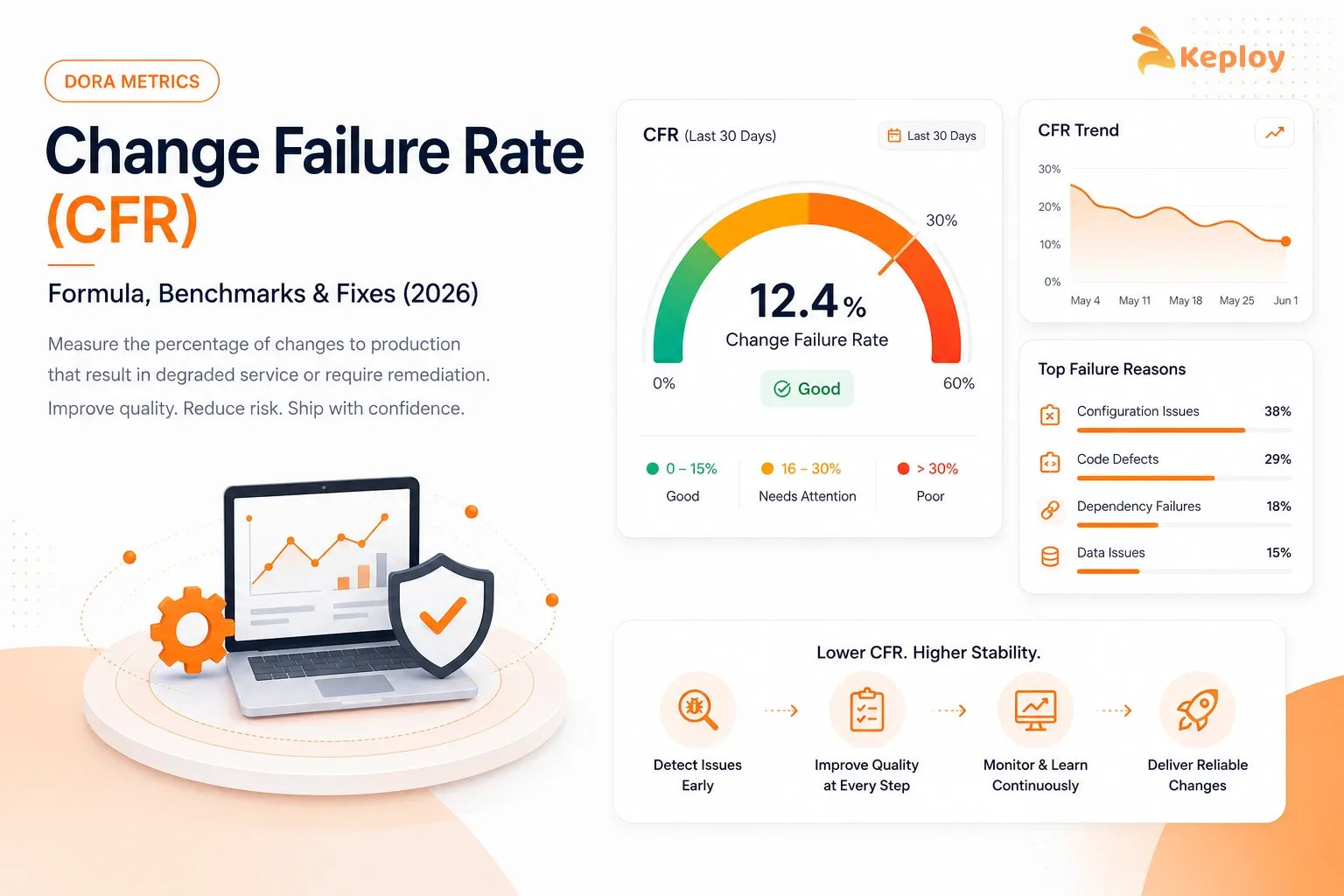
Change Failure Rate (CFR): Formula, Benchmarks & Fixes (2026)
Change failure rate measures the percentage of production deployments that trigger a rollback, hotfix, or emergency patch, making it a stability signal rather than a speed metric. Even elite teams rarely hit a near-zero rate, since most spikes trace back to untested API regressions slipping through CI. Keploy generates regression tests from real traffic, catching…
-
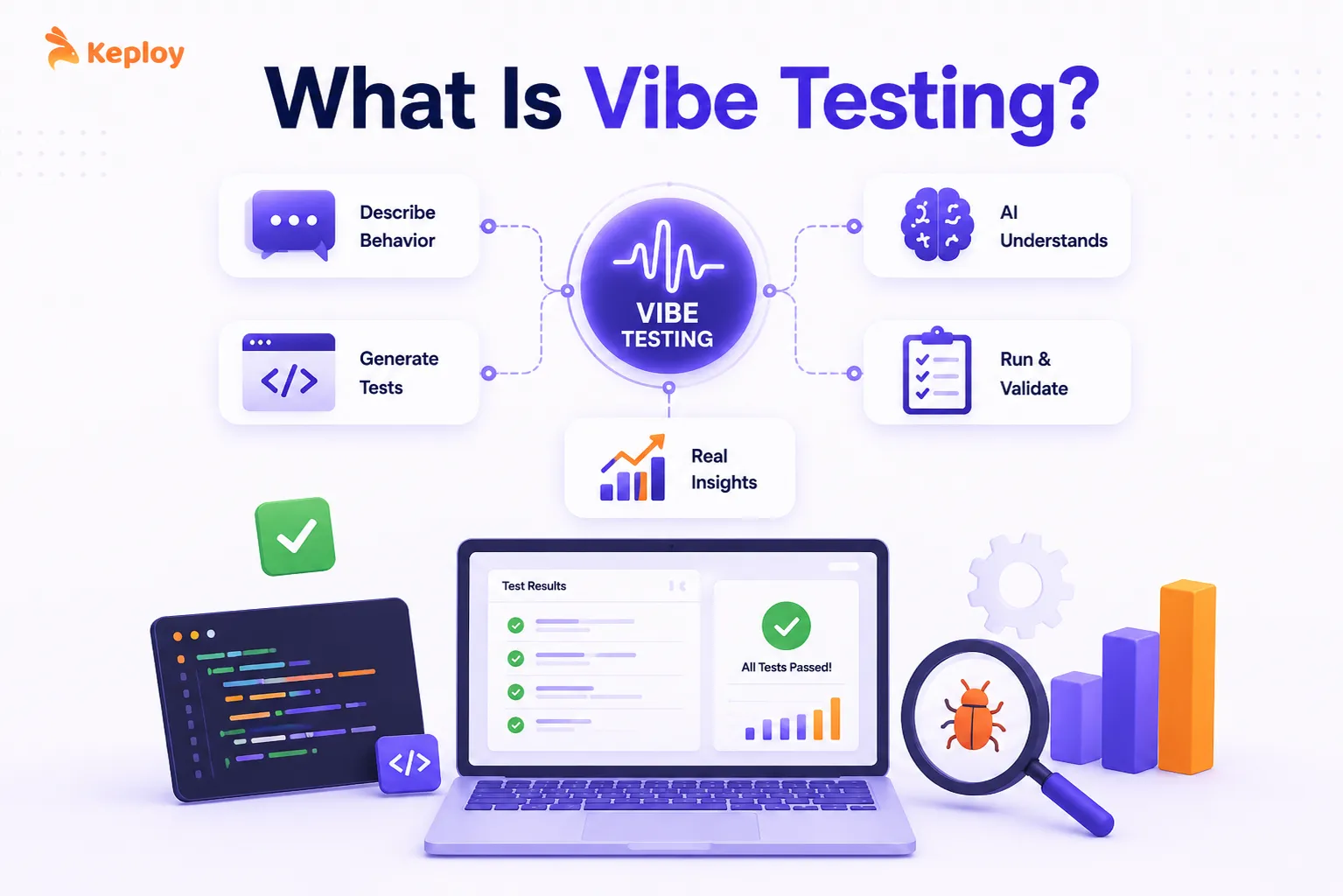
What Is Vibe Testing? A Practical Guide for Developers
Vibe testing is what happens when the way software gets built changes faster than the way it gets tested. For years, QA worked on a simple assumption: developers write the code, testers verify it. That assumption breaks down when the code is being generated by an AI from a plain English prompt. The person shipping…
-
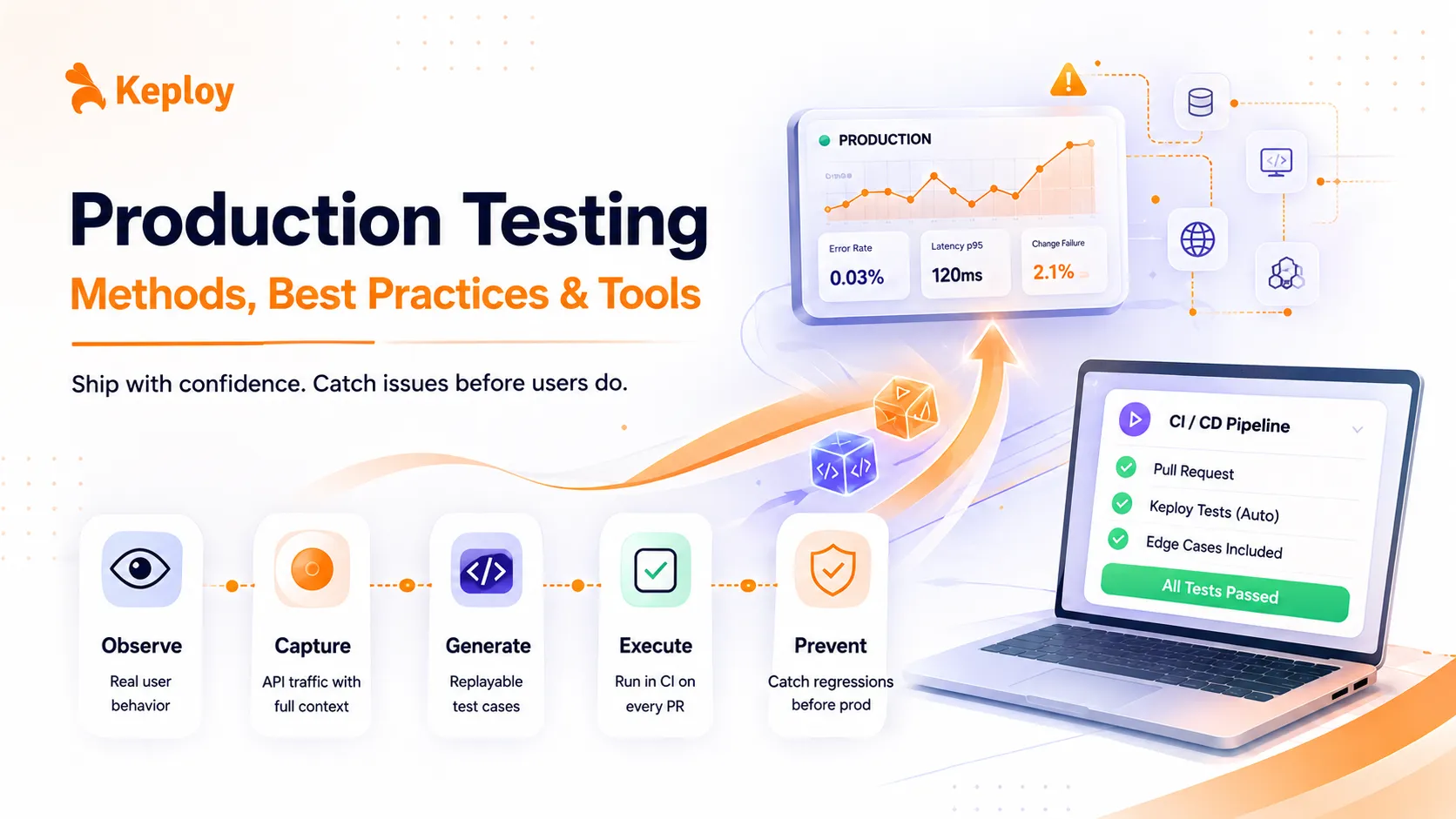
Production Testing: Methods, Best Practices & Tools (2026)
Production testing is the practice of validating software in the live environment using real user traffic – not as a replacement for staging, but as an additional layer that catches what no controlled environment can replicate. Done with guardrails like canary releases, feature flags, and rollback plans, it’s standard practice at Netflix, Google, and Meta.…
-
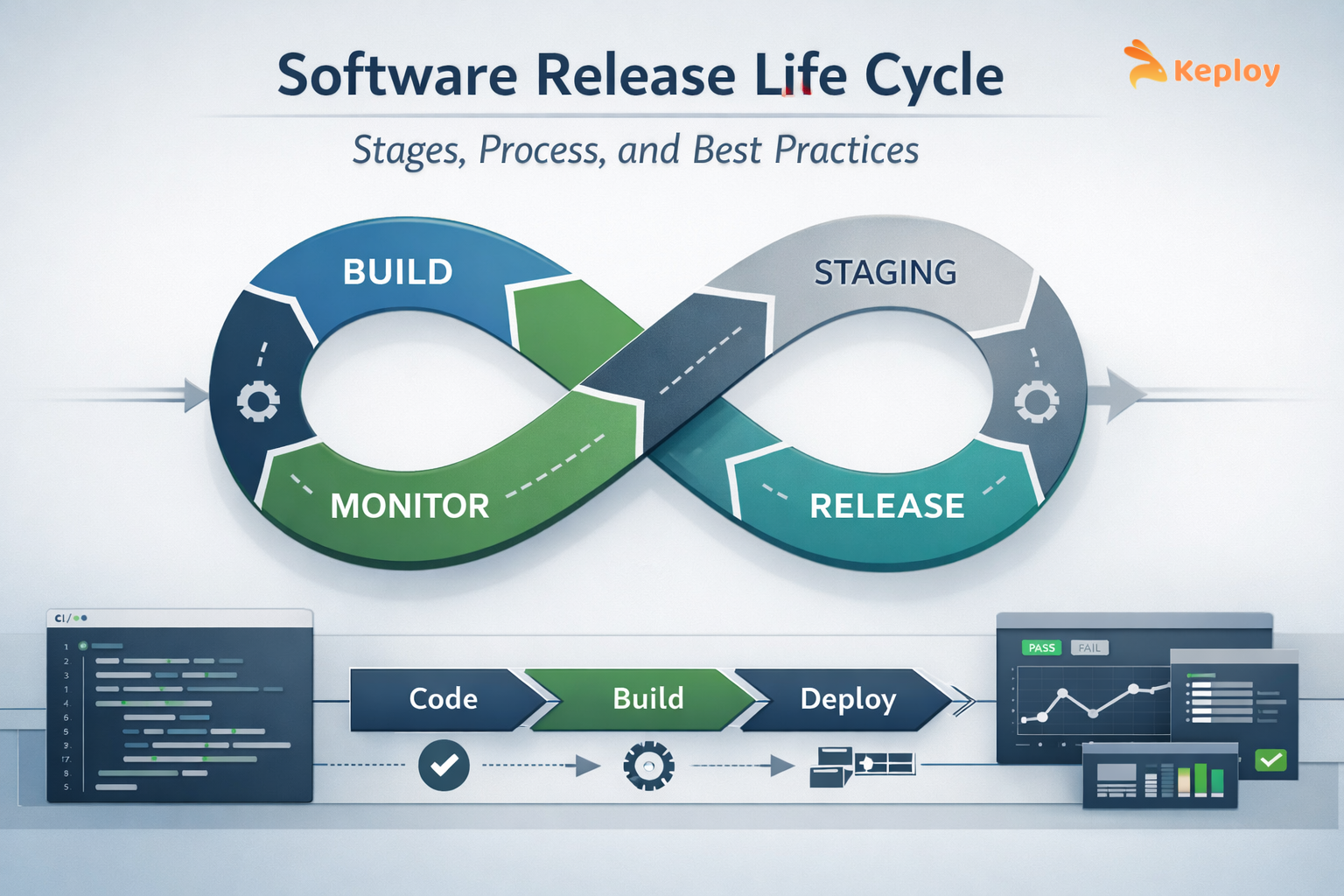
Software Release Life Cycle: Stages, Process, and Best Practices
Software release life cycle is the sequence of stages software moves through from development to production: pre-alpha, alpha, beta, release candidate, and general availability. Unlike the SDLC, the SRLC focuses on how software is validated and delivered safely. One distinction modern teams rely on: deployment and release aren’t the same – code can sit in…
-
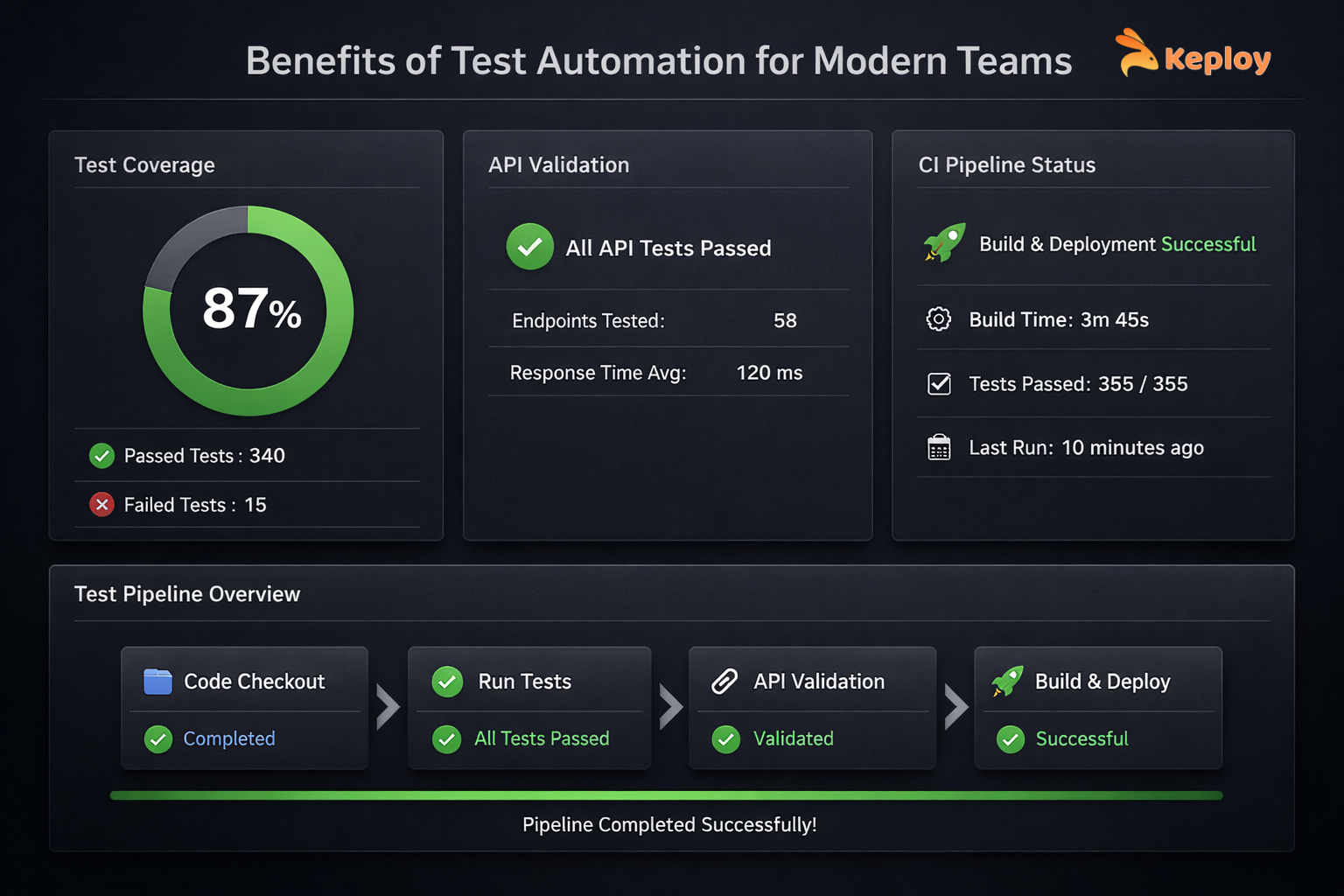
Benefits of Test Automation That Improve Release Confidence
The benefits of test automation become clear when software teams start releasing faster than they can manually test. Many engineering teams today face the same challenge: delivery speed is increasing, but validating every change manually takes too long. Test automation helps solve this by running tests quickly, catching bugs earlier, and reducing repetitive manual work…
-
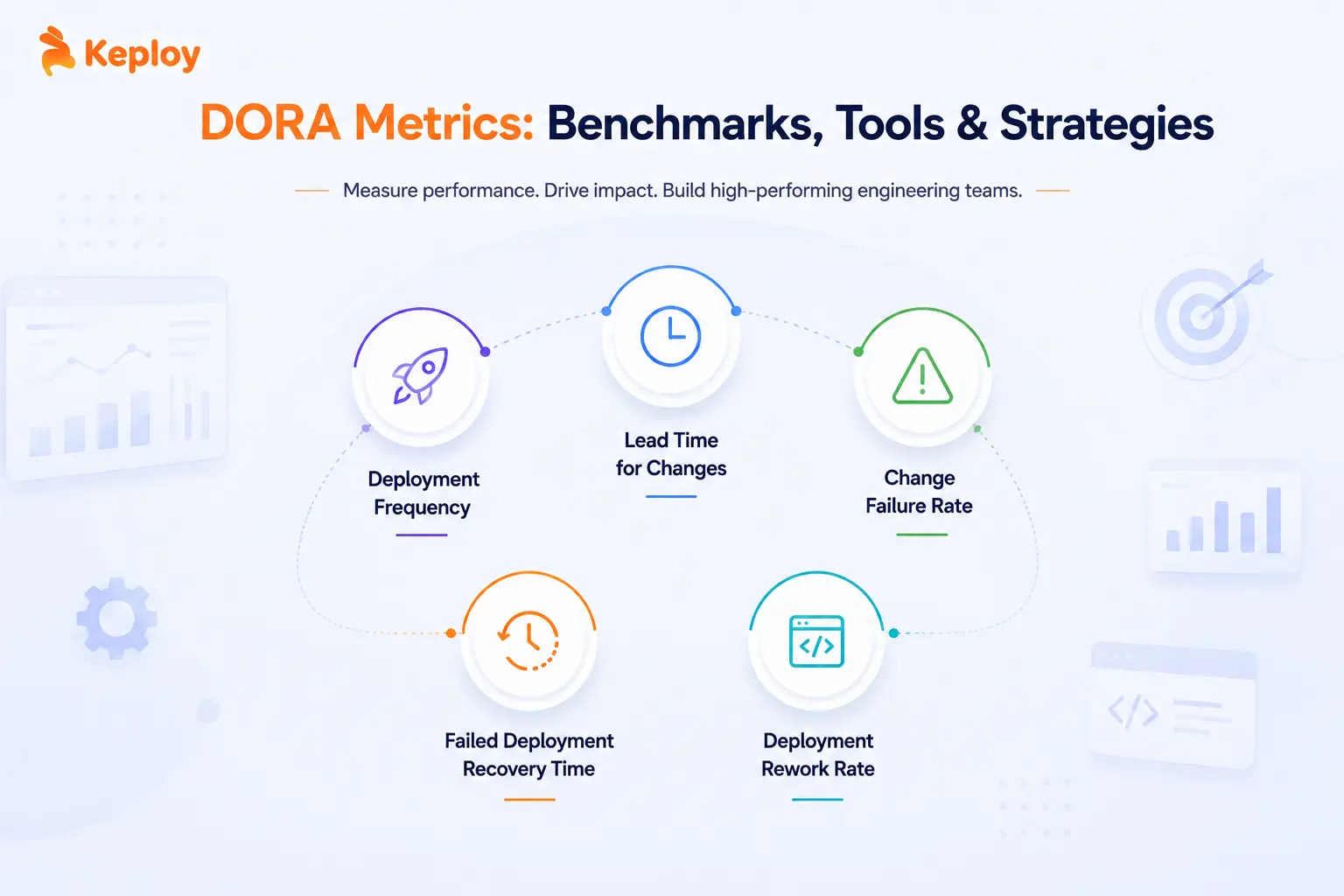
DORA Metrics: Benchmarks, Tools & Strategies to Improve (2026)
DORA metrics are five research-backed measurements used by engineering teams to evaluate software delivery performance across two dimensions: throughput (speed) and stability (reliability). Most teams can track their numbers – the harder part is knowing which metric to fix first and what actually moves it. This guide covers 2026 benchmarks, proven strategies, and where automated…
-
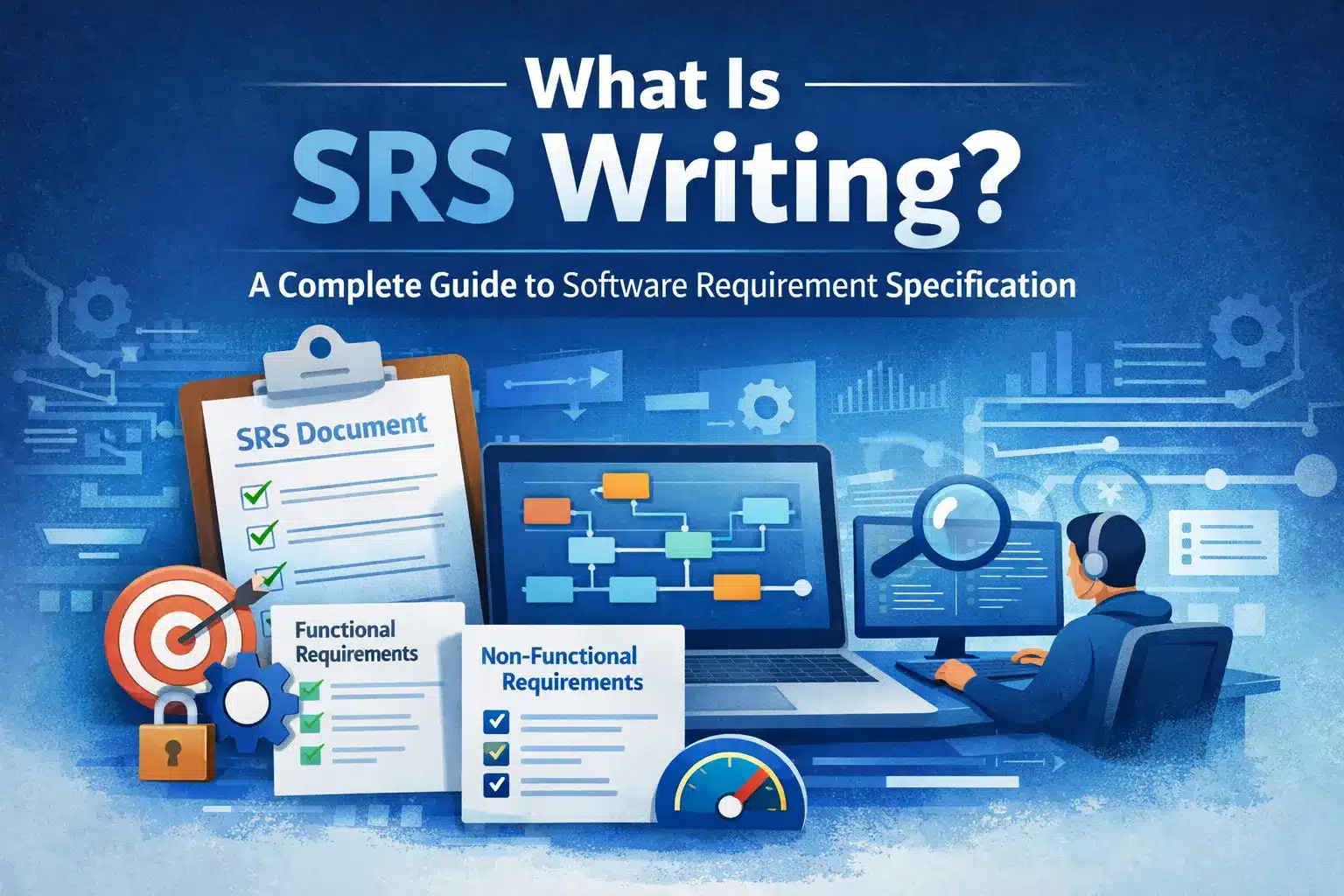
What Is SRS Writing: A Complete Guide to Software Requirement Specification
SRS (Software Requirements Specification) writing is the process of documenting what a software system must do and the constraints it operates under. A good SRS captures functional and non-functional requirements, interfaces, and acceptance criteria in a clear, testable form, giving developers, testers, and stakeholders a shared, unambiguous reference. A Software Requirements Specification (SRS) is a…
-
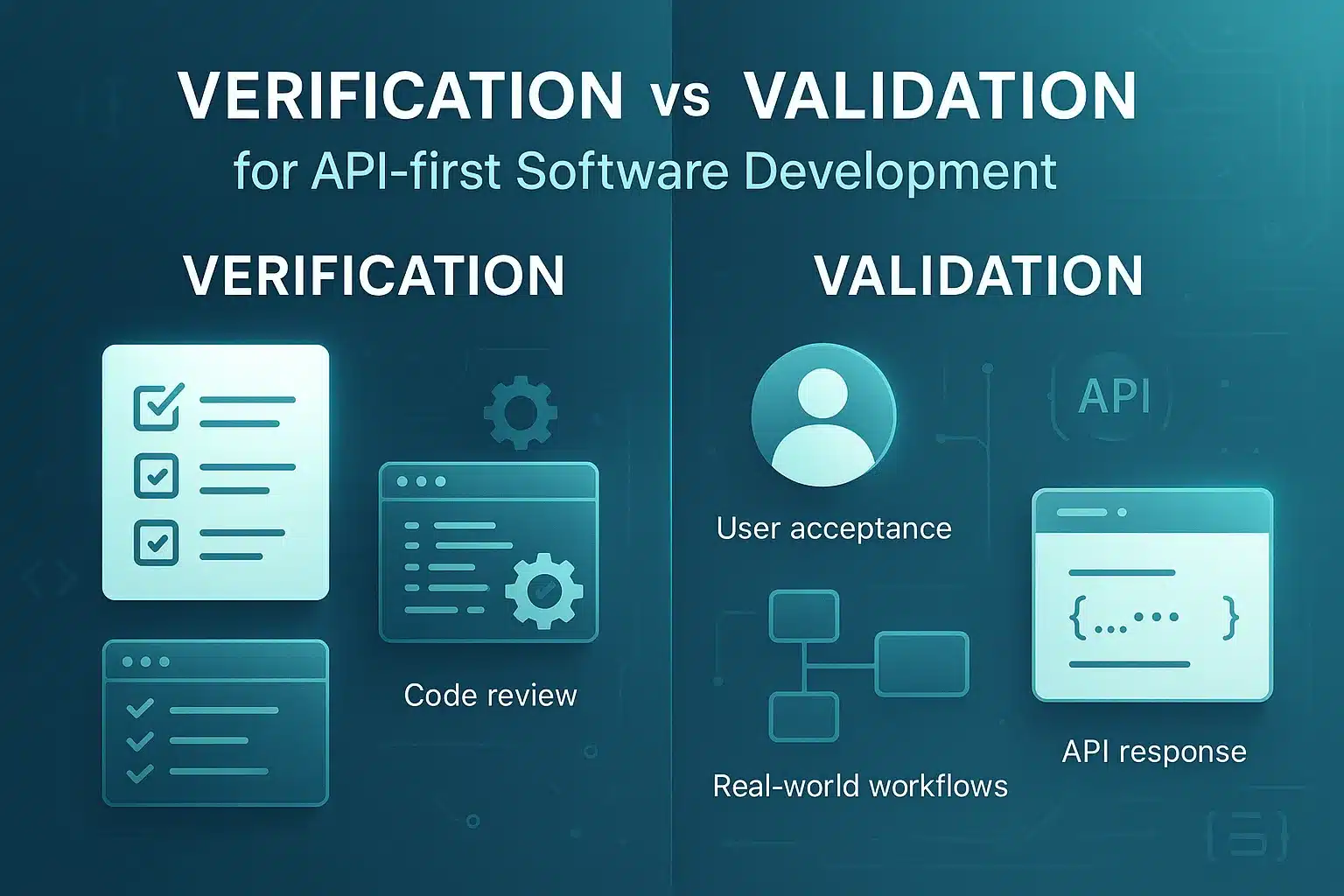
Verification vs Validation in API-first Software Development
It’s easy to create APIs very quickly. However, creating APIs that are reliable when used in challenging distributed systems is much harder. Many development teams are moving quickly to ship features to the market, which has led to the verification vs validation distinction becoming the middle ground between a successful launch and an incident that…
-
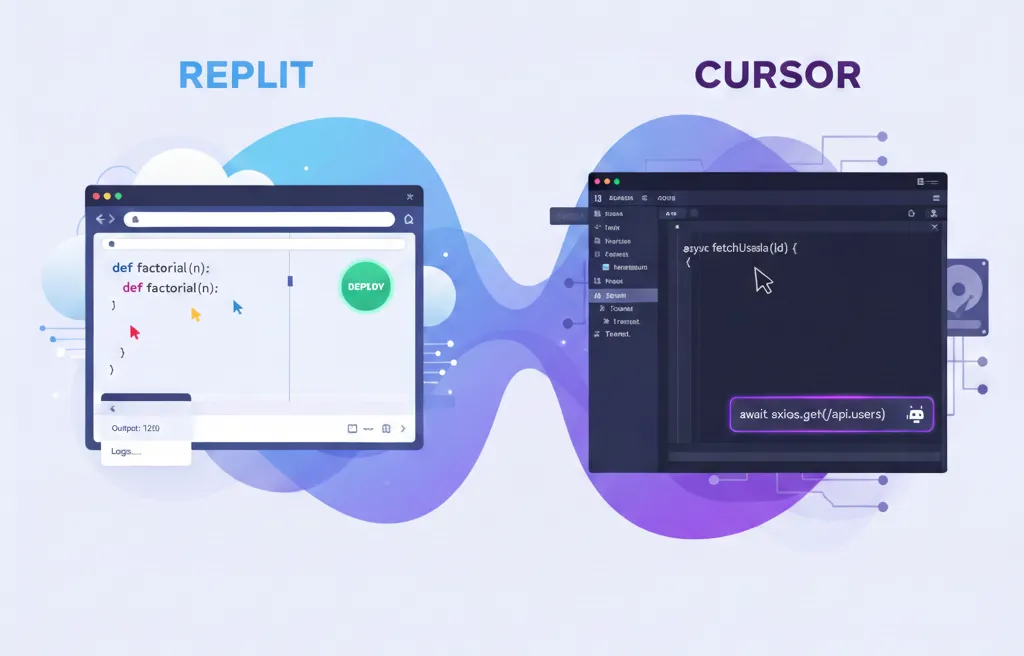
Replit vs Cursor : Which AI Coding Platform Should Developers Choose?
In an age where software developers are speeding up their code development to meet the demand of rapid application deployment, there are new tools being developed based on Artificial Intelligence (AI) technology. Replit and Cursor have received a lot of excitement for both of these platforms due to their use of artificial intelligence in assisting…
-
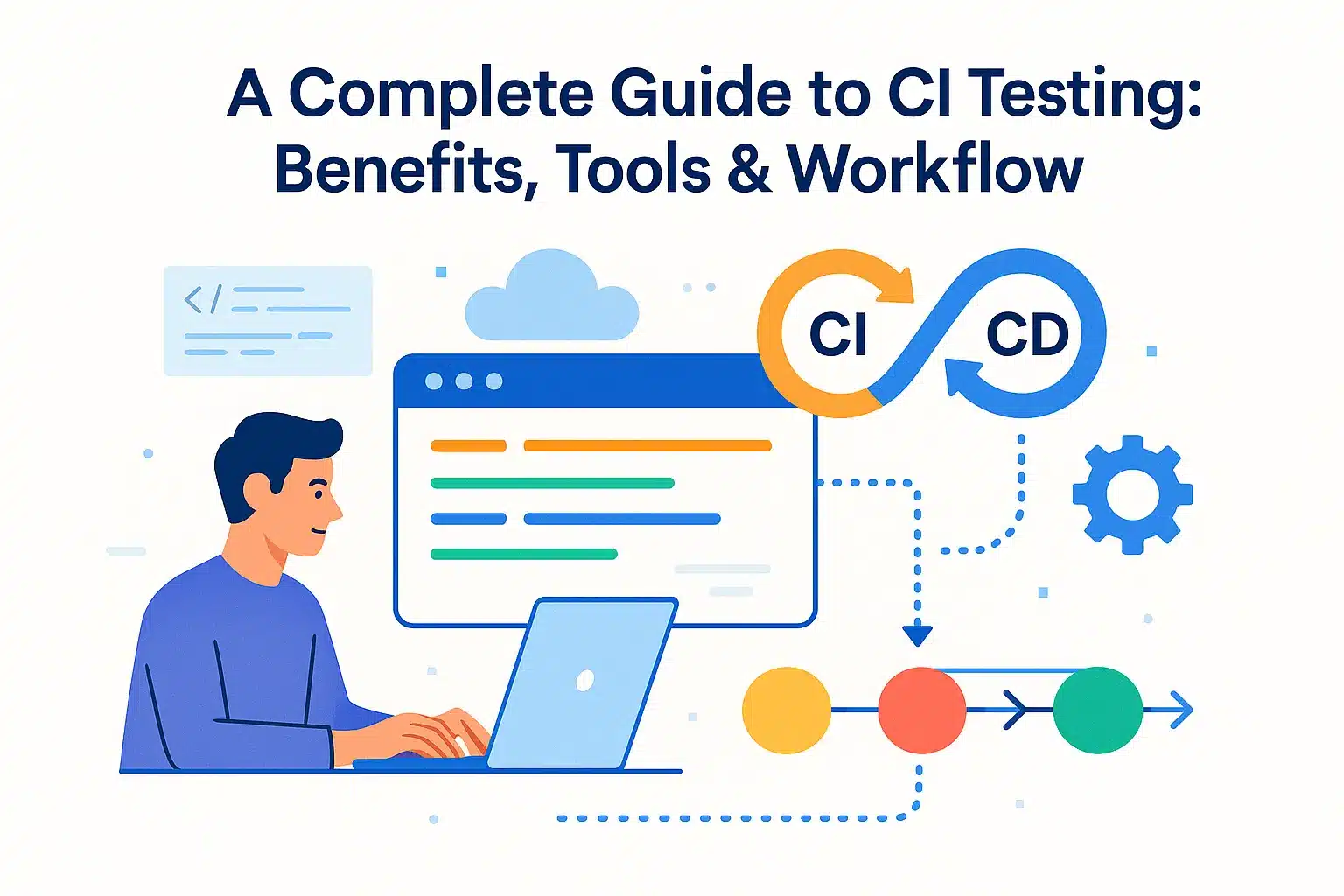
A Complete Guide to CI Testing: Benefits, Tools & Workflow
CI testing is the automatic running of tests every time code is committed to a shared repository, so integration issues and regressions surface immediately instead of piling up. Teams keep the mainline releasable by wiring fast, reliable suites into every build. Keploy suits this well, producing API tests from real traffic and slotting straight into…