Tag: software testing
-
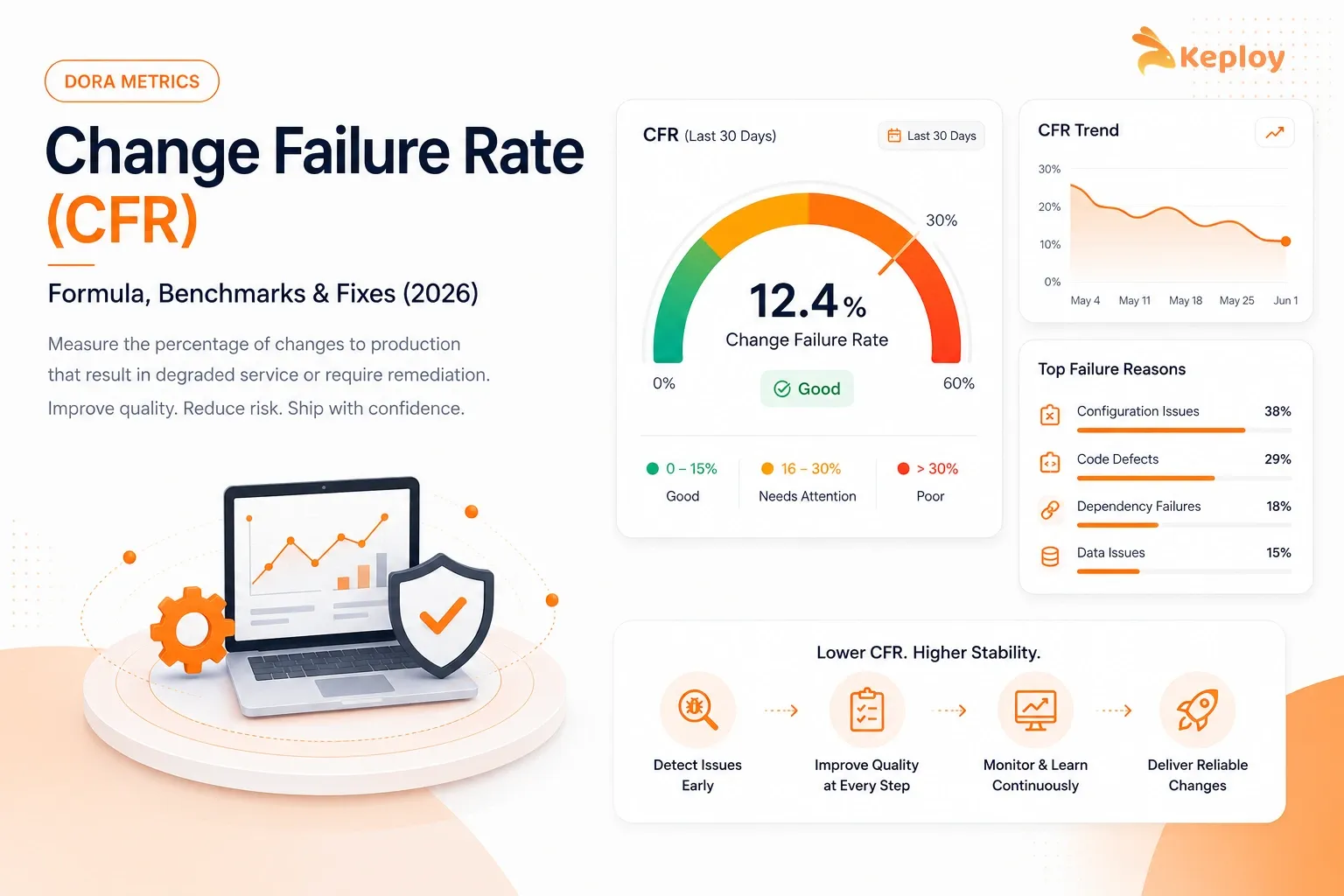
Change Failure Rate (CFR): Formula, Benchmarks & Fixes (2026)
Change failure rate measures the percentage of production deployments that trigger a rollback, hotfix, or emergency patch, making it a stability signal rather than a speed metric. Even elite teams rarely hit a near-zero rate, since most spikes trace back to untested API regressions slipping through CI. Keploy generates regression tests from real traffic, catching…
-
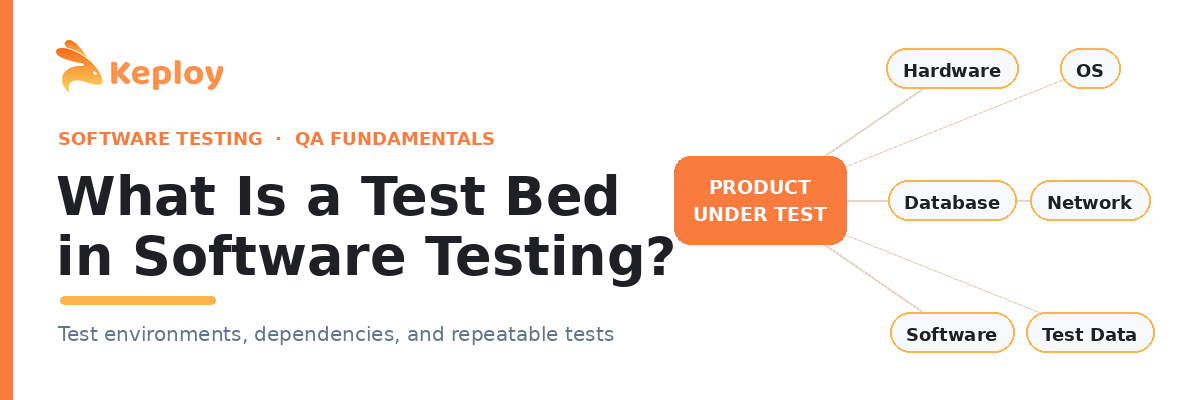
What Is a Test Bed in Software Testing? A Practitioner’s Guide
Every tester has lost an afternoon to an environment that would not behave. The code was fine. The suite was fine. The problem was the ground the tests ran on. That ground has a name, and getting it right is quietly one of the highest leverage things a QA team can do. It is called…
-
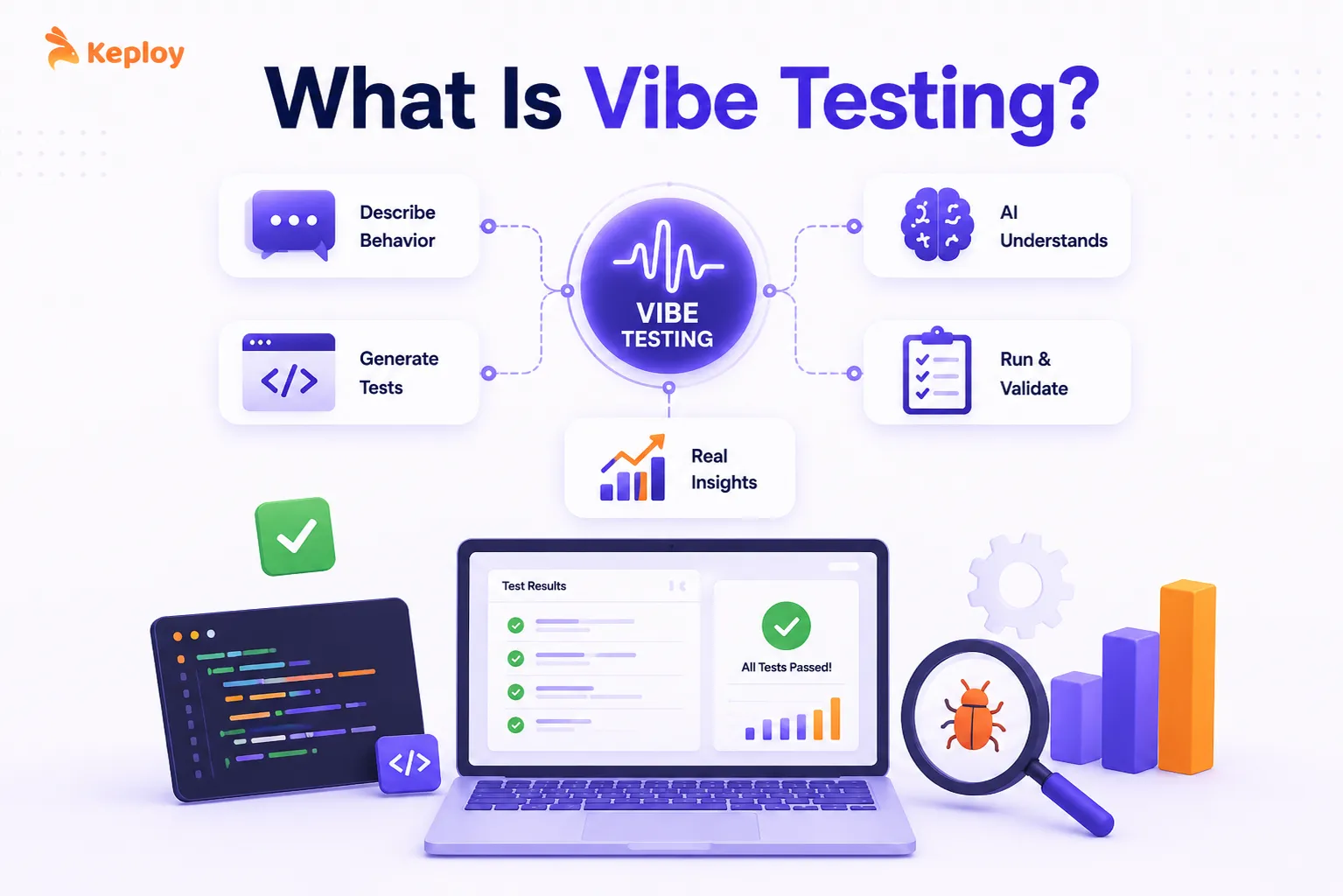
What Is Vibe Testing? A Practical Guide for Developers
Vibe testing is what happens when the way software gets built changes faster than the way it gets tested. For years, QA worked on a simple assumption: developers write the code, testers verify it. That assumption breaks down when the code is being generated by an AI from a plain English prompt. The person shipping…
-
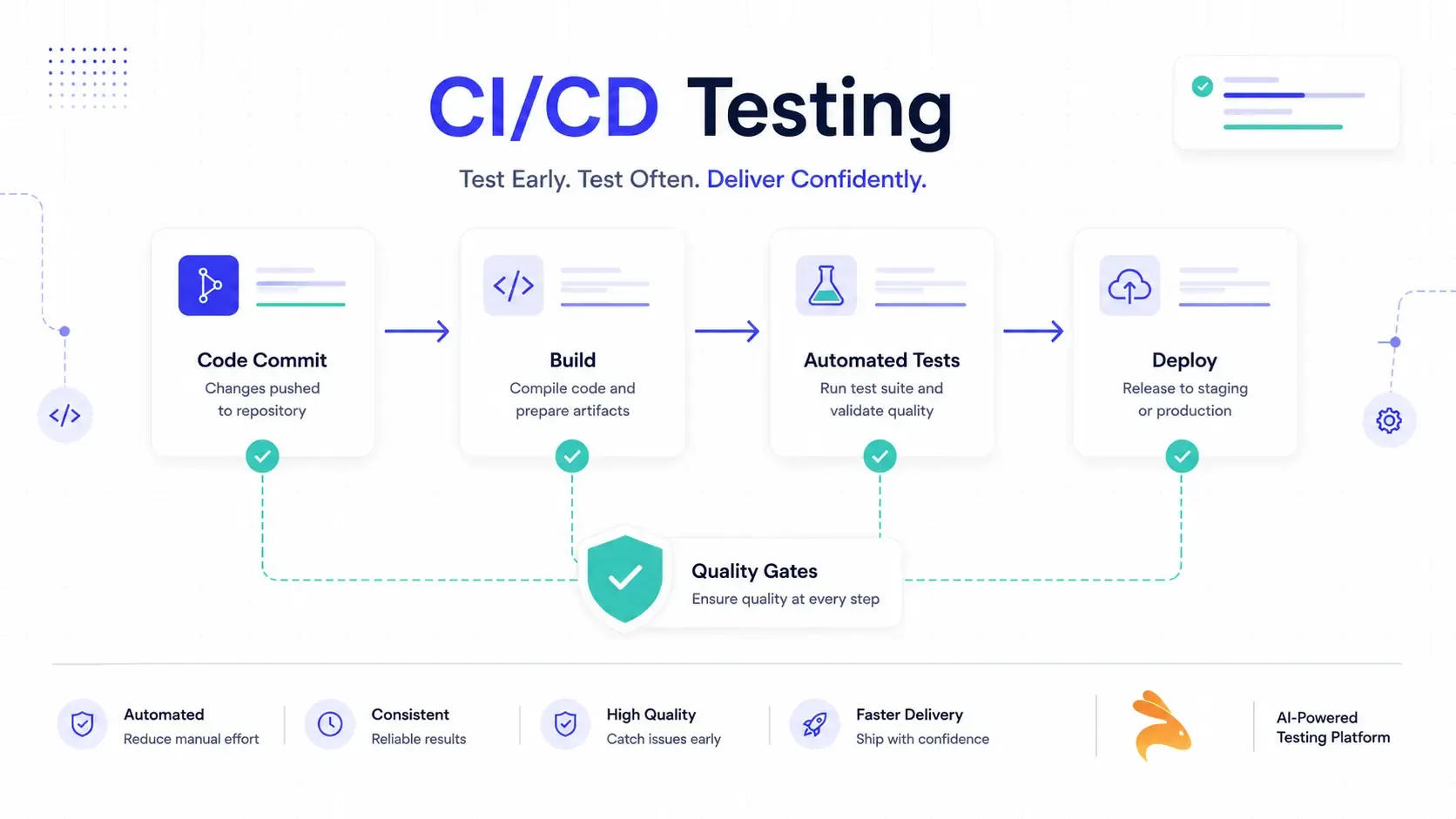
CI/CD Testing: Complete Guide to Continuous Testing (2026)
CI/CD testing runs automated tests inside your continuous integration and delivery pipelines so every change is validated before it ships. Unit, integration, and end-to-end tests fire on each commit or merge. Keploy fits naturally here, generating API tests and mocks from real traffic and running them CI/CD-native so pipelines gain coverage without extra scripting. In…
-
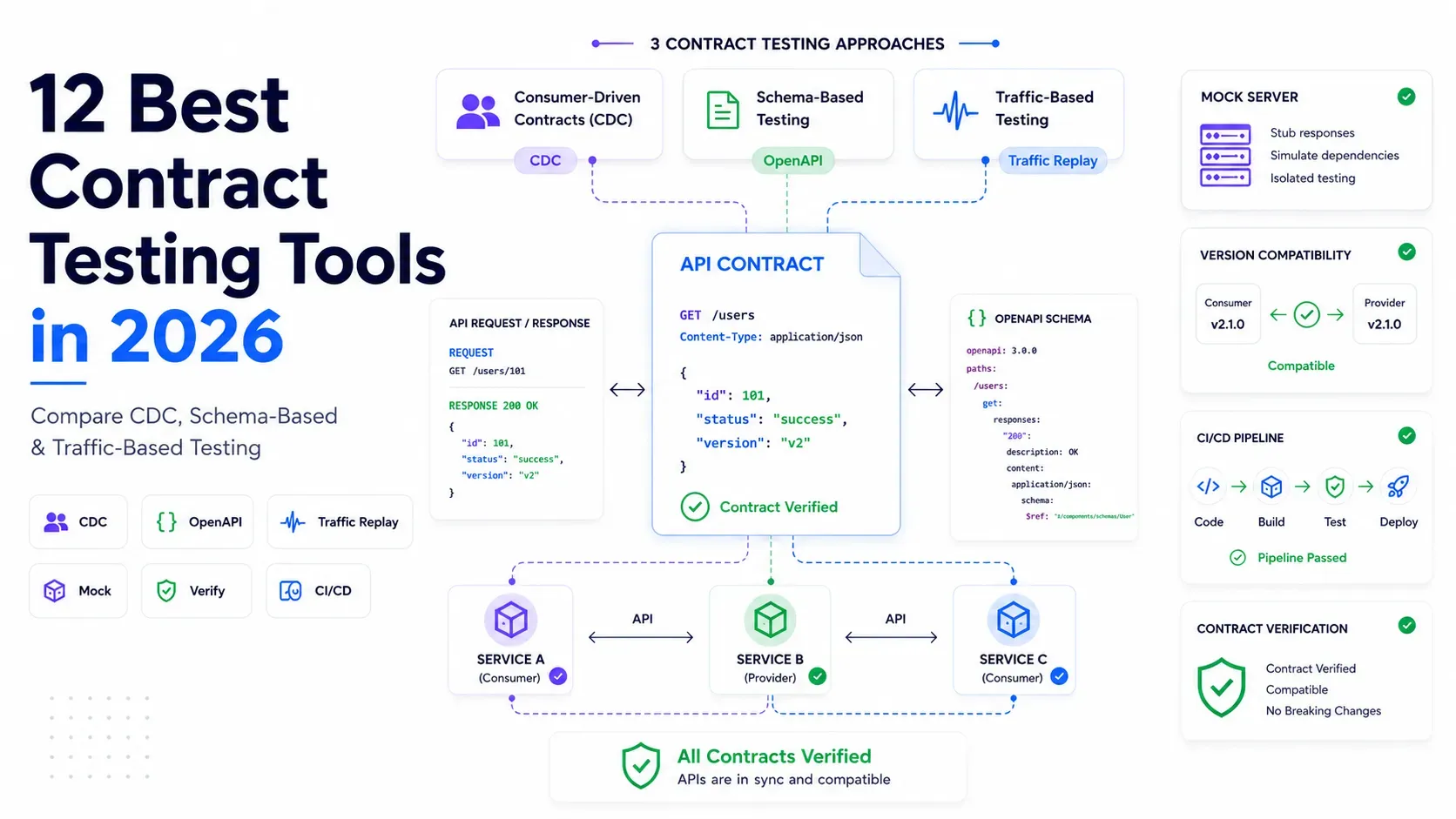
12 Best Contract Testing Tools in 2026
Contract testing tools verify that a consumer and provider agree on the API between them, catching breaking changes before they ship without running full integration suites. Pact and Spring Cloud Contract lead here, while Keploy complements them by generating mocks and tests from real interactions. I’ve watched enough production incidents get traced back to a…
-
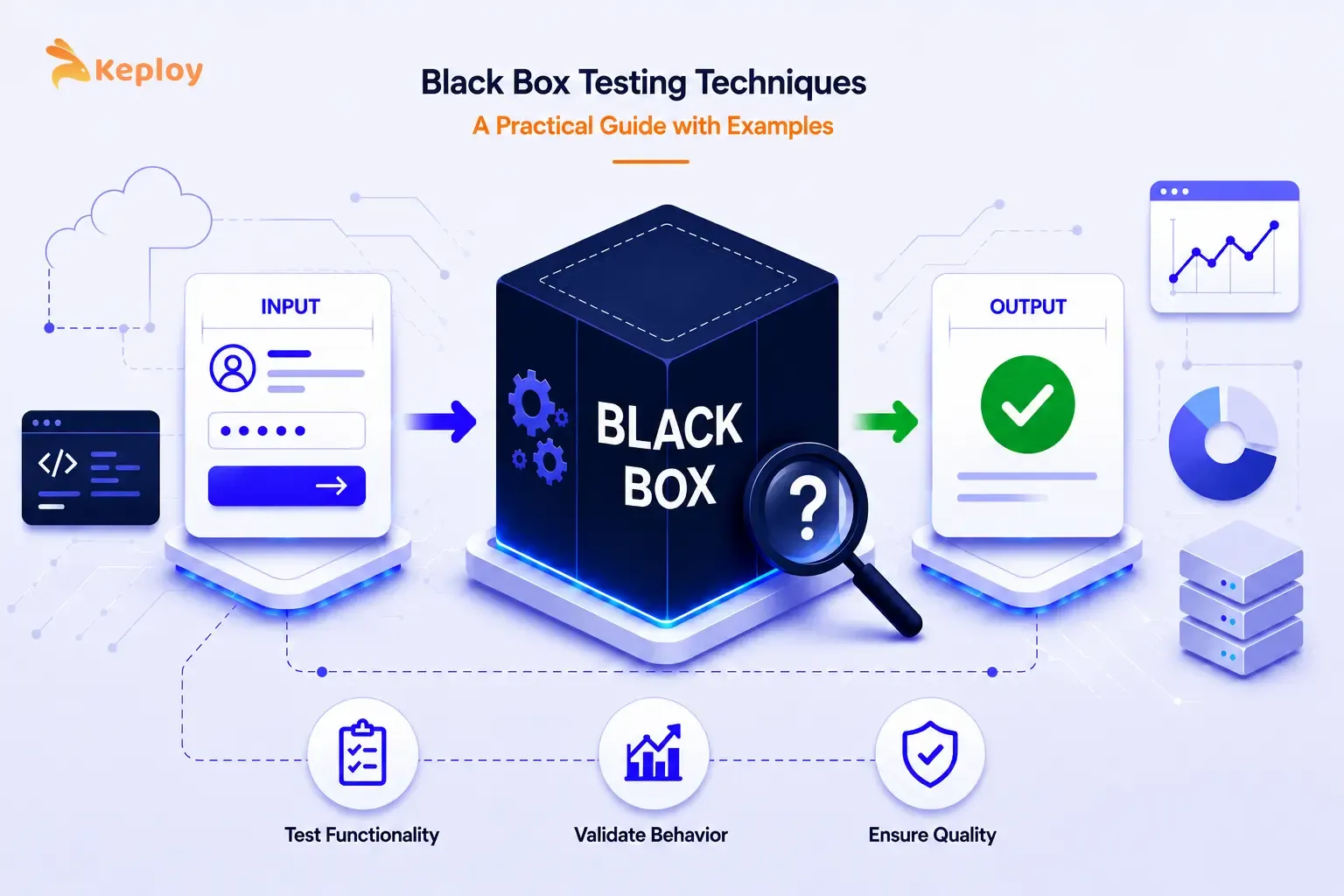
Black Box Testing Techniques: A Practical Guide (2026)
Last updated: 28 October 2026 Black box testing techniques are systematic approaches to designing test cases through inputs and outputs alone, without examining source code. The five core methods – equivalence partitioning, boundary value analysis, decision table testing, state transition testing, and error guessing – each target a different failure category. Most teams apply all…
-
Levels of software testing: 4 stages explained
Software testing has four levels, also called the stages of software testing, and each answers a different question. Unit testing asks whether a single function works in isolation. Integration testing asks whether connected components communicate correctly – the layer where Keploy automates test generation from real API traffic. System testing validates the full application end-to-end,…
-
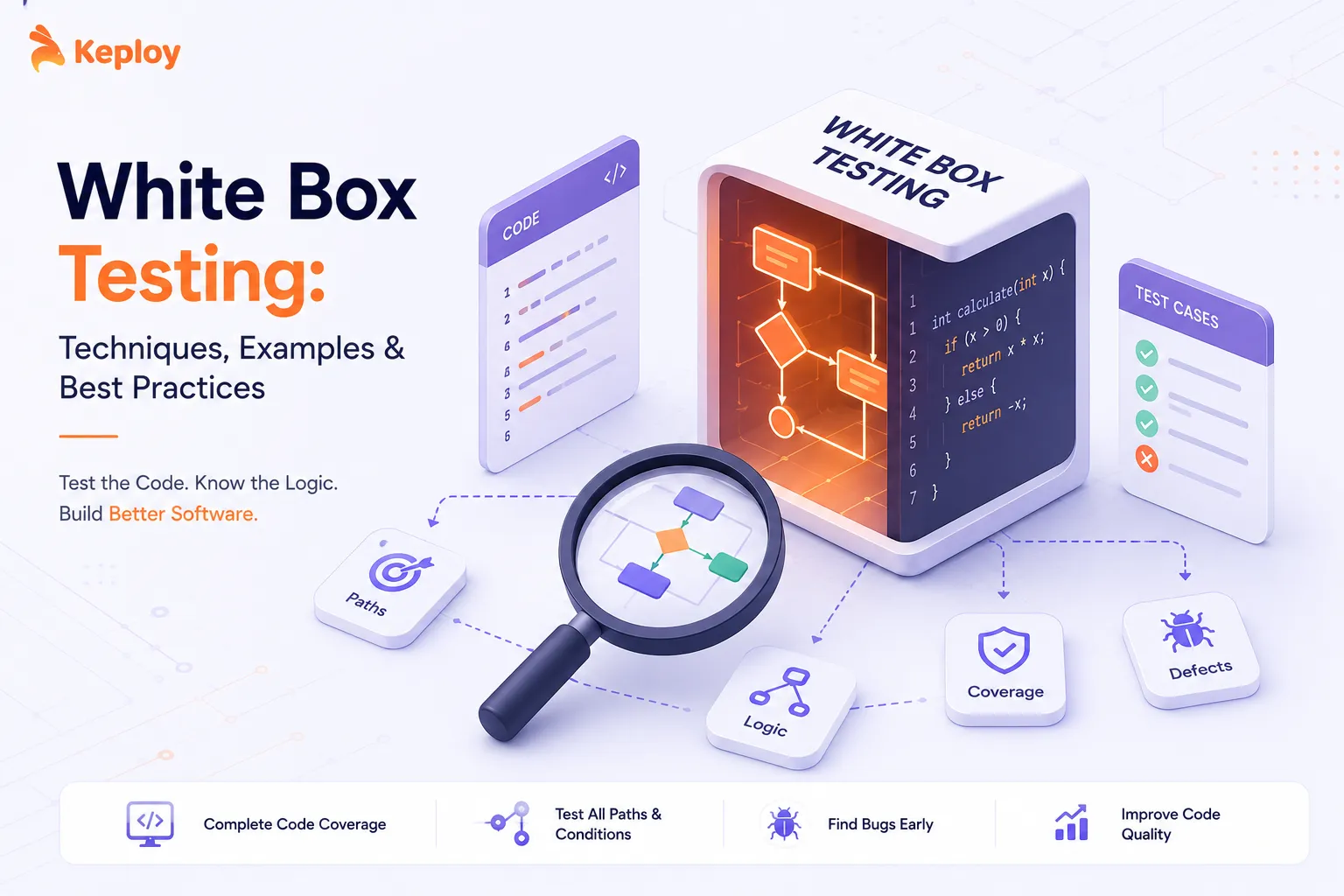
White Box Testing: Techniques, Examples & Best Practices (2026)
Last updated: 28 October 2026 White box testing gives testers direct access to source code, designing test cases around internal logic: branches, paths, conditions – rather than what users put in and get back. The core techniques build in depth: statement, branch, path, condition coverage & loop testing. The critical caveat: 90% statement coverage can…
-
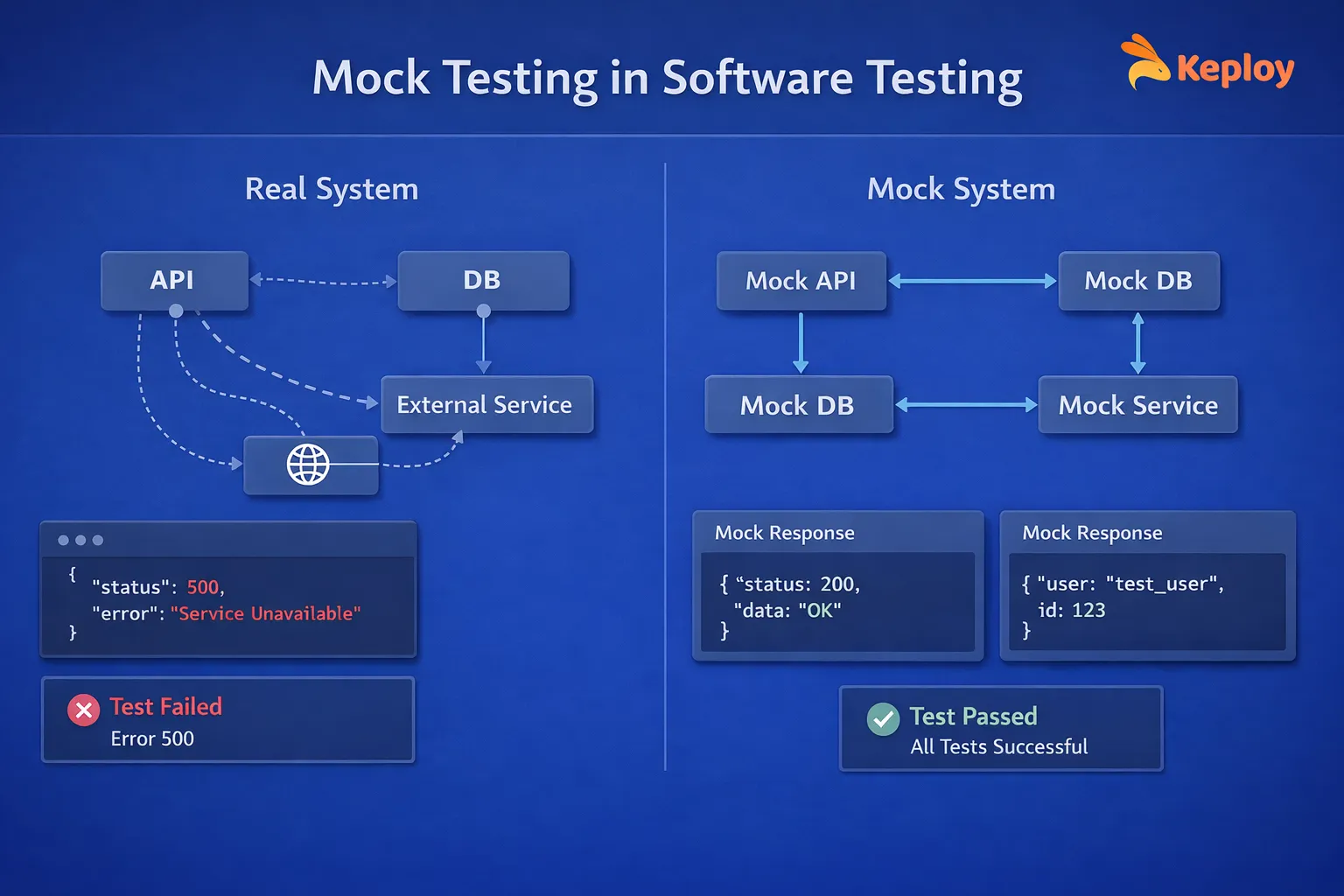
Mock Testing: A Complete Guide for Developers (2026)
Mock testing replaces real dependencies – APIs, databases, third-party services – with simulated objects that return controlled responses. It speeds up test runs, eliminates flakiness from unstable external systems, and makes edge cases like timeouts easy to trigger on demand. The limitation: mocks drift from real behavior over time. Keploy addresses this by capturing real…
-
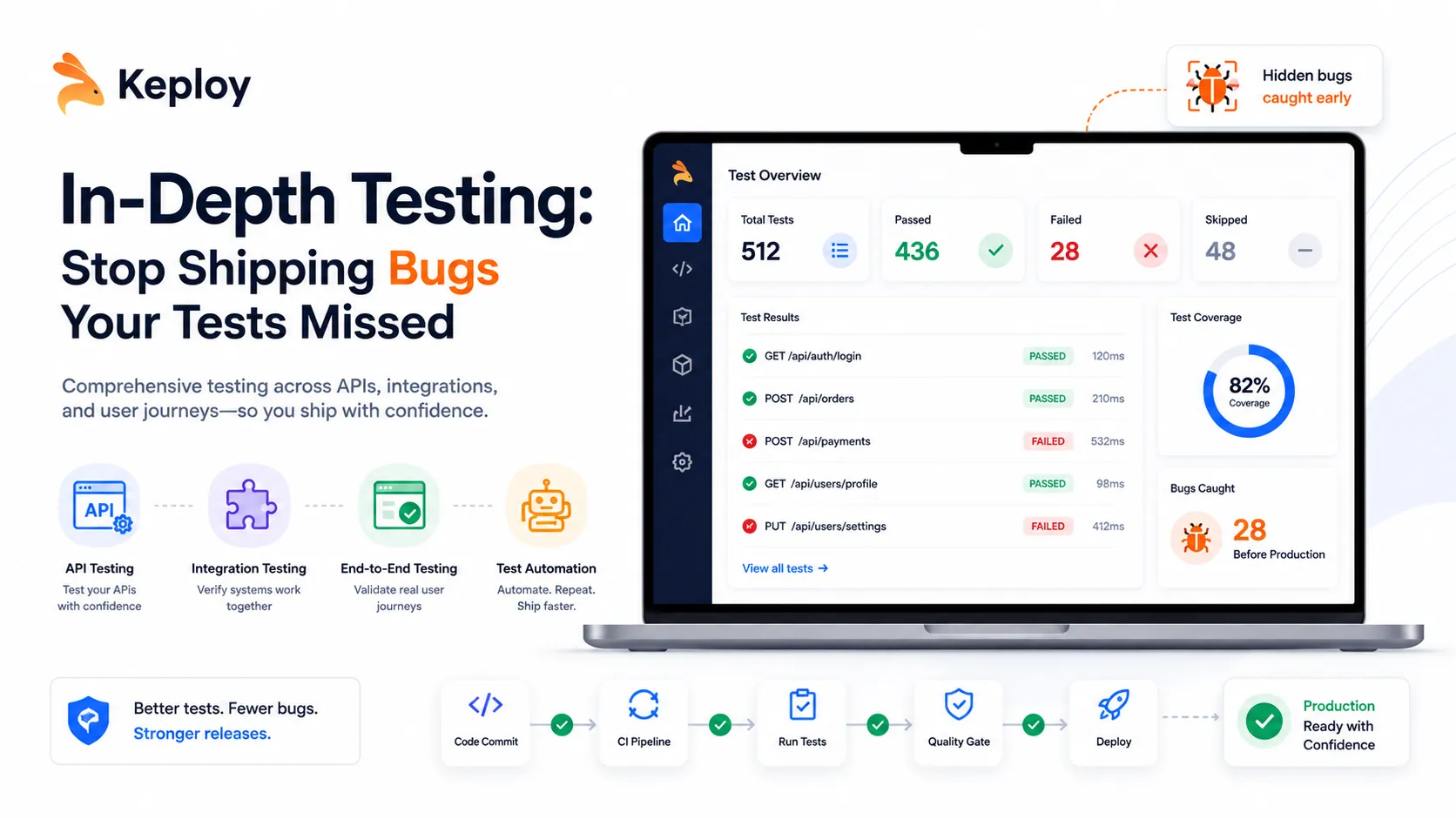
In-Depth Testing: Stop Shipping Bugs Your Tests Missed
I’ve pushed code that cleared every CI check, watched the green badge appear, shipped to production — and then spent the next two hours on a rollback. That experience was my real introduction to in-depth testing. In-depth testing is the practice of validating software behavior across multiple layers: unit logic, component interactions, end-to-end user flows,…